How to Use Turmeric for Weight Loss: Our Team’s Honest Guide
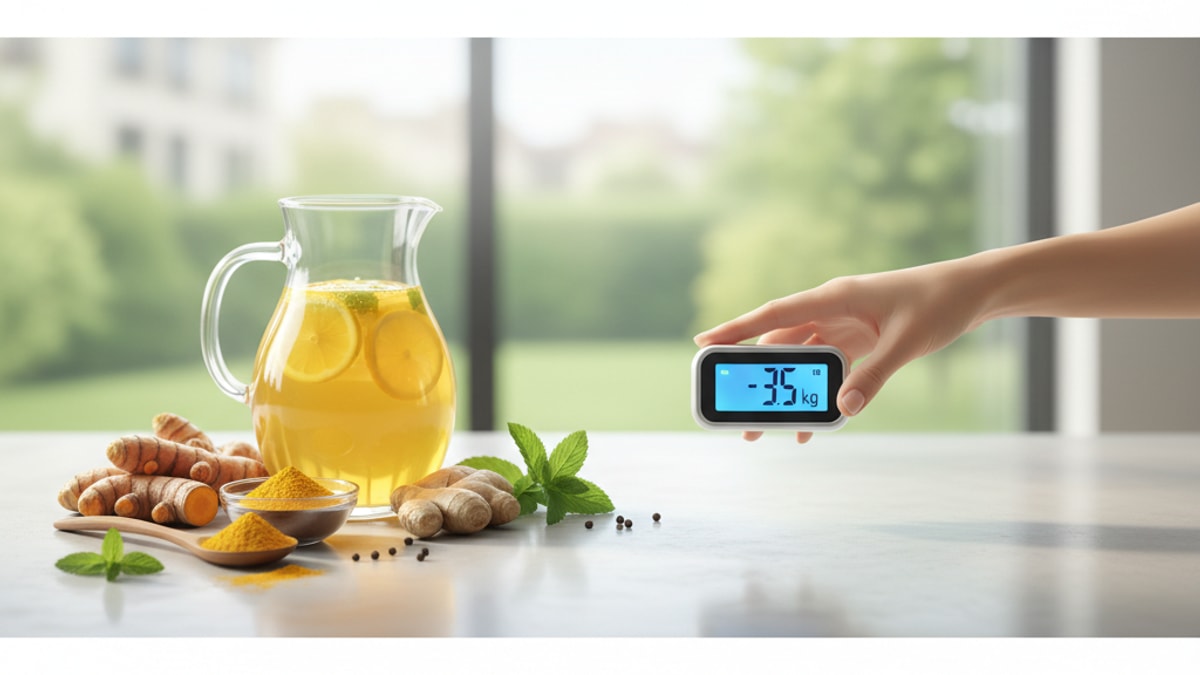
Let's be direct. You've seen the headlines and the vibrant yellow powders flooding social media feeds, all promising that turmeric is the key to shedding pounds. It's touted as an ancient spice with modern, almost magical, weight loss properties. And while our team at TrimrX is firmly rooted in biotechnology and evidence-based medicine, we also believe in looking at the complete picture of wellness. That means understanding which natural aids can genuinely support your journey and which are just noise.
So, what's our professional take? Turmeric, or more specifically its active compound curcumin, holds legitimate potential as a supportive player in a weight management strategy. But—and this is a significant 'but'—it is not a magic bullet. It's not a replacement for a sound nutritional plan, physical activity, or, for many, the powerful metabolic support of medically-supervised treatments. We're here to cut through the hype and give you a realistic, science-backed guide on how to use turmeric for weight loss effectively, as part of a larger, more powerful strategy for your health.
What's the Real Science Behind Turmeric and Weight Loss?
Before we jump into recipes and dosages, it’s critical to understand what's happening on a biological level. When we talk about turmeric's benefits, we're really talking about curcumin. Curcumin is the primary bioactive substance in turmeric, and it's responsible for that brilliant color and, more importantly, its powerful anti-inflammatory and antioxidant effects. This isn't just wellness jargon; it's the core of its potential role in weight management.
Our experience shows that one of the most formidable, yet overlooked, obstacles to weight loss is chronic, low-grade inflammation. This isn't the acute inflammation you see with an injury; it's a persistent, systemic irritation that can wreak havoc on your metabolism. Fat tissue itself, particularly visceral fat around the organs, is metabolically active and produces inflammatory cytokines. This creates a vicious cycle: excess fat causes inflammation, and that inflammation makes it harder to lose fat. It's a difficult, often moving-target objective to break this cycle.
This is where curcumin steps in. Research suggests that curcumin can directly interact with inflammatory pathways in the body, helping to dial down that chronic inflammation. By doing so, it may help create a more favorable metabolic environment for weight loss. It’s not directly 'burning' fat in the way a workout does, but it's helping to clear the biological static that prevents your body's systems from functioning optimally. Think of it as improving the soil before you plant the seeds. A less inflamed body is a body that's more responsive to positive changes in diet and exercise.
Now, this is where it gets interesting. Some studies also point to curcumin's potential role in a process called thermogenesis, which is your body's heat production process that burns calories. It may also influence the differentiation of fat cells, potentially inhibiting the formation of new ones. While this research is still evolving and largely based on animal or lab studies, it points to a multifaceted mechanism. It's not just one thing; it's a cascade of subtle, supportive actions. We've found that the most effective wellness strategies are rarely about one single, dramatic action but rather a collection of small, synergistic improvements. And that's exactly the role turmeric can play.
Practical Ways to Use Turmeric for Your Goals
Knowing the science is one thing, but putting it into practice is what matters. Simply shaking some turmeric powder over your food occasionally isn't going to move the needle. The key is consistency and, crucially, bioavailability—your body's ability to absorb and use the curcumin. Curcumin is notoriously difficult for the body to absorb on its own. It's a critical, non-negotiable element of using it effectively.
Here's what we've learned works best:
1. The Classic 'Golden Milk' or Turmeric Tea
This is more than just a trendy café drink; it's a traditional method built on sound principles. A warm, soothing turmeric tea is an excellent way to get a consistent daily dose. But the recipe is key.
- Our Simple, Effective Recipe: In a small saucepan, gently warm one cup of unsweetened almond milk, coconut milk, or dairy milk. Whisk in 1/2 to 1 teaspoon of high-quality organic turmeric powder, a pinch of black pepper, and 1/2 teaspoon of a healthy fat like coconut oil or almond butter. You can add a dash of cinnamon or ginger for flavor and extra anti-inflammatory benefits. Gently heat for a few minutes, but don't boil. That's it.
- Why It Works: The magic here is in the combination. Black pepper contains piperine, a compound that has been shown to increase curcumin's bioavailability by up to 2,000%. The healthy fat is also essential, as curcumin is fat-soluble. Without these two partners, most of the curcumin you consume will pass through your system unused. It's a waste.
2. Weaving It Into Your Daily Meals
Consistency is easier when it becomes part of your routine. You don't need to eat curry every day (though it's a great option!). Our team recommends finding simple ways to incorporate it:
- Smoothies: Add 1/2 teaspoon of turmeric to your morning smoothie. Just make sure it includes that pinch of black pepper and a source of fat like avocado, chia seeds, or nut butter.
- Soups and Stews: Turmeric adds a warm, earthy flavor to lentil soups, chicken stews, and vegetable bisques. It dissolves beautifully and works with a wide range of flavor profiles.
- Roasted Vegetables: This is one of our favorite methods. Toss carrots, cauliflower, or chickpeas with olive oil, turmeric, black pepper, and a little salt before roasting. The heat deepens the flavor, and the oil aids absorption.
- Egg Scrambles or Tofu: A dash of turmeric adds a beautiful golden color and a subtle flavor boost to your morning protein.
3. Considering a High-Quality Supplement
For some people, especially those with demanding schedules, a supplement is the most reliable way to get a consistent and therapeutic dose of curcumin. However, the supplement world can be a minefield. We can't stress this enough: not all supplements are created equal.
What to look for:
- Standardized for Curcuminoids: Look for supplements that are standardized to contain 95% curcuminoids. This ensures you're getting a potent product, not just ground-up turmeric root.
- Enhanced Bioavailability: Reputable brands will include a bioavailability enhancer right in the capsule. This is most often BioPerine® (a patented black pepper extract) or a formulation that binds the curcumin with phospholipids (phytosomes) to improve absorption.
- Third-Party Testing: Choose brands that are transparent about third-party testing for purity and potency. This verifies that you're getting what's on the label, free from contaminants.
Always, and we mean always, consult with your healthcare provider before starting any new supplement, especially if you're taking other medications or have underlying health conditions. This is particularly important for our patients at TrimrX, as we need to ensure anything they take complements their medically-supervised treatment plan without causing interactions.
Turmeric Methods: A Quick Comparison
To make it clearer, we've put together a simple table comparing the different ways you can incorporate turmeric. There's no single 'best' way; the right choice depends on your lifestyle and goals.
| Method | Bioavailability | Convenience | Cost | Best For… |
|---|---|---|---|---|
| Turmeric Powder (in food) | Low (unless combined with pepper & fat) | High | Low | General wellness, adding flavor, and daily low-dose support. |
| Fresh Turmeric Root | Low (requires pepper & fat) | Medium (requires peeling/grating) | Medium | Juicing, teas, and cooking for those who prefer fresh ingredients. |
| Turmeric Tea / Golden Milk | Medium-High (with proper ingredients) | Medium (requires daily prep) | Low-Medium | A consistent, enjoyable daily ritual with good absorption. |
| High-Quality Supplement | Very High (formulated for absorption) | Very High | High | Achieving specific therapeutic doses and for maximum convenience. |
The Critical Piece Most Turmeric Guides Miss
Here’s the unfiltered truth. You can drink golden milk every day and sprinkle turmeric on every meal, but if you're not addressing the fundamental drivers of weight gain, you won't see the results you're looking for. Turmeric is a fantastic supporting actor, but it can't carry the whole show.
Real, sustainable weight loss is a complex biological process. It involves hormones, metabolic rate, genetics, and the powerful signaling that happens between your gut and your brain. These are the formidable systems that often make weight loss feel like an uphill battle. Relying on a single spice to overcome these deep-rooted biological mechanisms is, frankly, unrealistic. It sets people up for disappointment and can lead them to abandon their efforts altogether.
Our work at TrimrX is centered on addressing these core biological factors directly. We utilize advanced, FDA-registered GLP-1 medications like Semaglutide and Tirzepatide because they work on the body's own hormonal systems. They help regulate appetite, improve how your body handles sugar, and fundamentally change the conversation between your brain and your digestive system. It's a profound, sometimes dramatic shift that addresses the root cause, not just the symptoms.
We've seen it work time and time again. When you get the foundational biology right, everything else becomes easier. The desire for unhealthy foods diminishes. You feel full and satisfied with smaller portions. This creates the headspace and physical energy to build lasting habits around nutrition and movement. It's a comprehensive approach, and it's what truly creates life-changing results.
How Turmeric Fits into a Medically-Supervised Plan
So, if medical treatments are so effective, where does something like turmeric fit in? This is where a holistic, intelligent approach makes all the difference.
We see turmeric not as an alternative, but as a powerful complement. While a treatment like Semaglutide is working to recalibrate your metabolism and appetite signals, curcumin can be working in the background to lower systemic inflammation. This creates a powerful synergy. A less inflamed body is less stressed, and it can respond even more effectively to the positive changes being driven by the medication.
Think of it this way: the GLP-1 medication is the lead engineer fixing the engine, while turmeric is part of the maintenance crew ensuring all the surrounding parts are clean, lubricated, and running smoothly. When you're losing weight, your body is undergoing significant changes. Supporting it with powerful anti-inflammatory and antioxidant compounds can help manage this process, improve recovery from exercise, and contribute to overall vitality.
It’s this kind of holistic, science-backed thinking that informs our approach at TrimrX. We believe in using the most powerful medical tools available while also empowering our patients with the knowledge to support their bodies through nutrition and lifestyle. A journey isn't just about the number on the scale; it's about reducing disease risk, improving energy, and feeling truly well. If you're ready to see what a comprehensive plan looks like, you can Take Quiz to see if you're a candidate for our program.
Common Mistakes to Avoid (We've Seen Them All)
In our practice, we often have to help people unlearn misinformation they've picked up online. When it comes to turmeric, a few mistakes are incredibly common.
- Ignoring Bioavailability: As we've mentioned, this is the biggest one. Just eating turmeric powder plain is largely ineffective. You must combine it with black pepper and a source of fat. It's non-negotiable.
- Believing More is Better: Taking massive doses of curcumin can lead to digestive upset, including nausea or diarrhea. A typical effective dose in supplement form is around 500-1,000 mg of curcuminoids per day. Stick to recommended dosages and listen to your body.
- Expecting Overnight Miracles: Turmeric's effects are subtle and cumulative. It's not a stimulant or an appetite suppressant in the way a pharmaceutical is. It works by gently improving your body's internal environment over weeks and months. Patience is key.
- Choosing a Low-Quality Product: Cheap turmeric supplements are often just ground turmeric in a capsule, with poor absorption and potential contaminants. You get what you pay for. Invest in a reputable, third-party tested product.
Avoiding these pitfalls is crucial for integrating turmeric into your routine in a way that’s both safe and genuinely beneficial. It's about working smarter, not just harder.
Our Professional Take: Turmeric as a Supportive Player
So, what's the final word from our team? We are genuinely enthusiastic about the potential of curcumin as a supportive element in a weight management and overall health plan. Its well-documented anti-inflammatory properties are incredibly valuable in a world where chronic inflammation is rampant and linked to so many health issues, including obesity.
We recommend it to our patients as a way to enhance their overall wellness while they are on their medically-supervised weight loss journey with us. It's a tool for building a healthier internal ecosystem. It helps manage the inflammation that can make weight loss harder and supports joint health, which is vital when starting a new exercise routine. It’s an ally.
But we are also unflinching in our position that it is not, and should not be considered, a primary weight loss agent. The most effective, reliable, and sustainable results for significant weight loss come from addressing the core biological drivers of weight gain. That's the reality. It all comes down to leveraging the best of science to create a true metabolic reset.
Using turmeric wisely is about understanding its role. It's not the hero of the story, but it's a critical member of the supporting cast. By combining the gentle, systemic benefits of curcumin with a powerful, medically-guided foundation, you create a truly comprehensive strategy for success. It’s about building a body that doesn’t just lose weight, but thrives. If you’re ready to build that foundation, we encourage you to Start Your Treatment Now and see how a medical approach can change everything.
Frequently Asked Questions
How much turmeric should I take for weight loss each day?
▼
There’s no official dose, but many studies use 500-1,000 mg of curcuminoids daily from a high-quality supplement. If using powder, 1-2 teaspoons daily combined with black pepper and fat is a common recommendation. Always start low and consult your doctor.
Can I just eat more curry to lose weight?
▼
While curry is delicious and contains turmeric, relying on it alone isn’t a structured weight loss strategy. The amount of curcumin can vary widely, and some curries can be high in calories and unhealthy fats. It’s better to incorporate turmeric more intentionally.
How long does it take to see results from turmeric?
▼
Turmeric’s effects are gradual and cumulative, not immediate. You’re unlikely to see direct weight loss results from it alone. Its benefits, like reduced inflammation, build over several weeks or months of consistent use as part of a broader health plan.
Does turmeric interact with medications like Semaglutide?
▼
Turmeric can have mild blood-thinning effects and may interact with certain medications. It’s absolutely essential to speak with your healthcare provider before adding it to your regimen, especially when you are on a medically-supervised program like ours at TrimrX.
Is fresh turmeric root better than dried powder?
▼
Fresh turmeric contains more volatile oils, but the concentration of curcuminoids can be inconsistent. Dried, high-quality organic powder offers a more standardized product. Both are effective when prepared correctly with fat and black pepper for absorption.
What are the side effects of taking too much turmeric?
▼
In high doses, turmeric or curcumin supplements can cause digestive issues like stomach upset, nausea, or diarrhea. It’s best to stick within the recommended dosage and consult a healthcare professional for guidance.
Can I get enough curcumin from just food?
▼
For general wellness, incorporating turmeric into your diet is great. However, to achieve the specific therapeutic doses used in many studies, a standardized curcumin supplement is often more practical and reliable due to its higher potency and enhanced bioavailability.
Is turmeric safe for everyone?
▼
Most people can safely consume turmeric, but individuals who are pregnant, breastfeeding, have gallbladder issues, or are on blood-thinning medication should exercise caution. We always recommend a conversation with your doctor before starting any new supplement.
Will turmeric help me lose belly fat specifically?
▼
No single food or supplement can target fat loss in one specific area of the body. Turmeric’s anti-inflammatory properties may help reduce systemic inflammation associated with visceral (belly) fat, but overall fat loss requires a comprehensive approach to diet and exercise.
What’s the difference between turmeric and curcumin?
▼
Turmeric is the whole spice root. Curcumin is the most active and beneficial chemical compound found within turmeric. Most of the health benefits attributed to turmeric, especially for inflammation, come directly from its curcumin content.
Why is black pepper so important when taking turmeric?
▼
Black pepper contains a compound called piperine. Our bodies have a difficult time absorbing curcumin on its own, but piperine can dramatically increase its bioavailability—by up to 2,000%—making it far more effective.

Transforming Lives, One Step at a Time
Keep reading

Obesity and Low Testosterone
**Can obesity cause low testosterone?** Yes. Obesity can lower testosterone, and the relationship often runs in both directions.

Top 6 Best Weight Loss Medications in 2026
Prescription weight loss medication has gone mainstream. What was once a quiet corner of obesity medicine is now one of the most talked-about categories…

Top 8 Best Telehealth for Weight Loss in 2026
Finding the best telehealth for weight loss used to be a time-consuming process that involved hours of research, murky pricing pages, and a fair…


