Do Probiotics Help with Weight Loss? An Expert Look
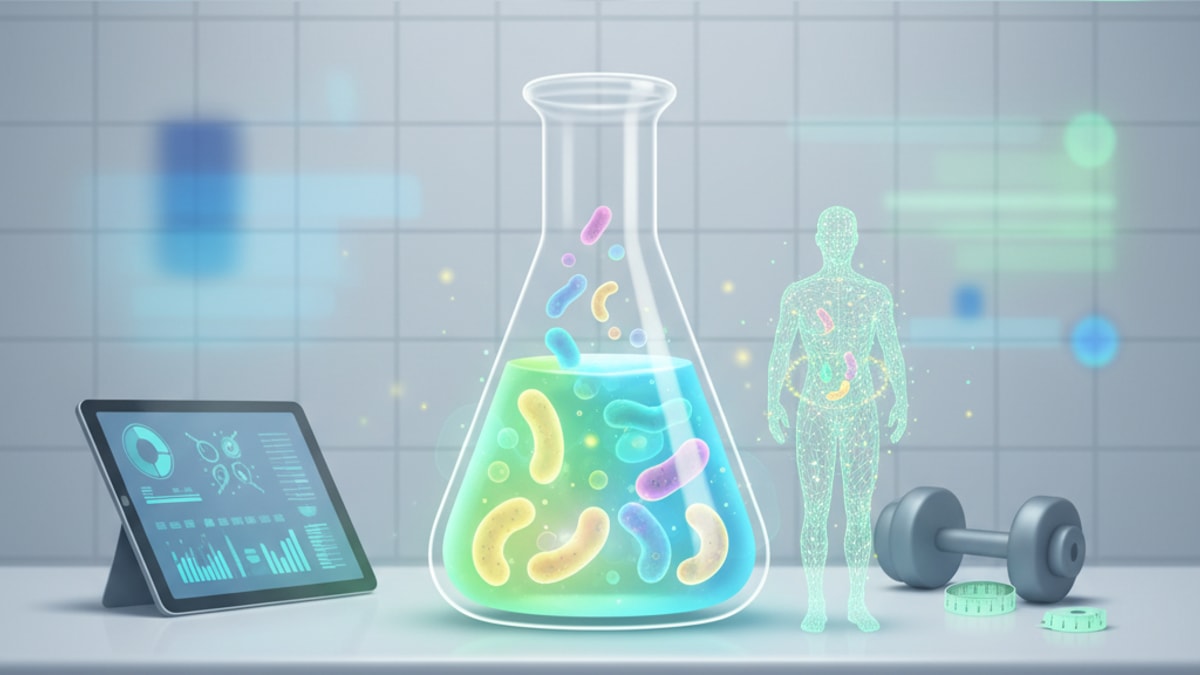
The search for an effective weight loss solution can feel relentless. We've seen it time and again with the clients who come to us: you're bombarded with advice, miracle supplements, and conflicting information. Every year, it seems there's a new 'magic bullet.' Lately, the conversation has turned inward, focusing on the sprawling, microscopic universe within our own bodies—the gut microbiome. And the question on everyone's mind is a simple but profound one: do probiotics help with weight loss?
It’s a fantastic question. And the answer isn't a simple yes or no. It's nuanced, complex, and genuinely fascinating. Here at TrimrX, our entire approach is built on unflinching, evidence-based science. We specialize in medically-supervised weight loss programs that leverage powerful tools like GLP-1 medications, but our expertise extends to the entire metabolic landscape. That includes the critical role of gut health. So, let’s cut through the hype and have an honest conversation about what probiotics can—and can't—do for your weight loss journey.
The Gut Microbiome: Your Body’s Hidden Engine
Before we can even talk about probiotics, we have to talk about where they work. Imagine a bustling, sprawling city inside your digestive tract, populated by trillions of microorganisms. This is your gut microbiome. It’s a complex ecosystem of bacteria, fungi, viruses, and other microbes that, when in balance, works tirelessly behind the scenes. Its influence is staggering.
We’re not just talking about digestion. That’s just the start. This internal ecosystem helps regulate your immune system, synthesize essential vitamins, and even produce neurotransmitters that affect your mood. It's a critical, non-negotiable element of your overall health. And, as research is making increasingly clear, it plays a formidable role in regulating your metabolism and body weight.
Think of it this way: the composition of your microbial city matters. A city thriving with diverse, beneficial residents (good bacteria) runs smoothly. But if it gets overrun by disruptive elements (bad bacteria), systems start to break down. This imbalance, known as dysbiosis, is linked to a host of issues, including chronic inflammation, insulin resistance, and—you guessed it—obesity. The goal isn't to sterilize the gut, but to cultivate a healthy, balanced, and resilient population. That's the key.
So, Do Probiotics Actually Help with Weight Loss? The Evidence
Now for the main event. Probiotics are live microorganisms that, when administered in adequate amounts, confer a health benefit. They're essentially reinforcements for your 'good guy' bacteria. The idea is that by introducing specific beneficial strains, you can help nudge your gut ecosystem back toward a healthier balance. But does this translate to pounds lost on the scale?
Our team has spent countless hours digging into the clinical research, and here’s what we've found: the evidence is promising but requires a very careful interpretation. It's not about just grabbing any bottle of probiotics off the shelf. Certain strains of bacteria appear to influence body weight through several specific mechanisms.
First, some probiotics may influence appetite-regulating hormones. This is where it gets incredibly interesting for us at TrimrX. Some research suggests that a healthy gut microbiome can increase the release of satiety hormones like glucagon-like peptide-1 (GLP-1). This is the very same hormone that our advanced medical treatments, like Semaglutide and Tirzepatide, are designed to target. While the effect from probiotics is far more subtle, it highlights the same biological pathway. It shows how your body is naturally wired to connect gut health with feelings of fullness. The difference is a matter of scale; our treatments provide a direct, powerful, and clinically significant effect on these hormones that probiotics alone simply can't match.
Second, certain strains seem to impact fat absorption and storage. Some studies, particularly focusing on the Lactobacillus family, suggest these bacteria can reduce the amount of dietary fat absorbed by the intestines. Instead of being stored, more of it is excreted. They may also influence proteins and genes related to fat storage, encouraging the body to burn more fat and store less. It's a subtle but potentially significant shift in your body's energy economy.
Third, a healthy gut microbiome helps fight chronic inflammation. Obesity is now widely recognized as a state of chronic, low-grade inflammation. This inflammation can disrupt insulin signaling and promote further weight gain, creating a vicious cycle. By strengthening the gut lining and promoting a balanced microbial community, probiotics can help reduce the inflammatory load on your body, creating a more favorable metabolic environment for weight loss.
It’s a compelling picture, isn't it? But it's also where the marketing hype often outpaces the scientific reality.
The Probiotic Paradox: Why It's Not a Magic Pill
We can't stress this enough: probiotics are not a weight loss drug. Their effect is indirect and supportive. Believing that a probiotic capsule can counteract a poor diet or a sedentary lifestyle is a recipe for disappointment. The effectiveness of probiotics is tangled in a web of variables that makes them incredibly difficult to generalize.
Let’s be honest, this is crucial. The single biggest factor is strain specificity. You can't talk about 'probiotics' as a single entity. It's like talking about 'dogs'—a chihuahua and a great dane are technically the same species, but you wouldn't expect them to perform the same tasks. The same is true for bacteria. The benefits are tied to specific strains.
For example, Lactobacillus gasseri has shown some of the most promising results in clinical trials for reducing belly fat. Lactobacillus rhamnosus has also been linked to weight loss, particularly in women. On the other hand, some other strains have shown no effect, or in some animal studies, have even been associated with weight gain. This is why blindly taking a generic probiotic is a shot in the dark.
Here’s a quick breakdown of what the research suggests for some popular strains:
| Probiotic Strain Family | Potential Mechanism of Action | Key Research Finding (Illustrative) |
|---|---|---|
| Lactobacillus gasseri | May reduce fat absorption & visceral fat. | Studies have shown modest reductions in BMI, waist circumference, and abdominal fat over several weeks. |
| Lactobacillus rhamnosus | May influence satiety hormones & gut barrier. | A study found it aided sustained weight loss and maintenance in women when combined with a diet. |
| Bifidobacterium lactis | Can improve gut barrier function & reduce inflammation. | Often associated with improved metabolic markers like insulin sensitivity rather than direct weight loss. |
| Lactobacillus plantarum | Anti-inflammatory effects & microbiome modulation. | Research is more focused on overall gut health and IBS symptoms, with metabolic benefits being secondary. |
| Saccharomyces boulardii | A beneficial yeast that fights pathogens. | Primarily studied for preventing diarrhea, its metabolic effects are less established but may relate to inflammation. |
Another consideration is the dosage and viability. You need a high enough dose—measured in Colony Forming Units (CFUs)—for the bacteria to survive the journey through your stomach acid and establish themselves in your intestines. We're talking billions, not millions, of CFUs. And they have to be alive. A supplement that's been sitting on a warm shelf might not deliver on its promise.
Finally, and perhaps most importantly, is your own unique biology. Your starting microbiome is completely unique to you. The way your body responds to a specific probiotic strain will depend on the ecosystem that's already there. This is why a personalized approach to health is so critical. It’s the entire philosophy behind our work at TrimrX. We don't believe in one-size-fits-all solutions, whether it's for advanced medical treatments or supplemental support.
Integrating Gut Health into a Modern Weight Loss Strategy
So, where do probiotics fit into a serious, effective weight loss plan? Our experience shows they should be seen as a supporting player, not the star of the show. They can help optimize the terrain, but they can't do the heavy lifting on their own.
The real cornerstones of sustainable weight loss remain unchanged: a nutritious diet, regular physical activity, adequate sleep, and stress management. These are the non-negotiables. For individuals who have struggled to see results with lifestyle changes alone, a more powerful intervention is often necessary to reset the body's metabolic patterns.
This is precisely where our medically-supervised programs come in. Using clinically-proven GLP-1 medications like Semaglutide and Tirzepatide, we can directly address the underlying hormonal and metabolic dysregulation that makes weight loss so difficult. These treatments work by powerfully influencing appetite, slowing digestion, and improving how your body processes sugar. They create the biological opportunity for significant and sustainable weight loss to finally happen.
Within this comprehensive framework, optimizing gut health with probiotics can be a brilliant complementary strategy. A healthier gut may improve nutrient absorption from your food, reduce inflammation, and even mitigate some of the potential digestive side effects that can occur as your body adapts to a new way of eating or to medication. It’s about creating a holistic system where every component supports the others.
Think of it as preparing the soil before planting a seed. The GLP-1 medication is the powerful seed of change, but a well-tended, microbially-rich soil can help it thrive. If you're ready to move beyond supplements and explore a clinically-proven path to lasting results, you can Start Your Treatment with our dedicated medical team.
Beyond the Capsule: Fueling Your Gut for Success
Our team always advocates for a food-first approach whenever possible. Before you even think about supplements, you can make a dramatic impact on your gut health through your diet. This involves two key components: prebiotics and probiotic-rich foods.
Prebiotics are essentially food for your good gut bacteria. They are types of dietary fiber that your body can't digest, so they travel to your lower digestive tract where they become a feast for your resident microbes. Feeding them well helps them grow and flourish. Excellent sources of prebiotics include:
- Garlic, onions, and leeks
- Asparagus
- Bananas (especially when slightly green)
- Oats
- Apples
- Flaxseeds
- Chicory root
Incorporating a wide variety of these plant-based foods is one of the most powerful things you can do for your microbiome. Diversity in your diet leads to diversity in your gut.
Then there are probiotic-rich foods, which have been created through fermentation. This ancient method of food preservation naturally cultivates beneficial bacteria. Eating these foods regularly can help continuously replenish your gut's supply of good microbes. Look for:
- Yogurt: Choose plain, unsweetened varieties with 'live and active cultures.'
- Kefir: A fermented milk drink that often contains a more diverse range of bacteria and yeasts than yogurt.
- Sauerkraut: Fermented cabbage. Be sure to buy the refrigerated kind, as shelf-stable versions are pasteurized, which kills the live bacteria.
- Kimchi: A spicy, fermented Korean side dish, typically made from cabbage and other vegetables.
- Miso: A fermented soybean paste used in Japanese cooking.
- Kombucha: A fermented tea drink. Be mindful of the sugar content, as some commercial brands can be loaded with it.
Focusing on these dietary strategies first builds a strong foundation. Then, if you decide to add a supplement, it’s entering a much more receptive and supportive environment.
What Our Team Looks for in a Probiotic Supplement
If you and your healthcare provider decide that a probiotic supplement is a good addition to your plan, navigating the options can be overwhelming. The quality can vary dramatically. After reviewing countless products and studies, our team recommends looking for a few key markers of a high-quality supplement.
First, look for clinically studied strains. Check the label for specific strain names (e.g., Lactobacillus gasseri BNR17), not just the species (Lactobacillus gasseri). A reputable company will be proud to list the exact strains they use, especially if those strains are backed by human clinical trials.
Second, check the CFU count. For general gut health and potential metabolic support, you'll want a product that delivers at least 10-20 billion CFUs per dose. A higher CFU count isn't always better, but it needs to be substantial enough to be effective.
Third, consider the formula. A multi-strain formula is often preferable to a single-strain product, as it can provide a broader range of benefits and more closely mimic the natural diversity of a healthy gut.
And finally, look for proof of quality. This is a big one. Does the company guarantee viability through the expiration date? Is the product protected from heat and moisture? We strongly recommend choosing brands that undergo third-party testing to verify the identity, purity, and potency of their strains. This independent verification provides an essential layer of trust and ensures you're actually getting what you pay for.
Ultimately, the question 'do probiotics help with weight loss' leads us to a much more important truth: weight loss isn't about a single pill or ingredient. It's about addressing the body as an integrated system. Gut health is a vital part of that system, a fascinating frontier in our understanding of metabolic wellness. While probiotics are not a primary driver of weight loss, they can be a valuable tool for optimizing your internal environment, supporting a comprehensive strategy that includes diet, lifestyle, and, when appropriate, powerful, science-backed medical treatments. It's about building a body that's not just leaner, but fundamentally healthier from the inside out. Not sure where to begin? Our quick Take Quiz can help determine if you're a candidate for our program.
Frequently Asked Questions
Can taking probiotics actually cause weight gain?
▼
While it’s very rare, some early research has suggested that certain strains of probiotics could potentially be linked to weight gain in some individuals. This underscores the importance of strain specificity. Our team recommends sticking to well-researched strains known for their metabolic benefits, like those in the Lactobacillus gasseri family.
How long does it take to see any weight loss effects from probiotics?
▼
If probiotics are going to have an effect, it will be subtle and occur over time. Most clinical studies showing modest benefits were conducted over 8-12 weeks or longer. You shouldn’t expect rapid changes; think of it as a long-term strategy for supporting your overall metabolic health.
What’s better for my gut: probiotic foods or supplements?
▼
Our team always advocates for a food-first approach. Fermented foods like kefir, yogurt, and sauerkraut provide not only probiotics but also a matrix of other valuable nutrients. Supplements can be useful for providing a targeted, high-dose of specific strains that might be difficult to get from food alone.
Should I take probiotics while on a GLP-1 medication like Semaglutide?
▼
This is a great question to discuss with your healthcare provider. Many of our patients find that supporting their gut health can be beneficial during treatment. A balanced microbiome may help improve overall digestion and well-being as your body adapts to the medication and dietary changes.
Are more expensive probiotics always better?
▼
Not necessarily, but price often reflects quality in this category. More expensive brands may invest in clinical research, third-party testing, and delivery technologies that protect the live cultures. It’s more important to look for those quality markers than the price tag itself.
Do I need to refrigerate my probiotics?
▼
It depends entirely on the specific strains and the manufacturing process. Some strains are more heat-sensitive than others. Always check the product label for storage instructions—if it says to refrigerate, it’s critical for maintaining the product’s potency.
Can I just take any probiotic I find at the drugstore?
▼
You can, but it may not be effective for your specific goals. Generic probiotics often lack strain specificity and may not have the CFU count needed for a therapeutic effect. For weight management support, it’s best to look for formulas containing strains that have been specifically studied for metabolic health.
What is the difference between a prebiotic and a probiotic?
▼
It’s a simple but important distinction. Probiotics are the live, beneficial bacteria themselves. Prebiotics are the dietary fibers that act as food for those bacteria, helping them to thrive and multiply in your gut. You need both for a healthy ecosystem.
Will probiotics help me lose belly fat specifically?
▼
Some studies, particularly those involving the strain *Lactobacillus gasseri*, have shown a reduction in visceral (belly) fat. However, you can’t spot-reduce fat. Probiotics support overall metabolic health, which, as part of a comprehensive plan, can lead to fat loss from all over the body, including the abdomen.
Can I get all the probiotics I need from yogurt?
▼
Yogurt is an excellent source of certain probiotics, like *Lactobacillus bulgaricus* and *Streptococcus thermophilus*. However, it may not contain the specific strains studied for weight management, and the CFU count can vary. It’s a great part of a healthy diet, but may not be sufficient as a targeted therapeutic approach.
Do probiotics have any side effects?
▼
When you first start taking probiotics, some people experience temporary gas, bloating, or digestive changes as their gut microbiome adjusts. These symptoms are usually mild and subside within a few days. If they persist, it’s best to consult with your healthcare provider.

Transforming Lives, One Step at a Time
Keep reading

Obesity and Low Testosterone
**Can obesity cause low testosterone?** Yes. Obesity can lower testosterone, and the relationship often runs in both directions.

Top 6 Best Weight Loss Medications in 2026
Prescription weight loss medication has gone mainstream. What was once a quiet corner of obesity medicine is now one of the most talked-about categories…

Top 8 Best Telehealth for Weight Loss in 2026
Finding the best telehealth for weight loss used to be a time-consuming process that involved hours of research, murky pricing pages, and a fair…


