Ozempic for Weight Loss: Dosing, Results and What to Expect

Ozempic has become one of the most talked-about medications for weight loss, even though the FDA didn’t actually approve it for that purpose. If you’ve seen celebrities crediting it for dramatic transformations or heard friends discussing their results, you’re probably wondering whether it lives up to the hype—and whether it’s right for you.
Here’s what you need to know upfront: Ozempic and Wegovy contain the exact same active ingredient (semaglutide), but Ozempic is FDA-approved for type 2 diabetes while Wegovy got approval specifically for weight loss. Doctors often prescribe Ozempic off-label for weight management because it’s the same drug, and many insurance plans that won’t cover Wegovy might cover Ozempic for diabetes patients.
This guide breaks down how Ozempic works for weight loss, what dosing schedule you’ll follow, realistic results you can expect, and more affordable alternatives worth considering.
Key Takeaways: Ozempic for Weight Loss
- Ozempic contains semaglutide, the same ingredient as Wegovy, but it’s FDA-approved for diabetes, not weight loss
- Average weight loss ranges from 10-15% of body weight when used at higher doses over 6-12 months
- You’ll start at 0.25 mg weekly and gradually increase to 1 mg or 2 mg maximum
- Most people notice reduced appetite within 1-2 weeks, with visible weight loss starting around week 4-8
- Brand-name Ozempic costs $969/month without insurance, while compounded semaglutide costs $199/month through TrimRx
- Common side effects include nausea, diarrhea, and constipation, typically improving after the first few weeks
What Is Ozempic and How Does It Work?
Ozempic is Novo Nordisk’s brand name for injectable semaglutide prescribed for type 2 diabetes. It’s a GLP-1 receptor agonist, which means it mimics a hormone your body naturally produces that affects blood sugar control and appetite regulation.
When you inject Ozempic weekly, it triggers several mechanisms that lead to weight loss. Your brain receives stronger signals that you’re full, so you naturally feel satisfied with less food. The medication also slows down how quickly your stomach empties after eating, keeping you fuller longer. Many people describe it as finally being free from constant thoughts about food—what some call “food noise.”
The weight loss effects are so pronounced that Novo Nordisk reformulated the same drug as Wegovy with higher maximum doses specifically for obesity treatment. But since Ozempic contains the identical active ingredient and produces similar results, many doctors prescribe it off-label for weight management.
Ozempic vs. Wegovy: What’s the Difference?
This confuses a lot of people, so let’s clear it up. Ozempic and Wegovy are the same medication—both contain semaglutide—but they differ in three key ways:
FDA approval: Ozempic is approved for type 2 diabetes. Wegovy is approved for chronic weight management in people with obesity or overweight with weight-related health conditions.
Maximum dose: Ozempic tops out at 2 mg weekly. Wegovy goes up to 2.4 mg weekly, which is the dose used in weight loss clinical trials.
Insurance coverage: Some insurance plans cover Ozempic for diabetes patients but won’t cover Wegovy for weight loss. This makes Ozempic more accessible for some people, even when used off-label.
The clinical trial data showing 14.9% average weight loss over 68 weeks came from studies using the 2.4 mg dose (Wegovy). People using Ozempic at the 2 mg maximum dose typically see slightly lower but still significant weight loss—usually in the 10-14% range.
Both medications work the same way and cause similar side effects. The choice between them often comes down to what your insurance covers and what your doctor prescribes. For many people, neither is affordable at retail prices, which is where compounded alternatives become worth exploring.
Ozempic Dosing Schedule for Weight Loss
Whether your doctor prescribes Ozempic for diabetes or off-label for weight loss, you’ll follow a gradual dose escalation schedule. This helps your body adjust and minimizes side effects.
Standard Ozempic Titration Schedule
Weeks 1-4: 0.25 mg once weekly
This starter dose helps your body acclimate to the medication. You’ll notice some appetite reduction, though significant weight loss is uncommon at this dose. Think of it as your adjustment period. Most people experience mild nausea during this phase, but it’s typically manageable.
Weeks 5-8: 0.5 mg once weekly
After four weeks, you’ll double your dose to 0.5 mg. This is when many people start seeing consistent weight loss—usually 1-2 pounds per week. The appetite suppression becomes more noticeable, and food cravings often decrease substantially.
Weeks 9+: 1 mg once weekly
If you’re tolerating the medication well and need additional weight loss, your provider will increase you to 1 mg weekly. This dose produces significant results for most people. Some stay at this dose indefinitely, while others continue to the maximum.
Weeks 13+: 2 mg once weekly (maximum)
The highest Ozempic dose is 2 mg weekly. Not everyone needs this dose, but it’s available if you’re tolerating lower doses well and want to maximize weight loss. This comes close to Wegovy’s 2.4 mg dose in terms of effectiveness.
How to Take Your Dose
You’ll inject Ozempic once weekly, on the same day each week. The timing doesn’t matter—pick whatever day and time works best for your schedule. You can inject it into your abdomen, thigh, or upper arm. Most people find their abdomen easiest to reach and least painful.
The pen device makes injections straightforward. After a few times, most people find the process takes less than a minute and causes minimal discomfort.
Expected Weight Loss Results with Ozempic
Let’s talk real numbers. What kind of weight loss can you actually expect?
Clinical Trial Data
The major clinical trials (STEP-1 through STEP-4) studied semaglutide at the 2.4 mg dose, which is slightly higher than Ozempic’s maximum. Participants lost an average of 14.9% of their body weight over 68 weeks. Nearly 70% lost at least 10% of their body weight, and about half lost 15% or more.
At Ozempic’s 2 mg maximum dose, expect slightly lower results—typically 10-14% average weight loss over the same timeframe. That’s still substantial. A 200-pound person losing 12% would lose 24 pounds, reaching 176 pounds.
Real-World Timeline
Here’s what the journey typically looks like:
First month (0.25 mg): You’ll notice reduced appetite before seeing major scale changes. Weight loss of 2-4 pounds is common as your body adjusts.
Months 2-3 (0.5 mg): This is when consistent weight loss kicks in. Expect 1-3 pounds per week. Clothes start fitting differently, and others begin noticing changes.
Months 4-6 (1 mg): Your rate of loss continues steadily. You’re likely down 15-25 pounds by month 6, depending on your starting weight.
Months 6-12 (1-2 mg): Weight loss continues but often slows as you approach a new set point. You might lose 1-2 pounds per week during this phase.
Month 12+: Most people reach their maximum weight loss somewhere between months 12-18. After that, the focus shifts to maintenance.
For detailed month-by-month breakdowns of what to expect, check out our complete guide to semaglutide weight loss results.
Factors That Influence Your Results
Not everyone loses exactly 12% or 15% of their body weight. Your individual results depend on several factors: starting weight, how strictly you follow the dosing schedule, your diet choices, physical activity level, sleep quality, stress levels, and metabolic factors like thyroid function or insulin resistance.
People who combine Ozempic with reduced calorie intake and regular exercise tend to see better results than those relying on medication alone. That said, even without major lifestyle overhauls, most people experience significant weight loss simply from the appetite suppression effects.
Side Effects of Ozempic
Let’s be honest about side effects—they’re common, especially when you first start or increase your dose. The good news is that most improve significantly after the first few weeks.
Most Common Side Effects
Nausea tops the list. About 20-40% of people experience nausea, particularly during the first few weeks at each new dose. It usually peaks within a few days of your injection and improves before your next dose.
Diarrhea affects roughly 30% of people. It’s usually mild and resolves as your body adjusts.
Constipation is equally common, affecting about 25% of users. The slower gastric emptying and reduced food intake both contribute. Increasing water and fiber intake helps.
Reduced appetite is technically the desired effect, but some people find it almost too effective. You might have to remind yourself to eat, which feels strange if you’re used to constant hunger.
Fatigue hits some people in the first few weeks as their body adapts to eating less and processing the medication.
Managing Side Effects
Here’s what actually helps:
Eat smaller, more frequent meals instead of three large ones. Your stomach empties more slowly on Ozempic, so large meals often cause discomfort.
Avoid fatty, greasy, or spicy foods, especially in the first few months. These can worsen nausea and digestive issues.
Stay hydrated. Many side effects improve with adequate water intake—aim for at least 64 ounces daily.
Take your injection on a convenient day. Some people prefer Friday nights so they can rest over the weekend if they experience side effects.
Don’t force yourself to finish meals. Stop eating when you feel satisfied, even if food remains on your plate.
Serious Side Effects (Rare but Important)
While uncommon, you should know about potential serious side effects:
Pancreatitis (inflammation of the pancreas) is rare but possible. Severe abdominal pain that doesn’t go away warrants immediate medical attention.
Gallbladder problems can occur with rapid weight loss. Pain in your upper right abdomen should be evaluated.
Kidney problems have been reported, usually related to dehydration from vomiting or diarrhea.
Thyroid tumors appeared in animal studies, though this hasn’t been confirmed in humans. Don’t use Ozempic if you have a personal or family history of medullary thyroid cancer or Multiple Endocrine Neoplasia syndrome type 2.
Most people tolerate Ozempic well with only mild, temporary side effects. Your provider will monitor you throughout treatment to ensure safety.
Cost of Ozempic and More Affordable Alternatives
Here’s where things get tricky. Ozempic is expensive, and insurance coverage varies dramatically.
Brand-Name Ozempic Pricing
Without insurance, Ozempic costs approximately $969 per month. That’s over $11,600 annually—not feasible for most people paying out of pocket.
With insurance, costs vary widely. If you have type 2 diabetes and your insurance covers Ozempic, copays typically range from $25-$300 monthly. If you’re using it off-label for weight loss without a diabetes diagnosis, many insurance plans won’t cover it at all.
Novo Nordisk offers a savings card for people with commercial insurance, which can reduce copays to $25 per month. However, this isn’t available with Medicare, Medicaid, or other government insurance plans.
Compounded Semaglutide: The Affordable Alternative
Compounded semaglutide provides access to the same active ingredient at a fraction of the cost. Compounding pharmacies create semaglutide preparations without the branded packaging and marketing expenses.
TrimRx offers compounded semaglutide for $199 per month, all-inclusive. No hidden fees, no additional charges for supplies or shipping. That price covers:
- Consultation with a licensed medical provider
- Monthly supply of compounded semaglutide
- All injection supplies (syringes, needles, alcohol pads, sharps container)
- Cold-chain shipping to maintain medication potency
- Monthly follow-up appointments
- Ongoing medical support and dose adjustments
At $199 versus $969, you’re saving $770 monthly—over $9,200 annually. For most people, compounded semaglutide makes long-term weight management financially sustainable.
Is Compounded Semaglutide Legitimate?
Some people worry about the legitimacy of compounded medications. Here’s what you should know: compounded semaglutide contains the same active ingredient as brand-name versions. FDA-registered compounding pharmacies prepare these medications following strict safety and quality standards.
Compounding exists legally when brand-name medications are in shortage or when patients need customized dosing. Currently, both Ozempic and Wegovy have experienced supply shortages, making compounded versions legally available.
How to Get Started with Ozempic or Compounded Semaglutide
Getting access to semaglutide for weight loss has become much easier through telehealth platforms.
Traditional Route (Brand-Name Ozempic)
Schedule an appointment with your primary care doctor or endocrinologist. They’ll evaluate whether you’re a candidate based on your BMI, health conditions, and weight loss goals. If prescribed, you’ll need to check insurance coverage and copay costs, then fill the prescription at a pharmacy.
This process works well if you have good insurance coverage and a physician who prescribes weight loss medications. However, many doctors still hesitate to prescribe these medications, and insurance coverage remains inconsistent.
Telehealth Route (Compounded Semaglutide)
Platforms like TrimRx streamline the entire process:
Complete an online medical intake form covering your medical history, current medications, weight loss goals, and health conditions. This takes about 10-15 minutes.
Consult with a licensed provider via telehealth. You’ll typically hear back within 24-48 hours. The provider reviews your information and determines if semaglutide is appropriate for you.
Receive your medication at home. If approved, your compounded semaglutide ships directly to you with all necessary supplies. Cold-chain shipping ensures the medication stays stable during transit.
Begin your treatment with ongoing support. Monthly follow-ups track your progress, manage side effects, and adjust dosing as needed.
The entire process happens from home with no in-person visits required. Learn more about online weight loss prescriptions through telehealth.
Ozempic vs. Other Weight Loss Medications
Understanding how Ozempic compares to other options helps you make informed decisions.
Ozempic vs. Mounjaro/Zepbound (Tirzepatide)
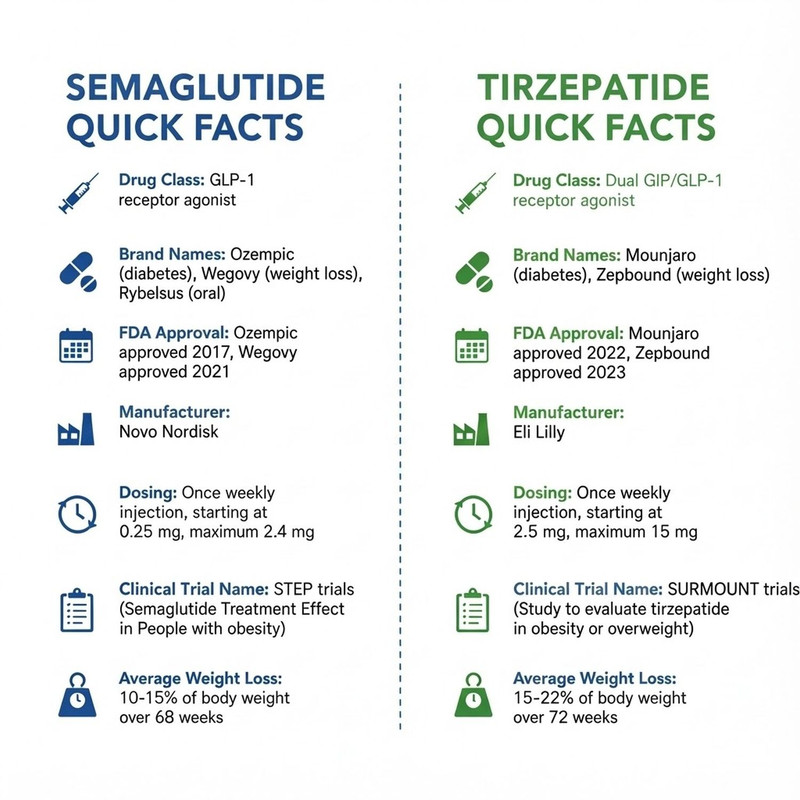
Mounjaro (for diabetes) and Zepbound (for weight loss) contain tirzepatide, a newer medication that acts on both GLP-1 and GIP receptors. Clinical trials show higher average weight loss with tirzepatide—around 22.5% versus 14.9% for semaglutide at maximum doses.
However, tirzepatide also costs more. Brand-name Mounjaro or Zepbound runs about $1,069 monthly. Compounded tirzepatide through TrimRx costs $349 per month—still more than compounded semaglutide but significantly less than brand-name options.
For a detailed comparison of effectiveness, side effects, and costs, read our complete semaglutide vs tirzepatide guide.
Ozempic vs. Traditional Weight Loss Medications
Older weight loss medications like phentermine or orlistat produce much more modest results—typically 5-10% weight loss compared to 12-15% with semaglutide. They also work through different mechanisms and carry different side effect profiles.
For a comprehensive overview of all current weight loss medication options, check out our comparison of the best weight loss medications in 2026.
Who Should Consider Ozempic for Weight Loss?
Ozempic (or compounded semaglutide) makes sense for certain people and situations:
You have obesity (BMI ≥30) or overweight (BMI ≥27) with weight-related health conditions like high blood pressure, high cholesterol, or prediabetes. These are the FDA criteria for weight loss medication use.
Traditional diet and exercise haven’t produced lasting results. If you’ve tried multiple approaches without success, medication can provide the support you need.
You’re committed to long-term treatment. Semaglutide works best when used consistently over many months. Most people regain weight when they stop the medication.
You understand this is a tool, not a magic solution. While semaglutide produces significant weight loss, combining it with healthier eating habits and increased activity leads to better outcomes.
Who Shouldn’t Use Ozempic
Avoid semaglutide if you:
- Have a personal or family history of medullary thyroid cancer
- Have Multiple Endocrine Neoplasia syndrome type 2
- Are pregnant or planning pregnancy in the near future
- Have a history of pancreatitis
- Have severe gastrointestinal disease
Your healthcare provider will evaluate whether semaglutide is safe and appropriate for your specific situation.
Tips for Maximizing Your Results on Ozempic
Getting the most from your Ozempic treatment involves more than just taking your weekly injection.
Focus on protein intake. When your appetite drops dramatically, you might naturally eat less protein. Aim for at least 0.7-1 gram per pound of your goal body weight. Adequate protein preserves muscle mass during weight loss.
Stay consistent with dosing. Take your injection the same day each week. Set a phone reminder. Consistency maintains stable medication levels and optimizes effectiveness.
Move your body regularly. You don’t need to become a gym fanatic, but regular activity helps preserve muscle mass and supports overall health. Even walking 30 minutes daily makes a difference.
Prioritize sleep. Poor sleep disrupts hunger hormones and can slow weight loss. Aim for 7-9 hours nightly.
Stay hydrated. Water helps manage side effects, supports metabolism, and prevents constipation. Keep a water bottle with you throughout the day.
Track more than just weight. Take measurements, progress photos, and note how clothes fit. Sometimes body composition changes don’t show dramatically on the scale but still represent real progress.
Work with your provider. Regular check-ins allow for dose optimization, side effect management, and ongoing support throughout your journey.
Frequently Asked Questions
How much weight can you lose on Ozempic in a month?
Weight loss varies by individual and dose level. During the first month at the starter dose (0.25 mg), expect 2-4 pounds. As doses increase, monthly weight loss typically ranges from 4-8 pounds during peak loss phases. Some people lose more, particularly those with higher starting weights. The average works out to about 1-2 pounds per week once you’re on therapeutic doses.
Is Ozempic or Wegovy better for weight loss?
They contain the same active ingredient (semaglutide), so they work identically. Wegovy goes up to 2.4 mg weekly while Ozempic maxes out at 2 mg, giving Wegovy a slight edge in potential effectiveness. However, the practical difference is minimal. The better choice often depends on insurance coverage and cost—whichever one you can access and afford consistently will produce better results.
Can I take Ozempic if I don’t have diabetes?
Doctors can prescribe Ozempic off-label for weight loss even if you don’t have diabetes, though insurance may not cover it in this situation. Compounded semaglutide through telehealth platforms provides an alternative that doesn’t require insurance or a diabetes diagnosis.
How long does it take for Ozempic to work for weight loss?
You’ll notice reduced appetite within 1-2 weeks. Visible weight loss typically starts around week 4-8, though some people see changes sooner. Significant results accumulate over months—expect to reach your maximum weight loss around month 12-16.
What happens when you stop taking Ozempic?
Most people regain much of their lost weight within 6-12 months after stopping Ozempic. The medication doesn’t permanently change your metabolism or appetite regulation. Think of it like blood pressure medication—it works while you’re taking it, but the underlying condition requires ongoing management. Many people stay on a maintenance dose indefinitely.
Does insurance cover Ozempic for weight loss?
Coverage varies dramatically. If you have type 2 diabetes, many insurance plans cover Ozempic with copays ranging from $25-$300 monthly. For weight loss without diabetes, most plans don’t cover it. Medicare specifically excludes weight loss medications. This inconsistent coverage makes compounded alternatives appealing for many people.
What foods should you avoid on Ozempic?
Fatty, greasy, and spicy foods often worsen nausea and digestive side effects. Many people find they naturally avoid these foods because they cause discomfort. High-sugar foods can still be eaten but usually lose their appeal due to the appetite suppression. Focus on protein-rich foods, vegetables, and whole grains. Listen to your body—it will tell you what it tolerates well.
Can you drink alcohol while taking Ozempic?
Alcohol isn’t prohibited with Ozempic, but moderation matters. Alcohol adds empty calories that slow weight loss, and many people find their tolerance decreases significantly on the medication. Some report feeling intoxicated more quickly or experiencing worse hangovers. Additionally, alcohol can worsen gastrointestinal side effects. If you drink, do so occasionally and in small amounts.
Is compounded semaglutide as effective as brand-name Ozempic?
Compounded semaglutide contains the same active ingredient as Ozempic, just prepared by a compounding pharmacy rather than a pharmaceutical manufacturer. When sourced from reputable FDA-registered compounding pharmacies, it provides equivalent effectiveness. The main difference is price—compounded semaglutide costs $199 monthly through TrimRx compared to $969 for brand-name Ozempic.
How do I inject Ozempic?
Ozempic comes in a pre-filled pen that makes injections straightforward. Choose an injection site (abdomen, thigh, or upper arm), clean the area with an alcohol pad, pinch the skin, insert the needle at a 90-degree angle, press the button to inject, and hold for several seconds. Most people find the process quick and relatively painless. Compounded semaglutide typically uses small insulin syringes with similar injection technique.
Ready to Start Your Weight Loss Journey?
Ozempic has helped hundreds of thousands of people achieve significant weight loss, and the same medication is now more accessible and affordable than ever through compounded alternatives.
TrimRx provides compounded semaglutide at $199 per month with comprehensive support throughout your journey. All-inclusive pricing covers consultations, medication, supplies, and ongoing medical oversight—no hidden fees or surprise charges.
Get started with a simple online consultation and take the first step toward achieving your weight loss goals with proven, effective medication and expert guidance.

Transforming Lives, One Step at a Time
Keep reading

Construction Work in Summer on a GLP-1
Summer on a job site means early starts, heavy physical work, direct sun or hot interiors, and lunch from a cooler or the back…

Colonoscopy Prep on a GLP-1
If you are on a GLP-1 and have a colonoscopy, upper endoscopy, or any procedure with sedation coming up, the single most important step…

Clergy and Community Meals on a GLP-1
For pastors, priests, rabbis, imams, chaplains, and other community leaders, food is part of the work. Potlucks, fellowship dinners, holiday meals, funeral receptions, and…


