Ozempic Eligibility: Who Qualifies for a Prescription?

You’ve heard about Ozempic’s effectiveness for diabetes management and weight loss, and you’re wondering if you qualify for a prescription. Maybe you have type 2 diabetes and want better blood sugar control, or you’re struggling with weight and wondering if Ozempic could help. Understanding eligibility criteria helps you know whether Ozempic might be appropriate for you and what to discuss with your healthcare provider.
Here’s what you need to know: Ozempic is FDA-approved for adults with type 2 diabetes to improve blood sugar control and to reduce cardiovascular risk in diabetic patients with heart disease. These are the official qualifying conditions. However, doctors frequently prescribe Ozempic off-label for weight loss in patients with obesity (BMI 30+) or overweight with weight-related health conditions (BMI 27+). Certain medical conditions disqualify people from taking Ozempic, including personal or family history of medullary thyroid carcinoma, Multiple Endocrine Neoplasia syndrome type 2, and history of severe allergic reaction to semaglutide.
This guide covers complete Ozempic eligibility information, including FDA-approved indications and who qualifies, off-label weight loss criteria, medical conditions that disqualify you, age and pregnancy considerations, the evaluation process with your doctor, and what happens during an Ozempic consultation.
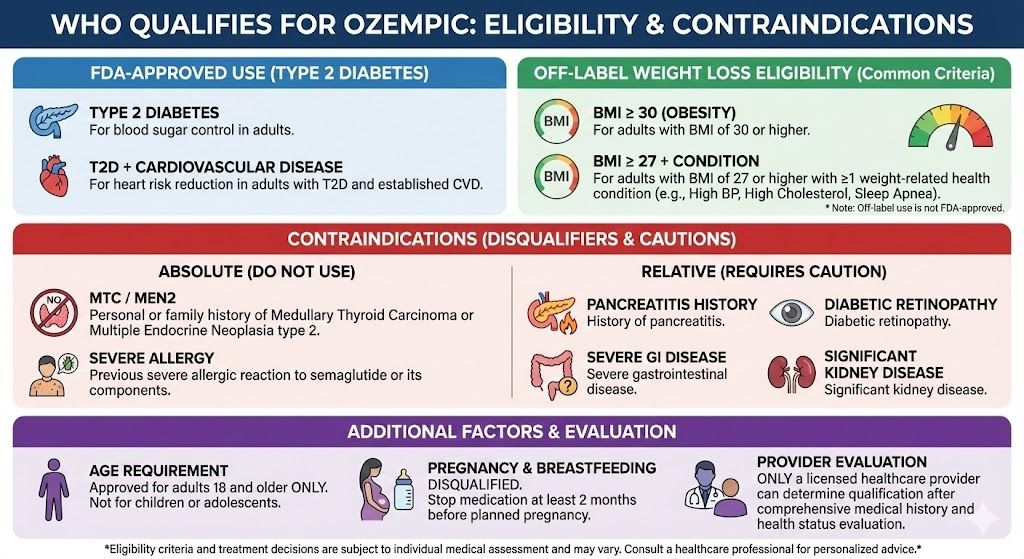
Key Takeaways: Who Qualifies for Ozempic
- FDA-approved eligibility includes adults with type 2 diabetes (for blood sugar control) and adults with type 2 diabetes plus established cardiovascular disease (for heart risk reduction).
- Off-label weight loss eligibility typically requires BMI of 30 or higher (obesity), or BMI of 27 or higher with at least one weight-related health condition like high blood pressure, high cholesterol, or sleep apnea.
- Absolute contraindications that disqualify you include personal or family history of medullary thyroid carcinoma (MTC), Multiple Endocrine Neoplasia syndrome type 2 (MEN2), and previous severe allergic reaction to semaglutide.
- Relative contraindications requiring careful evaluation include history of pancreatitis, severe gastrointestinal disease, diabetic retinopathy, and significant kidney disease.
- Age requirements specify Ozempic is approved for adults 18 and older. It is not approved for use in children or adolescents.
- Pregnancy and breastfeeding disqualify you from taking Ozempic. You should stop the medication at least 2 months before planned pregnancy.
- Only a licensed healthcare provider can determine if you qualify after evaluating your complete medical history, current health status, and treatment goals.
FDA-Approved Indications: Official Qualifying Conditions
The FDA has approved Ozempic for specific medical conditions. These are the indications where Ozempic has been rigorously studied and proven safe and effective.
Type 2 Diabetes Management
Ozempic is FDA-approved as an adjunct to diet and exercise to improve glycemic control in adults with type 2 diabetes.
You may qualify if you have a confirmed diagnosis of type 2 diabetes, your blood sugar is not adequately controlled with current treatment, you’re an adult (18 years or older), and you’re willing to combine medication with diet and exercise modifications.
Type 2 diabetes is typically diagnosed when fasting blood glucose is 126 mg/dL or higher, HbA1c is 6.5% or higher, random blood glucose is 200 mg/dL or higher with symptoms, or oral glucose tolerance test shows blood glucose of 200 mg/dL or higher at 2 hours.
If you have type 2 diabetes, Ozempic can help by stimulating insulin release when blood sugar is elevated, reducing glucagon secretion (a hormone that raises blood sugar), slowing gastric emptying to reduce post-meal blood sugar spikes, and promoting satiety to support weight loss (which improves insulin sensitivity).
Cardiovascular Risk Reduction
Ozempic is also FDA-approved to reduce the risk of major adverse cardiovascular events in adults with type 2 diabetes and established cardiovascular disease.
You may qualify for this indication if you have type 2 diabetes AND established cardiovascular disease, including history of heart attack, history of stroke, peripheral arterial disease, or other diagnosed cardiovascular conditions.
The SUSTAIN-6 trial demonstrated that Ozempic reduces the risk of heart attack, stroke, and cardiovascular death in this population. If you have both diabetes and heart disease, this dual benefit makes Ozempic particularly appropriate.
What FDA Approval Means
FDA approval indicates that Ozempic has undergone rigorous clinical trials proving safety and effectiveness for these specific conditions. When prescribed for FDA-approved indications, insurance coverage is more likely (though not guaranteed), the risk-benefit profile is well-established, and your doctor has extensive clinical data to guide treatment.
Off-Label Weight Loss: Expanded Eligibility
While Ozempic isn’t FDA-approved specifically for weight loss, doctors frequently prescribe it off-label for weight management. This is legal and common medical practice when a physician determines it’s appropriate.
BMI-Based Eligibility for Weight Loss
Most healthcare providers follow criteria similar to those established for FDA-approved weight loss medications:
BMI of 30 or higher (obesity): You may qualify for Ozempic off-label for weight loss if your BMI indicates obesity, even without weight-related health conditions.
BMI of 27 to 29.9 (overweight) with comorbidities: You may qualify if you’re overweight AND have at least one weight-related health condition.
Weight-Related Health Conditions (Comorbidities)
Conditions that may qualify you for Ozempic with a BMI of 27-29.9 include type 2 diabetes or prediabetes, hypertension (high blood pressure), dyslipidemia (high cholesterol or triglycerides), obstructive sleep apnea, cardiovascular disease, non-alcoholic fatty liver disease (NAFLD), polycystic ovary syndrome (PCOS), and osteoarthritis related to excess weight.
Having one or more of these conditions alongside overweight status strengthens the medical justification for Ozempic treatment.
Calculating Your BMI
BMI = weight (kg) / height (m)² or BMI = weight (lb) × 703 / height (in)²
Example BMI reference points:
- 5’4″ and 175 lbs = BMI 30 (obesity threshold)
- 5’9″ and 203 lbs = BMI 30 (obesity threshold)
- 6’0″ and 221 lbs = BMI 30 (obesity threshold)
Online BMI calculators can help you determine your current BMI, though your healthcare provider will calculate and verify this during evaluation.
Previous Weight Loss Attempts
Many providers consider your history of weight loss attempts when evaluating eligibility. Factors that strengthen your case include documented attempts at diet and exercise that produced inadequate results, previous participation in structured weight loss programs, history of weight cycling (losing and regaining weight), and duration of obesity or overweight status.
This history helps establish that medication intervention is appropriate rather than simply recommending lifestyle changes you’ve already tried unsuccessfully.
Why Providers Prescribe Off-Label
Doctors prescribe Ozempic off-label for weight loss because the active ingredient (semaglutide) is proven effective for weight loss in clinical trials, Wegovy (same medication at higher doses) is FDA-approved for weight loss, the risk-benefit profile is well-understood, and many patients achieve significant health improvements through weight loss.
Off-label prescribing is a legitimate medical practice when the prescriber determines it’s appropriate for the individual patient.
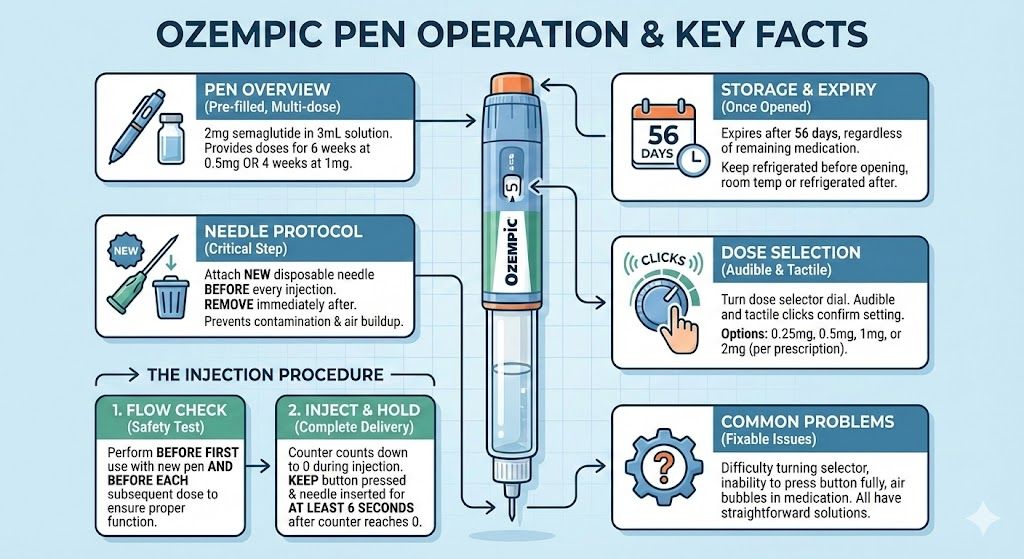
Who Should NOT Take Ozempic: Contraindications
Certain medical conditions or circumstances disqualify you from taking Ozempic. These contraindications exist because the risks outweigh potential benefits.
Absolute Contraindications
These conditions mean you should not take Ozempic under any circumstances:
Personal or family history of medullary thyroid carcinoma (MTC): Ozempic carries a boxed warning about thyroid C-cell tumors. In rodent studies, semaglutide caused thyroid tumors. While this hasn’t been confirmed in humans, anyone with personal or family history of MTC should not take Ozempic.
Multiple Endocrine Neoplasia syndrome type 2 (MEN2): This genetic condition increases risk of MTC. Patients with MEN2 should not take Ozempic.
Known hypersensitivity to semaglutide: If you’ve had a severe allergic reaction to semaglutide (the active ingredient in Ozempic, Wegovy, or Rybelsus), you should not take Ozempic. Symptoms of severe reaction include anaphylaxis, angioedema, or severe skin reactions.
Relative Contraindications
These conditions require careful evaluation. Ozempic may still be appropriate, but your provider needs to weigh risks and benefits carefully:
History of pancreatitis: Ozempic has been associated with pancreatitis in some patients. If you have a history of pancreatitis, your provider will carefully consider whether the benefits outweigh risks. You should not take Ozempic if you have active pancreatitis.
Severe gastrointestinal disease: Conditions like gastroparesis, inflammatory bowel disease, or severe GERD may be worsened by Ozempic’s effects on gastric emptying. Your provider will evaluate whether Ozempic is appropriate.
Diabetic retinopathy: Some studies suggest rapid blood sugar improvement can temporarily worsen diabetic retinopathy. If you have diabetic retinopathy, your provider may recommend ophthalmologic monitoring.
Significant kidney disease: While Ozempic isn’t primarily eliminated through the kidneys, dehydration from nausea and vomiting can worsen kidney function. Patients with kidney disease need careful monitoring.
History of depression or suicidal thoughts: While not a contraindication, some patients report mood changes on GLP-1 medications. Your provider should know your mental health history.
Medication Interactions
Ozempic can interact with other medications, affecting eligibility or requiring dose adjustments:
Insulin and sulfonylureas: Combining with Ozempic increases hypoglycemia (low blood sugar) risk. Doses may need reduction.
Oral medications: Because Ozempic slows gastric emptying, absorption of oral medications may be affected. Timing adjustments might be needed.
Your provider will review all current medications to identify potential interactions.
Age Requirements and Special Populations
Age and certain life circumstances affect Ozempic eligibility.
Adult Use (18+)
Ozempic is FDA-approved for adults 18 years and older. There is no upper age limit, though elderly patients may need more careful monitoring due to increased risk of dehydration and hypoglycemia.
Pediatric Use
Ozempic is not approved for use in children or adolescents under 18. The safety and effectiveness in pediatric populations have not been established. If you’re seeking weight loss treatment for a minor, discuss age-appropriate options with a pediatric specialist.
Pregnancy
Ozempic is contraindicated during pregnancy. The medication is classified as pregnancy category unknown, meaning adequate studies in pregnant humans haven’t been conducted. Animal studies showed adverse effects on fetal development.
If you’re pregnant, planning to become pregnant, or discover you’re pregnant while taking Ozempic, you should discontinue the medication immediately and contact your healthcare provider.
You should stop Ozempic at least 2 months before planned pregnancy due to the medication’s long half-life (approximately 1 week).
Breastfeeding
It’s not known whether semaglutide passes into breast milk. Due to potential risks to nursing infants, Ozempic is generally not recommended during breastfeeding. Discuss alternatives with your healthcare provider if you’re breastfeeding or planning to breastfeed.
Fertility
There’s no established evidence that Ozempic affects fertility in humans. However, if you’re actively trying to conceive, discuss the timing of medication use with your provider given the 2-month washout period recommended before pregnancy.
Elderly Patients
Older adults can take Ozempic, but may need additional monitoring for dehydration (nausea and vomiting can cause fluid loss), hypoglycemia (especially if also taking insulin or sulfonylureas), kidney function changes, and overall tolerance of side effects.
Starting at lower doses and titrating slowly may be particularly important for elderly patients.
The Qualification Process: What to Expect
Understanding the evaluation process helps you prepare for your appointment and increases the likelihood of a productive consultation.
Initial Consultation
Your healthcare provider will conduct a comprehensive evaluation including:
Medical history review: Your provider will ask about current and past medical conditions, family history (especially thyroid cancer, pancreatitis, diabetes), previous weight loss attempts, current medications and supplements, and allergies and previous medication reactions.
Physical examination: This typically includes weight and height measurement (to calculate BMI), blood pressure measurement, general physical assessment, and potentially thyroid examination.
Laboratory tests: Depending on your situation, your provider may order HbA1c (if evaluating for diabetes), fasting glucose, lipid panel (cholesterol and triglycerides), kidney function tests, liver function tests, and thyroid function tests.
Questions Your Provider Will Ask
Be prepared to discuss why you’re interested in Ozempic (diabetes management, weight loss, or both), what other treatments you’ve tried, your diet and exercise habits, your weight history over time, any symptoms you’re experiencing, and your goals for treatment.
Questions You Should Ask
Consider asking your provider do I meet the criteria for Ozempic, what are the risks specific to my situation, what side effects should I watch for, how will we monitor my progress, what happens if Ozempic doesn’t work for me, and how long will I need to take this medication?
Documentation You May Need
Bring to your appointment a list of all current medications, previous medical records (if seeing a new provider), documentation of previous weight loss attempts, recent lab results (if available), and insurance information (if seeking coverage).
After Evaluation
If your provider determines you qualify, they’ll discuss the treatment plan including starting dose and titration schedule, expected timeline for results, side effect management strategies, follow-up appointment schedule, and whether additional monitoring is needed.
If you don’t qualify for Ozempic, your provider should explain why and discuss alternative treatments that may be appropriate.
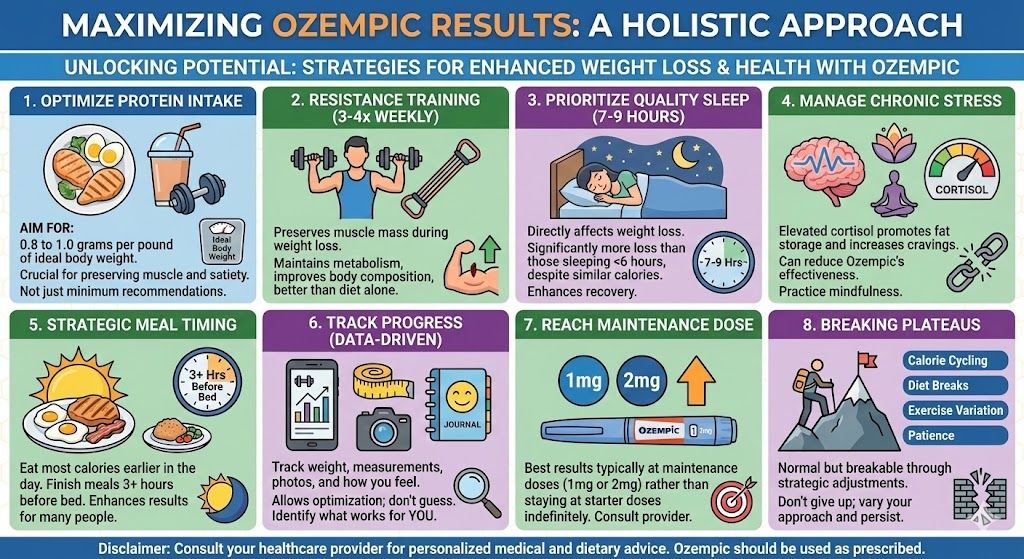
Getting Prescribed: Your Options
Several pathways exist for obtaining an Ozempic prescription if you qualify.
Primary Care Provider
Your regular doctor can prescribe Ozempic if they’re comfortable managing GLP-1 medications. Advantages include established relationship and access to your medical history, coordination with your overall care, and ongoing monitoring as part of regular visits.
If your primary care provider doesn’t prescribe Ozempic, ask for a referral to an appropriate specialist.
Endocrinologist
Endocrinologists specialize in hormonal conditions including diabetes and may be particularly appropriate if you have type 2 diabetes with complex management needs, other hormonal conditions, or complications requiring specialist oversight.
Some insurance plans require or prefer specialist prescription for Ozempic coverage.
Obesity Medicine Specialist
For patients primarily seeking weight loss, obesity medicine specialists focus specifically on medical weight management. They’re experienced with GLP-1 medications for weight loss, comprehensive weight management strategies, and the unique challenges of long-term weight management.
Telehealth Platforms
Many telehealth services now offer Ozempic consultations and prescriptions. Advantages include convenience and accessibility, often faster appointment availability, and comfort of evaluation from home.
Telehealth providers can prescribe Ozempic or compounded semaglutide and often coordinate directly with pharmacies for medication delivery.
TrimRx provides comprehensive medical evaluation, ongoing support, and access to compounded semaglutide at $199 monthly for qualifying patients.
What Disqualifies Telehealth Evaluation
Telehealth may not be appropriate if you have complex medical conditions requiring in-person examination, need lab work that can’t be completed independently, prefer face-to-face interaction for medical decisions, or have conditions requiring physical examination findings.
Qualifying vs Getting Insurance Coverage
It’s important to understand that qualifying medically for Ozempic is different from qualifying for insurance coverage.
Medical Qualification
Medical qualification means your healthcare provider has determined Ozempic is safe and appropriate for your specific situation based on your health conditions, medical history, and treatment goals.
Insurance Qualification
Insurance qualification means your insurance plan will cover Ozempic based on their specific criteria, which typically include FDA-approved indication (type 2 diabetes), completion of step therapy (trying other medications first), prior authorization approval, and specific clinical criteria (HbA1c levels, BMI thresholds, etc.).
When They Don’t Align
You might medically qualify for Ozempic but not qualify for insurance coverage if you want it for weight loss (off-label) but your plan only covers diabetes use, you haven’t tried medications your insurance requires first (step therapy), your HbA1c isn’t high enough to meet insurance criteria, or your plan excludes GLP-1 medications entirely.
Options When Insurance Won’t Cover
If you medically qualify but insurance won’t cover Ozempic, you can use cash-pay pricing at $349 monthly through NovoCare Pharmacy, access compounded semaglutide at $199 monthly, appeal the insurance decision with additional documentation, or ask about alternative medications your insurance might cover.
Our guide to getting Ozempic covered by insurance covers the approval process in detail.
Special Considerations for Different Groups
Certain populations have unique considerations for Ozempic eligibility.
Patients with Type 1 Diabetes
Ozempic is not approved for type 1 diabetes. Type 1 diabetes involves autoimmune destruction of insulin-producing cells, requiring insulin replacement. While some providers use GLP-1 medications as adjunct therapy in type 1 diabetes, this is off-label and requires careful specialist supervision due to increased risk of diabetic ketoacidosis.
Patients with Prediabetes
Prediabetes (HbA1c 5.7-6.4%) isn’t an FDA-approved indication for Ozempic, but some providers prescribe it off-label to prevent progression to type 2 diabetes, especially in patients with additional risk factors. Insurance coverage for prediabetes use is uncommon.
Patients with Normal Weight Seeking Weight Loss
Ozempic is not intended for patients with normal BMI (under 25) seeking cosmetic weight loss. Healthcare providers should not prescribe Ozempic to patients who don’t meet medical criteria for treatment. Using Ozempic without medical indication creates unnecessary risk without appropriate benefit.
Patients Who’ve Had Bariatric Surgery
Patients with history of bariatric surgery may still qualify for Ozempic, but require special consideration. The altered gastrointestinal anatomy can affect medication absorption and tolerability. Discuss your surgical history thoroughly with your provider.
Patients on Other Weight Loss Medications
Combining Ozempic with other weight loss medications isn’t typically recommended due to limited safety data. If you’re currently taking weight loss medications, discuss transitioning to Ozempic rather than adding it to existing treatment.
Frequently Asked Questions
What BMI do you need to qualify for Ozempic?
There’s no specific BMI requirement for Ozempic when prescribed for its FDA-approved indication of type 2 diabetes. If you have type 2 diabetes, you may qualify regardless of your BMI. For off-label weight loss use, most providers follow criteria requiring BMI of 30 or higher (obesity), or BMI of 27 or higher with at least one weight-related health condition such as high blood pressure, high cholesterol, sleep apnea, prediabetes, or cardiovascular disease. These criteria mirror those established for FDA-approved weight loss medications and ensure that patients receiving Ozempic for weight loss have sufficient medical justification. Your healthcare provider ultimately determines whether you qualify based on your complete medical picture, not just BMI alone.
Can you get Ozempic just for weight loss?
Yes, doctors frequently prescribe Ozempic off-label for weight loss even in patients without type 2 diabetes. However, you must meet certain criteria to qualify. Most providers require obesity (BMI 30+) or overweight with comorbidities (BMI 27+ with conditions like high blood pressure, high cholesterol, or sleep apnea). You’ll also typically need documented previous attempts at diet and exercise. While off-label prescribing is legal and common, insurance rarely covers Ozempic for weight loss without a diabetes diagnosis. Patients seeking Ozempic for weight loss often pay through cash-pay pricing ($349 monthly) or use compounded semaglutide ($199 monthly). If your primary goal is weight loss, you might also ask about Wegovy, which is semaglutide specifically FDA-approved for weight management.
Who should not take Ozempic?
You should not take Ozempic if you have a personal or family history of medullary thyroid carcinoma (MTC), Multiple Endocrine Neoplasia syndrome type 2 (MEN2), or previous severe allergic reaction to semaglutide. You should also avoid Ozempic if you’re pregnant, planning to become pregnant within 2 months, or breastfeeding. Conditions requiring careful evaluation before starting Ozempic include history of pancreatitis, severe gastrointestinal disease, diabetic retinopathy, and significant kidney disease. Your provider will weigh risks and benefits for these conditions. Additionally, Ozempic is not approved for type 1 diabetes or for patients under 18 years old. Always disclose your complete medical history to your healthcare provider so they can determine if Ozempic is safe for your specific situation.
Can I qualify for Ozempic if I don’t have diabetes?
Yes, you can qualify for Ozempic without diabetes if you meet criteria for off-label weight loss treatment. Most healthcare providers will consider prescribing Ozempic to non-diabetic patients who have obesity (BMI of 30 or higher), or who have overweight (BMI 27-29.9) with at least one weight-related health condition like hypertension, dyslipidemia, sleep apnea, or prediabetes. Previous unsuccessful attempts at diet and exercise often strengthen your case. However, insurance typically won’t cover Ozempic for patients without diabetes, so you’ll likely need to pay out of pocket through cash-pay pricing ($349 monthly through NovoCare) or access compounded semaglutide ($199 monthly). Your healthcare provider will evaluate your complete health picture to determine if Ozempic is appropriate for you.
How do I get evaluated for Ozempic?
To get evaluated for Ozempic, schedule an appointment with a healthcare provider who can prescribe the medication. This can be your primary care doctor, an endocrinologist, an obesity medicine specialist, or a telehealth provider. During your evaluation, expect questions about your medical history, current medications, weight loss attempts, and treatment goals. Your provider will check your weight, height, and blood pressure, and may order lab tests including HbA1c, glucose, lipid panel, and kidney function. Bring documentation of previous weight loss attempts and a list of all medications you take. The provider will determine if you meet eligibility criteria and whether Ozempic is safe for your specific situation. If you qualify, they’ll explain the treatment plan including dosing, side effects to watch for, and follow-up schedule.
Can teenagers or children take Ozempic?
No, Ozempic is not approved for use in patients under 18 years old. The safety and effectiveness of Ozempic in pediatric populations have not been established through clinical trials. If you’re seeking weight management treatment for a child or teenager, discuss age-appropriate options with a pediatric specialist or pediatric endocrinologist. Some weight loss medications are approved for adolescents, and lifestyle interventions remain the foundation of pediatric weight management. The decision to use any medication for weight loss in minors requires careful consideration of risks, benefits, and developmental factors by specialists experienced in pediatric care.
Do I need to try other medications before qualifying for Ozempic?
For medical qualification, you don’t necessarily need to try other medications first—your healthcare provider determines eligibility based on your individual situation. However, for insurance coverage, most plans require “step therapy,” meaning you must try and fail (or have contraindications to) less expensive medications before they’ll cover Ozempic. For diabetes, this typically means trying metformin first. Your provider can document why step therapy medications aren’t appropriate if you have contraindications (allergies, intolerances, medical reasons certain medications aren’t safe). If you’re paying out of pocket through cash-pay pricing or compounded semaglutide, step therapy requirements don’t apply because insurance isn’t involved in the decision.
Can I qualify for Ozempic if I’ve had weight loss surgery?
Yes, patients with history of bariatric surgery can potentially qualify for Ozempic, though your provider will carefully evaluate your specific situation. Considerations include the type of surgery you had (gastric bypass, sleeve gastrectomy, etc.), how the altered anatomy might affect medication absorption and tolerability, your current weight and whether additional weight loss is medically appropriate, and any nutritional deficiencies or complications from surgery. Ozempic may be appropriate for patients who’ve had bariatric surgery and experienced weight regain or insufficient weight loss. However, the combination of surgical anatomy changes and Ozempic’s effects on gastric emptying requires monitoring. Be sure to discuss your complete surgical history with your healthcare provider.
What lab tests are needed to qualify for Ozempic?
The specific lab tests required depend on your reason for taking Ozempic and your provider’s assessment. Common tests include HbA1c (to evaluate blood sugar control and diagnose diabetes), fasting glucose, lipid panel (cholesterol and triglycerides), kidney function tests (creatinine, eGFR), liver function tests, and thyroid function tests. For diabetes patients, HbA1c is particularly important as it confirms diagnosis and establishes baseline for monitoring improvement. Your provider may also check vitamin B12 levels since long-term GLP-1 use may affect B12 absorption. Not all patients need extensive testing—your provider will determine what’s necessary based on your medical history and the indication for treatment. If recent labs are available from another provider, bring those records to potentially avoid repeat testing.
Is there an age limit for taking Ozempic?
Ozempic is approved for adults 18 years and older, with no upper age limit. Elderly patients can take Ozempic but may require additional monitoring and consideration. Older adults may be more susceptible to dehydration from nausea and vomiting, hypoglycemia (especially if taking insulin or sulfonylureas), and kidney function changes. Starting at lower doses and titrating more slowly may be appropriate for elderly patients. Your healthcare provider will consider your overall health status, other medications, kidney function, and ability to manage potential side effects when determining if Ozempic is appropriate. Age alone doesn’t disqualify you, but the complete picture of your health matters.
Determining Your Eligibility
Ozempic eligibility depends on having qualifying medical conditions (type 2 diabetes or meeting criteria for off-label weight loss use), not having contraindications that make the medication unsafe, being an adult who isn’t pregnant or breastfeeding, and receiving evaluation from a licensed healthcare provider.
If you have type 2 diabetes, you’re likely a good candidate for Ozempic, as this is its primary FDA-approved indication. The medication can improve blood sugar control while also helping with weight management, providing dual benefits.
If you’re seeking Ozempic primarily for weight loss without diabetes, you can still qualify if you meet BMI criteria (30+ or 27+ with comorbidities) and don’t have contraindications. However, be prepared that insurance likely won’t cover off-label use, making cash-pay options or compounded alternatives your most practical paths to treatment.
The most important step is consulting with a healthcare provider who can evaluate your complete medical picture. They’ll determine whether Ozempic is safe and appropriate for your specific situation, considering factors that can’t be assessed through general eligibility criteria alone.
Whether you work with your primary care doctor, a specialist, or a telehealth provider, proper medical evaluation ensures you receive appropriate treatment while minimizing risks. Once you qualify, your provider will guide you through the treatment process, including proper dosing, what to eat, and how to maximize your results.
Get started with a comprehensive medical evaluation through TrimRx, where licensed providers can determine your eligibility and provide access to compounded semaglutide at $199 monthly or compounded tirzepatide at $349 monthly for qualifying patients. Effective GLP-1 treatment is accessible to those who medically qualify, regardless of insurance coverage status.

Transforming Lives, One Step at a Time
Keep reading

Celebrating Ganesh Chaturthi on Ozempic
Ganesh Chaturthi welcomes Ganpati into homes and community pandals for a festival that lasts from a day and a half to ten days, usually…

Celebrating Durga Puja on Ozempic
For Bengali families, Durga Puja is the biggest celebration of the year. Over several days in autumn, people visit pandals to see the goddess,…

A Derby Day Party on Ozempic
On the first Saturday in May, people across the country throw parties for a horse race that lasts about two minutes. Derby Day parties…


