Saxenda vs Ozempic: Comparing GLP-1 Weight Loss Medications

Saxenda and Ozempic are both GLP-1 receptor agonists, meaning they work through the same fundamental mechanism. Yet despite belonging to the same drug class, these medications produce meaningfully different results. If you’re considering a GLP-1 medication for weight loss, understanding how these two options compare helps you make an informed choice.
The key differences: Saxenda (liraglutide) was the first GLP-1 medication approved specifically for weight loss and requires daily injections. Ozempic (semaglutide) arrived later, produces substantially greater weight loss, and requires only weekly injections. While both medications activate GLP-1 receptors to reduce appetite and enhance satiety, semaglutide is simply a more potent and longer-acting molecule.
The numbers tell the story clearly. Clinical trials show semaglutide produces approximately 15% average weight loss compared to 5-8% with liraglutide. For someone weighing 220 pounds, that’s the difference between losing roughly 33 pounds versus 11-18 pounds. Given similar side effect profiles and the convenience advantage of weekly versus daily dosing, semaglutide has largely superseded liraglutide as the preferred GLP-1 option for most patients.
Still, Saxenda remains available and may have a role for specific patients. This guide provides a comprehensive comparison to help you understand your options.
This guide covers:
- How both medications work (same class, different molecules)
- Weight loss effectiveness: what the research shows
- Dosing schedules and administration differences
- Side effect comparison
- Cardiovascular and metabolic benefits
- Cost and insurance considerations
- Who might still consider Saxenda
- Making the transition from Saxenda to semaglutide
Key Takeaways
- Both are GLP-1 receptor agonists working through the same fundamental mechanism to reduce appetite and enhance satiety
- Semaglutide produces roughly twice the weight loss (15% average) compared to liraglutide (5-8% average)
- Dosing convenience favors semaglutide: Weekly injection versus daily injection with Saxenda
- Side effects are similar since both work through GLP-1 pathways (primarily gastrointestinal)
- Saxenda is FDA-approved for weight loss; Ozempic is approved for diabetes (Wegovy is the weight-loss-approved semaglutide)
- Both have cardiovascular outcome data, though semaglutide’s is stronger
- Cost is comparable at cash-pay prices, though insurance coverage varies
- Semaglutide has largely replaced liraglutide as the preferred GLP-1 for weight loss
- Switching from Saxenda to semaglutide is straightforward and commonly done
- For most patients, semaglutide is the better choice due to greater effectiveness and dosing convenience
Understanding the GLP-1 Class
Before comparing these specific medications, understanding the GLP-1 class explains why they share similarities while differing in potency.
What GLP-1 Medications Do
GLP-1 (glucagon-like peptide-1) is a hormone naturally produced in the gut after eating. It signals satiety to the brain and helps regulate blood sugar. GLP-1 medications are synthetic versions designed to activate these same pathways more powerfully and persistently.
Appetite effects:
- Act on brain regions controlling hunger and fullness
- Reduce appetite between meals
- Enhance feelings of satisfaction after eating
- Decrease food preoccupation and cravings
Gastric effects:
- Slow stomach emptying
- Prolong feelings of fullness
- Reduce the volume of food needed to feel satisfied
Metabolic effects:
- Improve insulin secretion (glucose-dependent)
- Reduce glucagon release
- Improve insulin sensitivity
Both Saxenda and Ozempic work through these mechanisms. The difference lies in how effectively and persistently each medication activates GLP-1 receptors.
Liraglutide vs Semaglutide: The Molecular Difference
Liraglutide (Saxenda):
- First-generation GLP-1 agonist for weight loss
- Approximately 97% amino acid similarity to natural GLP-1
- Half-life of approximately 13 hours
- Requires daily injection to maintain blood levels
Semaglutide (Ozempic, Wegovy):
- Second-generation GLP-1 agonist
- Modified structure for greater potency and longer action
- Half-life of approximately 7 days
- Weekly injection maintains stable blood levels
The structural modifications in semaglutide make it bind more effectively to GLP-1 receptors and resist breakdown longer. This explains both its greater effectiveness and more convenient dosing schedule.
Why the Difference Matters
The practical implications of these molecular differences:
Greater appetite suppression: Semaglutide produces more profound and consistent appetite reduction, leading to greater caloric deficit and weight loss.
More stable blood levels: Weekly dosing with semaglutide maintains consistent receptor activation. Daily liraglutide creates more fluctuation in blood levels.
Better adherence: Taking one injection weekly is easier to remember and maintain than daily injections.
Similar safety: Both medications have similar side effect profiles since they work through the same pathway.
Weight Loss Effectiveness
The clinical data shows a clear effectiveness advantage for semaglutide.
Saxenda (Liraglutide) Weight Loss Results
Saxenda’s effectiveness was established in the SCALE trials:
SCALE Obesity and Prediabetes trial:
- Average weight loss: 8.0% of body weight at 56 weeks (vs. 2.6% placebo)
- 63% of participants lost at least 5%
- 33% lost at least 10%
- Approximately 14% lost 15% or more
What this means practically: For someone weighing 220 pounds:
- Average result: 18 pounds lost (reaching 202 pounds)
- Good responder: 22-33 pounds lost (reaching 187-198 pounds)
- Excellent responder (uncommon): 33+ pounds lost
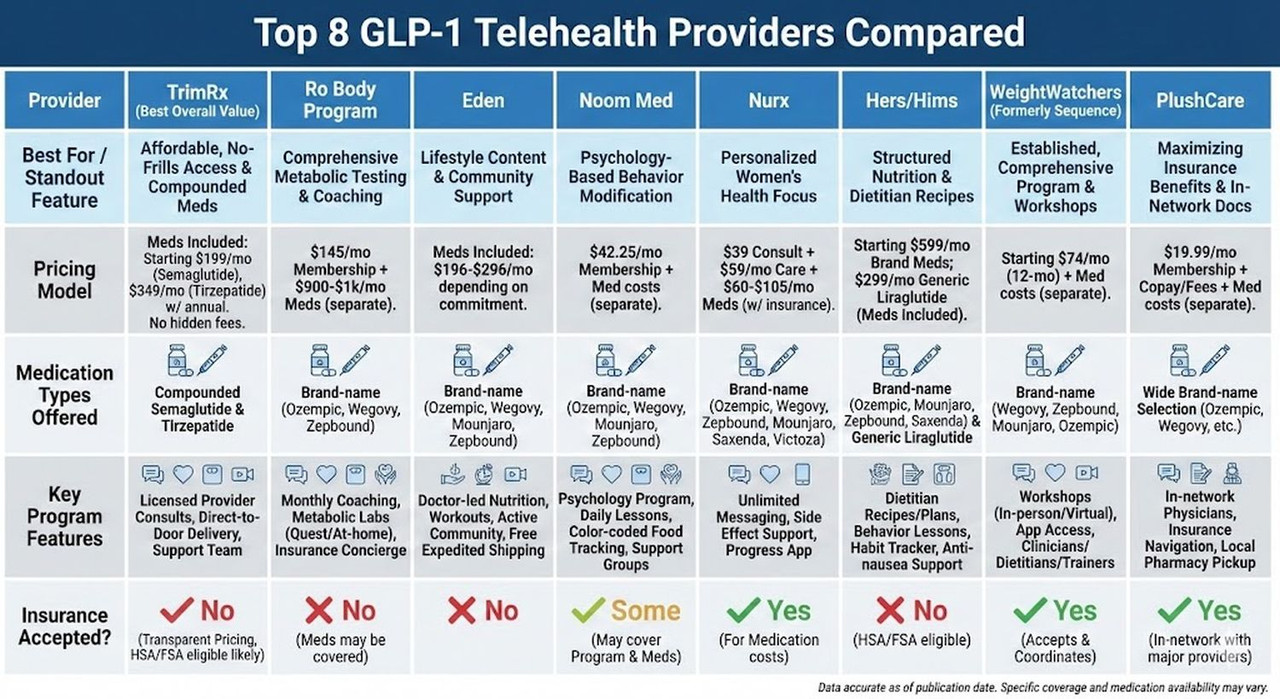
Ozempic/Wegovy (Semaglutide) Weight Loss Results
Semaglutide’s effectiveness was established in the STEP trials:
STEP 1 trial (semaglutide 2.4mg):
- Average weight loss: 14.9% of body weight at 68 weeks (vs. 2.4% placebo)
- 86% of participants lost at least 5%
- 69% lost at least 10%
- 50% lost at least 15%
- 32% lost at least 20%
What this means practically: For someone weighing 220 pounds:
- Average result: 33 pounds lost (reaching 187 pounds)
- Good responder: 44 pounds lost (reaching 176 pounds)
- Excellent responder: 55+ pounds lost (reaching 165 pounds or lower)
For detailed results, see our guide on Ozempic weight loss results.
Head-to-Head Comparison
| Metric | Saxenda (Liraglutide) | Ozempic/Wegovy (Semaglutide) |
| Average % weight loss | 5-8% | 15% |
| Pounds lost (220 lb start) | 11-18 lbs | 33 lbs |
| Patients losing 5%+ | ~63% | ~86% |
| Patients losing 10%+ | ~33% | ~69% |
| Patients losing 15%+ | ~14% | ~50% |
| Patients losing 20%+ | <10% | ~32% |
The difference is approximately two to three times greater weight loss with semaglutide across all metrics.
Direct Comparison Studies
While large head-to-head trials specifically comparing these medications for weight loss are limited, the SUSTAIN 10 trial compared them for diabetes:
SUSTAIN 10 results:
- Semaglutide 1mg vs. liraglutide 1.2mg in Type 2 diabetes
- Weight loss: 5.8 kg with semaglutide vs. 1.9 kg with liraglutide
- HbA1c reduction also greater with semaglutide
This direct comparison confirms semaglutide’s superiority, though it used diabetes doses rather than weight loss doses.
Why Such Different Results?
Both medications work through the same GLP-1 pathway. Why does semaglutide produce nearly twice the weight loss?
Greater receptor binding: Semaglutide binds more effectively to GLP-1 receptors, producing stronger signaling.
Longer duration: The week-long half-life means receptors are consistently activated rather than experiencing daily fluctuation.
Higher effective doses: The dosing regimen allows for greater total GLP-1 receptor activation.
More consistent appetite suppression: Stable blood levels produce more consistent appetite reduction.
Dosing and Administration
The dosing schedules represent a significant practical difference.
Saxenda Dosing
Saxenda requires daily subcutaneous injection:
Titration schedule:
| Week | Daily Dose |
| Week 1 | 0.6mg |
| Week 2 | 1.2mg |
| Week 3 | 1.8mg |
| Week 4 | 2.4mg |
| Week 5+ | 3.0mg (maintenance) |
Administration:
- Inject once daily at any time
- Consistent timing recommended
- Abdomen, thigh, or upper arm injection sites
- Rotate sites to prevent irritation
Practical burden:
- 365 injections per year
- Must remember daily
- More needle/supply use
- Higher chance of missed doses
Semaglutide Dosing
Semaglutide requires weekly subcutaneous injection:
Titration schedule (Wegovy doses):
| Weeks | Weekly Dose |
| Weeks 1-4 | 0.25mg |
| Weeks 5-8 | 0.5mg |
| Weeks 9-12 | 1.0mg |
| Weeks 13-16 | 1.7mg |
| Week 17+ | 2.4mg (maintenance) |
Administration:
- Inject once weekly on the same day each week
- Any time of day
- Same injection sites as Saxenda
- Rotate sites
Practical burden:
- 52 injections per year
- Weekly reminder easier than daily
- Less needle/supply use
- Better adherence typically
Dosing Comparison
| Factor | Saxenda | Semaglutide |
| Frequency | Daily | Weekly |
| Injections per year | 365 | 52 |
| Time to maintenance dose | 5 weeks | 17 weeks |
| Dose timing flexibility | Any time daily | Any day weekly |
| Missed dose protocol | Skip if close to next dose | Take within 5 days |
Impact on Adherence
Research consistently shows better adherence with weekly versus daily medications:
Daily dosing challenges:
- Easier to forget
- More disruption to routines
- Higher cumulative burden
- Greater chance of inconsistent dosing
Weekly dosing advantages:
- Easier to remember one day
- Less intrusion on daily life
- Can establish reliable routine
- Fewer opportunities to miss doses
Better adherence translates to better real-world results. The convenience advantage of weekly dosing likely contributes to semaglutide’s superior outcomes in practice.
Side Effect Comparison
Since both medications work through the same GLP-1 pathway, their side effect profiles are similar.
Common Side Effects
Both medications cause primarily gastrointestinal effects:
Saxenda common side effects:
- Nausea (39%)
- Diarrhea (21%)
- Constipation (19%)
- Vomiting (16%)
- Injection site reactions (14%)
- Headache (14%)
- Dyspepsia (10%)
Semaglutide common side effects:
- Nausea (44%)
- Diarrhea (30%)
- Vomiting (24%)
- Constipation (24%)
- Abdominal pain (20%)
- Headache (14%)
- Fatigue (11%)
Side Effect Comparison Table
| Side Effect | Saxenda | Semaglutide |
| Nausea | 39% | 44% |
| Diarrhea | 21% | 30% |
| Vomiting | 16% | 24% |
| Constipation | 19% | 24% |
| Abdominal pain | — | 20% |
| Headache | 14% | 14% |
Interpreting the Numbers
Semaglutide appears to have higher rates of GI side effects in clinical trials. However, context matters:
Higher dose, higher effect: Semaglutide’s greater efficacy likely comes with proportionally more GI effects. The ratio of benefit to side effects may be similar.
Titration matters: Both medications start at low doses and increase gradually. Proper titration minimizes side effect severity with either medication.
Time course: GI effects with both medications typically peak during dose increases and improve over weeks to months.
Discontinuation rates: Despite higher absolute side effect rates, discontinuation due to adverse events is similar between medications (approximately 5-7% in trials).
Serious Risks
Both medications carry similar serious but rare risks:
Pancreatitis: Can occur with either medication. Severe abdominal pain requires immediate medical attention.
Gallbladder disease: Weight loss increases gallstone risk regardless of method. Both medications can contribute.
Thyroid concerns: Animal studies showed thyroid tumors with both medications. Human risk is uncertain. Both are contraindicated with personal/family history of medullary thyroid carcinoma or MEN2.
Hypoglycemia: Low risk with either medication when used alone. Risk increases if combined with insulin or sulfonylureas.
Managing Side Effects
The same strategies work for both medications:
- Follow the titration schedule carefully
- Eat smaller, more frequent meals
- Avoid fatty, greasy foods
- Stay well hydrated
- Eat slowly and stop when satisfied
- Consider slower titration if effects are severe
Cardiovascular and Metabolic Effects
Both medications offer benefits beyond weight loss, though semaglutide’s evidence is stronger.
Cardiovascular Outcomes
Liraglutide (LEADER trial):
- 13% reduction in major adverse cardiovascular events (MACE) in patients with Type 2 diabetes and high cardiovascular risk
- Statistically significant cardiovascular protection
Semaglutide (SELECT trial):
- 20% reduction in MACE in patients with obesity and established cardiovascular disease
- Studied specifically for cardiovascular outcomes in obesity (not just diabetes)
Both medications provide cardiovascular protection, but semaglutide’s evidence is more recent, more robust, and specifically applicable to patients with obesity regardless of diabetes status.
Blood Sugar Effects
Both medications improve glucose metabolism:
Liraglutide:
- HbA1c reduction of 0.5-1.0% at weight loss doses
- Originally developed for diabetes (Victoza)
- Modest glucose benefits at Saxenda doses
Semaglutide:
- HbA1c reduction of 1.0-1.8% at diabetes doses
- Greater glucose improvement than liraglutide
- Significant benefit for prediabetes and diabetes
For patients with diabetes or prediabetes, semaglutide provides greater metabolic benefit.
Blood Pressure and Lipids
Both medications produce similar improvements in cardiovascular risk factors:
Blood pressure:
- Both typically reduce systolic BP by 3-6 mmHg
- Effects are similar between medications
Lipids:
- Both reduce triglycerides
- Modest effects on LDL cholesterol
- Similar lipid improvements
Metabolic Comparison
| Factor | Saxenda | Semaglutide |
| CV event reduction | 13% | 20% |
| HbA1c reduction | 0.5-1.0% | 1.0-1.8% |
| Blood pressure | Reduces 3-6 mmHg | Reduces 4-6 mmHg |
| Lipid effects | Modest improvement | Modest improvement |
Cost and Insurance
Cost considerations may influence medication choice for some patients.
Saxenda Costs
List price: Approximately $1,350/month
Manufacturer savings program: May reduce cost to $150-200/month for eligible patients
With insurance: Variable; typically $30-150/month if covered
Cash-pay options: $1,200-1,350/month without discounts
Semaglutide Costs
Brand-name list price:
- Ozempic: ~$1,000/month
- Wegovy: ~$1,350/month
Manufacturer cash-pay (NovoCare): $349/month for either formulation
Compounded semaglutide: $199/month through TrimRx
With insurance: Variable; $25-100/month if covered
For detailed pricing, see our guide on compounded semaglutide costs.
Cost Comparison Table
| Factor | Saxenda | Semaglutide |
| List price | ~$1,350/month | ~$1,000-1,350/month |
| Best cash price | ~$150-200/month (savings) | $199/month (compounded) |
| With insurance | $30-150/month | $25-100/month |
| Annual cost (best case) | $1,800-2,400 | $2,388 (compounded) |
Insurance Coverage
Saxenda:
- FDA-approved for weight loss
- Some plans cover with prior authorization
- May have quantity limits or step therapy requirements
Ozempic:
- FDA-approved for diabetes, not weight loss
- Often covered for diabetic patients
- Rarely covered for weight loss alone
Wegovy:
- FDA-approved for weight loss
- Coverage varies widely
- Many plans exclude weight loss medications
Cost Efficiency
When comparing cost per outcome:
Saxenda: At $200/month for 12 months ($2,400) producing 15-18 pounds loss = ~$133-160 per pound lost
Semaglutide: At $199/month for 12 months ($2,388) producing 30-35 pounds loss = ~$68-80 per pound lost
Semaglutide provides substantially better value when considering weight loss achieved per dollar spent.
FDA Approvals and Indications
Understanding the regulatory landscape helps clarify how these medications are positioned.
Saxenda (Liraglutide)
FDA approval: 2014 for chronic weight management
Indicated population:
- Adults with BMI ≥30, OR
- Adults with BMI ≥27 with at least one weight-related condition
Also available as: Victoza (lower dose, approved for Type 2 diabetes)
Ozempic (Semaglutide)
FDA approval: 2017 for Type 2 diabetes
Indicated population:
- Adults with Type 2 diabetes as adjunct to diet and exercise
Not approved for: Weight loss (though commonly prescribed off-label)
Wegovy (Semaglutide)
FDA approval: 2021 for chronic weight management
Indicated population:
- Adults with BMI ≥30, OR
- Adults with BMI ≥27 with at least one weight-related condition
- Adolescents aged 12+ with obesity
Same medication as Ozempic: Different dosing and FDA indication
Practical Implications
The regulatory distinctions matter for:
Insurance coverage: Medications are often covered only for their approved indications. Ozempic may be covered for diabetes but not weight loss; Wegovy may be covered for weight loss if the plan includes such coverage.
Prescribing: Providers may be more comfortable prescribing medications for approved indications.
Compounded semaglutide: Contains the same active ingredient as both Ozempic and Wegovy, bypassing some of the brand-name coverage issues.
Who Might Still Consider Saxenda?
Given semaglutide’s advantages, when might Saxenda still make sense?
Potential Reasons to Consider Saxenda
Insurance considerations:
- Your insurance covers Saxenda but not semaglutide
- Prior authorization requirements differ
- Step therapy requires trying Saxenda first
Previous experience:
- You’ve had success with Saxenda before
- You know you tolerate liraglutide well
- You’re continuing existing treatment
Specific medical situations:
- Your provider has specific reasons to prefer liraglutide
- You have conditions that favor one medication over the other
- Part of a comprehensive treatment plan designed around liraglutide
Personal preference:
- You strongly prefer daily dosing (some patients find this easier to remember)
- You want the FDA-approved weight loss indication specifically
When Semaglutide Is Almost Always Better
For most patients, semaglutide is preferable:
Greater effectiveness: Nearly twice the weight loss makes a substantial difference in outcomes.
Better convenience: Weekly dosing is easier for the vast majority of patients.
Stronger cardiovascular data: The SELECT trial provides robust evidence for cardiovascular protection.
Cost efficiency: Similar or lower cost for significantly better results.
Modern standard of care: Semaglutide has become the first-choice GLP-1 for weight loss.
Unless specific circumstances favor Saxenda, semaglutide is the more effective and practical choice.
Switching From Saxenda to Semaglutide
Many patients who started on Saxenda are transitioning to semaglutide. Here’s what to know.
Why Switch?
Common reasons for transitioning:
Better results: Patients seeking greater weight loss than Saxenda provides.
Convenience: Switching from daily to weekly injections.
Plateaued: Weight loss has stalled on Saxenda.
Cost: Compounded semaglutide may be less expensive.
Updated guidance: Provider recommending transition to more effective option.
How to Switch
The transition is straightforward:
Stopping Saxenda:
- No taper required
- Can stop after last daily dose
- No withdrawal effects
Starting semaglutide:
- Begin at starting dose (0.25mg weekly)
- Follow standard titration schedule
- Some providers start at higher doses for patients switching from other GLP-1s, but standard titration is safest
Timing:
- Can start semaglutide the week after stopping Saxenda
- No mandatory washout period
- Some providers start immediately after last Saxenda dose
What to Expect
During transition:
- Appetite suppression may temporarily decrease during early semaglutide titration
- GI side effects may recur as you adjust to new medication
- Full semaglutide effect takes 4-5 months to reach
After transition:
- Most patients see additional weight loss beyond what Saxenda achieved
- Weekly dosing is typically more convenient
- Similar ongoing management
Transition Considerations
Timing expectations:
- Don’t expect immediate additional weight loss
- Titration period is necessary even for patients experienced with GLP-1s
- Full benefit of switch becomes apparent at maintenance doses
Managing expectations:
- Some initial adjustment period is normal
- The convenience benefit is immediate
- Weight loss benefit develops over months
Practical Considerations for Each Medication
Understanding day-to-day use helps set expectations.
Living With Saxenda
Daily routine:
- Find a consistent time that works for your schedule
- Morning or evening—whatever helps you remember
- Keep medication refrigerated until first use, then room temperature for up to 30 days
- Always have supplies available to avoid missed doses
Travel considerations:
- Pack sufficient doses for trip duration plus extra
- Consider time zone changes affecting daily schedule
- Refrigeration may be needed for longer trips
Lifestyle integration:
- Daily commitment required
- More planning needed for consistent adherence
- Higher supply management burden
Living With Semaglutide
Weekly routine:
- Choose a consistent day (e.g., every Sunday)
- Any time of day works
- Set a weekly reminder/alarm
- Keep medication refrigerated until first use, then room temperature for up to 56 days
Travel considerations:
- Weekly dosing makes travel easier
- Less medication to transport
- Timing flexibility within the week helps with travel schedules
Lifestyle integration:
- Once-weekly commitment
- Easier to maintain consistency
- Less ongoing supply management
Comparison of Daily Life
| Factor | Saxenda | Semaglutide |
| Daily time commitment | Yes | No |
| Doses to remember | 365/year | 52/year |
| Travel disruption | Higher | Lower |
| Supply management | More intensive | Less intensive |
| Missed dose impact | Each missed dose matters | More flexibility |
Frequently Asked Questions
Which medication produces more weight loss, Saxenda or Ozempic?
Ozempic (semaglutide) produces significantly more weight loss. Clinical trials show semaglutide produces approximately 15% average body weight loss, while Saxenda (liraglutide) produces 5-8% on average. For a 220-pound person, this translates to roughly 33 pounds lost with semaglutide versus 11-18 pounds with Saxenda. About 69% of semaglutide users lose at least 10% of body weight, compared to approximately 33% of Saxenda users. If maximum weight loss is your goal, semaglutide is substantially more effective.
Why is semaglutide more effective than liraglutide if they’re both GLP-1 medications?
While both are GLP-1 receptor agonists, semaglutide has structural modifications that make it more potent and longer-acting. Semaglutide binds more effectively to GLP-1 receptors, producing stronger appetite suppression. Its week-long half-life (versus liraglutide’s 13-hour half-life) means receptors are consistently activated rather than experiencing daily fluctuation. This results in more profound and sustained appetite reduction, leading to greater caloric deficit and weight loss. Think of semaglutide as the second-generation improvement on liraglutide’s first-generation approach.
Is daily dosing with Saxenda or weekly dosing with Ozempic easier?
For most patients, weekly dosing with semaglutide is easier. Research consistently shows better medication adherence with weekly versus daily dosing. Taking 52 injections per year versus 365 creates less daily burden, fewer opportunities to forget doses, and easier integration into lifestyle. Some patients prefer daily dosing because it becomes part of their morning routine, but this is the minority. The convenience advantage of weekly dosing is one of semaglutide’s meaningful benefits over liraglutide.
Do Saxenda and Ozempic have the same side effects?
The side effects are very similar since both work through the same GLP-1 pathway. Both primarily cause gastrointestinal effects: nausea, vomiting, diarrhea, and constipation. Semaglutide may have slightly higher rates of these effects in clinical trials, likely reflecting its greater potency. Both can cause serious but rare effects including pancreatitis and gallbladder problems. Both carry thyroid tumor warnings based on animal studies. The side effect management strategies are identical for both medications, and most patients can manage effects with proper titration and lifestyle adjustments.
Can I switch from Saxenda to Ozempic?
Yes, switching from Saxenda to semaglutide is straightforward and commonly done. You would stop Saxenda (no taper needed) and begin semaglutide at its starting dose, following the standard titration schedule. There’s no mandatory waiting period between medications. Many patients switch to achieve greater weight loss, enjoy the convenience of weekly dosing, or reduce cost with compounded semaglutide. Expect an adjustment period as you titrate to semaglutide’s maintenance dose, with full additional benefit becoming apparent over several months.
Is Saxenda cheaper than Ozempic?
List prices are similar (~$1,000-1,350/month for either medication). With manufacturer savings programs, Saxenda can be reduced to approximately $150-200/month for eligible patients. Semaglutide is available through manufacturer cash-pay programs at $349/month, or as compounded semaglutide at $199/month through TrimRx. Insurance coverage varies for both and depends on your specific plan and indication. When considering cost per pound of weight loss (factoring in effectiveness), semaglutide typically provides better value despite similar monthly costs.
Is Saxenda FDA-approved for weight loss while Ozempic isn’t?
Saxenda is FDA-approved specifically for chronic weight management. Ozempic is approved only for Type 2 diabetes, not weight loss. However, Wegovy (the same semaglutide molecule at weight-loss doses) is FDA-approved for chronic weight management. The active ingredients are identical in Ozempic and Wegovy; only the FDA indication and dosing differ. Compounded semaglutide contains the same active ingredient used for weight loss. In practice, all these semaglutide options can be used for weight loss, regardless of the specific FDA approval.
Should I try Saxenda first before Ozempic since it’s been around longer?
There’s no requirement or strong rationale to try Saxenda first. While Saxenda has been available longer, semaglutide has been thoroughly studied with excellent safety data. Given semaglutide’s greater effectiveness and dosing convenience, starting with the more effective option makes sense for most patients. Some insurance plans require step therapy (trying one medication before another), and some providers prefer starting with less potent options. But from a purely clinical standpoint, semaglutide is typically the better first choice for most patients seeking weight loss.
Do both medications help with blood sugar?
Yes, both medications improve blood sugar control, though semaglutide does so more effectively. Both were originally developed for Type 2 diabetes and work through mechanisms that improve glucose metabolism. Liraglutide (as Victoza) and semaglutide (as Ozempic) are both approved diabetes medications. At weight loss doses, semaglutide produces HbA1c reductions of 1.0-1.8 percentage points, while liraglutide produces 0.5-1.0 percentage point reduction. For patients with diabetes or prediabetes, semaglutide provides greater metabolic benefit.
Which medication is better for someone with heart disease?
Semaglutide is the better choice for patients with cardiovascular disease. The SELECT trial showed semaglutide produces a 20% reduction in major cardiovascular events in patients with obesity and established heart disease. While liraglutide also showed cardiovascular benefit (13% reduction in the LEADER trial), semaglutide’s evidence is more recent, more robust, and specifically applicable to patients with obesity. For patients where cardiovascular protection is a priority, semaglutide is the preferred GLP-1 medication.
If I didn’t lose enough weight on Saxenda, will Ozempic work better?
For most patients, yes. Since semaglutide is more potent than liraglutide, many patients who achieved suboptimal results with Saxenda see additional weight loss when switching to semaglutide. This is one of the most common reasons patients transition between these medications. However, if you were a true non-responder to Saxenda (no appetite change, no weight loss despite proper adherence), you might still respond to semaglutide, but response isn’t guaranteed. Most patients who had some response to Saxenda see greater response to semaglutide.
The Bottom Line
Saxenda and Ozempic are both GLP-1 receptor agonists, but semaglutide (Ozempic/Wegovy) has become the clear preferred option for most patients. It produces approximately twice the weight loss, requires only weekly rather than daily injections, and has stronger cardiovascular protection data. The side effect profiles are similar, and costs are comparable when considering available programs and compounded options.
Saxenda may still have a role for specific patients whose insurance covers it preferentially, who have had previous success with liraglutide, or who have particular reasons to prefer that medication. But for most patients seeking effective weight loss treatment, semaglutide represents the current standard of care.
If you’re currently taking Saxenda and wondering whether to switch, the evidence strongly supports transitioning to semaglutide for most patients seeking better results.
Ready to explore semaglutide treatment? TrimRx offers consultations with licensed providers who can evaluate your eligibility and prescribe compounded semaglutide at $199/month for qualifying patients.

Transforming Lives, One Step at a Time
Keep reading

Regained Weight After Stopping Ozempic? Don’t Restart at Your Old Dose
No. Whatever else you do, do not pick up where you left off. Tolerance to a GLP-1 is not assumed to persist through a…

Eating Less Than Ever on Ozempic but the Scale Won’t Move
Whatever else is true here, the answer is not to eat less. That needs saying first, because it is the direction this situation pushes…

Two Months on the Same Ozempic Dose With No Change: Is It Working?
Two months is long enough. Under four weeks is noise, four to eight weeks is a maybe, and eight weeks of a genuinely flat…


