Ozempic Maintenance Dose: Transitioning from Weight Loss to Maintenance
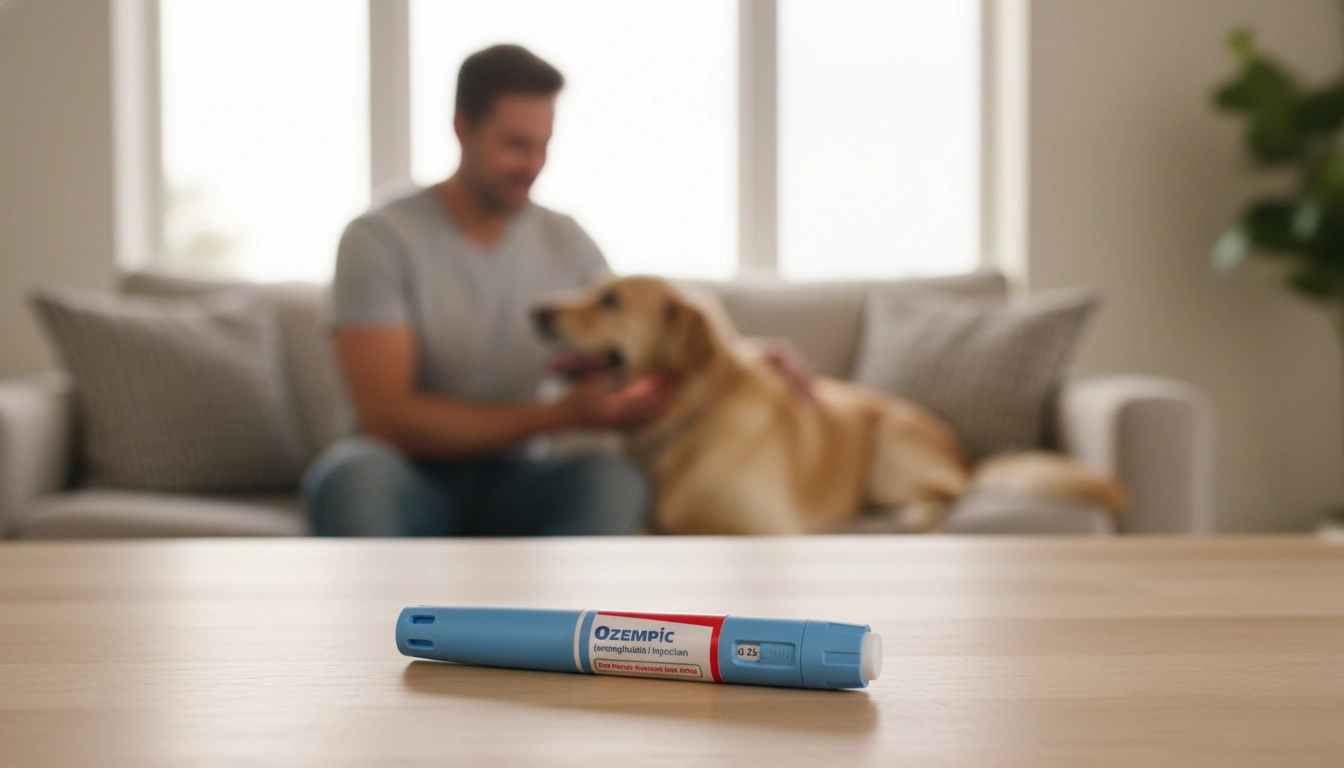
After months of titrating up through increasing doses and watching the scale steadily decline, you’ve reached your weight loss goals or your weight has stabilized. Now what? Do you stay on the same dose forever? Can you reduce it? Is there a specific “maintenance dose” that differs from the weight loss dose?
These questions matter because semaglutide treatment is typically long-term, and optimizing your maintenance approach affects everything from side effects to cost to sustainability. Understanding the maintenance phase helps you and your provider make informed decisions about ongoing treatment.
The key insight: There is no single “maintenance dose” that applies to everyone. The dose that maintains your results depends on your individual biology, how much weight you’ve lost, and how your body responds to different doses. Some patients maintain successfully on lower doses than they used during active weight loss; others need the maximum dose indefinitely. The goal of the maintenance phase is finding the lowest effective dose that keeps your weight stable and maintains the health benefits you’ve achieved.
This guide covers:
- What “maintenance dose” actually means
- The difference between weight loss and maintenance phases
- Standard dosing options and how they apply to maintenance
- Whether you can reduce your dose after reaching goals
- How to know if a dose reduction is working
- Signs you need to increase your dose again
- Individual factors that affect maintenance dosing
- Long-term maintenance strategies beyond dosing
- Working with your provider on dose optimization
- What to expect during the maintenance phase
Key Takeaways
- There’s no universal maintenance dose; the right dose varies by individual
- Maintenance dose may be the same or lower than your weight loss dose, depending on your response
- The goal is the lowest effective dose that maintains your results with acceptable side effects
- Weight stabilization signals maintenance phase, typically occurring 12-18 months into treatment
- Some patients successfully reduce doses; others need maximum doses indefinitely
- Dose reduction should be gradual and monitored closely for weight changes
- Weight regain on lower dose indicates you need to return to higher dosing
- Lifestyle factors influence how much medication support you need
- Regular monitoring helps optimize your maintenance approach over time
- Maintenance is ongoing, not a destination after which you can stop treatment
Understanding the Maintenance Phase
Before discussing specific doses, understanding what “maintenance” means in semaglutide treatment provides important context.
Active Weight Loss vs. Maintenance
Active weight loss phase:
- Weight is declining month over month
- Body is in caloric deficit
- Metabolic changes occurring
- Typically lasts 12-18 months
- Most dramatic changes happen during this phase
Maintenance phase:
- Weight has stabilized at new lower level
- Body has adapted to new weight
- Caloric intake approximately matches expenditure
- Focus shifts from losing to maintaining
- Ongoing treatment prevents regain
When Does Maintenance Begin?
Maintenance begins when your weight stabilizes rather than continues declining:
Signs you’ve reached maintenance:
- Weight stable for 2-3 months at the same dose
- No longer losing despite continued treatment
- Reached your goal weight or a sustainable plateau
- Body composition changes have slowed
Typical timeline:
- Most weight loss occurs in months 4-12
- Weight often stabilizes around months 12-18
- Some patients reach maintenance earlier or later
- Individual variation is significant
Note: Stabilization at any dose represents that dose’s maintenance effect for you. If you stabilize before reaching your goal, increasing the dose (if not already at maximum) may produce additional loss.
What Maintenance Is Not
Maintenance is not:
- A phase after which you stop medication
- A lower-effort period (lifestyle still matters)
- A guaranteed permanent state (weight can regain if dose is insufficient)
- The same for everyone
Maintenance is:
- Ongoing treatment to prevent regain
- A phase requiring continued attention
- Potentially lasting indefinitely
- Adjustable based on your response
Standard Semaglutide Dosing Options
Understanding available doses helps frame maintenance decisions.
Ozempic Dosing (Diabetes Indication)
| Dose | Typical Use |
| 0.25mg | Initial titration (weeks 1-4) |
| 0.5mg | Second titration step (weeks 5-8) |
| 1.0mg | Therapeutic dose |
| 2.0mg | Maximum approved dose |
Wegovy Dosing (Weight Management Indication)
| Dose | Typical Use |
| 0.25mg | Initial titration (weeks 1-4) |
| 0.5mg | Second step (weeks 5-8) |
| 1.0mg | Third step (weeks 9-12) |
| 1.7mg | Fourth step (weeks 13-16) |
| 2.4mg | Maximum/maintenance dose |
Compounded Semaglutide
Compounded semaglutide offers more dosing flexibility:
- Can be prepared at various concentrations
- Allows intermediate doses between standard steps
- Enables more precise dose adjustments
- May facilitate gradual reductions during maintenance
Which Doses Are Used for Maintenance?
Any therapeutic dose can be a maintenance dose. The right maintenance dose is whatever dose maintains your results:
For some patients: 1.0mg maintains their weight loss effectively For others: 1.7mg or 2.0mg is necessary For many: Maximum dose (2.0mg or 2.4mg) is required
There’s no predetermined “maintenance dose” that’s lower than the maximum. The maximum dose is the maintenance dose for many patients.
Can You Reduce Your Dose for Maintenance?
One of the most common questions is whether you can reduce your dose once you’ve reached your goals.
The Short Answer
Maybe. Some patients successfully maintain their weight on lower doses than they used during active weight loss. Others need the maximum dose indefinitely. There’s no way to know without trying, and trial-and-error with careful monitoring is the appropriate approach.
Why Dose Reduction Might Work
Theoretical reasons some patients may maintain on lower doses:
Metabolic adaptation:
- At lower weight, metabolic needs differ
- Less appetite suppression may be needed to maintain versus lose
- The caloric deficit required for loss isn’t needed for maintenance
Set point shift:
- Some patients’ appetite regulation may partially adapt to new weight
- Less pharmacological support might be needed at new equilibrium
Lifestyle changes:
- Habits established during treatment may provide some independent support
- Exercise and dietary patterns contribute to maintenance
Individual sensitivity:
- Some patients are highly sensitive to semaglutide
- Lower doses may provide sufficient effect for these individuals
Why Dose Reduction Often Doesn’t Work
Reality for many patients:
Biological drive persists:
- The same biological factors that caused weight gain remain
- Appetite regulation still favors higher weight
- Full-dose appetite suppression is needed to counteract these forces
Metabolic adaptation works against you:
- Lower weight means lower metabolic rate
- Less food is needed to maintain, but appetite doesn’t automatically adjust
- You need the same appetite suppression to eat the lower amount required
Weight regain is the norm:
- Studies show weight regain when semaglutide is stopped
- Dose reduction is a partial step toward stopping
- For many, any reduction leads to some regain
The Right Approach to Dose Reduction
If you want to try reducing your maintenance dose:
Step 1: Reach stable maintenance first
- Weight should be stable for 2-3 months at current dose
- You should be at or near your goal
Step 2: Reduce gradually
- Don’t drop from maximum to minimum
- Reduce by one dose level (e.g., 2.4mg to 1.7mg, or 2.0mg to 1.0mg)
- One change at a time
Step 3: Monitor closely
- Weigh weekly during the trial period
- Track for at least 6-8 weeks at new dose
- Note changes in appetite and eating behavior
Step 4: Evaluate honestly
- If weight remains stable, the lower dose may work for maintenance
- If weight increases, you need the higher dose
- If appetite increases significantly, weight increase will likely follow
Step 5: Be willing to increase again
- Don’t view returning to higher dose as failure
- Many patients need full doses; that’s normal
- The goal is finding what works, not minimizing medication
Determining Your Personal Maintenance Dose
Finding your optimal maintenance dose is an individualized process.
Starting Point Considerations
If you achieved goals at maximum dose:
- You can try maintaining at maximum dose (many patients do this)
- Or you can try reducing and monitoring
- Either approach is valid
If you achieved goals below maximum dose:
- Your current dose may be your maintenance dose
- You could try the same dose reduction approach
- Some patients stabilize at 1.0mg and stay there successfully
If you haven’t reached goals at maximum dose:
- Maximum dose is likely your maintenance dose
- The weight you’ve achieved at maximum dose may be your body’s new equilibrium on this medication
- Reducing dose would likely cause regain toward original weight
Factors That Influence Maintenance Dose
Amount of weight lost:
- Greater weight loss may require more medication support to maintain
- More dramatic metabolic changes may need more pharmacological counterbalance
Baseline appetite/eating patterns:
- Patients with stronger appetite drives may need higher doses
- Those with significant emotional or reward-driven eating may need more support
Physical activity level:
- More active patients may maintain on lower doses
- Exercise provides some independent appetite regulation
Dietary patterns:
- Patients who’ve adopted sustainable eating habits may need less medication
- Diet quality affects satiety and weight maintenance
Age and metabolism:
- Older patients have lower metabolic rates
- May need full medication support despite lower caloric needs
Genetics:
- Individual variation in GLP-1 receptor sensitivity
- Some patients are simply more or less responsive to the medication
Trial and Observation
The process:
- Identify your current stable dose
- Decide whether to try reduction (with provider)
- Reduce by one dose level
- Observe for 6-8 weeks minimum
- Evaluate weight stability and appetite
- Adjust based on findings
- Repeat if trying further reduction
What you’re looking for:
- Weight remaining within 3-5 pounds of target
- Appetite remaining manageable
- No significant increase in food preoccupation or cravings
- Ability to maintain eating habits without struggle
Signs Your Maintenance Dose Is Right
How do you know your maintenance dose is working?
Positive Indicators
Weight stability:
- Weight remains within a narrow range (3-5 pounds)
- Normal fluctuations but no upward trend
- Monthly averages are consistent
Manageable appetite:
- Hunger is present but controlled
- You can stop eating when satisfied
- Food doesn’t dominate your thoughts
Sustainable eating:
- Current eating patterns feel maintainable
- Not constantly fighting urges
- Occasional indulgences don’t derail you
Stable health markers:
- Blood sugar remains controlled (if diabetic)
- Blood pressure stable
- Energy levels good
Acceptable side effects:
- Any side effects are tolerable
- GI symptoms manageable or minimal
- Quality of life is good
Warning Signs Your Dose May Be Too Low
Gradual weight increase:
- Weight trending up over weeks/months
- Not just day-to-day fluctuation
- Consistent upward pattern
Increased appetite:
- Feeling hungrier than before
- More frequent hunger signals
- Less satisfaction from meals
Returning food preoccupation:
- Thinking about food more often
- Cravings returning
- Harder to resist eating
Eating pattern changes:
- Portion sizes creeping up
- Snacking increasing
- Harder to stop eating
Health marker changes:
- Blood sugar worsening (if diabetic)
- Blood pressure increasing
- Other metabolic markers worsening
What to Do If Dose Seems Insufficient
If you notice warning signs:
- Confirm the pattern over 2-4 weeks (not just a few days)
- Rule out other factors (stress, sleep, lifestyle changes)
- Contact your provider
- Discuss increasing dose
- Don’t wait until significant regain has occurred
Act early: It’s easier to prevent regain than reverse it. If your lower dose isn’t working, increasing promptly limits the weight you’ll regain.
Maintenance Dosing Strategies
Different approaches to maintenance dosing exist.
Strategy 1: Maximum Dose Maintenance
Approach: Continue the maximum dose that produced your weight loss indefinitely.
Rationale:
- This dose worked; why change it?
- Provides maximum appetite suppression
- May provide maximum cardiovascular protection
- Eliminates guesswork about lower doses
Appropriate for:
- Patients who need full dose for appetite control
- Those with significant cardiovascular risk
- Patients who’ve tried lower doses without success
- Those who prefer not to experiment
Considerations:
- Higher cost than lower doses
- Maximum side effect potential
- May be more than some patients need
Strategy 2: Stepwise Reduction Trial
Approach: After weight stabilization, systematically try reducing doses to find the lowest effective dose.
Rationale:
- May reduce cost
- May reduce side effects
- Identifies true minimum needed
- Some patients don’t need maximum dose
Process:
- Stabilize at current dose
- Reduce one step
- Monitor 6-8 weeks
- If stable, can try another reduction
- If weight increases, return to previous dose
Appropriate for:
- Patients interested in minimizing medication
- Those with significant side effects at higher doses
- Cost-conscious patients
- Those who achieved goals below maximum dose
Considerations:
- Requires close monitoring
- May result in some regain before finding right dose
- Not everyone can reduce successfully
Strategy 3: Flexible Dosing
Approach: Adjust dose based on circumstances, higher during challenging times, potentially lower during stable periods.
Rationale:
- Matches medication to need
- May help during high-risk periods (holidays, stress)
- Provides flexibility
Example:
- Baseline: 1.7mg weekly
- During holiday season: 2.4mg weekly
- Return to baseline after
Considerations:
- Requires good self-awareness
- More complex than fixed dosing
- Requires provider collaboration
- Not well-studied as an approach
Strategy 4: Combination Approach
Approach: Lower semaglutide dose combined with other medications or intensive lifestyle support.
Rationale:
- Multiple tools provide support
- May allow lower GLP-1 dose
- Addresses weight from multiple angles
Examples:
- Lower semaglutide + metformin
- Lower semaglutide + intensive behavioral support
- Combination medication approaches
Considerations:
- More complex regimen
- Added medications have their own considerations
- May or may not reduce total cost
Beyond Dosing: Other Maintenance Factors
Medication dose is important, but other factors influence maintenance success.
Protein and Muscle Mass
Why it matters:
- Weight loss includes some muscle loss
- Muscle affects metabolic rate
- Muscle affects functional capacity
- Maintaining muscle supports long-term success
Maintenance strategies:
- Adequate protein intake (0.8-1.0 g/kg body weight minimum)
- Regular resistance training
- Distributed protein across meals
Physical Activity
Role in maintenance:
- Exercise independently affects appetite regulation
- Increases caloric expenditure
- Preserves muscle mass
- Improves insulin sensitivity
- May allow lower medication doses for some
Maintenance recommendations:
- 150+ minutes moderate activity weekly
- Include resistance training 2-3 times weekly
- Build sustainable habits, not extreme regimens
Dietary Patterns
Quality matters:
- Nutrient-dense foods support satiety
- Protein and fiber enhance fullness
- Whole foods generally more satisfying than processed
- Sustainable patterns beat extreme restrictions
Maintenance focus:
- Eating patterns you can maintain indefinitely
- Flexibility within structure
- No foods completely forbidden
- Mindful eating practices
Sleep and Stress
Often overlooked factors:
Sleep:
- Poor sleep affects hunger hormones
- Increases appetite and cravings
- Makes weight maintenance harder
- Prioritize 7-9 hours nightly
Stress:
- Chronic stress affects cortisol
- Can increase appetite and storage
- May undermine best efforts
- Stress management supports maintenance
Regular Monitoring
Ongoing attention:
- Regular weigh-ins (weekly or biweekly)
- Tracking trends rather than individual readings
- Notice changes early
- Address issues before significant regain
Provider check-ins:
- Regular follow-up appointments
- Discuss how things are going
- Adjust approach as needed
- Stay engaged with treatment
Special Situations in Maintenance
Certain situations require specific consideration during maintenance.
Maintenance After Significant Weight Loss
If you’ve lost 50+ pounds:
- More significant metabolic adaptation
- Greater biological drive toward regain
- Maximum doses often needed
- Vigilance is especially important
Approach:
- Likely need continued full-dose treatment
- Prioritize muscle preservation
- Realistic expectations about maintenance challenges
- Long-term commitment essential
Maintenance for Patients With Diabetes
Additional considerations:
- Blood sugar management alongside weight
- Potential to reduce diabetes medications as weight lowers
- Both weight and glucose need monitoring
- Coordination with diabetes care
Maintenance goals:
- Stable weight
- Good glycemic control
- Potentially reduced medication burden
- Ongoing metabolic health
Maintenance When Goals Weren’t Fully Achieved
If you stabilized before reaching ideal weight:
- Your current weight on maximum dose may be what’s achievable with this medication
- Genetic factors influence response
- This weight still represents meaningful improvement
- Focus on maintaining the progress you’ve made
Options:
- Maintain current weight with current treatment
- Discuss additional interventions with provider
- Recognize that significant loss (even if below “ideal”) provides health benefits
- Avoid frustration that undermines what you’ve achieved
Maintenance Through Life Changes
Transitions that challenge maintenance:
- Job changes
- Relationship changes
- Moving
- Family changes
- Health changes
Strategies:
- Anticipate challenging periods
- Consider temporarily higher dose if needed
- Maintain treatment continuity
- Re-engage quickly if struggles emerge
Working With Your Provider
Optimizing maintenance requires ongoing collaboration.
Conversations to Have
Initial maintenance discussion:
- “My weight has been stable for X months. Should we discuss maintenance?”
- “What’s your approach to maintenance dosing?”
- “Should I try reducing my dose, or stay where I am?”
Ongoing maintenance check-ins:
- “Here’s how my weight has been trending…”
- “My appetite has changed (or hasn’t)”
- “Side effects are better/worse/same”
- “Here’s what’s working or not working”
If considering dose change:
- “I’d like to try a lower dose. What should I watch for?”
- “My weight is creeping up. Should we increase the dose?”
- “How long should I trial this dose before deciding?”
What Providers Need to Know
Share with your provider:
- Weight trends (not just current weight)
- Appetite and hunger patterns
- Side effects and how you’re managing them
- Lifestyle factors that may be affecting things
- Challenges you’re facing
- What’s working well
Keep records:
- Weekly weights (even just a simple log)
- Notes on appetite and eating
- Any symptoms or concerns
- Questions for appointments
Follow-Up Schedule
Typical maintenance follow-up:
- Initially: Every 1-3 months during dose optimization
- Once stable: Every 3-6 months
- As needed for concerns or changes
Telehealth enables:
- More frequent brief check-ins if needed
- Accessible communication
- Quick response to concerns
- Ongoing relationship despite physical distance
Frequently Asked Questions
What is the maintenance dose for Ozempic?
There’s no single maintenance dose that applies to everyone. The right maintenance dose is whatever dose keeps your weight stable and maintains the health benefits you’ve achieved. For some patients, this is the maximum dose (2.0mg for Ozempic, 2.4mg for Wegovy). For others, lower doses like 1.0mg or 1.7mg may be sufficient for maintenance. Finding your personal maintenance dose requires trial and observation—some patients can reduce from their weight loss dose, while many need to continue the same dose that produced their results.
Can I lower my Ozempic dose once I reach my goal weight?
You can try lowering your dose, but success varies. Some patients maintain their weight on lower doses than they used during active weight loss; others regain weight when they reduce. The only way to know is to try: reduce by one dose level, monitor closely for 6-8 weeks, and observe whether your weight remains stable. If it increases, return to the higher dose. Don’t view needing the full dose as failure—many patients require maximum dosing indefinitely, and that’s completely normal for chronic weight management.
How long does the maintenance phase last?
The maintenance phase is ongoing, potentially lasting the rest of your life. Semaglutide treatment manages obesity and metabolic disease rather than curing them. Just as blood pressure medication is taken long-term to manage hypertension, weight management medication is typically continued indefinitely to maintain results. Stopping medication usually leads to weight regain regardless of how long you’ve been in maintenance. The maintenance phase isn’t a destination after which you stop; it’s the ongoing state of sustained treatment.
Will I need to increase my dose over time during maintenance?
Generally, no. Unlike some medications where tolerance develops and you need increasing doses, semaglutide maintains its effectiveness at stable doses over time. If your weight is stable on your maintenance dose, you shouldn’t need to increase it. However, if weight starts creeping up despite good adherence and stable lifestyle factors, discussing a dose increase with your provider is appropriate. Weight gain during maintenance more often reflects dose insufficiency (if you’ve reduced) or life factors rather than medication tolerance.
How do I know when I’ve transitioned from weight loss to maintenance?
You’ve transitioned to maintenance when your weight stabilizes and stops declining despite continued treatment. This typically occurs 12-18 months after starting treatment, though timing varies. Signs include: weight stable for 2-3 months, no longer losing weight at current dose, and body composition changes have slowed. This stabilization represents your body’s new equilibrium on the medication. If you haven’t reached your goal when weight stabilizes at maximum dose, this may be the weight your body achieves with this treatment.
Is the maintenance dose lower than the weight loss dose?
Not necessarily. While some patients can maintain on lower doses than they used during active weight loss, many patients need the same dose for maintenance that they used for losing weight. The maximum dose is the maintenance dose for a large percentage of patients. Whether you can reduce depends on your individual biology—the only way to know is to try a lower dose and see if your weight remains stable. Don’t assume a lower maintenance dose is possible or that needing full doses indicates something is wrong.
What happens if my maintenance dose is too low?
If your maintenance dose is too low, you’ll likely experience gradual weight regain. Signs include: weight trending upward over weeks, increased appetite, more food preoccupation, harder time controlling portions, and cravings returning. If you notice these signs after reducing your dose, you should increase back to the dose that maintained your weight. Acting quickly limits how much weight you regain. It’s easier to prevent regain than reverse it, so don’t wait until you’ve regained significantly to address an insufficient dose.
Should I try to get to the lowest possible dose for maintenance?
This is a personal decision that depends on your priorities. Reasons to try lower doses include: reducing cost, minimizing side effects, and finding your true minimum effective dose. Reasons to stay at higher doses include: maximum appetite suppression, potentially maximum cardiovascular protection, and avoiding the risk of regain during dose reduction trials. There’s no medical imperative to minimize your dose if a higher dose is working well with acceptable side effects. The “best” dose is whatever dose maintains your results while meeting your individual needs.
Can I maintain my weight loss without any medication eventually?
For most patients, no. Research consistently shows that stopping semaglutide leads to weight regain, typically about two-thirds of lost weight within one year. This reflects the biological nature of obesity—the same factors that caused weight gain remain after treatment stops. Some patients with modest weight loss goals who’ve made substantial lifestyle changes may maintain without medication, but this is the exception. Planning for long-term medication use is more realistic than planning to eventually stop. That said, if you want to try, work with your provider and be prepared to restart if weight regains.
How does maintenance dosing differ for compounded semaglutide?
The principles are the same whether using brand-name or compounded semaglutide—find the lowest effective dose that maintains your results. Compounded semaglutide may offer more flexibility in dosing since it can be prepared at various concentrations, allowing for more precise adjustments and intermediate doses between standard steps. This flexibility can be helpful when trying to find your optimal maintenance dose. Work with your provider to determine appropriate doses, and follow the same approach of gradual reduction with careful monitoring if attempting to lower your maintenance dose.
The Bottom Line
Your maintenance dose is the dose that keeps your weight stable, your appetite manageable, and your health benefits preserved. For some patients, this is lower than the dose used during active weight loss; for many others, it’s the same maximum dose used throughout treatment. There’s no universal maintenance dose—finding yours requires understanding your individual response through careful observation and willingness to adjust.
The key principles of maintenance dosing:
Find what works for you. Try dose reduction if you want to, but don’t assume lower doses will work. Monitor closely, and return to higher doses if needed.
Focus on outcomes, not numbers. The right dose is whatever dose maintains your results. Whether that’s 1.0mg or 2.4mg, if it’s working, it’s the right dose for you.
Maintenance is ongoing. Don’t think of maintenance as a phase you complete. It’s the sustained state of continued treatment that prevents regain.
Stay engaged. Regular monitoring, ongoing attention to lifestyle factors, and continued provider relationship all support long-term success.
Be realistic. Most patients need ongoing medication support. Needing treatment doesn’t mean failure—it means managing a chronic condition effectively.
Ready to explore semaglutide treatment? TrimRx offers consultations with licensed providers who can evaluate your eligibility and prescribe compounded semaglutide at $199/month for qualifying patients.

Transforming Lives, One Step at a Time
Keep reading

Regained Weight After Stopping Ozempic? Don’t Restart at Your Old Dose
No. Whatever else you do, do not pick up where you left off. Tolerance to a GLP-1 is not assumed to persist through a…

Eating Less Than Ever on Ozempic but the Scale Won’t Move
Whatever else is true here, the answer is not to eat less. That needs saying first, because it is the direction this situation pushes…

Two Months on the Same Ozempic Dose With No Change: Is It Working?
Two months is long enough. Under four weeks is noise, four to eight weeks is a maybe, and eight weeks of a genuinely flat…


