Semaglutide vs Tirzepatide for Weight Loss
Introduction
Finding a weight loss solution that actually works can feel like an uphill battle. Many of us have spent years trying restrictive diets and intense exercise routines, only to see the scale stay exactly where it is. It is a frustrating cycle that can leave you feeling defeated. At TrimRx, we believe that sustainable weight management should be based on science and personal needs rather than sheer willpower alone.
This post examines the two most prominent medications currently used for weight management: semaglutide and tirzepatide. Both belong to a class of drugs that have changed how we approach metabolic health. We will look at how they work in the body, how they differ, and what you can expect if a licensed provider determines one is right for you. Understanding these options is the first step toward a personalized plan that supports your long-term health goals. You can also review how GLP-1 medications work before comparing the two treatments.
Quick Answer: Semaglutide is a single-hormone mimic (GLP-1), while tirzepatide is a dual-hormone mimic (GLP-1 and GIP). Clinical data suggests tirzepatide may lead to higher average weight loss, but both are highly effective tools for chronic weight management when combined with lifestyle changes.
What Are GLP-1 Receptor Agonists?
To understand these medications, it helps to understand how our bodies process hunger and fullness. Our digestive systems naturally produce hormones called incretins. These hormones signal the brain when we are full and help the body manage blood sugar levels.
GLP-1 stands for glucagon-like peptide-1. This is a hormone naturally released in the gut after we eat. It does three main things: it tells the brain you are full, it slows down the rate at which your stomach empties, and it helps the pancreas release the right amount of insulin. Receptor agonists are medications designed to mimic these natural hormones. They “plug into” the same receptors in your body, but they stay active much longer than the natural hormones your body produces.
By mimicking these signals, medications like semaglutide and tirzepatide can help reduce “food noise”—those constant, intrusive thoughts about eating. This makes it significantly easier for individuals to stick to a reduced-calorie diet without the intense feelings of deprivation that usually cause traditional diets to fail.
Understanding Semaglutide
Semaglutide was the first of this new generation of medications to gain widespread attention for weight loss. It is a selective GLP-1 receptor agonist. This means it specifically targets the GLP-1 receptors in the body to manage appetite and blood sugar.
Branded versions of semaglutide include Ozempic®, which is FDA-approved for the treatment of type 2 diabetes, and Wegovy®, which is FDA-approved specifically for chronic weight management. While these branded products are well-known, they are not the only way to access the medication.
Compounded Semaglutide is an alternative often used when there are shortages of branded medications or when a patient needs a more personalized approach. These versions are prepared by FDA-registered and inspected compounding pharmacies. While the compounded version itself is not “FDA-approved” in the way a branded drug is, the pharmacies must adhere to strict quality and safety regulations.
How Semaglutide Supports Weight Loss
When someone takes semaglutide, the medication binds to the GLP-1 receptors in the brain, specifically in areas that regulate appetite. The primary result is an increased feeling of satiety. You feel fuller faster and stay full for a longer period.
Semaglutide also slows gastric emptying. This means food stays in your stomach longer. This physical sensation of fullness, combined with the hormonal signals sent to the brain, creates a powerful tool for weight management. For an individual who has struggled with portion control or emotional eating, this can be a life-changing shift in how they interact with food.
Bottom line: Semaglutide targets the GLP-1 pathway to reduce hunger and slow digestion, making it a reliable and well-studied option for weight loss.
Understanding Tirzepatide
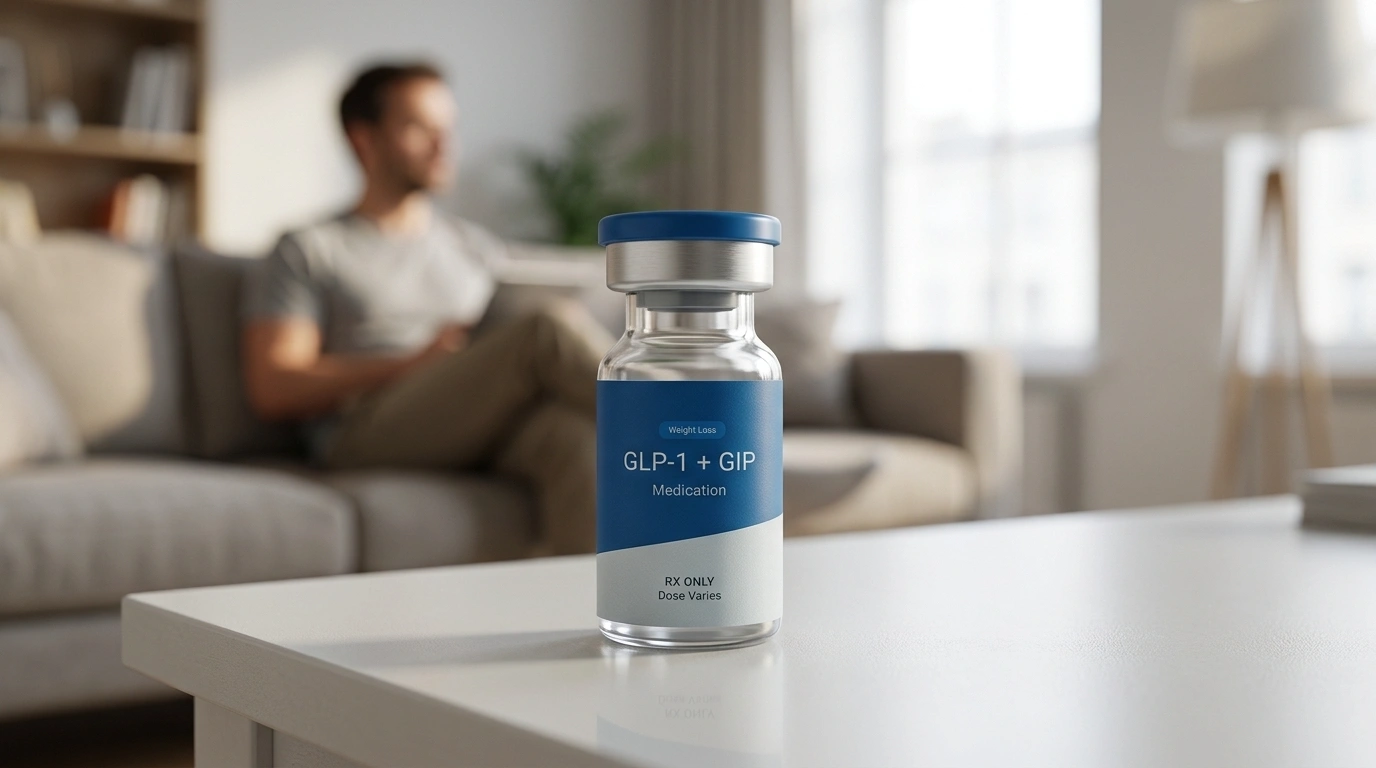
Tirzepatide represents a more recent advancement in metabolic medication. While semaglutide focuses on a single hormone, tirzepatide is a dual agonist. It mimics two different hormones: GLP-1 and GIP (glucose-dependent insulinotropic polypeptide).
GIP is another incretin hormone that works alongside GLP-1. Research suggests that GIP may help improve how the body breaks down sugar and fat. By targeting both receptors, tirzepatide may offer a more comprehensive approach to metabolic health than single-target medications.
Branded versions of tirzepatide include Mounjaro®, approved for type 2 diabetes, and Zepbound®, approved for chronic weight management. Similar to semaglutide, Compounded Tirzepatide is also available through specialized pharmacies, providing an alternative path for those who meet the clinical criteria.
The Advantage of Dual Action
The addition of the GIP component is what sets tirzepatide apart. While GLP-1 focuses heavily on appetite and digestion, GIP is thought to play a larger role in how the body handles fat cells and energy balance.
Clinical studies have indicated that the combination of these two hormones may lead to more significant weight loss than GLP-1 alone. For individuals with more complex metabolic challenges, this dual approach can sometimes provide the extra support needed to break through a weight loss plateau.
Key Takeaway: Tirzepatide mimics two hormones (GLP-1 and GIP) instead of one, which may offer enhanced metabolic benefits and greater weight loss potential for some individuals.
Semaglutide vs Tirzepatide: A Direct Comparison
Choosing between these two medications often comes down to an individual’s health history, their specific goals, and how their body responds to the initial treatment. Both are typically administered as a once-weekly injection, though oral formats are also becoming more common.
Comparison Table
| Feature | Semaglutide | Tirzepatide |
|---|---|---|
| Mechanism | Single Agonist (GLP-1) | Dual Agonist (GLP-1 & GIP) |
| Common Branded Names | Wegovy®, Ozempic® | Zepbound®, Mounjaro® |
| Primary Function | Appetite suppression & slow digestion | Appetite suppression & improved fat/sugar metabolism |
| Clinical Weight Loss | Up to 15% of body weight on average | Up to 20%+ of body weight on average |
| Standard Schedule | Once-weekly injection (or daily oral) | Once-weekly injection (or daily oral) |
Clinical Efficacy
When we look at the data, both medications show impressive results. In the STEP clinical trials for semaglutide, participants often lost about 15% of their initial body weight over 68 weeks. In the SURMOUNT trials for tirzepatide, some participants achieved weight loss of 20% or more over 72 weeks.
It is important to remember that these are averages. Weight loss is a deeply personal journey, and what works best for one person may not be the best fit for another. Factors like starting weight, age, activity level, and metabolic health all play a role in the final outcome.
Myth: Tirzepatide is always “better” because the percentage of weight loss is higher. Fact: Higher weight loss isn’t the only metric. Some patients tolerate semaglutide better, or find that a single-agonist approach is sufficient for their specific health goals.
Potential Side Effects and Management
Like any medication, both semaglutide and tirzepatide can cause side effects. Most of these are related to the digestive system, as the medications significantly change how food moves through your body. For a more detailed overview, read what to expect from common GLP-1 side effects.
Common side effects include:
- Nausea
- Diarrhea or constipation
- Stomach discomfort or bloating
- Heartburn
- Fatigue
Managing these effects is a key part of any successful program. Most side effects occur during the “titration” phase—the period when your dose is gradually increased. This gradual increase allows your body to adjust to the new hormonal signals.
Tips for reducing discomfort:
- Eat smaller meals: Since your stomach empties slower, large meals can lead to intense nausea or bloating.
- Prioritize hydration: Drinking plenty of water is essential for managing digestion.
- Focus on protein: Maintaining muscle mass is vital during rapid weight loss.
- Avoid high-fat foods: Greasy or fried foods can be harder to digest while on these medications.
We often recommend our GLP-1 Daily Support supplement to help bridge the nutritional gap during treatment. This can help manage the common “weary” feeling some people experience and support overall gut health.
Note: Always consult a licensed healthcare provider if you experience severe or persistent side effects. They can adjust your dosage or provide guidance on managing symptoms safely.
Who is Eligible for These Programs?
These medications are not intended for cosmetic weight loss or for those looking to lose a few pounds quickly. They are powerful clinical tools designed for individuals with chronic weight management needs.
General eligibility criteria often include:
- A Body Mass Index (BMI) of 30 or greater.
- A BMI of 27 or greater with at least one weight-related health condition (such as high blood pressure or high cholesterol).
- A history of unsuccessful weight loss attempts through diet and exercise alone.
A licensed healthcare provider will review your medical history, current medications, and health goals to determine if you are a candidate. Certain conditions, such as a history of medullary thyroid carcinoma or Multiple Endocrine Neoplasia syndrome type 2 (MEN 2), are typically contraindications for these medications. If you want to explore whether you may qualify, you can complete a free eligibility assessment.
The Personalized Approach at TrimRx
We believe that medication is just one piece of the puzzle. At TrimRx, we connect you with a platform designed to make the entire process simple, transparent, and supportive. We do not believe in a one-size-fits-all model. Instead, we focus on a personalized program that evolves with you.
Our process is designed to be entirely online, removing the stress of waiting rooms and in-person visits. We prioritize transparency, ensuring you know exactly what your program includes from day one.
What to expect in our program:
- Medical Assessment: You start with a free health quiz to share your history and goals.
- Provider Consultation: A licensed medical provider reviews your information to see if a GLP-1 medication is appropriate for you.
- Personalized Dosing: Your plan is tailored to your body’s needs.
- Ongoing Support: You have 24/7 access to specialized support to answer questions about side effects, dosing, or nutrition.
- Direct Delivery: Your medication is shipped directly to your door from our partner FDA-registered compounding pharmacies.
Key Takeaway: Success with GLP-1 medications is more likely when you have a dedicated support system and a plan tailored to your specific health profile.
How to Get Started with Your Journey
Starting a medical weight loss program is a significant decision. If you have been struggling to manage your weight and feel that traditional methods are not enough, it might be time to look at a science-backed approach.
Step 1: Complete the Assessment Quiz. Visit our website to take the free assessment quiz. This helps us understand your BMI, health history, and what you hope to achieve.
Step 2: Connect with a Licensed Provider. Once you complete the quiz, a provider will review your data. If eligible, they will discuss your options, including semaglutide or tirzepatide, and determine the best starting point for you.
Step 3: Receive Your Personalized Plan. After your consultation, your program begins. Your medication is prepared and shipped, and you gain access to our team for any support you need along the way.
Step 4: Monitor and Adjust. Weight loss is not a straight line. Your provider will help you navigate dosage changes and monitor your progress to ensure the treatment remains safe and effective for you.
Maximizing Your Results
While semaglutide and tirzepatide are effective, they work best as part of a lifestyle change. We encourage our members to view these medications as a “biological nudge” that makes healthy choices easier to maintain.
Nutrition: Focus on nutrient-dense foods. Since you will likely be eating less, it is crucial that the food you do eat provides the vitamins and minerals your body needs. Our Weight Loss Boost supplement can be a helpful addition to ensure you are getting the right support for your metabolism.
Movement: Incorporating regular physical activity—even just daily walking—helps preserve lean muscle mass. Muscle is metabolically active, meaning it helps you burn more energy even at rest.
Consistency: The key to these medications is the consistent, weekly schedule. Skipping doses can lead to a return of hunger and may make side effects more prominent when you restart.
For additional nutrition guidance, explore how protein supports weight loss.
Conclusion
The choice between semaglutide and tirzepatide is a clinical decision that should be made with the guidance of a professional. Semaglutide is a well-established, effective GLP-1 agonist that has helped thousands of people achieve their weight loss goals. Tirzepatide, with its dual-agonist approach, offers a newer alternative that may provide even greater metabolic support for some.
At TrimRx, our mission is to empower you with the tools, technology, and medical expertise needed to take control of your health. We provide a science-backed, empathetic environment where you can pursue sustainable weight loss without the confusion or hidden hurdles often found in traditional healthcare.
Whether you are just starting to research GLP-1 medications or are ready to begin a personalized program, we are here to guide you every step of the way. Your journey to a healthier, more vibrant life is unique, and your treatment plan should be, too.
Next Step: Ready to see which program is right for you? Take our free assessment quiz today to begin your personalized weight loss journey.
FAQ
Is tirzepatide more effective than semaglutide?
Clinical trials like the SURMOUNT-1 study have shown that tirzepatide may lead to a higher percentage of weight loss compared to semaglutide in some populations. However, “effectiveness” is personal; many people reach their goal weight and maintain it successfully using semaglutide with fewer side effects. A licensed provider can help determine which medication aligns best with your specific health profile and goals.
Can I switch from semaglutide to tirzepatide?
Yes, some patients choose to switch if they hit a plateau or if their provider believes the dual-action approach of tirzepatide would be more beneficial. This transition must be managed by a healthcare professional to ensure the dosages are adjusted correctly and to monitor for any new side effects. Your provider will help you decide if a switch is clinically appropriate for your situation.
Do I have to stay on these medications forever?
The duration of treatment varies for everyone. Because obesity is often a chronic metabolic condition, some individuals may use these medications long-term to maintain their weight loss and metabolic health. Others may work with their provider to slowly taper off once they have reached their goals and established sustainable lifestyle habits.
What happens if I miss a dose?
If you miss a dose of your weekly medication, you should generally take it as soon as you remember, as long as the next scheduled dose is more than 48 hours away. If it is closer than that, it is usually recommended to skip the missed dose and resume your normal schedule. You should always consult your provider or the TrimRx support team for specific guidance based on your current dosage level.
Disclaimer: This content is for informational purposes only and does not constitute medical advice. It is not intended to diagnose, treat, cure, or prevent any disease or condition. Individual results may vary. Always consult a qualified healthcare professional before starting any weight loss program or medication.

Transforming Lives, One Step at a Time
Keep reading

Starting Tirzepatide While on the Pill: The First Four Weeks
You have your first box and you take an oral contraceptive. There is a labeled instruction that applies to you, and the mistake almost…

Marathon Training on Tirzepatide When You Can’t Fuel
You have a plan on the fridge and a medication that has made eating feel optional. Those two things are in genuine conflict, and…

Paying Cash for Tirzepatide? Don’t Stretch Your Supply
When every vial comes out of your own pocket, the arithmetic is hard to ignore. If a month’s supply costs what it costs, and…


