Vibration Plates for Weight Loss: The Unfiltered Medical Truth
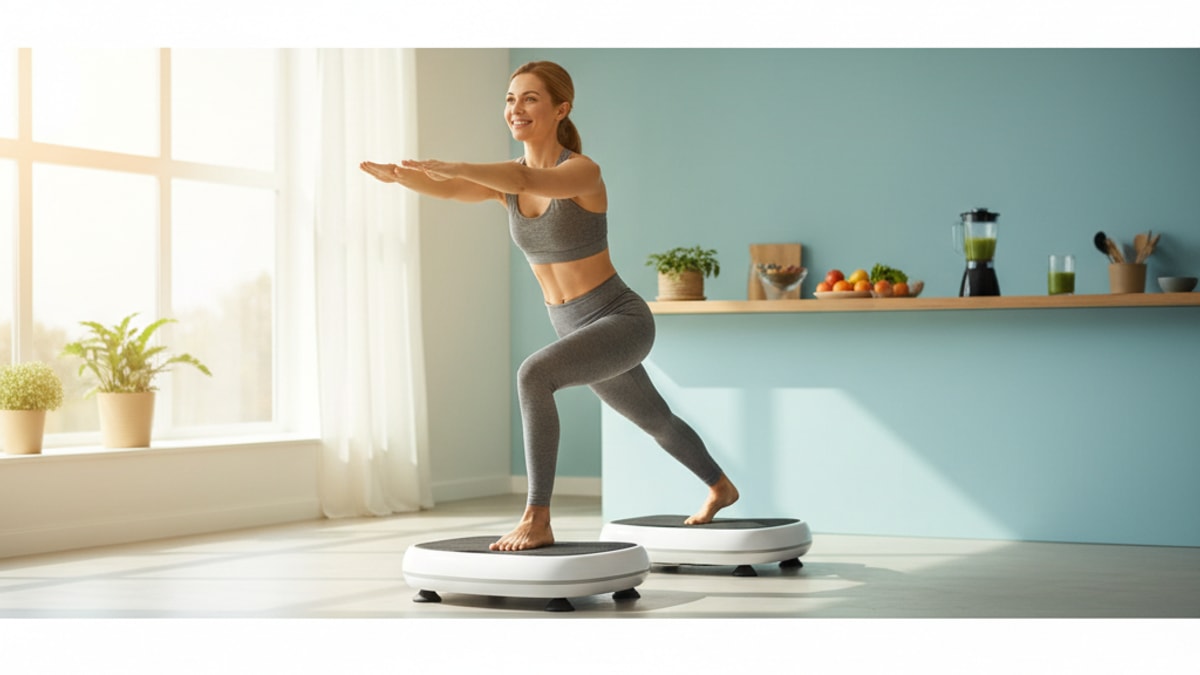
The Allure of Effortless Results
It's a compelling image, isn't it? The idea that you can stand on a platform for ten to fifteen minutes a day, feel a gentle (or not-so-gentle) hum, and watch the pounds melt away. The market for at-home fitness gadgets is sprawling and relentless, and vibration plates have carved out a significant niche. They promise a high-tech shortcut, a way to accelerate results without the grueling hours often associated with traditional exercise. We get it. In a world of demanding schedules and high expectations, the promise of efficiency is incredibly attractive.
But our team at TrimrX is built on a foundation of medical science and observable, sustainable results. We specialize in weight loss programs that address the complex biological factors at play, using powerful tools like GLP-1 medications to create profound, lasting change. So when a device like a vibration plate gains this much popularity, we feel it's our responsibility to step in and offer an unflinching, science-backed perspective. The question isn't just, "do vibration plates help with weight loss?" The real question is: are they a primary tool for transformation, a helpful accessory, or just another piece of equipment destined to gather dust? Let's get into it.
So, What's Happening When You Stand on That Plate?
Before we can talk about weight loss, we need to understand the mechanism. A vibration plate utilizes something called Whole-Body Vibration (WBV). The platform you stand on oscillates at a specific frequency and amplitude, sending tiny, rapid vibrations up through your body. This energy forces your muscles to contract and relax dozens of times per second in an involuntary reflex.
Think about what happens when you try to balance on an unstable surface. Your muscles are constantly firing to keep you upright. A vibration plate creates a similar, but far more rapid, effect. You're not just standing there; your body is actively, reflexively working to stabilize itself against the vibrations. The core claim is that this rapid-fire muscle activation can mimic the effects of conventional exercise.
There are generally two types of platforms:
- Lineal (or Vertical): The platform moves straight up and down. This is thought to be better for stimulating muscle strength and bone density.
- Pivotal (or Oscillating): The platform operates like a seesaw, with one side going up while the other goes down. This motion is often considered more comfortable and natural, mimicking the human gait.
The intensity is controlled by frequency (how fast it vibrates, measured in Hz) and amplitude (how far it moves). The combination of these factors determines how much work your muscles are forced to do. Simple, right? On the surface, yes. But the link between this mechanical action and significant fat loss is where things get much more nuanced.
The Honest Answer: Do Vibration Plates Cause Weight Loss?
Here's the direct answer you're looking for: Vibration plates are not a primary driver of significant weight loss when used in isolation.
We can't stress this enough. While some studies show very modest benefits, no credible research supports the idea that simply standing on a vibration plate for 15 minutes a day will lead to the kind of transformative weight loss most people are seeking. It's a supplementary tool at best, and its effects on fat mass are often minimal and indirect. The dramatic before-and-after photos you see in advertisements are almost always the result of a comprehensive change in diet and the inclusion of other, more intense forms of exercise.
Let's break down why. Weight loss fundamentally comes down to creating a sustained caloric deficit. You must burn more energy than you consume. So, the key question becomes: how much energy does using a vibration plate actually burn? The answer, unfortunately, is not very much. Research published in the Journal of Sports Science & Medicine found that 10 minutes of WBV burned an average of only 50-80 calories. To put that in perspective, a brisk 10-minute walk can burn a similar amount, and a 10-minute jog can easily double or triple that.
So, if you're replacing a 30-minute run with 10 minutes on a vibration plate, you are drastically reducing your overall energy expenditure. It's just not an effective trade. The weight loss claims are primarily based on the idea that the increased muscle activation will boost your metabolism long-term. While it's true that having more muscle mass increases your resting metabolic rate, the stimulus from a vibration plate is generally not sufficient to build significant muscle (a process called hypertrophy). For that, you need progressive overload—the kind you get from lifting weights.
Our team has found that focusing on these supposed shortcuts often distracts from the foundational pillars of weight management. Real, lasting change doesn't come from a gadget; it comes from addressing the root causes, both behavioral and biological.
Where Vibration Plates Actually Shine
Now, this isn't to say these machines are useless. They absolutely have their place, just not as a front-line fat-loss tool. Let's be fair and look at the evidence-backed benefits, because there are several compelling ones.
- Improved Circulation: The vibrations stimulate blood flow, which can be fantastic for recovery after a workout and for individuals with poor circulation in their lower extremities.
- Increased Muscle Strength (in specific populations): While not a bodybuilder's tool, WBV has been shown to improve muscle strength and power, particularly in sedentary or elderly individuals who may not be able to perform conventional resistance training.
- Enhanced Flexibility and Balance: The constant stabilization required on the plate can improve proprioception (your sense of body position) and balance. Many users also report feeling less stiff and more flexible.
- Increased Bone Mineral Density: This is perhaps the most well-researched and significant benefit. The mechanical stress placed on the bones can stimulate them to become stronger and denser, making it a promising tool for combating osteoporosis.
- Pain Reduction and Recovery: Some people find that WBV helps alleviate chronic pain, particularly lower back pain, and can reduce muscle soreness after intense exercise by flushing out lactic acid.
See the pattern? These are all incredible wellness benefits. They contribute to a healthier, more functional body. But they are secondary or tertiary to the primary goal of shedding significant fat mass. A vibration plate can help you feel better, move better, and recover faster. It just won't, by itself, make a major dent in the number on the scale.
Vibration Plates vs. Proven Methods: A Reality Check
To really put this into context, let's compare using a vibration plate to other established methods for weight management. Our experience shows that clarity is key, and seeing a direct comparison can cut through a lot of marketing noise.
| Feature | Vibration Plate (WBV) | Traditional Cardio (e.g., Jogging) | Strength Training (e.g., Lifting) |
|---|---|---|---|
| Primary Calorie Burn | Low (approx. 8-15 kcal/min) | Moderate to High (approx. 10-20+ kcal/min) | Moderate (primarily post-exercise calorie burn) |
| Muscle Building (Hypertrophy) | Minimal | Minimal | High (primary driver of muscle growth) |
| Cardiovascular Improvement | Very Low | High (strengthens heart and lungs) | Moderate (improves heart health) |
| Bone Density Impact | High (well-supported by research) | Moderate (impact-based cardio is beneficial) | High (load-bearing is a primary stimulus) |
| Time Efficiency for Weight Loss | Poor | Good | Excellent (due to metabolic boost from muscle) |
| Accessibility | Excellent for low mobility; passive | Requires mobility; can be high-impact | Requires learning form; can be adapted |
This table makes the hierarchy pretty clear. For the express purpose of weight loss, traditional cardio and strength training are vastly superior. They burn more calories, build metabolically active tissue, and deliver profound cardiovascular benefits that WBV simply can't match. A vibration plate is a fantastic tool for accessibility and for targeting bone density, but it's not in the same league for fat reduction.
The TrimrX Approach: Building a Real Foundation for Weight Loss
This is where we need to have an honest conversation about what it takes to achieve sustainable weight loss. It's not about finding the one magic gadget or perfect workout. It's about creating a comprehensive, medically-sound system that addresses your unique biology. This is the core of what we do at TrimrX.
Weight management is a formidable challenge because it's a deeply biological one. It involves a complex interplay of hormones like insulin and glucagon-like peptide-1 (GLP-1), which regulate appetite, satiety, and how your body processes food. For many people, especially those who have struggled with weight for years, this system isn't working correctly. Willpower alone often isn't enough to overcome powerful biological signals telling you to eat more and store fat.
This is precisely why GLP-1 medications like Semaglutide and Tirzepatide have been such a revolutionary breakthrough. They work by targeting these very pathways. They help regulate your appetite not through sheer force of will, but by restoring balance to your body's natural hunger and fullness signals. This creates a physiological environment where a healthy diet and lifestyle can finally take hold and be effective.
So where would a tool like a vibration plate fit into a medically-supervised program like ours? It could be a valuable supporting player. For a client just starting their journey with us who has joint pain or limited mobility, using a vibration plate could be an excellent, low-impact way to improve circulation and gently activate muscles before they're ready for more strenuous activity. For another client who has begun a strength training regimen, it could be a fantastic tool for post-workout recovery to reduce soreness.
But it's never the main event. It's an accessory to a plan built on three critical, non-negotiable elements:
- Medical Intervention: Addressing the underlying biology with proven treatments to regulate metabolism and appetite.
- Nutritional Guidance: Fueling your body correctly to promote fat loss while preserving muscle mass.
- Effective Exercise: Incorporating a mix of cardiovascular and resistance training to burn calories and build a stronger, more resilient metabolism.
This integrated approach is what delivers real results. It's about fixing the engine, not just polishing the exterior. If you feel like you've been fighting a losing battle against your own body, it might be time to explore a strategy that works with your biology, not against it. A great first step is to Take Quiz on our site to see if a medical approach is the right fit for your goals.
Who Should Be Cautious with Vibration Plates?
While generally safe for most people, WBV is not for everyone. The vibrations can be problematic for individuals with certain health conditions. We strongly recommend consulting your doctor before using one, especially if you have any of the following:
- Pregnancy
- A pacemaker or other implanted electronic device
- Acute thrombosis or a history of blood clots
- Cardiovascular disease
- Recent surgery or fresh wounds
- Severe diabetes with neuropathy
- Epilepsy
- Gallstones or kidney stones
- Known retinal conditions
It's not a toy. It's a piece of therapeutic equipment, and it should be treated with respect and medical clearance. We've seen it work wonders for some, but for others, it's an unnecessary risk. Prudence is key.
Getting the Most Out of It (If You Decide to Use One)
If you and your doctor decide a vibration plate is a good fit for your wellness routine, don't just stand there. Passive standing provides the least benefit. To make it more effective, you need to engage your muscles actively.
Here's what our team suggests:
- Maintain a slight bend in your knees: Never lock your joints. This allows your muscles to absorb the vibrations, rather than sending them jarring up into your skeleton.
- Incorporate dynamic movements: Performing exercises on the plate is where you'll get the most bang for your buck. Think bodyweight squats, lunges, calf raises, or even push-ups with your hands on the platform. This combines the benefits of strength training with the stimulation of WBV.
- Start slow: Begin with shorter sessions (5-10 minutes) at a lower frequency and gradually increase as your body adapts.
- Stay hydrated: As with any form of physical activity, drinking plenty of water is crucial.
Used this way, a vibration plate can be a potent tool for recovery, balance, and gentle strengthening. It can be a bridge to more intense exercise or a supplement to an already robust routine.
Ultimately, the journey to a healthy, sustainable weight is deeply personal. There are no universal shortcuts. Tools and technologies can help, but they must be placed within a framework of solid science and a holistic understanding of health. Vibration plates are an interesting piece of that puzzle, but they are just that—one piece. They aren't the whole picture.
Real, lasting transformation comes from a strategic, medically-guided plan that realigns your body's fundamental systems. It's about creating a new normal, not just searching for a quick fix. If you're tired of the cycle and ready to build a true foundation for your health, we're here to help you create that plan. It might be time to Start Your Treatment Now and see what a science-first approach can do for you.
Frequently Asked Questions
How many calories do you burn in 10 minutes on a vibration plate?
▼
Most research indicates you’ll burn between 50 and 80 calories in a 10-minute session. This is comparable to a slow to moderate walk and is significantly less than more intense forms of exercise like jogging or cycling.
Can you use a vibration plate every day?
▼
For most healthy individuals, daily use for short durations (10-20 minutes) is generally considered safe. However, it’s important to listen to your body and allow for rest days, especially if you’re incorporating active exercises on the plate.
Do vibration plates actually get rid of cellulite?
▼
There is no strong scientific evidence that vibration plates can eliminate cellulite. While they may temporarily improve circulation and skin appearance, they don’t address the underlying structure of fat cells and connective tissue that cause cellulite.
Is a vibration plate better than walking for weight loss?
▼
No, for weight loss, walking is generally more effective. A brisk 30-minute walk will typically burn more calories, provide greater cardiovascular benefits, and is more functional than a 10-15 minute session on a vibration plate.
Can you lose belly fat by using a vibration plate?
▼
You cannot spot-reduce fat from any specific area of your body, including your belly. Fat loss occurs system-wide through a caloric deficit, which vibration plates are not effective at creating on their own.
How long should you stay on a vibration plate?
▼
Most manufacturers and studies recommend sessions of 10 to 20 minutes. Longer is not necessarily better and could lead to excessive fatigue or other issues. Consistency over duration is more important.
Do I need to do exercises on the vibration plate or just stand on it?
▼
To maximize benefits, you should perform dynamic exercises like squats, lunges, or calf raises on the plate. Passively standing on it provides far fewer benefits for muscle activation and overall fitness.
Are vibration plates safe for seniors?
▼
They can be, and are often recommended for improving balance, muscle strength, and bone density in older adults. However, it’s absolutely critical for any senior to get clearance from their doctor before starting.
Will a vibration plate help with lymphatic drainage?
▼
The vibrations can help stimulate both blood flow and lymphatic circulation. This may assist the body’s natural drainage process, but it should be considered a mild, supportive therapy rather than a primary treatment.
What’s the difference between cheap and expensive vibration plates?
▼
More expensive models typically offer more powerful motors, a wider range of frequencies and amplitudes, and sturdier construction. Cheaper models may have weaker vibrations and may not be as durable or effective.
Can vibration plates be dangerous?
▼
Yes, for certain individuals. People with pacemakers, a history of blood clots, recent surgical implants, or who are pregnant should not use them. Always consult a physician before beginning use.
Does a vibration plate count as cardio?
▼
No, using a vibration plate is not considered a cardiovascular exercise. It does not elevate your heart rate sufficiently or for a sustained period to strengthen your heart and lungs in the way that activities like running, swimming, or cycling do.

Transforming Lives, One Step at a Time
Keep reading
Top 5 Best Weight Loss Programs for Beginners in 2026
Starting a weight loss journey means sorting through GLP-1 medication ads, apps that gamify your groceries, and online weight management programs promising a doctor…

What to Do With a Full Pantry You No Longer Eat From
Sort it into three piles rather than clearing it all out: donate, keep, and discard. The mistake most people make is emptying the whole…

How to Handle a Business Dinner When the Client Orders for the Table
This is the one dining situation where your usual tools do not work. You cannot order a starter as your main, cannot ask for…


