What One Pound of Weight Loss Actually Looks Like (It’s Not a Number)

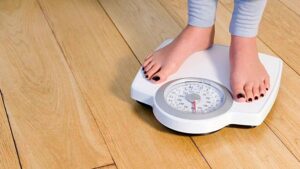
You did it. You stuck to your plan, you made the hard choices, and the number on the scale finally budged. It's down. One. Whole. Pound. You step off, rush to the mirror, and… nothing. You look exactly the same. The frustration is palpable, and we get it. Our team at TrimrX has talked with thousands of people who feel that same sense of deflation. You're left asking, what does one pound of weight loss look like, anyway? Is it even real if you can't see it?
Let’s be perfectly clear: that one pound is not only real, it's a monumental victory for your body. The disconnect happens because we're trained to look for aesthetic changes, but the most profound transformations after losing that first pound are happening under the surface. It's a cascade of biological wins that sets the stage for everything to come. So, let's pull back the curtain and explore what that single pound of progress truly represents, from the cellular level to the way your clothes will eventually fit.
The Anatomy of That First Pound
When the scale drops, especially in the early days of a new health regimen, the composition of that lost pound is a dynamic mix. It's rarely, if ever, pure body fat. Honestly, it's usually a cocktail of three things: water, glycogen, and a bit of actual fat.
Think of it this way. Glycogen is your body's readily accessible carbohydrate reserve, stored primarily in your liver and muscles. For every gram of glycogen you store, your body holds onto about three to four grams of water. When you start consuming fewer calories than you burn, your body taps into these glycogen stores for quick energy. As the glycogen is used up, the associated water is released and flushed out. This is the 'water weight' you hear so much about, and it's often responsible for the rapid, encouraging drop in the first week. It’s a sign that your body is responding. It's a fantastic motivator.
But don't discount it as 'not real' weight loss. This process is a critical first step. It's your body's way of recalibrating its energy economy. Our experience shows that this initial phase is a powerful psychological boost. Seeing that early progress provides the momentum needed to push through to the next, more stubborn phase: true fat loss. It's the prologue to the main story.
What a Pound of Pure Fat Actually Looks Like
Now, let's get visual. If we could isolate one pound of pure adipose tissue (fat), what would it be? It’s not dense and compact. It’s surprisingly bulky.
Picture a small grapefruit. That’s roughly the volume of one pound of body fat. It’s lumpy, yellowish, and takes up a significant amount of space. Now, compare that to one pound of muscle. A pound of muscle is sleek, dense, and reddish, occupying a space closer to the size of a tangerine. It's about 18% more dense than fat. This distinction is absolutely crucial. It's why two people who weigh the exact same can look dramatically different in terms of body composition.
This is why we can't stress this enough: the scale doesn't tell the whole story. As you lose fat and potentially build a little muscle, you might see the number on the scale move slowly, or even stall. But in the mirror? Your waistline is shrinking. Your clothes fit better. You look leaner. That's because you're trading a bulky, space-hogging substance for a dense, compact one. The visual change per pound of fat lost is far more significant than the scale might lead you to believe. It's a game of volume, not just weight.
The 'Paper Towel' Effect: Where You'll See It First
One of the most common questions our team hears is, 'Where will I lose the weight from first?' The answer is complicated and deeply personal. It's dictated by a combination of genetics, hormones, and gender. There's no such thing as spot reduction (you can't do a thousand crunches to melt belly fat, sadly), so your body will decide where to pull fat from.
Generally, men tend to store more visceral fat around their abdomen, and this is often one of the first places they see a reduction. For women, it can be more varied, with initial changes often appearing in the face, arms, or hips before the stomach or thighs. This is just your unique genetic blueprint at work.
To manage expectations, we love using the 'paper towel roll' analogy. When you have a brand-new, full roll of paper towels, taking off the first sheet is barely noticeable. The roll looks just as thick. But as you keep taking sheets off, each removal becomes progressively more obvious. When you're down to the last few sheets, taking just one makes a dramatic difference in the roll's size. Your body fat works the same way. The first 5-10 pounds you lose might not create a striking visual change, especially if you have more to lose. But it’s happening. And as you continue, each subsequent pound lost will become more and more visible. That's the key. Patience is part of the process.
The Invisible Victories: What One Pound Does Inside Your Body
This is where it gets really exciting. The changes you can't see in the mirror after losing just one pound are arguably the most important for your long-term health. These are the shifts that our medically-supervised programs at TrimrX are designed to support and accelerate. It's a silent revolution happening inside you.
1. Reduced Strain on Your Joints: This is a staggering piece of data. For every single pound of excess weight you carry, you place about four pounds of extra pressure on your knees. Think about that. Losing just one pound is like taking a four-pound weight out of a backpack you carry with every single step. Your knees, hips, and back feel that relief immediately, even if you don't consciously register it. This reduction in daily wear and tear can have a profound impact on joint health and mobility over time.
2. Improved Insulin Sensitivity: Excess body fat, particularly visceral fat around your organs, can lead to insulin resistance. This is a condition where your cells don't respond properly to the hormone insulin, forcing your pancreas to work overtime and leading to higher blood sugar levels. Losing even one pound can begin to improve your body's sensitivity to insulin. This is the very mechanism that advanced GLP-1 medications, like Semaglutide and Tirzepatide that we use in our programs, are designed to target. They help your body use its own insulin more effectively, which is a foundational element of metabolic health.
3. Lowered Inflammation: Adipose tissue isn't just inert storage. It's an active endocrine organ that can produce and release inflammatory proteins called cytokines. Chronic, low-grade inflammation is linked to a host of health issues. When you lose a pound of fat, you're not just losing weight; you're downsizing an inflammation factory. Your body's inflammatory load begins to decrease, which has sprawling positive effects on everything from cardiovascular health to autoimmune responses.
4. A Shift in Hunger Hormones: Your body has a complex system of hormones that regulate hunger and fullness, primarily ghrelin (the 'hunger hormone') and leptin (the 'satiety hormone'). Excess body fat can disrupt this delicate balance, leading to increased cravings and a diminished sense of fullness. Shedding that first pound is the start of a hormonal recalibration. Your body begins to better regulate these signals, laying the groundwork for more intuitive eating and better appetite control down the road.
These are not minor tweaks. They are significant, sometimes dramatic shifts in your body's internal operating system. And they begin with pound one.
The Compounding Power of a Single Pound
A single pound is proof. It’s tangible evidence that your efforts are working and that change is possible. This psychological win is a critical, non-negotiable element of long-term success. It shatters the feeling of being 'stuck' and replaces it with a sense of agency and control.
Our team has found that this initial success is what fuels the next step, and the one after that. It builds a powerful momentum loop: Effort → Result → Motivation → More Effort → More Results. Breaking through that initial barrier is often the hardest part. Once you've done it, you've established a new pattern. You've taught yourself that your actions have direct consequences. That one-pound victory becomes the cornerstone upon which you build a whole new structure of healthy habits.
So, don't ever think of it as 'just one pound.' It's the first domino to fall. It's the spark that ignites the engine. It's a promise of what's to come.
Comparison: Visualizing Different Types of Weight Loss
To understand what's happening, it's helpful to see how different types of weight loss stack up against each other. They are not created equal.
| Characteristic | Fat Loss | Muscle Loss | Water Loss |
|---|---|---|---|
| Visual Volume | High (bulky, like a grapefruit) | Low (dense, like a tangerine) | No change in tissue volume, just fluid reduction |
| Metabolic Impact | Excellent; improves insulin sensitivity, lowers RPM | Negative; lowers metabolism, reduces strength | Neutral; temporary, doesn't affect metabolic rate |
| Physical Feel | Clothes fit looser, body feels less 'soft' | Body can feel weaker, less firm or 'toned' | Less bloating, may see temporary definition |
| How It's Lost | Consistent calorie deficit, adequate protein, exercise | Extreme calorie deficit, low protein, inactivity | Reduced carb/sodium intake, hydration changes |
| Long-Term Goal | The primary goal for sustainable health improvement | To be avoided at all costs | A temporary side effect, not a primary objective |
This table makes it clear why our focus at TrimrX is always on promoting sustainable fat loss while preserving lean muscle mass. That combination delivers the best results for both your appearance and, more importantly, your metabolic health.
How Modern Medicine Can Support Your Journey
For many, the path to losing that first pound feels like an uphill battle against their own biology. You eat well, you exercise, but formidable hormonal and metabolic hurdles make progress feel impossible. Let's be honest, this is crucial. It's not a lack of willpower; it’s a physiological reality for millions of people.
This is where a medically-supervised approach can be a complete game-changer. We've seen it work. At TrimrX, we utilize advanced, FDA-registered GLP-1 medications like Semaglutide and Tirzepatide. These aren't old-school diet pills. They are sophisticated treatments that work with your body's natural systems to address the root causes of weight gain.
They help regulate blood sugar, improve your body's response to insulin, and fundamentally change the way your brain processes hunger and satiety signals. The result? The relentless 'food noise' quiets down. You feel full and satisfied with smaller portions. The biological headwinds you were fighting against finally calm down, allowing your healthy lifestyle choices to deliver the results they should. It makes losing that first pound—and every pound after it—a more attainable, sustainable process. If you feel like you've tried everything and are ready for a different approach, you can Take Quiz to see if you're a candidate for our program. It’s a simple first step toward a powerful new solution.
That one pound of weight loss is so much more than a number. It's a complex and beautiful series of events unfolding within your body. It's the pressure easing off your joints, the inflammation starting to cool, and your metabolism beginning to heal. It's the physical proof that you are capable of change and the psychological fuel for the journey ahead.
The next time you see that number on the scale drop by one, take a moment. Don't rush to the mirror looking for a dramatic transformation. Instead, appreciate the profound, invisible victory you've just achieved for your health. See it not as a tiny step, but as the powerful beginning of everything. It’s not just one pound. It’s the start of a healthier you, and if you're ready to make that start, we're here to help. You can Start Your Treatment now and begin your own transformation story.
Frequently Asked Questions
Why don’t my clothes feel different after losing one pound?
▼
One pound of fat is spread across your entire body, so its removal isn’t concentrated in one spot. It often takes a loss of 5-10 pounds before you’ll notice a significant difference in the way your clothes fit, which is completely normal.
Is it better to lose weight slowly or quickly?
▼
Our team strongly advocates for slow, steady weight loss of 1-2 pounds per week. This rate promotes sustainable fat loss while helping to preserve lean muscle mass, which is crucial for maintaining a healthy metabolism.
What does one pound of water weight look like?
▼
A pound of water weight doesn’t have a distinct ‘look’ like fat or muscle. Its loss typically results in feeling less bloated and puffy, and you might notice slightly more definition in your face, hands, and ankles temporarily.
How much weight do I need to lose for it to show in my face?
▼
This varies greatly from person to person, as genetics dictate where you lose fat first. However, many people report noticing a change in their face after losing as little as 5-10 pounds, as it’s an area with less overall fat to begin with.
Can I target losing one pound from my stomach?
▼
Unfortunately, you can’t target fat loss from a specific area, a concept known as ‘spot reduction.’ Your body determines where it will draw fat from based on your genetics. A consistent, overall calorie deficit will eventually reduce fat from all areas, including your stomach.
Does losing one pound of muscle look different from losing one pound of fat?
▼
Yes, dramatically. Since muscle is much denser than fat, losing a pound of muscle results in very little visible change. In contrast, losing a pound of bulky fat can create a more noticeable slimming effect, even though the number on the scale is the same.
How can a program with GLP-1 medications help me lose that first pound?
▼
GLP-1 medications like Semaglutide work by targeting the underlying biology of weight. They help regulate your appetite and blood sugar, which can reduce cravings and make it easier to adhere to a healthy eating plan, facilitating that initial, crucial weight loss.
Is the first pound the hardest to lose?
▼
Psychologically, it can often feel that way because you’re building new habits and breaking old patterns. Physiologically, however, the first few pounds (often water weight) can come off relatively quickly, providing motivation for the journey ahead.
What are the health benefits of losing just one pound?
▼
Losing even a single pound can relieve up to four pounds of pressure on your knee joints. It also begins the process of improving your body’s insulin sensitivity and reducing systemic inflammation, which are major wins for your long-term health.
If I gain a pound back, did I fail?
▼
Absolutely not. Weight fluctuations are a normal part of the process, often due to changes in water retention, hormonal cycles, or salt intake. The key is to focus on the overall downward trend over weeks and months, not on daily variations.
How can I ensure I’m losing fat instead of muscle?
▼
To prioritize fat loss, we recommend combining a moderate calorie deficit with adequate protein intake and resistance training. This approach signals to your body that muscle is essential and should be preserved, encouraging it to use fat stores for energy instead.
How long does it take to lose one pound of fat?
▼
A pound of fat contains roughly 3,500 calories. To lose one pound of fat in a week, you’d need to create a calorie deficit of about 500 calories per day through a combination of diet and exercise. Our medical team can help you create a safe and effective plan.

Transforming Lives, One Step at a Time
Keep reading
Top 5 Best Weight Loss Programs for Beginners in 2026
Starting a weight loss journey means sorting through GLP-1 medication ads, apps that gamify your groceries, and online weight management programs promising a doctor…

What to Do With a Full Pantry You No Longer Eat From
Sort it into three piles rather than clearing it all out: donate, keep, and discard. The mistake most people make is emptying the whole…

How to Handle a Business Dinner When the Client Orders for the Table
This is the one dining situation where your usual tools do not work. You cannot order a starter as your main, cannot ask for…


