Are Tomatoes Good for Weight Loss? Our Team’s In-Depth Look
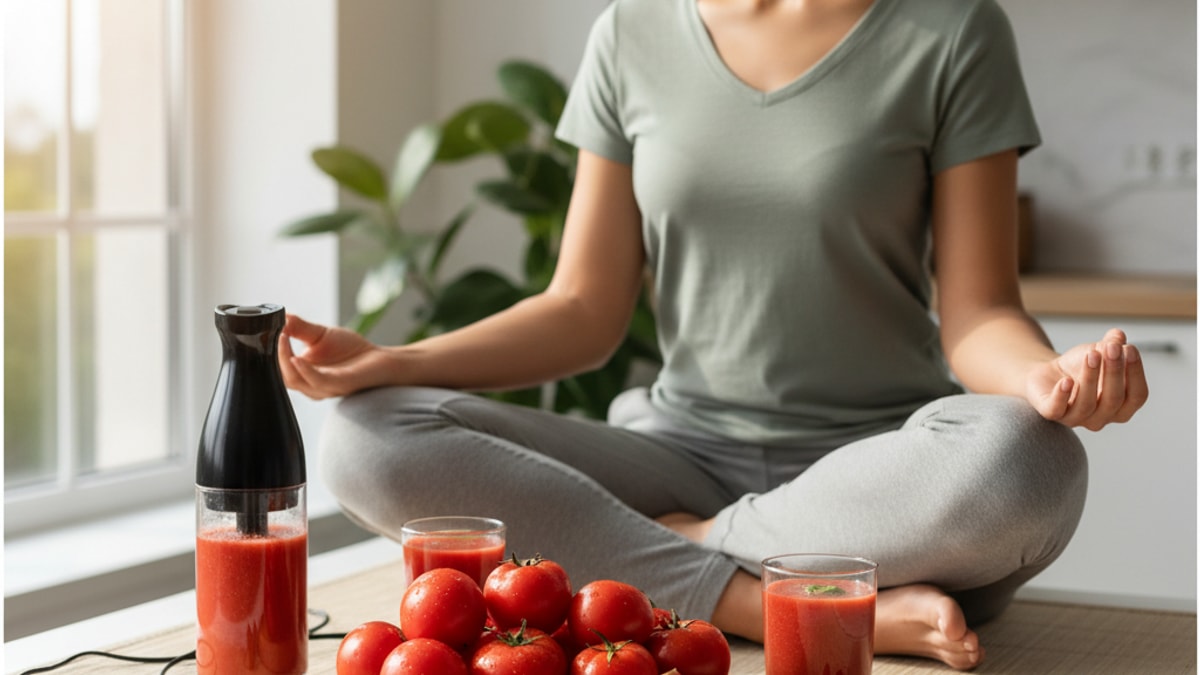
Let's be direct. The internet is a sprawling, often confusing landscape of wellness advice. One day, a food is a superfood. The next, it's on a 'never eat' list. So when a simple question like, "are tomatoes good for weight loss?" comes up, it’s easy to get lost in the noise. Our team at TrimrX sees this confusion constantly. People are looking for clear, science-backed answers they can trust, not fleeting trends. They want to know what actually moves the needle on their health journey.
So, what's the real story with the humble tomato? Is it a secret weapon for shedding pounds or just a colorful addition to your salad? The truth, as it so often is in human biology, is nuanced. While no single food can magically cause weight loss, the tomato has an impressive resume that makes it a formidable ally in a well-structured weight management plan. It’s not about magic; it's about smart, strategic nutrition. We're going to break down exactly why this everyday fruit (yes, it's technically a fruit) deserves a prime spot in your kitchen.
The Low-Calorie, High-Volume Champion
The fundamental principle of weight loss isn't glamorous, but it is unflinching. It’s about energy balance. Consuming fewer calories than your body expends creates a deficit that leads to weight loss. This is where tomatoes truly shine. They are, from a caloric standpoint, mostly water and air. A medium-sized tomato has only about 22 calories. A whole cup of cherry tomatoes? Around 27 calories. That's it.
Think about that for a second. You can eat a large volume of food, feel physically full, and consume a negligible number of calories. This concept, known as volume eating or caloric density, is a critical, non-negotiable element of sustainable weight management. Our experience shows that strategies based on severe restriction almost always fail. People feel deprived, hungry, and miserable. It’s a battle of willpower you're destined to lose. But when you fill your plate with high-volume, low-calorie foods like tomatoes, you sidestep that battle entirely. You're eating satisfying amounts of food without overloading your calorie budget. It's a psychological and physiological win.
Fiber and Satiety: The Feeling of Fullness
Calories are only one part of the equation. The other is hunger. If you're constantly fighting off cravings and a growling stomach, your plan is on borrowed time. This is where the tomato’s fiber content becomes so important. Tomatoes contain both soluble and insoluble fiber, and this combination is fantastic for appetite control.
Insoluble fiber adds bulk to your stool, helping food move through your digestive system and promoting regularity. More importantly for weight loss, soluble fiber absorbs water in your gut to form a gel-like substance. This process physically slows down digestion. Food stays in your stomach longer, which sends powerful signals of fullness, or satiety, to your brain. This isn't just a feeling; it's a hormonal response. Slowing digestion helps stabilize blood sugar levels (we’ll get to that in a moment) and prevents the sharp energy crashes that trigger cravings for high-sugar, high-calorie snacks. You eat, you feel full, and you stay full for longer. Simple, right?
Our team can't stress this enough: managing hunger is just as important as managing calories. A strategy that ignores satiety is incomplete. Tomatoes, with their potent combination of high water content and fiber, directly address this, making them an incredibly efficient tool for keeping hunger at bay.
The Overlooked Power of Hydration
Did you know that tomatoes are about 95% water? We often underestimate the role of hydration in weight management, but it's a cornerstone of a healthy metabolism. Every single cellular process in your body, including the ones that burn fat for energy, requires water to function optimally. Even mild dehydration can cause your metabolism to become sluggish.
Furthermore, our brains sometimes confuse thirst signals with hunger signals. You might think you need a snack when what your body is actually crying out for is water. By eating water-rich foods like tomatoes, you're contributing to your daily hydration needs, which can help keep those confusing signals in check and prevent unnecessary snacking. It's a simple, passive way to support your body's metabolic machinery and better regulate your appetite. It’s one of those small hinges that swing big doors in a wellness journey.
A Nutrient Profile Built for Overall Health
A successful weight loss journey isn't just about the number on the scale. It's about improving your overall health. Losing weight in a way that leaves you nutrient-deficient is a catastrophic failure. This is another area where tomatoes excel. They aren't just low-calorie filler; they are packed with essential vitamins and antioxidants that support your body through the process of change.
The most famous of these is lycopene. Lycopene is a powerful antioxidant responsible for the tomato's vibrant red color. It's been extensively studied for its role in reducing oxidative stress and inflammation in the body. Chronic inflammation is increasingly being linked to obesity and metabolic dysfunction, so loading up on anti-inflammatory foods is a profoundly smart move.
Beyond lycopene, tomatoes are a fantastic source of:
- Vitamin C: Crucial for immune function and skin health. When you're changing your diet and lifestyle, keeping your immune system robust is key.
- Potassium: An essential electrolyte that helps regulate fluid balance, muscle contractions, and nerve signals. It can also help counteract some of the negative effects of high sodium intake.
- Vitamin K: Important for blood clotting and bone health.
- Folate: A B-vitamin that is vital for cell growth and metabolism.
When you choose tomatoes, you're not just choosing a low-calorie food. You're choosing a nutrient-dense food that fuels your body with the micronutrients it needs to thrive. This holistic approach is fundamental to the philosophy we have at TrimrX. We don't just focus on weight; we focus on the entire picture of your health.
How Tomatoes Compare to Other Snacks
Context is everything. To truly understand the value of tomatoes, it helps to see how they stack up against other common 'healthy' snacks. Our team put together this quick comparison to illustrate the point. We're looking at a typical snack-sized portion for each.
| Snack (Approx. 1-Cup Serving) | Calories (Approx.) | Fiber (grams) | Sugar (grams) | Key Benefit |
|---|---|---|---|---|
| Cherry Tomatoes | 27 | 1.8 | 3.8 | Extremely low calorie, high in Lycopene |
| Baby Carrots | 52 | 4.6 | 7.3 | Excellent source of Vitamin A |
| Apple Slices (1 medium) | 95 | 4.4 | 19 | Good fiber, convenient |
| Almonds (1/4 cup) | 207 | 4.5 | 1.5 | Healthy fats, protein, filling |
| Low-Fat Greek Yogurt | 150 | 0 | 9 | High in protein, probiotics |
As you can see, while every food on this list has its merits, tomatoes are the undisputed winner when it comes to the lowest calorie count for a satisfying volume. For pure, low-impact snacking, they are incredibly hard to beat.
The Glycemic Index and Blood Sugar Stability
Now, this is where it gets a little more scientific, but it's crucial for understanding cravings. The Glycemic Index (GI) is a scale that ranks carbohydrate-containing foods by how much they raise your blood glucose levels. Foods with a high GI are digested quickly, causing a rapid spike in blood sugar and a subsequent crash. That crash is often what triggers intense cravings for more sugary foods, creating a vicious cycle.
Tomatoes have a very low GI score, typically under 15. This means they are digested and absorbed slowly, leading to a much more gradual and smaller rise in blood sugar. This stability is golden for weight management. By avoiding those dramatic peaks and valleys in your energy levels, you gain better control over your appetite and significantly reduce the likelihood of reaching for a cookie or candy bar mid-afternoon. Our team has found that focusing on low-GI foods is a game-changer for clients who struggle with sugar cravings. It helps regulate appetite from a biochemical level, which is far more effective than relying on willpower alone.
So, Are Tomatoes the Answer on Their Own?
Here’s the honest truth. No. No single food is ever the entire answer. Thinking a tomato, a piece of kale, or a scoop of protein powder will solve a complex challenge like weight management is a recipe for disappointment. Tomatoes are a fantastic tool. An incredibly effective, versatile, and nutritious tool. But they are still just one tool in the toolbox.
Sustainable weight loss is about building a comprehensive, multi-faceted strategy that works for your body and your life. It involves a balanced diet, regular physical activity, adequate sleep, stress management, and, for many people, medical support. We've seen countless individuals who do everything 'right'—they eat the salads, they go to the gym—but still struggle to see the results they deserve. This is often because underlying biological factors are working against them, like hormonal imbalances or insulin resistance. This is where a modern, scientific approach can make a significant difference.
For those who feel like they've hit a wall with traditional methods, it's worth understanding all the available options. A medically-supervised program can provide the support and biological leverage needed to finally break through. If you're curious about what that might look like for you, you can Take Quiz on our site. It’s a simple first step to gaining clarity on your personal health journey.
Practical Ways to Get More Tomatoes in Your Life
Knowing tomatoes are good for you is one thing. Actually incorporating them into your daily routine is another. The key is to make it easy and delicious. Here are some ideas from our team that go beyond the basic salad:
- Roast Them: Tossing cherry tomatoes with a tiny bit of olive oil, salt, and herbs and roasting them until they burst brings out an incredible, concentrated sweetness. They're amazing on their own, mixed into quinoa, or alongside a lean protein.
- Blistered in a Pan: Heat a non-stick skillet over medium-high heat and toss in a handful of cherry or grape tomatoes. Let them cook, shaking the pan occasionally, until their skins start to blister and pop. They make a fantastic, fast side dish.
- The Go-To Snack: Keep a container of washed cherry or grape tomatoes at the front of your fridge. When you go looking for a snack, they're the first thing you see. It makes the healthy choice the easy choice.
- Breakfast Boost: Dice a Roma tomato and add it to your scrambled eggs or omelet. It adds freshness, moisture, and a dose of nutrients to start your day.
- Homemade Sauce: Instead of buying jarred pasta sauce, which is often loaded with sugar and sodium, try making your own. Sautéing canned crushed tomatoes with garlic, onions, and Italian herbs is simple and puts you in complete control of the ingredients.
- Tomato 'Toasts': Slice a large, firm tomato into thick rounds. Top with a sprinkle of cheese, some herbs, or even a bit of tuna salad for a low-carb, bread-free snack.
Misconceptions and What to Watch For
While tomatoes are overwhelmingly beneficial, a couple of points are worth mentioning to provide a complete picture.
First, processed tomato products are not all created equal. Ketchup, for example, is often packed with high-fructose corn syrup and sugar. A single tablespoon can have 4 grams of sugar. Always read the labels. Look for canned tomatoes with no added salt or sugar, and choose tomato pastes and sauces that have minimal, whole-food ingredients.
Second, what about nightshades and inflammation? You may have heard some people suggest that nightshade vegetables (which include tomatoes, peppers, and eggplants) can exacerbate inflammation or arthritis. While a very small subset of the population may have a specific sensitivity, for the vast majority of people, this is a myth. In fact, as we've discussed, the high antioxidant content (like lycopene) in tomatoes makes them a powerfully anti-inflammatory food. We recommend not cutting out entire food groups based on internet rumors unless you've specifically identified a sensitivity with a healthcare professional.
Tomatoes in a Modern, Medically-Supervised Plan
This is where everything comes together. How does a humble food like the tomato fit into a cutting-edge, biotech-driven weight loss program like the one we offer at TrimrX? The answer is: perfectly.
Our programs utilize advanced GLP-1 medications like Semaglutide and Tirzepatide. These treatments are incredibly effective because they work with your body's own hormones to regulate appetite and blood sugar. They quiet the 'food noise' and reduce cravings, making it dramatically easier to stick to a healthy eating plan. But the medication is only half the story. What you eat while on the treatment is what determines the quality and sustainability of your results.
This is why tomatoes are such a perfect fit. When your appetite is naturally reduced, you need every calorie you consume to be packed with nutrition. You can't afford to waste your smaller appetite on empty calories. Nutrient-dense, low-calorie, high-fiber foods like tomatoes become the ideal fuel. They provide the vitamins, minerals, and hydration your body needs to thrive while you lose weight, and their fiber content works synergistically with the medication to enhance feelings of fullness. It’s a perfect partnership between biology and nutrition. When you're ready to explore a comprehensive solution that combines the best of medical science with smart nutrition, you can Start Your Treatment with our dedicated medical team.
So, are tomatoes good for weight loss? The answer is a resounding yes. They aren't a magic pill, but they are an incredibly valuable, scientifically-sound component of a successful and healthy weight management strategy. They are proof that sometimes, the simplest foods are the most powerful. Building a healthier life isn't about finding one secret; it's about making a series of smart, informed choices, one meal at a time. And adding more tomatoes is one of the smartest choices you can make.
Frequently Asked Questions
How many tomatoes should I eat a day for weight loss?
▼
There’s no magic number, as it’s about your overall diet. However, incorporating one to two servings, like a medium tomato or a cup of cherry tomatoes, into your daily meals is a fantastic and sustainable goal for most people.
Does cooking tomatoes reduce their weight loss benefits?
▼
Interestingly, no. Cooking tomatoes actually breaks down their cell walls, making the powerful antioxidant lycopene more bioavailable for your body to absorb. While it slightly reduces Vitamin C, the overall nutritional profile remains excellent for a weight management plan.
Are canned tomatoes as good as fresh for weight loss?
▼
Yes, they can be a great option. Canned tomatoes retain most of their nutrients, especially lycopene. Just be sure to choose varieties with no added salt or sugar to keep them as healthy as possible.
Can tomato juice help me lose weight?
▼
It can be part of a plan, but be cautious. Juicing removes the beneficial fiber, which is key for feeling full. If you drink it, opt for low-sodium, 100% juice and consider it a source of nutrients rather than a tool for satiety.
Are sun-dried tomatoes good for weight loss?
▼
Sun-dried tomatoes are delicious but calorically dense because the water has been removed. A small amount can add great flavor, but they should be used in moderation compared to fresh tomatoes if your primary goal is weight loss.
Do different colored tomatoes have different benefits?
▼
Yes, to some extent. Red tomatoes are highest in lycopene, while orange and yellow varieties are richer in beta-carotene. Including a variety of colors in your diet is a great way to get a broader spectrum of nutrients.
Can the acidity in tomatoes upset my stomach?
▼
For some individuals, especially those with acid reflux or GERD, the natural acidity of tomatoes can be an issue. If you notice discomfort, you might try consuming them in smaller quantities or with other foods to buffer the acid.
Is ketchup a good way to get the benefits of tomatoes?
▼
Unfortunately, no. Most commercial ketchups are very high in added sugar and sodium, which can counteract any weight loss efforts. It’s best to view ketchup as a condiment to be used sparingly, not a health food.
Will eating tomatoes alone make me lose belly fat?
▼
No single food can target fat loss in a specific area of the body. Losing belly fat requires an overall caloric deficit achieved through a comprehensive plan of diet and exercise. Tomatoes are an excellent food to include in that plan.
Are organic tomatoes better for weight loss?
▼
From a weight loss perspective, the calorie, fiber, and water content are virtually identical between organic and conventional tomatoes. The choice to buy organic is more about personal preference regarding pesticide exposure and farming practices.
Do I need to peel tomatoes to get the benefits?
▼
Definitely not! The skin of the tomato is rich in fiber and phytonutrients. We recommend eating the whole tomato, skin and all, to get the maximum nutritional benefit.
Can I eat too many tomatoes?
▼
While it’s difficult to ‘overdose’ on tomatoes, eating them in extreme excess could potentially lead to digestive upset due to the fiber and acid content. A balanced approach is always best, incorporating tomatoes as part of a varied diet.

Transforming Lives, One Step at a Time
Keep reading
Top 5 Best Weight Loss Programs for Beginners in 2026
Starting a weight loss journey means sorting through GLP-1 medication ads, apps that gamify your groceries, and online weight management programs promising a doctor…

What to Do With a Full Pantry You No Longer Eat From
Sort it into three piles rather than clearing it all out: donate, keep, and discard. The mistake most people make is emptying the whole…

How to Handle a Business Dinner When the Client Orders for the Table
This is the one dining situation where your usual tools do not work. You cannot order a starter as your main, cannot ask for…


