Are Pretzels Healthy for Weight Loss? Our Team’s Unfiltered Take
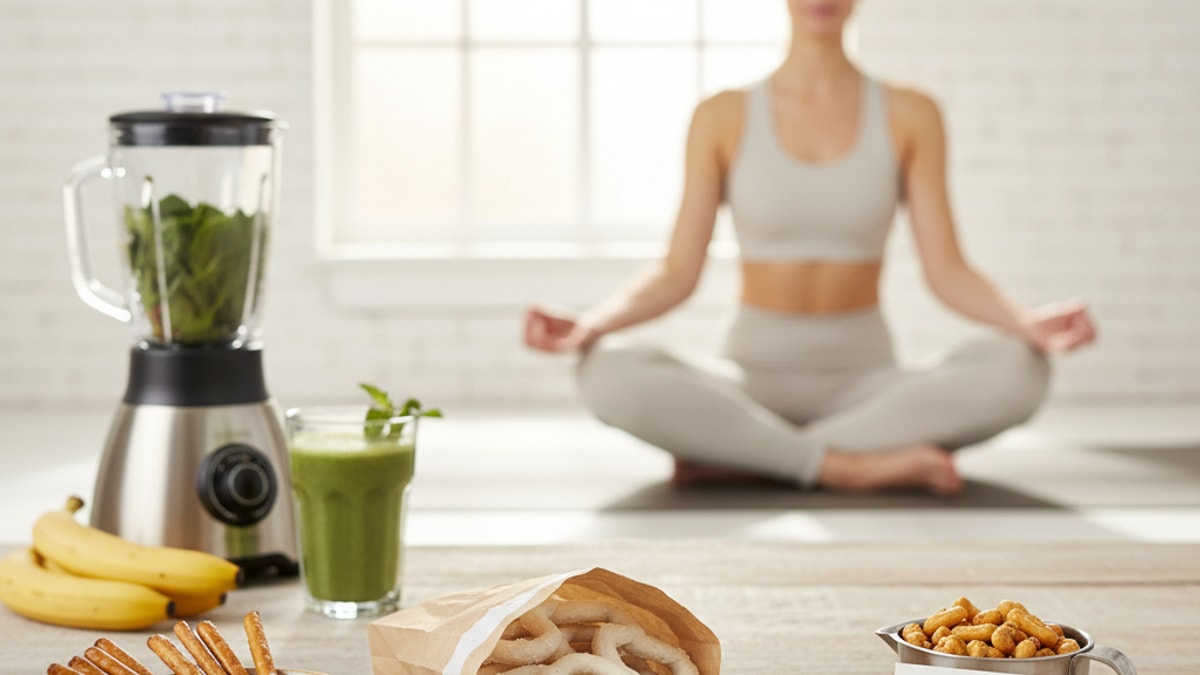
We've all been there. It’s mid-afternoon, your energy is flagging, and you need something to get you through to dinner. You wander to the pantry or the vending machine, bypassing the greasy potato chips and candy bars for what feels like the 'smarter' choice: pretzels. They’re baked, not fried. They’re low in fat. They must be a good option, right? It’s one of the most common assumptions we see people make on their weight loss journey.
The question, "are pretzels healthy for weight loss?" seems simple on the surface, but the answer is far more nuanced than a simple yes or no. Here at TrimrX, our entire approach is built on understanding the complex interplay of nutrition, metabolism, and human biology. We guide patients through medically-supervised weight loss using advanced treatments like GLP-1s, so we don't deal in simplistic food rules. Instead, we look at the science. And honestly, the science behind pretzels and their role in a sustainable weight loss plan is something everyone should understand.
The Psychology of the Pretzel: Why We Crave the Crunch
Let’s be honest for a moment. The appeal of a pretzel is undeniable. It's the salty, savory crunch. That satisfying snap is a huge part of the snacking experience, providing a sensory distraction that can feel incredibly rewarding, especially during a stressful day. Pretzels have cultivated a reputation as the 'healthier' alternative in the snack aisle, a perception reinforced by decades of marketing that has positioned them as the virtuous cousin to the deep-fried potato chip. They're fat-free! Baked! What could be wrong?
This perception is powerful, but it's also dangerously misleading. Our clinical team has found that this 'health halo' effect often leads to overconsumption. Because you believe you're making a good choice, you might not be as mindful of portion sizes. A small handful turns into half the bag, and before you know it, you’ve consumed hundreds of calories without even realizing it. The very thing that makes them seem safe—their lack of fat—is part of what makes them so easy to eat in large quantities without feeling full. It’s a classic psychological trap, and it’s one that can quietly sabotage even the most well-intentioned weight loss efforts. That crunch isn't satisfying your body's need for nutrients; it's just satisfying a fleeting sensory craving.
A Nutritional Deep Dive: The Unflattering Truth
When we pull back the curtain and look at the nutritional profile of a standard hard pretzel, the picture becomes very clear. And it's not a pretty one for someone focused on weight loss and metabolic health.
The primary ingredient is refined white flour. Full stop. This is essentially flour that has been stripped of its bran and germ, along with the vast majority of its fiber, B vitamins, and essential minerals. What you're left with is a simple, fast-digesting carbohydrate. When you eat it, your body breaks it down into sugar with breathtaking speed, causing a rapid spike in your blood glucose levels. Your pancreas then scrambles to release insulin to manage this sugar rush. This is the classic blood sugar rollercoaster. You get a quick burst of energy followed by an inevitable crash, which often leaves you feeling tired, irritable, and—you guessed it—craving more simple carbs.
This cycle is metabolically damaging and is the exact opposite of what we want to achieve for sustainable weight loss. For our patients on GLP-1 medications like Semaglutide and Tirzepatide, a core goal is to stabilize blood sugar and improve insulin sensitivity. These medications work by mimicking natural hormones that slow digestion and regulate glucose. Consuming a food like pretzels actively works against that biological goal. It’s like trying to drive a car with one foot on the gas and one on the brake.
And then there's the sodium. The amount of salt on most pretzels is staggering. A single serving can contain 15-20% of your recommended daily sodium intake. This contributes to water retention, which can be incredibly frustrating when you're trying to lose weight. You might be losing fat, but the scale doesn't budge (or even goes up) because your body is holding onto excess water. Beyond the scale, high sodium intake is a major contributor to high blood pressure and cardiovascular strain. Pretzels are, in essence, nutritionally empty vessels for salt and fast-digesting starch.
Calorie Density vs. Nutrient Density
This is a critical concept we teach all our patients. Are pretzels low in calories? Compared to a donut, maybe. But the calorie count on the label is deceptive. A typical serving size is about one ounce, which is a disappointingly small handful of about 15-20 tiny pretzels. This tiny portion contains around 100-110 calories, almost exclusively from carbohydrates, with negligible protein and fiber.
Protein and fiber are the two most important macronutrients for satiety—the feeling of fullness and satisfaction after a meal. Because pretzels have virtually none, those 100 calories do absolutely nothing to fill you up. You could eat 300 calories of pretzels and feel hungry again in an hour. Contrast that with 300 calories of Greek yogurt with berries or a grilled chicken breast. Those options provide a powerful combination of protein, fiber, and micronutrients that will keep you full for hours, stabilize your blood sugar, and contribute to muscle maintenance. Pretzels are the definition of calorie-dense and nutrient-poor. They take up a portion of your daily calorie budget without giving your body any of the building blocks it actually needs.
It’s a terrible trade-off.
Snack Showdown: Pretzels vs. The Alternatives
To put this into perspective, our team put together a quick comparison of common snack choices. We’ve included a 'Satiety Score' based on our clinical experience of how well these foods help control hunger.
| Snack (Approx. 150 Calories) | Protein (g) | Fiber (g) | Sodium (mg) | Satiety Score (1-10) |
|---|---|---|---|---|
| Hard Pretzels (~1.5 oz) | ~3g | <1g | ~480mg | 1/10 |
| Potato Chips (~15 chips) | ~2g | ~1g | ~170mg | 2/10 |
| Almonds (~20 nuts) | ~6g | ~3.5g | ~1mg | 8/10 |
| Apple with 1 tbsp PB | ~4g | ~4g | ~75mg | 8/10 |
| Baby Carrots with Hummus | ~4g | ~5g | ~250mg | 7/10 |
| Greek Yogurt (5 oz, plain) | ~15g | 0g | ~55mg | 9/10 |
| Hard-Boiled Egg (2 large) | ~12g | 0g | ~125mg | 9/10 |
The data speaks for itself. For a similar calorie count, you can get dramatically more protein and fiber from other sources, which are the key drivers of fullness and appetite control. The pretzel offers almost nothing of value and comes with a massive dose of sodium. It's simply not in the same league as truly healthy snack options.
The Final Verdict from Our Experts
So, after all this, are pretzels healthy for weight loss? The answer from our professional standpoint is an unequivocal no. They do not support your goals. They are not a 'health food,' and they certainly aren't a 'weight loss food.' They are refined carbohydrates with high sodium content and virtually zero nutritional value. They spike blood sugar, fuel cravings, and don't provide lasting energy or satiety.
Can you ever eat a pretzel again? Of course. We believe in sustainable, long-term lifestyle changes, not extreme deprivation. A few pretzels at a party once in a blue moon will not derail your entire journey. The danger lies in considering them a staple, a go-to 'healthy' snack. That habit is what causes problems. It's about shifting your mindset. A pretzel isn't a snack; it's a treat, to be consumed with the same mindfulness and infrequency as a cookie or a piece of cake. It has no place in your daily routine if you're serious about losing weight and improving your metabolic health.
Building a Smarter Snacking Strategy
Instead of focusing on what to cut out, let's focus on what to add in. The goal of a smart snack is to bridge the gap between meals, stabilize blood sugar, and provide your body with useful nutrients. Your snack should have a purpose. It should contain protein and/or fiber. That's the rule.
Here are some go-to options our team regularly recommends to patients:
- The Protein Powerhouse: A hard-boiled egg, a handful of unsalted almonds or walnuts, a small container of plain Greek yogurt or cottage cheese, or a stick of string cheese.
- The Fiber Fix: Apple slices with a tablespoon of natural peanut or almond butter, a cup of edamame, or crunchy vegetables like bell peppers, cucumbers, and celery with a side of hummus.
- The Quick Combo: A quality protein shake (look for low sugar), a small bag of roasted chickpeas, or even a few slices of lean turkey wrapped around a pickle.
Planning is everything. If you know you have healthy, satisfying snacks ready to go, you're far less likely to find yourself at the mercy of the vending machine's pretzel selection. It's about making the right choice the easy choice.
Beyond the Snack: The Biological Reality of Weight Loss
The conversation around a single food like pretzels highlights a much bigger issue. True, sustainable weight loss isn't about finding the 'perfect' snack or following a rigid set of food rules. It's about changing your underlying biology. For many people, especially those who have struggled with weight for years, the body's own systems—hormones, metabolism, appetite signals—are working against them. This is where a medical approach becomes not just helpful, but necessary.
At TrimrX, we use FDA-approved GLP-1 medications as a tool to fundamentally reset this biology. These treatments help regulate the hormone glucagon-like peptide-1, which is crucial for appetite control and blood sugar management. By slowing down how quickly your stomach empties, they help you feel fuller for longer. By signaling to your brain that you're satisfied, they reduce the constant 'food noise' and cravings for things like pretzels. They provide the biological tailwind that finally allows new, healthier habits to stick.
This is why a comprehensive, medically-supervised program is so profoundly effective. It's not just about a prescription; it's about combining that powerful biological tool with expert guidance on nutrition, exercise, and behavior. We help you work with your body, not against it. If you've been stuck in a cycle of dieting and regaining, and you're ready to address the root biological factors, we invite you to take the first step. You can Start Your Treatment with our medical team and begin a new chapter.
Thinking you can overcome powerful biological drivers with sheer willpower is a recipe for frustration. It's not a personal failing; it's a physiological challenge. By addressing the physiology directly, we create the space for lasting change.
Our program isn’t about demonizing foods. It's about empowering you with scientific knowledge and medical tools to build a life where you are in control of your health. It’s about making pretzels irrelevant because you're fueling your body with foods that actually make you feel fantastic and full. That's real food freedom. The goal is to get to a place where you don't even want the pretzels because you understand what your body truly needs, and you're finally able to give it just that.
Ultimately, the pretzel question is a small piece of a much larger puzzle. Focusing on nutrient-dense, whole foods that support stable blood sugar and satiety is the only strategy that works for long-term health and weight management. Ditch the empty crunch and embrace foods that fuel your body and your goals. Your health is worth more than a bag of salty, refined flour.
Frequently Asked Questions
Are whole wheat pretzels a healthier option for weight loss?
▼
While whole wheat pretzels contain slightly more fiber than their white flour counterparts, they are still a highly processed, calorie-dense food. Our team recommends focusing on whole food sources of fiber, like vegetables and legumes, which are far more satiating and nutritious.
What about pretzel thins or crisps? Are they better?
▼
Pretzel thins are often marketed as a lighter option, but the nutritional difference is minimal. They are still made from refined flour and sodium, offering very little protein or fiber. The thinness can also make it easier to eat more of them without realizing it.
Can I eat pretzels if I’m on a GLP-1 medication like Semaglutide?
▼
You can, but we strongly advise against making it a habit. GLP-1s work best when paired with a diet rich in protein, fiber, and healthy fats to maximize satiety and stabilize blood sugar. Pretzels directly counteract these goals by providing empty calories and spiking glucose.
How many pretzels can I eat on a diet?
▼
Instead of focusing on a number, we encourage a mindset shift. Think of pretzels as a treat, similar to a cookie. If you choose to have them, stick to a very small, pre-portioned amount (around 10-12 small pretzels) and do so infrequently.
Do pretzels cause belly fat?
▼
No single food directly causes belly fat. However, a diet high in refined carbohydrates and empty calories, like those from pretzels, can lead to insulin resistance and overall weight gain, which often includes an increase in visceral fat around the abdomen.
Are sourdough pretzels a better choice?
▼
The fermentation process for sourdough can make some nutrients more bioavailable and may slightly lower the glycemic impact. However, they are still primarily refined flour and sodium, and they don’t offer the protein or fiber needed for a truly beneficial weight loss snack.
Why do I crave salty snacks like pretzels?
▼
Salt cravings can be complex, sometimes linked to dehydration, stress, or simply habit. Instead of pretzels, try satisfying the craving with something healthier like salted edamame, a few olives, or roasted seaweed snacks, which offer more nutritional benefits.
Are pretzels worse than potato chips for weight loss?
▼
It’s like asking if it’s better to get hit by a bus or a train; neither is a good option. While chips have more fat, pretzels have more sodium and can cause a faster blood sugar spike. Our team recommends avoiding both as regular snacks and choosing whole foods instead.
What’s a good crunchy snack alternative to pretzels?
▼
We love recommending roasted chickpeas, which are packed with fiber and protein. Other great options include raw vegetables like bell peppers and celery, a small handful of almonds, or kale chips. These provide the satisfying crunch with actual nutrition.
Can eating too many pretzels make my weight loss stall?
▼
Absolutely. The high sodium can cause water retention, masking fat loss on the scale. Furthermore, the empty calories can easily push you over your daily energy needs without providing any satiety, leading to a true weight loss plateau.
Are gluten-free pretzels any healthier?
▼
Gluten-free does not automatically mean healthy. Gluten-free pretzels are typically made from other refined starches like rice or corn flour, which have a similar negative impact on blood sugar. They lack protein and fiber just like their wheat-based counterparts.

Transforming Lives, One Step at a Time
Keep reading
Top 5 Best Weight Loss Programs for Beginners in 2026
Starting a weight loss journey means sorting through GLP-1 medication ads, apps that gamify your groceries, and online weight management programs promising a doctor…

What to Do With a Full Pantry You No Longer Eat From
Sort it into three piles rather than clearing it all out: donate, keep, and discard. The mistake most people make is emptying the whole…

How to Handle a Business Dinner When the Client Orders for the Table
This is the one dining situation where your usual tools do not work. You cannot order a starter as your main, cannot ask for…


