What Is the Best Meal Replacement Shake for Weight Loss?
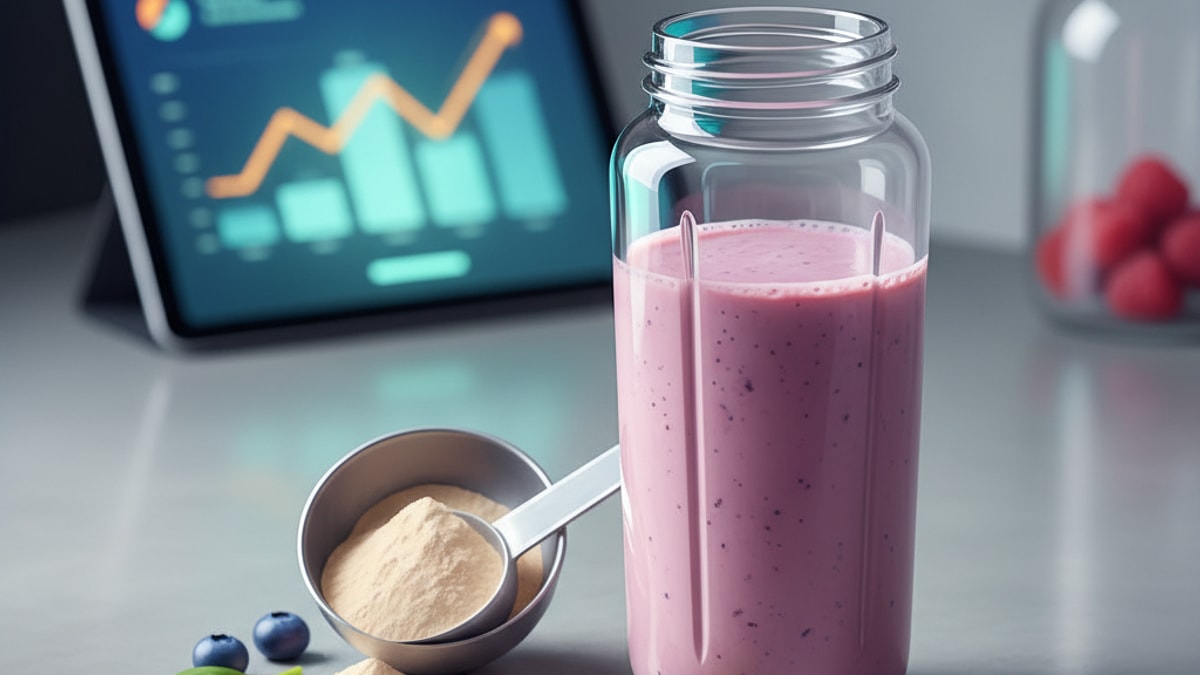
The search for the perfect weight loss tool can feel endless. You're scrolling, reading reviews, and trying to decipher ingredient lists that look more like a chemistry final than a nutrition label. It’s overwhelming. And right in the middle of this sprawling marketplace is the meal replacement shake, promising convenience, simplicity, and results. It's a tempting offer, especially when you're juggling a demanding schedule and the relentless goal of improving your health.
But here’s a truth our team at TrimrX has learned from years in biotechnology and medically-supervised weight loss: a tool is only as good as the strategy behind it. A shake can be a fantastic asset or a complete waste of money and effort. The difference lies in knowing precisely what you’re looking for and understanding how it fits into the bigger picture of your metabolic health. We're not here to sell you a specific brand. We're here to give you the expert framework to choose wisely for yourself, because we believe an informed patient is an empowered one.
The Allure and the Pitfalls of Meal Replacement Shakes
Let's be honest, the appeal is obvious. The idea of replacing a complex meal with a quick, perfectly portioned shake is a powerful one. It promises to remove the guesswork from calorie counting and eliminate the time sink of meal prep. For someone with a grueling schedule, it feels like a modern solution to a timeless problem. It's portion control in a bottle.
And for a short period, this can seem to work. You're consuming fewer calories, the number on the scale might dip, and you feel a sense of control. We've seen it. But this is often where the benefits end and the problems begin. The vast majority of commercially available shakes are, to put it bluntly, nutritional disasters. They're often loaded with sugar, corn syrup solids, and artificial fillers designed to make them taste like a dessert. They might provide a short-term energy spike from the sugar, but it's inevitably followed by a catastrophic crash, leaving you hungrier and more prone to cravings than before. This isn't a path to sustainable weight loss; it's a hormonal rollercoaster.
This approach also completely sidesteps the development of healthy habits. Relying exclusively on shakes teaches you nothing about balanced meal construction, portion sizes of whole foods, or how to navigate a restaurant menu. It’s a temporary fix that often leaves people feeling lost and unprepared to maintain their results once they stop. We can't stress this enough: long-term success isn't about finding a magic product, it's about building a sustainable lifestyle, and that's a process that requires more than just a blender.
Deconstructing the "Perfect" Shake: What Our Experts Look For
So, if you are going to use a shake as a strategic tool—say, for a quick breakfast on a chaotic morning or a post-workout recovery meal—what should you actually be looking for? It all comes down to the nutritional panel. That's the real story. Our team has a non-negotiable checklist for evaluating any shake that claims to be a meal replacement.
First up, protein. This is the absolute cornerstone of an effective shake. Protein is critical for preserving lean muscle mass during weight loss, which is essential for maintaining a healthy metabolic rate. It's also the most satiating macronutrient, meaning it helps you feel fuller for longer, crushing the cravings that derail so many weight loss efforts. We recommend looking for a shake with at least 20-30 grams of high-quality protein. The source matters, too. Whey and casein are excellent, highly bioavailable options for those who tolerate dairy. For a plant-based approach, a blend of sources like pea, brown rice, and hemp protein is ideal to ensure a complete amino acid profile.
Next, you have to scrutinize the sugar content. This is the single biggest red flag. Many shakes pack in 20, 30, or even 40 grams of sugar per serving. That's more than a can of soda. This is catastrophic for weight loss. It spikes your insulin, promotes fat storage, and sends your energy levels on a wild ride. Our rule is simple: look for a shake with under 5 grams of sugar, and ideally, zero added sugars. The sweetness should come from natural, non-caloric sources like stevia or monk fruit, not from fructose or maltodextrin.
Fiber is another non-negotiable element. It's what separates a true meal replacement from a simple protein powder. Fiber works in tandem with protein to promote satiety. It also slows down digestion, which helps stabilize blood sugar levels and prevent those dreaded energy crashes. A good meal replacement shake should provide at least 5-10 grams of fiber per serving. This helps mimic the digestive experience of eating a balanced meal of whole foods, keeping you satisfied until your next meal.
Finally, think about healthy fats and micronutrients. Healthy fats, like MCT oil or flaxseed, can also contribute to satiety and provide a source of sustained energy. They are not the enemy. Furthermore, if a shake is truly replacing a meal, it needs to replace the vitamins and minerals that meal would have provided. Look for a shake fortified with a broad spectrum of essential micronutrients like Vitamin D, calcium, iron, and potassium. Without these, you're not just creating a calorie deficit; you're creating a nutrient deficit, which can have serious consequences for your overall health.
The Big Comparison: Reading Between the Lines on the Label
To make this tangible, let's break down what you might see on the shelf. It's easy to get swayed by clever marketing and flashy packaging. The only thing that matters is the nutrition facts panel. Here’s a comparison our team put together to illustrate what separates a high-quality option from a poor one.
| Feature | The Ideal Shake (What to Look For) | The Common Offender (What to Avoid) | Why It Matters |
|---|---|---|---|
| Protein Content | 20-30g per serving | <15g per serving | Protein is paramount for muscle preservation and satiety. Less than 15g won't keep you full. |
| Protein Source | Whey, Casein, or Plant-Blend | Soy Protein Isolate, Collagen | High-quality sources provide a complete amino acid profile. Soy isolate can be highly processed. |
| Sugar Content | <5g (0g added sugar) | 15-30g+ | High sugar spikes insulin, promotes fat storage, and leads to energy crashes and cravings. This is a deal-breaker. |
| Fiber Content | 5-10g+ per serving | 0-2g per serving | Fiber is crucial for fullness, digestive health, and blood sugar regulation. A lack of it is a red flag. |
| Fat Source | MCTs, Flax, Avocado Oil Powder | Vegetable Oils, Creamer Solids | Healthy fats support brain function and satiety. Cheap fillers add calories without nutritional benefit. |
| Fortification | Fortified with 20+ Vitamins/Minerals | None or minimal | If it's replacing a meal, it must replace the micronutrients. Otherwise, you risk nutrient deficiencies. |
Looking at this table, the difference becomes stark. It’s not about finding a shake that tastes like a milkshake; it's about finding one that functions like a balanced meal.
Shakes vs. Whole Foods: An Unflinching Look
Let’s make one thing perfectly clear: no shake, no matter how impeccably formulated, will ever be superior to a balanced meal made from whole, unprocessed foods. Ever.
Whole foods provide a complex matrix of nutrients, phytonutrients, enzymes, and fiber that simply cannot be replicated in a powder. The act of chewing and digesting solid food also plays a significant role in the body's satiety signals. Your brain registers a meal of grilled chicken, quinoa, and broccoli very differently than it does a liquid consumed in 60 seconds. We've seen countless individuals who, despite drinking a nutritionally-sound shake, still feel psychologically unsatisfied because they miss the ritual and sensory experience of eating a meal.
That's why our professional stance is that meal replacement shakes should be viewed as a strategic supplement, not a foundational lifestyle. They are a tool for nutritional insurance on days when a proper meal is genuinely impossible. They can be a convenient breakfast when you’re rushing out the door or a way to avoid the fast-food trap during a busy workday. But they should be the exception, not the rule. The goal should always be to build your diet around lean proteins, vegetables, fruits, and healthy fats. That's the bedrock of sustainable health.
The Bigger Picture: Where Shakes Fit into a Real Weight Loss Strategy
This brings us to a much more important conversation. The question shouldn't just be, "What is the best meal replacement shake for weight loss?" The real question is, "What is the best strategy for weight loss, and how can tools like shakes support it?"
At TrimrX, our entire approach is built on addressing the root biological factors that govern weight. We focus on the science of metabolic health, hormonal balance, and appetite regulation. This is where modern medical advancements, like GLP-1 medications (Semaglutide and Tirzepatide), have become so transformative. These treatments work by targeting the underlying biological signals that control hunger and satiety. They help regulate your appetite from the inside out, making it fundamentally easier to make healthier food choices and adhere to a lower-calorie diet without the constant, draining battle against cravings.
Now, this is where a high-quality meal replacement shake can become a genuinely useful part of a comprehensive, medically-supervised plan. When your appetite is naturally reduced by a treatment like Semaglutide, it can sometimes be challenging to meet your essential protein and nutrient needs. You're simply not as hungry. In this specific context, a nutrient-dense, high-protein, low-sugar shake isn't a crutch; it's a smart tool to ensure your body gets the critical building blocks it needs to stay strong and healthy while you lose weight. It supports the primary treatment—it doesn't replace it. This approach, which our team has refined over years, delivers real, sustainable results because it combines powerful medical science with smart nutritional strategy. If you're curious about whether a medical approach is right for you, you can Take Quiz to see if you're a candidate.
Common Mistakes We See People Make with Meal Replacements
Even with the best intentions, it's easy to use shakes in a way that undermines your goals. Our experience has shown us a few recurring patterns that we always advise against.
The most common mistake is over-reliance. People start by replacing one meal, see some initial results, and then decide to replace two or even three meals a day. This is a fast track to burnout and nutritional deficiencies. Your body needs whole foods. Period.
Another frequent error is what we call "calorie bargaining." This is when someone drinks a 200-calorie shake for lunch and then feels justified in eating a massive, unhealthy dinner because they "saved" calories earlier. This mindset completely misses the point. The goal is consistent, balanced nutrition throughout the day, not a cycle of restriction and overindulgence.
Finally, people often ignore the quality of their other meals. They have a healthy shake for breakfast but then eat processed snacks and a high-calorie takeaway meal for dinner. A single healthy choice cannot undo the damage of a dozen poor ones. A shake must be part of an overall commitment to better nutrition, not an isolated island of health in a sea of poor choices.
Our Professional Recommendation: A Balanced Approach
So, what's our final verdict on the best meal replacement shake for weight loss? It’s the one that meets the strict nutritional criteria we’ve outlined—high protein, high fiber, low sugar, and fortified with micronutrients. But more importantly, it’s the one that you use correctly.
Use it as a tool, not a crutch. Use it for convenience, not as your primary source of nutrition. And most critically, use it as a small part of a much larger, more comprehensive strategy for improving your health. A shake can help you manage calories on a busy day, but it can't fix your metabolism, rebalance your hormones, or teach you sustainable eating habits. For that, you need a more profound approach that addresses the biological drivers of weight.
True, lasting change comes from understanding your body's unique chemistry and working with it, not against it. It comes from combining smart nutritional choices with a medically-sound plan that makes the entire process feel less like a battle. If you're ready to move beyond temporary fixes and address the root causes of weight gain, we're here to help you get started. It's time to build a strategy that lasts. You can Start Your Treatment with a team that understands the science behind sustainable results.
The right information is the first step. Now, it's about putting that knowledge into action within a framework designed for success. You can absolutely achieve your goals, and understanding the proper role of every tool at your disposal is a critical piece of that puzzle.
Frequently Asked Questions
Can I lose weight just by drinking meal replacement shakes?
▼
While you might see initial weight loss due to calorie restriction, relying solely on shakes is not a sustainable or healthy long-term strategy. Our team emphasizes that lasting results come from building healthy habits around whole foods and addressing metabolic health, not from liquid diets.
How many meals a day can I replace with a shake?
▼
We strongly advise against replacing more than one meal per day with a shake, and even that should not be a daily habit. Shakes should be used for convenience on exceptionally busy days, not as a consistent replacement for whole, nutritious food.
Are meal replacement shakes safe for everyone?
▼
Generally, for healthy adults, they are safe when used occasionally. However, they are not suitable for pregnant or breastfeeding women, or individuals with certain medical conditions like kidney disease. We always recommend consulting with a healthcare professional before starting any new dietary regimen.
What’s the difference between a protein shake and a meal replacement shake?
▼
A protein shake is primarily just that—protein. A true meal replacement shake is formulated to provide a more complete nutritional profile, including protein, fiber, healthy fats, and a broad spectrum of essential vitamins and minerals to mimic a balanced meal.
Do meal replacement shakes cause bloating?
▼
They can for some people. Bloating can be caused by certain types of fiber, artificial sweeteners, or dairy if you have a sensitivity. If you experience bloating, our team suggests trying a different brand with a different protein source, like a plant-based formula.
How long can I use meal replacement shakes?
▼
Think of them as a short-term tool, not a permanent lifestyle change. They are best used intermittently to navigate busy schedules. Relying on them for weeks or months on end can lead to ‘diet fatigue’ and prevent you from learning sustainable eating habits.
Are expensive meal replacement shakes better?
▼
Not necessarily. Price doesn’t always correlate with quality. The most important thing is to ignore the marketing and meticulously read the nutrition label. A less expensive shake with high protein, high fiber, and low sugar is far better than a pricey one that’s full of sugar.
Can I make my own meal replacement shake at home?
▼
Absolutely, and it’s often a better option! You have complete control over the ingredients. A great homemade shake could include a high-quality protein powder, spinach, a source of fiber like chia seeds, a healthy fat like avocado or almond butter, and unsweetened almond milk.
Will I gain the weight back after I stop using shakes?
▼
This is a significant risk if the shakes were your only strategy. If you haven’t built sustainable habits for eating whole foods, you’re likely to revert to old patterns and regain the weight. This is why our focus at TrimrX is always on a comprehensive, long-term lifestyle change.
Do these shakes work with medically-supervised programs using Semaglutide?
▼
Yes, they can be a very effective tool in that context. When a GLP-1 medication reduces your appetite, a nutrient-dense shake can help ensure you meet your protein and micronutrient needs. It becomes a strategic support for the primary medical treatment, which is an approach we often find successful.
What should I look for in a plant-based meal replacement shake?
▼
For plant-based options, look for a blend of protein sources like pea, brown rice, and hemp. This ensures you get a complete amino acid profile, similar to whey. The same rules for sugar, fiber, and micronutrient fortification still apply.
Is whey protein the best choice for weight loss shakes?
▼
Whey protein is an excellent choice due to its high bioavailability and complete amino acid profile, which is great for satiety and muscle support. However, for those with dairy sensitivities, a high-quality plant-based blend is an equally effective alternative for supporting weight loss goals.

Transforming Lives, One Step at a Time
Keep reading

How to Handle a Business Dinner When the Client Orders for the Table
This is the one dining situation where your usual tools do not work. You cannot order a starter as your main, cannot ask for…

How to Handle Group Dinners Where Everyone Shares Plates
Shared dining is generally easier than a fixed plate, not harder, and it is worth going in with that framing. When everyone is taking…

How to Decline Dessert Without Making It Awkward
The most reliable technique is not declining at all. Take a small amount, or share one, and the moment passes without comment. A refusal…


