Weight Loss & Gallstones: How to Protect Your Health
You’ve made the decision. You’re ready for a change, and you're committed to shedding the extra weight that’s been holding you back. It’s an exciting, empowering moment. Whether you're just starting to adjust your lifestyle or you're leveraging powerful medical tools like GLP-1 medications, the path ahead feels full of promise. Our team at TrimrX sees that spark in our patients every single day, and frankly, it’s what drives us.
But in the pursuit of this incredible goal, an unexpected and painful roadblock can sometimes appear: gallstones. It feels like a cruel twist of irony, doesn't it? You’re doing something amazing for your body, only to be met with a complication that can be intensely painful and disruptive. Let's be honest, it’s a frustrating prospect. We've found that understanding the 'why' behind this phenomenon is the first step toward preventing it. As a medical team that specializes in guiding patients through significant, sustainable weight loss, we’ve developed a deep understanding of this issue and, more importantly, how to navigate it successfully. This isn't just about losing weight; it's about gaining health, and that means doing it intelligently.
So, What Exactly Are Gallstones?
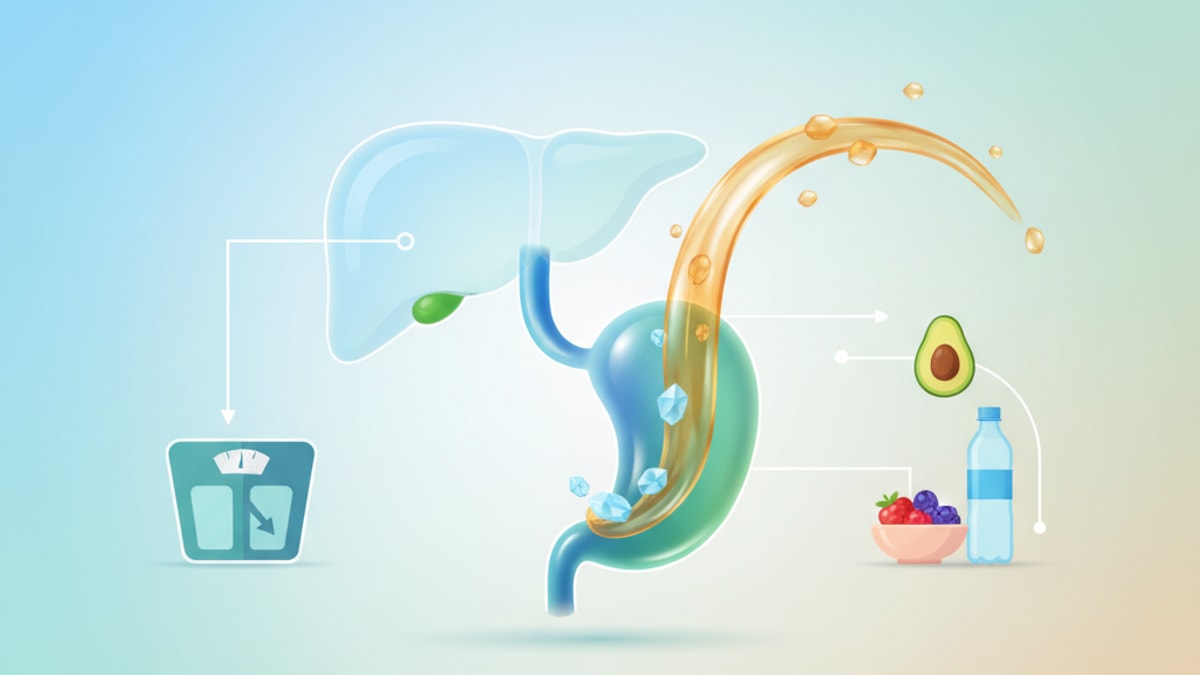
Before we dive into prevention, let's quickly get on the same page. Your gallbladder is a small, pear-shaped organ tucked away beneath your liver. Its main job is to store and concentrate bile, a digestive fluid produced by the liver that helps break down fats. Think of it as a little reservoir, releasing bile into your small intestine after you eat a meal containing fat.
Gallstones are, quite literally, stones that form inside this reservoir. They’re hardened deposits that can range in size from a tiny grain of sand to a golf ball. They form when the substances that make up bile—primarily cholesterol, bilirubin, and bile salts—become imbalanced and solidify. While many people have 'silent' gallstones that never cause a problem, they can also lead to sudden, severe abdominal pain (a gallbladder attack), inflammation, or blockage of the bile ducts. It’s a serious issue, and one we’re committed to helping our patients avoid.
The Surprising Link: Why Does Weight Loss Trigger Gallstones?
This is the core of the issue, and it’s where a lot of confusion comes from. How can a healthy activity like weight loss lead to such a painful problem? It boils down to a few key physiological changes that happen when your body is in a significant calorie deficit, especially during rapid weight loss.
First, as your body starts breaking down large amounts of fat for energy, your liver goes into overdrive processing it. A byproduct of this process is an increase in the amount of cholesterol the liver secretes into your bile. This shift can quickly supersaturate the bile, making it thick, sludgy, and primed for cholesterol crystals to form. It’s like adding too much sugar to your iced tea—eventually, it stops dissolving and just settles at the bottom.
Second, when you're eating less—a natural part of any effective weight loss plan, including those supported by GLP-1 medications like Semaglutide and Tirzepatide—your gallbladder gets less work to do. The signal for the gallbladder to contract and release bile is the presence of fat and protein in your digestive system. With lower food intake, particularly lower fat intake, the gallbladder doesn't get that signal as often. This leads to stagnation. The cholesterol-rich bile just sits there for longer periods, giving those crystals more time to clump together and grow into full-fledged stones.
It’s a perfect storm. We can't stress this enough: this risk is most pronounced with very low-calorie 'crash' diets or after bariatric surgery, where weight loss can be precipitous. However, it's a critical consideration for any effective weight loss journey. The goal isn't just to lose weight fast; it's to lose it safely.
Are You at Higher Risk? Key Factors We Watch For
Not everyone who loses weight will develop gallstones. Certain factors can substantially increase your predisposition, and our medical team always assesses these during our intake process. It's part of our commitment to personalized, supervised care.
Here's what we've learned increases the risk:
- The speed of weight loss: Losing more than three pounds per week consistently is a major red flag.
- Pre-existing weight: The more overweight a person is to begin with, the higher their baseline risk, as obesity itself is linked to higher cholesterol levels in bile.
- Gender: Women are two to three times more likely than men to develop gallstones, largely due to the effects of estrogen.
- Age: The risk increases for individuals over 40.
- Genetics: A family history of gallstones can signal a genetic predisposition.
Understanding these factors allows us to create a more nuanced and protective plan for our patients. If you know you have several of these risk factors, it doesn’t mean you can’t lose weight. It just means we need to be even more strategic about how we approach it. This is precisely why a medically-supervised program is so invaluable. It’s not just about a prescription; it's about a partnership. If you're wondering about your personal risk profile, you can always Take Quiz to begin the assessment process with our team.
Our Proactive Strategy: How to Prevent Gallstones During Weight Loss
Okay, now for the most important part. Knowledge is power, and knowing the risks allows us to build a powerful defense. Preventing gallstones isn't about some magic pill; it’s about a series of smart, consistent choices that support your gallbladder's health while you achieve your weight loss goals. This is the approach we champion at TrimrX.
1. Aim for a Sustainable Pace
This is the big one. We've all been tempted by diets promising dramatic results in a week. But our experience shows that a steady, gradual pace of 1 to 3 pounds per week is the sweet spot for minimizing gallstone risk while still achieving fantastic results. It’s less of a shock to your system and gives your body time to adapt. This is an area where GLP-1 medications truly shine when managed correctly. They help regulate appetite and promote satiety, making it easier to maintain a moderate calorie deficit without the extreme hunger and deprivation of a crash diet. Our medical team works with you to dial in the right dosage to ensure your weight loss is effective but not dangerously rapid.
2. Don't Fear Healthy Fats
This might sound completely backward, but it’s a critical, non-negotiable element of gallstone prevention. In the past, weight loss was synonymous with ultra-low-fat diets. We now know this is one of the worst things you can do for your gallbladder.
Remember how the gallbladder contracts in response to fat? By including a modest amount of healthy fat with your meals, you ensure your gallbladder gets its regular workout. This keeps the bile flowing and prevents the stagnation that allows stones to form. We're not talking about fried foods or saturated fats. We recommend incorporating sources like:
- Avocado
- Olive oil
- Nuts and seeds
- Fatty fish like salmon
A little bit with each meal—say, a drizzle of olive oil on your salad or a small handful of almonds—is all it takes. It sends the right signal to your body and is a cornerstone of the nutritional guidance we provide our patients.
3. Make Water Your Best Friend
Simple, right? But its importance is profound. Dehydration can contribute to thicker, more concentrated bile, which makes it easier for stones to form. Staying well-hydrated helps keep your bile at the right consistency, allowing it to flow more freely through the bile ducts. Aim for consistent hydration throughout the day. Don't wait until you're thirsty. This simple habit supports not only your gallbladder but your entire metabolic system.
4. Fill Up on Fiber
Fiber is another unsung hero in this story. Soluble fiber, in particular (found in oats, apples, beans, and carrots), can bind with bile acids and cholesterol in your intestines, helping to excrete them from the body. This reduces the overall cholesterol load that your gallbladder has to manage. A high-fiber diet also supports digestive regularity and satiety, making it a win-win for both weight loss and gallbladder health.
5. Stick to a Regular Meal Schedule
Skipping meals is a major 'don't' when it comes to gallbladder health. Long periods without food mean long periods without gallbladder contraction. This is prime time for bile to sit and sludge up. Even if you're eating less overall, it's far better to have three smaller, balanced meals (and perhaps a small snack) than to have one huge meal at the end of the day. For patients on GLP-1s, whose appetites are naturally suppressed, this is a key piece of coaching we provide. We help them structure their days to ensure they're getting consistent, gentle stimulation for their digestive system.
It works.
Comparing Weight Loss Methods and Gallstone Risk
The method you choose for weight loss has a direct impact on your gallstone risk. It's not just about the 'what' but the 'how'. Our team has found that a medically-supervised approach provides the best balance of efficacy and safety. Here’s a quick comparison of common methods:
| Weight Loss Method | Typical Rate of Weight Loss | Gallstone Risk | Primary Mitigation Strategy |
|---|---|---|---|
| Very Low-Calorie Diets (VLCDs) | Very Rapid (3-5+ lbs/week) | Very High | Often requires prophylactic medication (Ursodiol) under a doctor’s care. |
| Bariatric Surgery | Very Rapid (5-15+ lbs/month) | Very High | Prophylactic medication is standard post-operative procedure. |
| Traditional Diet & Exercise | Slow to Moderate (1-2 lbs/week) | Low | Following principles of gradual loss and balanced nutrition. |
| Medically-Supervised GLP-1 Program | Moderate to Rapid (1-3 lbs/week) | Moderate | Medical supervision, dose titration, proactive dietary guidance (including healthy fats), and patient education. |
As the table shows, a supervised program like the one we offer at TrimrX occupies a strategic middle ground. We harness the power of advanced medication to achieve results that are more significant than traditional methods, but with the medical oversight and proactive guidance necessary to mitigate the risks associated with very rapid weight loss. It's about finding that optimal, effective, and safe pathway to a healthier you.
Recognizing the Warning Signs: When to Seek Help
Even with the best prevention strategies, it's crucial to know the symptoms of a gallstone problem. A gallbladder 'attack' can come on suddenly and is often mistaken for severe indigestion or even a heart attack. If you experience any of the following, especially after a meal, it's time to seek immediate medical attention:
- Sudden and rapidly intensifying pain in the upper right portion of your abdomen
- Pain that radiates to your back, between your shoulder blades, or to your right shoulder
- Nausea or vomiting
- Fever or chills
- Yellowing of the skin or eyes (jaundice)
Being on a medically-supervised weight loss program means you're never alone. If you experience concerning symptoms, you have a direct line to a medical team that understands your health history and can provide immediate, informed guidance.
The TrimrX Difference: Your Partner in a Healthier Future
Losing weight is one of the most transformative things you can do for your long-term health. It can reverse chronic disease, boost your energy, and restore your confidence. But the journey matters just as much as the destination. Choosing a path that prioritizes your overall well-being, anticipates potential challenges, and provides expert support is the key to lasting success.
At TrimrX, we don’t just write prescriptions. We build partnerships. Our entire program is designed around the principle of safe, sustainable, and medically-sound weight loss. We understand the science behind how GLP-1 medications work, and we also understand the physiological changes your body undergoes during this process. This allows us to provide proactive, personalized guidance on everything from nutrition and hydration to managing side effects and preventing complications like gallstones. Your success is our success, and we're committed to ensuring your journey is as smooth and healthy as possible.
Weight loss is a profound act of self-care. Protecting your body from preventable complications is an integral part of that process. By embracing a gradual pace, making smart nutritional choices, and working with a dedicated medical team, you can achieve your goals without letting gallstones get in the way. You deserve to reap all the rewards of your hard work, and we’re here to help you do just that. If you're ready to get started on a smarter path to weight loss, it's time to Start Your Treatment Now.
Frequently Asked Questions
Can losing just 10 pounds cause gallstones?
▼
While less common, any weight loss can theoretically trigger gallstone formation if it’s done too rapidly or with an extremely low-fat diet. The risk increases with the amount and speed of weight loss, but the underlying mechanism can be activated even with smaller amounts.
Does Semaglutide or Tirzepatide directly cause gallstones?
▼
No, GLP-1 medications like Semaglutide and Tirzepatide do not directly cause gallstones. However, they are very effective at promoting weight loss, and it’s the rapid weight loss itself that is the primary risk factor. This is why medical supervision is so crucial to manage the pace of loss.
What is the single worst food for your gallbladder during weight loss?
▼
Ironically, having no fat is worse than having the ‘wrong’ fat. A completely fat-free diet prevents the gallbladder from contracting, leading to bile stagnation. While you should limit unhealthy saturated and trans fats, eliminating all fats is a significant risk factor for gallstones.
How much fat should I eat per day to prevent gallstones?
▼
There isn’t a magic number, as it depends on your total calorie intake. Our team generally recommends ensuring that at least 10-15 grams of healthy fat are included with your meals throughout the day to promote regular gallbladder contraction. The focus should be on consistency, not quantity.
Can I dissolve gallstones naturally once they’ve formed?
▼
There is no scientifically proven ‘natural’ remedy or cleanse that can reliably dissolve gallstones. Some small stones may pass on their own, but symptomatic gallstones typically require medical intervention, which can include medication or surgery.
Is coffee bad for my gallbladder?
▼
Actually, some studies suggest that regular, moderate coffee consumption may be associated with a lower risk of developing gallstones. Caffeine may stimulate gallbladder contractions, helping to keep bile flowing. However, this shouldn’t be considered a primary prevention strategy.
If I skip breakfast, does that increase my risk?
▼
Yes, it can. Skipping meals, especially breakfast after a long overnight fast, extends the period where your gallbladder is inactive. This prolonged stagnation of bile can increase the risk of stone formation over time. We advise our patients to eat regular meals.
Will drinking more water flush out gallstones?
▼
Staying well-hydrated is crucial for preventing gallstones by keeping bile thin and less concentrated. However, once stones have already formed, drinking more water will not ‘flush’ them out of the gallbladder. Their exit path is through the bile duct, which they can block.
Does exercise help prevent gallstones?
▼
Yes, regular physical activity can help. Exercise aids in weight management and can improve metabolic health, which may indirectly lower the risk of gallstone formation. It’s an important part of any healthy weight loss plan we recommend.
What’s the difference between a gallbladder attack and indigestion?
▼
While they can feel similar, a gallbladder attack is typically much more severe, with sudden, sharp, and escalating pain in the upper right abdomen that can last for hours. Severe indigestion is usually a burning sensation that is less intense and more widespread. If the pain is severe and persistent, seek medical attention.
Are ‘silent’ gallstones dangerous?
▼
Gallstones that don’t cause symptoms (‘silent’ stones) are very common and often require no treatment. However, they always carry the potential to cause a blockage or inflammation in the future, which is why prevention during high-risk periods like weight loss is so important.
Can men get gallstones from weight loss too?
▼
Absolutely. While women are at a higher statistical risk, the physiological mechanism that links rapid weight loss to gallstone formation affects men as well. All the prevention strategies we’ve discussed apply equally to men.

Transforming Lives, One Step at a Time
Keep reading

What to Do With a Full Pantry You No Longer Eat From
Sort it into three piles rather than clearing it all out: donate, keep, and discard. The mistake most people make is emptying the whole…

How to Handle a Business Dinner When the Client Orders for the Table
This is the one dining situation where your usual tools do not work. You cannot order a starter as your main, cannot ask for…
How to Handle Group Dinners Where Everyone Shares Plates
Shared dining is generally easier than a fixed plate, not harder, and it is worth going in with that framing. When everyone is taking…


