How to Use Balsamic Vinegar for Weight Loss: A Realistic View
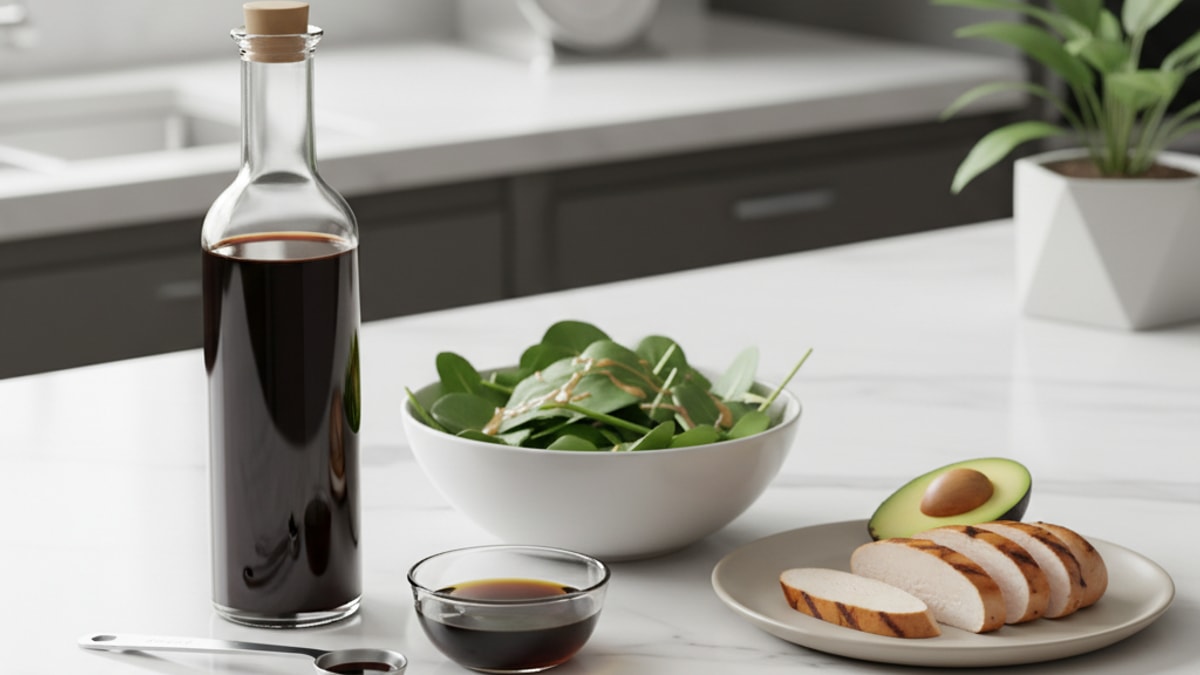
Let's be honest. The wellness world is sprawling and often confusing, filled with promises of quick fixes and miracle ingredients. One week it's celery juice, the next it's a hard-to-pronounce superfood from a remote mountain. So when something as seemingly simple as balsamic vinegar enters the conversation about weight loss, a healthy dose of skepticism isn't just understandable; it's necessary. Our team has seen countless trends come and go, and our entire philosophy is built on separating biological reality from wishful thinking. So, can a dark, syrupy vinegar from Italy really help you move the needle on the scale? The answer is a nuanced 'yes,' but almost certainly not for the reasons you've seen on social media.
This isn't about chugging vinegar shots or expecting it to magically melt fat away. That's not how human biology works. Instead, we're going to talk about balsamic vinegar as a strategic tool—a culinary ally in a much broader, more intelligent fight for sustainable health. It’s about leveraging its properties to support the real cornerstones of weight management: caloric balance, nutrient density, and long-term habit formation. We'll explore the real science, the practical applications, and, most importantly, how it fits into a comprehensive, medically-sound approach to achieving and maintaining a healthy weight. Because sustainable results don't come from a single bottle; they come from a cohesive plan.
The Science: What's Really Happening in Your Body?
When we talk about the health properties of any vinegar, we're primarily talking about its main active component: acetic acid. This is the compound responsible for the sharp taste and is the focus of most research. Some small-scale studies have suggested that acetic acid might have a modest impact on the body's metabolic processes. It's not a silver bullet. Let's be very clear about that. But the mechanisms are interesting enough to discuss.
One of the most cited benefits is its potential effect on blood sugar. Acetic acid may help slow down the rate at which the stomach empties its contents into the small intestine. Think of it as a gentle brake on digestion. This process, known as delayed gastric emptying, can lead to a more gradual rise in blood glucose after a meal, preventing the sharp spikes and subsequent crashes that often trigger cravings for more sugary or carb-heavy foods. For anyone on a weight loss journey, managing these cravings is a formidable challenge, and any tool that helps stabilize energy levels is a win. We've found that maintaining stable blood sugar is a critical, non-negotiable element of adherence to any nutritional plan.
Furthermore, this slowing of digestion can also contribute to a feeling of fullness, or satiety. When you feel fuller for longer, you're naturally less inclined to overeat or snack between meals. This is where balsamic vinegar's most practical benefit lies. It's not about 'burning' fat directly, but about helping you control your overall calorie intake in a way that feels less restrictive. Genuine balsamic vinegar also contains polyphenols, which are powerful antioxidants found in grapes. These compounds help combat oxidative stress in the body, which is beneficial for overall health, though their direct link to weight loss is less pronounced than the effects of acetic acid. It's a supportive benefit, not a primary driver.
How to Actually Use Balsamic Vinegar for Weight Loss
Now for the practical part. Knowing the science is one thing, but integrating it into your daily life is what makes the difference. Our team always emphasizes strategy over brute force. Using balsamic vinegar effectively is all about smart swaps and flavor enhancement, not adding another 'task' to your to-do list.
The Obvious (and Best) Use: Salad Dressings
This is, without a doubt, the most effective way to leverage balsamic vinegar for weight management. Commercial salad dressings are often catastrophic for a healthy diet. They are frequently loaded with shocking amounts of sugar, unhealthy industrial seed oils, and sodium. A simple two-tablespoon serving of a creamy ranch or honey mustard dressing can easily pack 150-200 calories, turning a healthy bowl of greens into a diet-derailer. It’s a classic trap.
By making your own vinaigrette, you take complete control. And it's incredibly simple. A classic ratio is three parts extra virgin olive oil to one part balsamic vinegar. Add a pinch of salt, a crack of black pepper, and maybe a tiny bit of Dijon mustard to help it emulsify. Whisk it together, and you're done. You've just created a delicious, antioxidant-rich dressing for a fraction of the calories and none of the junk. This single swap, performed consistently, can save you thousands of calories over the course of a few months. That’s a significant, sometimes dramatic shift.
The Flavor Enhancer: Marinades and Glazes
A common hurdle in weight loss is 'flavor fatigue.' Eating lean proteins like chicken breast or fish can become monotonous. Balsamic vinegar is a formidable tool here. Its complex sweet-tart profile makes an impeccable marinade. It helps tenderize the meat while infusing it with flavor, reducing the need for high-calorie sauces later on. You can combine it with garlic, herbs, and a little olive oil for a marinade that adds virtually no significant calories.
You can also create a glaze. By simmering balsamic vinegar in a small saucepan, you can reduce it down to a thicker, syrupy consistency. A little drizzle over roasted Brussels sprouts, asparagus, or even grilled salmon adds a huge pop of flavor that feels indulgent. A word of caution here: reducing the vinegar concentrates its natural sugars, so use it judiciously. We're talking a light drizzle, not a heavy coating.
The Controversial Method: Drinking It
You've probably seen influencers online advocating for drinking a spoonful of vinegar mixed with water. We need to address this with a professional, cautious perspective. While some people do this, our team generally advises against it as a primary strategy. Why? First, the potential for benefits is often overstated. The real impact comes from displacing calories, as with the salad dressing example. Second, there are risks. The acidity of vinegar can be harsh on tooth enamel and, for some individuals, can irritate the esophagus or stomach lining. If you were to try this, it would be absolutely critical to dilute it heavily (e.g., one tablespoon in a large glass of water) and to drink it through a straw to minimize contact with your teeth. Honestly, though, the risk-to-reward ratio just isn't there compared to its culinary uses.
Not All Vinegars Are Created Equal: A Buyer's Guide
This is where many people go wrong. Walking down the supermarket aisle, you'll see a dizzying array of bottles labeled 'Balsamic Vinegar,' with prices ranging from a few dollars to upwards of a hundred. They are not the same. We can't stress this enough: you must read the label. Many of the cheap, mass-market options are little more than plain wine vinegar with added caramel coloring, sugar, and thickeners like cornstarch to mimic the consistency of the real thing.
Consuming these products is counterproductive to any weight loss goal. You think you're making a healthy choice, but you're actually pouring sugar and artificial ingredients onto your food. True quality makes a difference not just in flavor, but in health benefits. Here's what we've learned to look for.
| Feature | Traditional Balsamic Vinegar (DOP) | Balsamic Vinegar of Modena (IGP) | Balsamic 'Condiment' / Imitation |
|---|---|---|---|
| Origin | Reggio Emilia or Modena, Italy (Protected) | Modena, Italy (Protected) | Anywhere; no geographic protection |
| Ingredients | Cooked grape must ONLY | Cooked grape must, wine vinegar, caramel color (optional, up to 2%) | Wine vinegar, thickeners, sweeteners, caramel color, concentrated grape must |
| Aging | Minimum 12 years in wooden barrels | Minimum 60 days in wooden barrels | Often not aged, or aged for a very short time |
| Label Clues | Red & yellow 'DOP' seal, specific bottle shape | Blue & yellow 'IGP' seal | Look for 'Balsamic Glaze' or a long ingredient list with sugar/cornstarch |
| Best for Weight Loss | Too expensive/rare for daily use. A special treat. | The sweet spot. Look for brands with no added sugar. Excellent for dressings. | Avoid. These are often calorie-dense and work against your goals. |
For everyday use in a weight loss plan, a good quality Balsamic Vinegar of Modena (IGP) is your best bet. Look at the ingredient list. It should be very short: cooked grape must, wine vinegar. If you see 'sugar,' 'corn syrup,' or 'caramel color' high on the list, put it back on the shelf. The 'grape must' content is also a good indicator of quality—a higher percentage means a richer, more complex, and naturally sweeter product without the need for added sugars.
The Real Challenge: It's Never About Just One Thing
So, balsamic vinegar can be a helpful tool. It helps you make lower-calorie, more satisfying meals. It provides some minor metabolic support. Great. But that's where its role ends. Our experience in biotechnology and medically-supervised weight loss has shown us, unequivocally, that lasting success is about building a comprehensive system. It's about addressing the biological, psychological, and lifestyle factors that contribute to weight gain. You can't drizzle your way to a new body.
Think of it like building a house. Balsamic vinegar might be a really nice set of drawer pulls for the kitchen cabinets. They look good, they're functional. But you still need the foundation, the framing, the plumbing, and the electrical. Without those, the drawer pulls are useless. The foundational pillars of weight management are, and always will be:
- Sustainable Nutrition: A way of eating that creates a consistent calorie deficit without leaving you feeling deprived. This means focusing on whole foods, lean proteins, fiber, and healthy fats.
- Consistent Movement: A combination of cardiovascular exercise and resistance training to build metabolically active muscle and improve overall health.
- Behavioral & Psychological Support: Understanding your triggers, building healthy habits, and managing stress and sleep, which have a profound impact on hormones that regulate appetite and fat storage.
This is the work. It's not always easy. For many people, especially those who have been trying for years, it can feel like an uphill battle. Sometimes, there are underlying biological factors at play—hormonal imbalances, insulin resistance, or a genetic predisposition—that make this process incredibly difficult. It can feel like your body is fighting you every step of the way. This is not a failure of willpower. It's a matter of biology.
And that's where a modern, scientific approach becomes essential. For individuals who find that diligent diet and exercise aren't enough to overcome these formidable biological hurdles, a medically-supervised program can provide the missing piece of the puzzle. Advanced treatments, including FDA-registered GLP-1 medications like Semaglutide and Tirzepatide, work on a deep biological level. They help regulate appetite, improve how your body processes sugar, and restore the hormonal signals that tell your brain you're full. They don't replace the foundational pillars; they work with them, making the entire system more effective. They give you the biological leverage to make sustainable lifestyle changes stick. If you're ready to move beyond simple 'hacks' and explore a plan tailored to your unique biology, you can Start Your Treatment with our medical team.
So, by all means, embrace balsamic vinegar. Use it to make your salads exciting and your roasted vegetables delicious. Celebrate it as a smart, healthy choice that supports your goals. But see it for what it is: a small, helpful tactic in a much larger, more important strategy. It's a supporting character in your health story, not the hero. The hero is you, armed with a comprehensive, science-backed plan that addresses the real, underlying drivers of your health.
Frequently Asked Questions
How much balsamic vinegar should I have per day for weight loss?
▼
There’s no set dosage. We recommend using it for flavor, typically one to two tablespoons as part of a salad dressing or marinade. The goal is calorie displacement and flavor enhancement, not consuming large quantities.
Will drinking balsamic vinegar burn belly fat?
▼
No, this is a common myth. No single food can target fat loss in a specific area of the body. Balsamic vinegar can support overall weight loss by helping you reduce calorie intake, which can lead to a reduction in total body fat, including from the belly.
Can balsamic vinegar upset my stomach?
▼
Yes, for some individuals, its acidity can cause heartburn or stomach discomfort, especially if consumed on an empty stomach or in large amounts. We always recommend using it with food to buffer its effects.
Does the brand of balsamic vinegar matter for weight loss?
▼
Absolutely. Many cheap brands contain added sugars and caramel coloring, which negates the health benefits. Our team advises choosing a quality Balsamic Vinegar of Modena (IGP) with a short ingredient list: just grape must and wine vinegar.
Is balsamic glaze the same as balsamic vinegar?
▼
No, and this is a critical distinction. Most commercial balsamic glazes are thickened with sugars, cornstarch, and other additives, making them high in calories. A true reduction is just simmered vinegar, but store-bought glazes should generally be avoided on a weight loss plan.
Can I have balsamic vinegar if I have acid reflux?
▼
If you have acid reflux or GERD, you should be cautious. Acidic foods like vinegar can be a trigger for symptoms. It’s best to consult with your healthcare provider before incorporating it into your diet.
Does balsamic vinegar have a lot of sugar?
▼
Authentic balsamic vinegar contains natural sugars from the grapes it’s made from, but it should not have *added* sugar. A quality IGP vinegar typically has 2-4 grams of sugar per tablespoon. Always check the nutrition label.
Can I use balsamic vinegar if I’m on a GLP-1 medication like Semaglutide?
▼
Yes, using balsamic vinegar as a flavoring agent is perfectly compatible with GLP-1 treatments. It aligns well with the goal of eating nutritious, lower-calorie meals. In fact, making healthy food more flavorful can improve adherence to the nutritional plan that complements your medication.
What’s the difference between white and dark balsamic vinegar?
▼
Dark balsamic is made from red grapes and cooked down, giving it a rich, sweet flavor. White balsamic is made from white grapes and cooked at a lower temperature to maintain its light color, resulting in a cleaner, milder flavor. Both are good options, provided they don’t have added sugars.
Can balsamic vinegar help with my blood sugar?
▼
Some small studies suggest the acetic acid in vinegar may help moderate blood sugar spikes after a meal. However, it is not a treatment for diabetes or a replacement for medical advice and should be seen as a minor supportive element in a diet focused on fiber and whole foods.
Is apple cider vinegar better than balsamic for weight loss?
▼
Both vinegars contain acetic acid, which is the key compound studied for its potential health benefits. Neither is definitively ‘better.’ Balsamic often has a more complex, palatable flavor, making it easier to incorporate into delicious dressings and marinades, which is its primary strategic advantage.

Transforming Lives, One Step at a Time
Keep reading

What to Do With a Full Pantry You No Longer Eat From
Sort it into three piles rather than clearing it all out: donate, keep, and discard. The mistake most people make is emptying the whole…

How to Handle a Business Dinner When the Client Orders for the Table
This is the one dining situation where your usual tools do not work. You cannot order a starter as your main, cannot ask for…

How to Handle Group Dinners Where Everyone Shares Plates
Shared dining is generally easier than a fixed plate, not harder, and it is worth going in with that framing. When everyone is taking…


