When to Take Probiotics for Weight Loss: A Biotech Team’s View
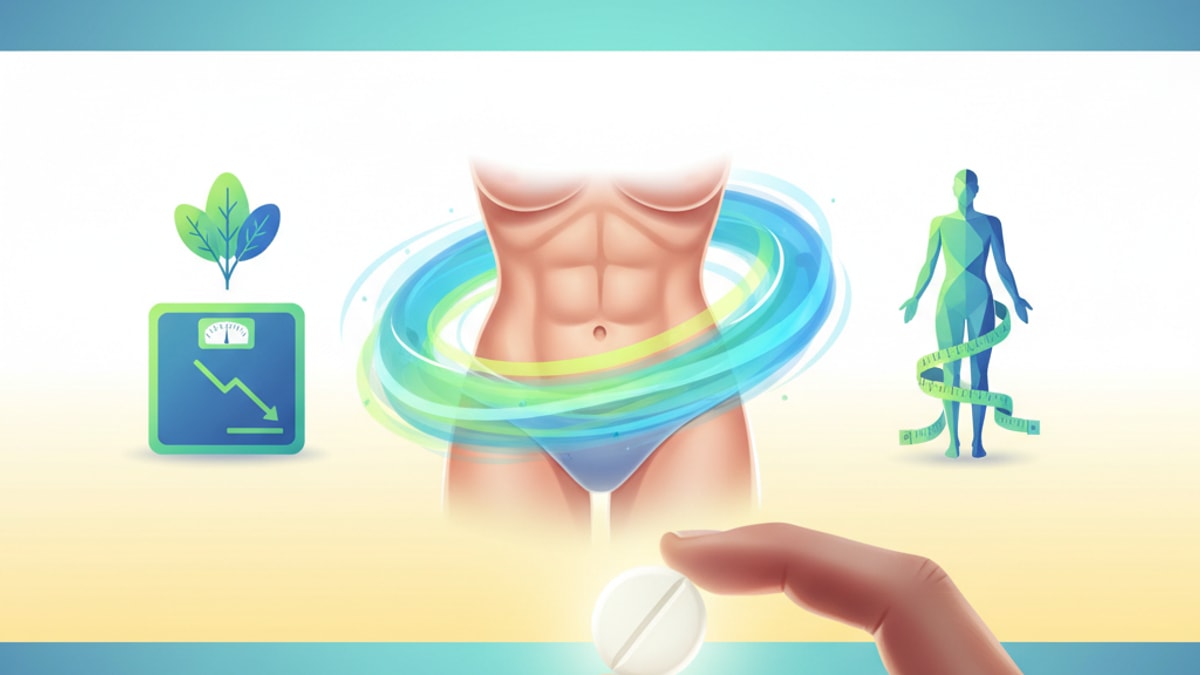
Let’s be honest. The conversation around weight loss has become a sprawling, often contradictory, landscape of advice. You're told to count every calorie, then you’re told calories don't matter. You’re pushed toward high-intensity workouts, then warned about cortisol spikes. It's becoming increasingly challenging to find a clear signal through all the noise. But what if one of the most significant factors in your metabolic health isn't on your plate or in your workout plan, but deep inside your gut?
This is where the science gets really exciting, and it’s an area our team at TrimrX is deeply invested in. We're talking about the gut microbiome—a complex ecosystem of trillions of bacteria that influences everything from your mood to your immune system. And, crucially, your weight. Understanding how to support this internal ecosystem with tools like probiotics is no longer a fringe concept; it's a critical, non-negotiable element of any modern, effective weight management strategy. It’s about working with your body’s biology, not against it.
Why Gut Health is a Game-Changer for Weight Loss
Before we can even touch on the question of when to take probiotics, we have to establish why you should care. The collection of microbes in your digestive tract, your microbiome, acts like a tiny, bustling city. When it’s in balance, or a state of 'eubiosis', things run smoothly. But when it's out of whack—a condition called 'dysbiosis'—the consequences can ripple throughout your entire body, directly impacting your ability to lose weight.
Our experience shows that clients with persistent weight loss resistance often have underlying gut imbalances. It’s a pattern we’ve seen time and again. Dysbiosis is linked to chronic, low-grade inflammation, which is a formidable enemy of a healthy metabolism. This inflammation can disrupt the intricate dance of hormones that control hunger, satiety, and fat storage, like insulin, leptin, and ghrelin. Think of it this way: your brain might be sending the right signals, but if your gut is inflamed, those messages get lost in translation.
It gets even more specific. Certain types of gut bacteria are simply better at extracting energy from the food you eat. Two major families of bacteria, Bacteroidetes and Firmicutes, are often in the spotlight here. Studies have consistently shown that individuals with obesity tend to have a higher ratio of Firmicutes to Bacteroidetes. This isn't just a correlation; these bacteria can literally cause you to absorb more calories from the exact same meal compared to someone with a healthier gut balance. It’s a difficult, often moving-target objective to manage, but it’s possible.
So, you're not just fighting cravings or a slow metabolism. You might be fighting a microbial ecosystem that is actively working against your goals. That’s why introducing beneficial bacteria, or probiotics, isn't just about digestive comfort. It's a strategic move to repopulate your gut with allies that can help reduce inflammation, regulate your appetite-signaling hormones, and even influence how your body stores fat. It’s a fundamental shift in the battlefield.
The Million-Dollar Question: When to Take Probiotics for Weight Loss?
Alright, let’s get to the heart of it. You’ve got the supplement, you’re ready to go, but the instructions are vague. Does timing really make a difference? The internet is full of conflicting advice, and the truth is, the science is still evolving. But we've analyzed the data and can offer some clear, actionable guidance.
The core of the debate centers on one thing: survival. For a probiotic to do its job, it has to survive the catastrophic, highly acidic environment of your stomach and make it to your intestines, where it can colonize and thrive. This is the entire point. So, the timing question is really a question of maximizing that survival rate.
Here are the main schools of thought:
-
In the Morning, on an Empty Stomach: The logic here is pretty straightforward. When your stomach is empty, there’s less acid churning around. Taking your probiotic first thing in the morning, maybe 20-30 minutes before breakfast, could theoretically give the bacteria a clearer, less treacherous path to your gut. Less food means less acid production, which means a higher chance of survival. Simple, right?
-
With a Meal: Now, this might seem contradictory, but there’s sound reasoning here, too. While food does stimulate acid production, it also acts as a buffer. The food itself can physically protect the probiotics from the acid. Furthermore, some studies suggest that a small amount of fat in the meal can actually improve the survival rate of certain probiotic strains. The meal essentially becomes a protective convoy for the beneficial bacteria.
-
At Night, Before Bed: This is another popular option. The thinking is that your digestive system slows down while you sleep. This reduced gut motility might give the probiotics more time to adhere to your intestinal walls and begin colonizing, without being rushed through your system. It’s an interesting theory that gives the bacteria more 'hang time' to set up shop.
So, what’s our official recommendation? What have we learned from years of guiding patients?
We can’t stress this enough: Consistency is profoundly more important than the specific time of day. The absolute best time to take your probiotic is the time you will remember to take it every single day. Without fail. Building a healthy gut microbiome isn't a one-time event; it's a relentless, long-term project. A sporadic dose here and there won't create lasting change.
That said, if you’re looking for an edge, our team generally leans toward taking it about 20 minutes before your first meal of the day with a full glass of water. This offers a nice balance—your stomach is relatively empty, but you're about to introduce food that can provide some buffering. But honestly, if taking it with your lunch is the only way you’ll remember, then do that. Adherence trumps perfect timing, every time. We've seen it work.
It's Not Just When, It's Which Probiotics You Take
Focusing only on timing is like meticulously planning the best time to go to the gym and then just wandering around aimlessly once you get there. The specific strains of bacteria you're consuming are infinitely more important. Not all probiotics are created equal, especially when it comes to weight management. You need the right players on your team.
Our research and clinical observation point to a few all-star strains that have been specifically studied for their metabolic benefits. Simply grabbing any old yogurt off the shelf isn't going to cut it. You need targeted, therapeutic strains in meaningful doses.
Here's what you should be looking for on the label:
- Lactobacillus gasseri: This one is a superstar. Multiple studies have linked L. gasseri to significant reductions in belly fat, BMI, and waist circumference. It appears to work by inhibiting the absorption of dietary fat and encouraging the body to excrete it.
- Lactobacillus rhamnosus: Particularly effective in studies involving women, L. rhamnosus has been shown to aid in sustained weight loss and fat mass reduction. It’s thought to influence GABA levels in the brain, which can help regulate mood and reduce stress-related eating.
- Bifidobacterium lactis: This powerhouse strain is known for improving overall gut health, reducing inflammation, and enhancing metabolic function. Some research connects it to better blood sugar control and improved insulin sensitivity—a critical factor for anyone struggling with weight.
- Lactobacillus sakei: While less known, emerging research on L. sakei is incredibly promising. It’s been shown to reduce body weight and fat mass in studies by modulating inflammation and improving the gut barrier function, which prevents inflammatory compounds from leaking into the bloodstream.
Choosing a probiotic that contains a blend of these research-backed strains is a far more strategic approach than just picking one with the highest CFU count. It's about synergy and function, not just brute force numbers.
| Probiotic Strain | Primary Weight-Related Benefit | Level of Research | Common Food Sources |
|---|---|---|---|
| Lactobacillus gasseri | Reduces abdominal fat and waist circumference. | High | Limited; primarily found in supplements. |
| Lactobacillus rhamnosus | Promotes sustained weight loss and fat mass reduction. | High | Yogurt, kefir, some cheeses. |
| Bifidobacterium lactis | Improves insulin sensitivity and metabolic health. | Medium-High | Fermented milk products, yogurt. |
| Lactobacillus sakei | Reduces body weight and inflammation. | Emerging | Kimchi, some traditionally fermented meats. |
This table really illustrates that you need a targeted strategy. It’s not a guessing game.
The Synergy: Probiotics and Modern Weight Loss Treatments
This is where it gets really interesting for us at TrimrX. We specialize in medically-supervised weight loss programs utilizing advanced, FDA-registered GLP-1 medications like Semaglutide and Tirzepatide. These treatments are revolutionary, working on a hormonal level to regulate appetite, control blood sugar, and promote significant weight loss. They are, without a doubt, a paradigm shift in weight management.
But we don't view them as a magic bullet. They are an incredibly powerful tool within a comprehensive, holistic framework. And gut health is a cornerstone of that framework.
Here’s how we see probiotics and GLP-1 treatments working in tandem:
-
Enhancing Efficacy: A healthy gut microbiome is essential for optimal nutrient absorption and hormone regulation. While a GLP-1 medication is working to reset your body's metabolic and appetite signals from the top down, a well-formulated probiotic is working from the bottom up to reduce inflammation and support those same hormonal pathways. It’s a classic pincer movement against weight loss resistance. A balanced gut can create a more favorable environment for these medications to do their best work.
-
Mitigating Side Effects: Let’s be frank. Like any effective medication, GLP-1s can have side effects, and they are often digestive in nature—nausea, bloating, or changes in bowel habits are common as the body adjusts. Our clinical team has found that a targeted probiotic regimen can be incredibly helpful in managing these transient side effects. By supporting a stable and resilient gut environment, probiotics can help soothe the digestive tract and make the initial adaptation phase much smoother for our patients. This approach (which we've refined over years) delivers real results and improves patient adherence to their treatment plan.
Understanding this powerful synergy is what sets a medically-guided program apart. It’s about more than just a prescription; it's about building a robust biological foundation for long-term success. If you're exploring powerful options for your weight loss journey, it’s critical to see the full picture. You can Take Quiz on our site to see how a comprehensive, medically-supervised plan is structured and if it's the right fit for you.
Building a Probiotic-Rich Lifestyle: Beyond the Pill
A supplement is a fantastic tool for delivering a concentrated dose of specific strains, but you can't supplement your way out of a poor diet. The goal is to create an environment where beneficial bacteria can thrive for the long haul. That means feeding them properly.
Enter prebiotics. Prebiotics are specific types of fiber that your body can't digest, but your gut bacteria love to eat. They are, quite literally, fertilizer for your internal garden. Without prebiotics, your expensive probiotics are essentially starved for resources.
Our nutritionists always stress incorporating a wide variety of prebiotic-rich foods into your diet. It's simpler than it sounds. Think about adding these to your weekly grocery list:
- Garlic, Onions, and Leeks: These alliums are packed with prebiotic fibers.
- Asparagus: A fantastic source of inulin, a powerful prebiotic.
- Bananas (especially slightly green ones): Rich in resistant starch, which feeds beneficial bacteria.
- Oats: Contain beta-glucan, another excellent prebiotic fiber.
- Apples: Pectin in apples is a great food source for your gut microbes.
And another consideration: don’t forget about whole food sources of probiotics. Fermented foods have been part of human diets for centuries for a reason. They are teeming with diverse strains of beneficial bacteria.
- Plain Yogurt & Kefir: Look for options with 'live and active cultures' and no added sugar.
- Sauerkraut & Kimchi: These fermented cabbage dishes are probiotic powerhouses. Make sure you buy the refrigerated kind, as shelf-stable versions are pasteurized, which kills the good bacteria.
- Kombucha: A fermented tea, but be mindful of the sugar content. Some brands are loaded with it.
Integrating these foods doesn't just support your gut; it diversifies your nutrient intake and adds incredible flavor and texture to your meals. It’s a win-win.
How to Choose a High-Quality Probiotic Supplement
The supplement aisle can be overwhelming. Bright labels and bold claims are everywhere. How do you choose a product that will actually work?
Here’s a quick checklist our team uses when evaluating probiotics:
-
Check the Strains: This is number one. Look for the specific, research-backed strains we discussed earlier (L. gasseri, L. rhamnosus, etc.). A generic 'Lactobacillus blend' isn't specific enough.
-
Look at the CFU Count: CFU stands for Colony-Forming Units, which is the number of viable bacteria per dose. For general wellness, a dose of 10-20 billion CFU is often sufficient. For a more targeted therapeutic goal like weight management, you might look for something in the 30-50 billion CFU range. More isn't always better; the right strains are more important than a massive number.
-
Verify Third-Party Testing: This is a critical, non-negotiable point for us. Since supplements aren't tightly regulated by the FDA, you need to look for seals from independent organizations like NSF International, USP, or ConsumerLab.com. This ensures that what's on the label is actually what's in the bottle.
-
Consider the Delivery System: Remember the stomach acid problem? Many high-quality probiotics now come in delayed-release capsules or are made with specific strains that are naturally more acid-resistant. This technology helps ensure the bacteria arrive alive and ready to work.
-
Check the Storage Instructions: Some probiotics are shelf-stable, while others require refrigeration to keep the bacteria alive. Make sure you can store the product correctly. Failing to do so means you’re just taking dead bacteria, which won't do you any good.
Taking the time to choose a quality supplement ensures your investment is actually benefiting your health, rather than just being a waste of money.
Ultimately, harnessing the power of your microbiome is a foundational piece of the weight loss puzzle. The question of when to take probiotics for weight loss is a good starting point, but it quickly opens up a much more important conversation about consistency, strain selection, and holistic health. It's about seeing your body as a complex, interconnected system. By supporting your gut health, you're not just helping your digestion; you're creating a metabolic environment that is primed for success, ready to work in harmony with advanced treatments and a healthy lifestyle. If you're ready to move beyond the noise and embrace a scientifically-backed, comprehensive approach, we're here to help you navigate the journey. Start Your Treatment Now and see how an integrated strategy can make all the difference.
Frequently Asked Questions
Can probiotics alone make me lose weight?
▼
While certain probiotic strains can significantly support weight loss efforts by improving metabolism and reducing inflammation, they aren’t a standalone solution. Our team emphasizes that they are most effective as part of a comprehensive plan that includes a balanced diet, physical activity, and, when appropriate, medical treatments.
How long does it take for probiotics to help with weight loss?
▼
It’s important to be patient. While some digestive benefits can be noticed in a few weeks, metabolic changes that influence weight can take 2-3 months of consistent use to become apparent. Lasting change in the gut microbiome is a gradual process.
Are there any side effects of taking probiotics?
▼
For most people, probiotics are very safe. When first starting, some may experience mild, temporary gas or bloating as their gut microbiome adjusts. This typically resolves within a week or two. We always recommend starting with a lower dose if you’re concerned.
Should I take probiotics if I’m on a GLP-1 medication like Semaglutide?
▼
Yes, our clinical team often recommends it. Probiotics can help support gut health and may mitigate some of the digestive side effects that can occur when starting GLP-1 treatments. They work synergistically to create a better foundation for weight loss.
What’s the difference between a prebiotic and a probiotic?
▼
It’s a simple but crucial distinction. Probiotics are the beneficial live bacteria themselves. Prebiotics are the specific types of dietary fiber that act as food for those bacteria, helping them thrive in your gut.
Does the CFU count matter more than the strains?
▼
No. While you want a sufficient CFU count (typically over 10 billion), the specific, research-backed strains are far more important. It’s better to have 20 billion CFUs of the right strains than 100 billion CFUs of generic, unproven ones.
Can I get enough probiotics from food alone?
▼
Eating fermented foods like yogurt, kefir, and kimchi is fantastic for maintaining gut health. However, to get a therapeutic dose of specific strains known for weight loss, a high-quality supplement is often a more reliable and targeted approach.
Do probiotics need to be refrigerated?
▼
It depends on the specific product. Many modern probiotics are freeze-dried and shelf-stable, but some live-culture formulas do require refrigeration to maintain potency. Always check the label for storage instructions.
Will taking probiotics help with cravings?
▼
They can. An imbalanced gut can disrupt the hormones that regulate hunger and satiety. By restoring balance, probiotics can help stabilize these signals, potentially leading to reduced cravings and better appetite control.
Is it better to take a multi-strain probiotic or a single-strain one?
▼
For general gut health and weight management, a multi-strain formula is usually best. Different strains have different functions and colonize different parts of the gut, so a diverse blend provides more comprehensive support.
Can I take too many probiotics?
▼
It’s difficult to ‘overdose’ on probiotics, but taking excessively high doses might lead to digestive discomfort. It’s more effective to stick to the recommended dosage of a well-formulated product rather than assuming more is better.
If I stop taking probiotics, will the benefits go away?
▼
The benefits may diminish over time if you don’t also support your gut with a healthy, fiber-rich diet. The goal of a supplement is to help establish a healthy colony, which you then maintain through your lifestyle and diet.

Transforming Lives, One Step at a Time
Keep reading

What to Do With a Full Pantry You No Longer Eat From
Sort it into three piles rather than clearing it all out: donate, keep, and discard. The mistake most people make is emptying the whole…

How to Handle a Business Dinner When the Client Orders for the Table
This is the one dining situation where your usual tools do not work. You cannot order a starter as your main, cannot ask for…
How to Handle Group Dinners Where Everyone Shares Plates
Shared dining is generally easier than a fixed plate, not harder, and it is worth going in with that framing. When everyone is taking…


