Chia vs. Flax Seeds for Weight Loss: Our Unflinching Verdict
Are Chia Seeds or Flax Seeds Better for Weight Loss: The Real Answer
The question comes up all the time in our consultations. A client, determined and hopeful, leans in and asks, "Okay, so I'm doing everything I can… should I be using chia seeds or flax seeds? Which one is actually better?" It’s a fantastic question. It shows someone is engaged, thinking critically about their nutrition, and looking for every possible edge in their weight loss journey. And we love that. It signals a readiness for real, sustainable change.
But here's the honest truth, from our team's collective experience in metabolic science: while one of these seeds does have a slight, practical edge for appetite control, the real conversation isn't about which seed wins. It's about understanding why they work and how to integrate them into a larger, more powerful strategy. A strategy that addresses the deep biological drivers of weight gain. So let's settle the chia versus flax debate once and for all, and then talk about what truly moves the needle.
The Tiny Titans of Nutrition: A Quick Introduction
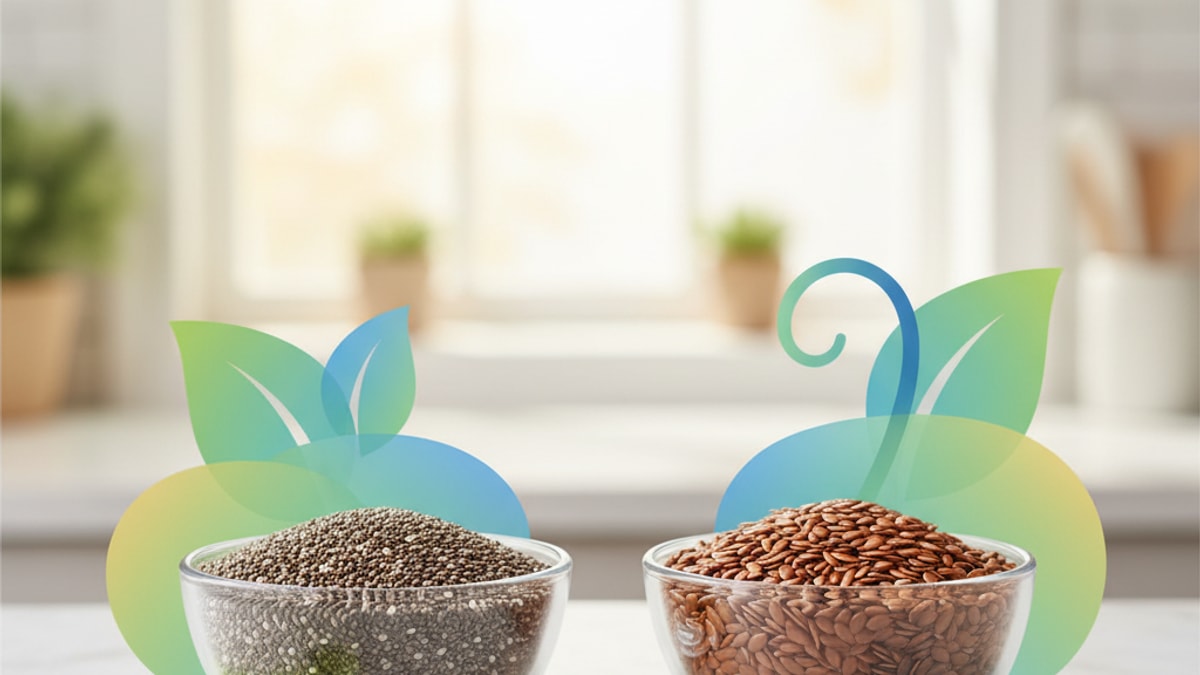
Before we pit them against each other, let's get acquainted. These aren't new, trendy inventions; they're ancient foods that have found a new and well-deserved spotlight in modern health. Chia seeds, small black or white specks, were a staple for Aztec and Mayan warriors, prized for their ability to provide sustained energy. The word 'chia' itself is the Mayan word for 'strength.' They're famous for their almost magical ability to absorb liquid and form a gel, a property that has significant implications for weight management.
Flax seeds, on the other hand, have been cultivated for thousands of years, originating in the Fertile Crescent. They come in golden or brown varieties and have a slightly nuttier flavor. Historically used for everything from making linen to healing ailments, their nutritional power is locked inside a tough outer hull, a crucial detail we'll come back to. Both are considered 'superfoods,' and for once, the title is pretty accurate. They pack a formidable nutritional punch in a very small package.
The Nutritional Showdown: A Head-to-Head Comparison
When you put them side-by-side, their nutritional profiles look remarkably similar at first glance, but the devil is in the details. The subtle differences in their composition are what influence their effectiveness for weight loss. Our team has analyzed countless nutritional components, and these are the ones that matter most for your goals.
Here’s a direct breakdown of what you get in a typical two-tablespoon serving (around 20-24 grams):
| Nutrient | Chia Seeds (approx. 24g) | Flax Seeds, Ground (approx. 21g) |
|---|---|---|
| Calories | ~117 kcal | ~110 kcal |
| Total Fat | ~7.4 g | ~9 g |
| Omega-3 (ALA) | ~4.3 g | ~4.8 g |
| Carbohydrates | ~10 g | ~6 g |
| Dietary Fiber | ~8.3 g | ~5.7 g |
| Protein | ~4 g | ~3.8 g |
| Calcium | ~15% DV | ~4% DV |
| Iron | ~10% DV | ~6% DV |
| Magnesium | ~23% DV | ~20% DV |
Now, let's dissect what these numbers actually mean for your body and your weight loss efforts. It's more than just a numbers game.
The Fiber Factor: Satiety's Secret Weapon
This is, without a doubt, the most important category in the chia vs. flax debate for weight loss. Both seeds are fiber powerhouses, but they deliver it differently. Fiber is critical because it slows digestion, helps regulate blood sugar, and, most importantly, promotes a feeling of fullness, or satiety. It's your body's own internal braking system for overeating.
Chia seeds are packed with soluble fiber. This is the type that dissolves in water to form a thick, gel-like substance. When you mix chia seeds with liquid, you see this happen right before your eyes—it’s the magic behind chia pudding. In your stomach, this gel expands, physically taking up space and slowing the emptying of your stomach. The result? You feel full. For longer. This isn't just theory; we've seen it work for countless clients who struggle with mid-afternoon or late-night cravings. A small chia-based snack can be a formidable defense.
Flax seeds contain a mix of both soluble and insoluble fiber. While they also contribute to fullness, they don't have that same dramatic gelling effect. The insoluble fiber adds bulk to stool, which is fantastic for digestive regularity, but the immediate satiety impact from the soluble portion isn't quite as pronounced as what you get with chia. So, for pure, unadulterated appetite suppression, chia's unique fiber composition gives it a distinct advantage.
The Protein Punch
Protein is a non-negotiable element of any serious weight loss plan. It helps preserve lean muscle mass while you're in a calorie deficit, and it has a higher thermic effect of food (TEF), meaning your body burns more calories digesting it compared to fats or carbs. It also contributes significantly to satiety.
Here, both seeds are neck-and-neck. They both offer a respectable amount of plant-based protein. While neither is a 'complete' protein on its own (meaning they don't contain all nine essential amino acids in optimal ratios), they are a fantastic way to boost the overall protein content of your meals. Adding a scoop to a smoothie, yogurt, or oatmeal can help you stay fuller and meet your daily protein targets, which is crucial for protecting your metabolism.
The Healthy Fat Story: Omega-3s
Both chia and flax are celebrated for their high content of alpha-linolenic acid (ALA), a plant-based omega-3 fatty acid. Omega-3s are vital for reducing inflammation, which is often elevated in individuals with obesity and can hinder weight loss. Flax seeds have a slightly higher concentration of ALA than chia seeds.
However, there’s a nuance here that most articles miss. The most potent anti-inflammatory omega-3s are EPA and DHA, which are primarily found in fatty fish. Your body can convert ALA into EPA and DHA, but this process is notoriously inefficient. So, while these seeds are a great source of ALA, they shouldn't be your only source of omega-3s. That said, the healthy fats they provide are still incredibly beneficial for overall health and can contribute to a feeling of satisfaction after a meal, helping to keep you on track.
So, Which Seed is Actually Better for Weight Loss?
Alright, it's time for a verdict. Based on the science and our professional observations, chia seeds have a slight edge over flax seeds specifically for weight loss.
Why? It comes down to two key practical reasons:
-
Superior Satiety from Gelling: The sheer volume of gel that chia seeds can create provides a more potent and reliable feeling of fullness. This can be a game-changer for appetite control and reducing overall calorie intake without feeling deprived. It’s a simple, physical mechanism that just works.
-
Ease of Use and Absorption: This is a huge one. To unlock the nutritional benefits of flax seeds—especially the omega-3s and other nutrients trapped inside—you must grind them. Your digestive system simply can't break down the tough outer hull of a whole flaxseed. It will pass right through you, benefits and all. Chia seeds, on the other hand, are readily digestible in their whole form. Our team has found that anything that adds an extra step, like having to remember to grind your seeds, can become a barrier to consistency. And in weight loss, consistency is everything. The grab-and-go nature of chia makes it easier to incorporate into a busy lifestyle.
So, while both are excellent nutritional choices, chia’s one-two punch of superior gelling and no-prep-required convenience makes it our recommended choice for clients looking to leverage a 'superfood' for appetite management.
Beyond the Seeds: Why Sprinkling Your Way to Health Isn't Enough
Let’s be honest, though. You can't just add a spoonful of seeds to your diet and expect a dramatic transformation. It's just not how biology works. These seeds are a fantastic tool in your toolbox, but they aren't the toolbox itself. We've seen far too many people get frustrated when their meticulous diet tweaks don't produce the significant, lasting results they're looking for.
The reason is that for many individuals, weight loss isn't just a simple equation of 'calories in, calories out.' It's a complex battle against your own body's powerful survival mechanisms. Hormones like ghrelin (the 'hunger' hormone) and leptin (the 'satiety' hormone) can become dysregulated, sending constant signals to your brain to eat and store fat. Your metabolism might slow down in response to calorie restriction, fighting you every step of the way. It’s a difficult, often moving-target objective.
This is where a purely nutritional approach can fall short. It's like trying to fix a complex software problem by only polishing the computer case. You need to get into the code. Our experience shows that combining proven nutritional strategies with modern medical science creates a powerful, often dramatic synergy. It’s about working with your body's biology, not in a relentless fight against it. For those who have tried everything and still feel stuck, it might be time to explore how science can reset the playing field. Understanding your eligibility for a medically-supervised program is a simple first step. You can Take Quiz to see if our approach is right for you.
How We Incorporate Nutritional Science at TrimrX
At TrimrX, we don't see nutrition and medical treatment as separate things. They are two pillars of the same structure. Our programs, which utilize advanced GLP-1 medications like Semaglutide and Tirzepatide, are designed to fundamentally reset your body's metabolic and appetite-regulating systems. These treatments work by mimicking your body's natural hormones to significantly reduce hunger and improve how your body processes sugar. They give you back control.
But the medication is only part of the equation. What you do with that newfound control is what determines long-term success. This is where powerful nutritional tools like chia and flax seeds come in. We guide our patients on how to use them strategically:
- Morning Satiety Boost: A simple chia pudding (chia seeds, unsweetened almond milk, a touch of cinnamon) can be prepared the night before. It provides sustained energy and fiber that works in tandem with the medication's appetite-suppressing effects, making it easy to sail through the morning without cravings.
- Smoothie Fortification: Adding two tablespoons of ground flax or whole chia seeds to a protein smoothie adds fiber, healthy fats, and micronutrients, turning a simple shake into a complete, nutrient-dense meal.
- Smart Baking: Both ground flax and chia gel can be used as an egg substitute in baking, allowing for healthier, lower-calorie versions of favorite treats that don't spike blood sugar.
This holistic view is what creates the difference between short-term dieting and long-term metabolic health. When you're ready to see what a truly comprehensive plan can do for you, you can Start Your Treatment with us. It’s about building sustainable habits that last a lifetime, supported by the best that science has to offer.
Practical Tips and Common Pitfalls to Avoid
Whether you choose chia, flax, or both, there are a few things our team always emphasizes to ensure you get the benefits without the downsides.
First, hydration. We can't stress this enough. These seeds, especially chia, are fiber sponges. They soak up water in your digestive tract. If you're not drinking enough water throughout the day, all that fiber can backfire, leading to bloating, gas, and constipation. You must increase your water intake as you increase your fiber intake. It's a non-negotiable partnership.
Second, start slow. Don't go from zero to three tablespoons a day. Your digestive system needs time to adapt to a sudden influx of fiber. Begin with one teaspoon a day and gradually increase over a couple of weeks to a target of one to two tablespoons.
Third, remember that they contain calories. While they are incredibly nutrient-dense, they are not 'free' foods. A couple of tablespoons can have over 100 calories. They need to be incorporated into your daily calorie budget, not just added on top of it. Think of them as a replacement for less nutrient-dense fats or carbs, not an addition.
And finally, for flax, we’ll say it one more time: grind it! Buy it pre-ground (and store it in the fridge or freezer to prevent the oils from going rancid) or grind it yourself in a coffee grinder right before use. Otherwise, you're missing the point entirely.
While the debate between chia and flax is interesting, and chia does have a practical edge for weight loss, the most important takeaway is to shift your focus. Stop searching for a single magic bullet food. Instead, start thinking about a comprehensive system—one that pairs smart, powerful nutrition with proven medical science to address the root causes of weight gain. That is the path to real, lasting change. It's the approach we've refined over years, and we've seen it work.
Frequently Asked Questions
Can I eat chia and flax seeds raw?
▼
Yes, you can. Chia seeds can be eaten raw as-is, perhaps sprinkled on a salad. For flax seeds, they must be ground first to be digested properly, but they do not need to be cooked after grinding.
Do I absolutely need to soak chia seeds before eating them?
▼
You don’t have to, but we highly recommend it. Soaking them allows them to form their signature gel, which enhances the feeling of fullness. Eating them dry requires you to drink plenty of water to avoid digestive discomfort.
Which seed is better for a ketogenic diet?
▼
Both are excellent for keto. When you subtract the fiber from the total carbs, the net carbs are very low for both seeds (around 1-2g per serving), making them a great way to add nutrients and texture on a low-carb plan.
How much chia or flax should I eat per day for weight loss?
▼
A good target for most people is one to two tablespoons per day. This provides a significant dose of fiber and nutrients without adding excessive calories. It’s best to start with a smaller amount and gradually increase.
Do these seeds interfere with any medications?
▼
Because of their high fiber content, they can potentially slow the absorption of certain medications. It’s a good practice to take any medication at least an hour before or a few hours after consuming a large amount of fiber. As always, discuss this with your doctor.
Can I have both chia and flax on the same day?
▼
Absolutely. Many of our clients enjoy mixing them to get the benefits of both. For instance, you could use one tablespoon of chia and one of ground flax in a smoothie to get a great blend of soluble and insoluble fiber.
What’s the difference between golden and brown flax seeds?
▼
Nutritionally, they are very similar. Brown flax seeds have a slightly more robust, earthy flavor, while golden flax seeds are milder. The choice between them is mostly a matter of personal taste preference.
Why is grinding flax seeds so important?
▼
The human body cannot break down the hard outer shell of the flaxseed. If you eat them whole, they will pass through your digestive system largely undigested, and you won’t absorb the valuable omega-3s and other nutrients inside.
Will chia seeds make me feel bloated?
▼
They can if you eat too many too quickly or don’t drink enough water. The fiber absorbs a lot of liquid, so if there isn’t enough available, it can lead to bloating or constipation. Start with a small amount and increase your water intake.
How do these seeds fit into a plan using GLP-1 medications?
▼
They are a perfect complement. GLP-1 medications like Semaglutide reduce appetite, and adding high-fiber seeds enhances this effect, promoting long-lasting satiety. They also support digestive health and provide key nutrients, which is crucial when your overall food intake is lower.
Which seed provides more Omega-3s?
▼
Flax seeds contain slightly more ALA, the plant-based omega-3 fatty acid, per serving than chia seeds. However, both are considered excellent sources of this essential fat.
How should I store ground flaxseed?
▼
Because the healthy fats in flaxseed are exposed to oxygen once ground, they can go rancid quickly. We recommend storing ground flaxseed in an airtight container in the refrigerator or freezer to maintain freshness and nutritional quality.

Transforming Lives, One Step at a Time
Keep reading

What to Do With a Full Pantry You No Longer Eat From
Sort it into three piles rather than clearing it all out: donate, keep, and discard. The mistake most people make is emptying the whole…

How to Handle a Business Dinner When the Client Orders for the Table
This is the one dining situation where your usual tools do not work. You cannot order a starter as your main, cannot ask for…
How to Handle Group Dinners Where Everyone Shares Plates
Shared dining is generally easier than a fixed plate, not harder, and it is worth going in with that framing. When everyone is taking…


