Gallbladder Issues and Weight Loss: The Unseen Connection
Gallbladder Issues and Weight Loss: The Unseen Connection
It’s a scenario our team sees discussed surprisingly often: weight loss that happens for no apparent reason. While many people work hard to shed pounds, seeing the number on the scale drop without changing your diet or exercise routine can be unsettling. It feels wrong. And honestly? It often signals that something deeper is at play within your body. One of the most frequently overlooked culprits is a small, pear-shaped organ tucked beneath your liver—the gallbladder.
So, can gallbladder issues cause weight loss? The short answer is an emphatic yes. The connection isn't just a coincidence; it’s a direct result of the gallbladder’s critical, non-negotiable role in digestion and how its dysfunction can throw your entire system into disarray. This isn't just about discomfort. It’s about your body’s fundamental ability to process food and absorb nutrients. Let's break down this complex relationship and explore what’s really happening.
What Exactly Is Your Gallbladder's Job?
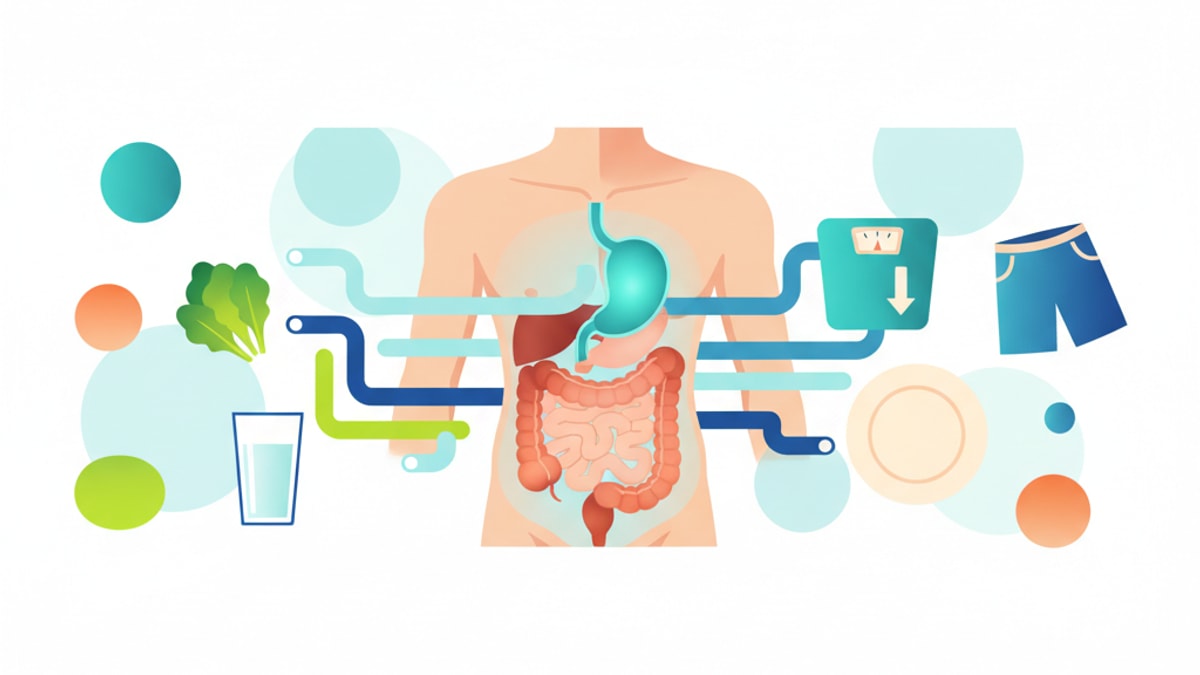
Before we dive into the problems, we need to appreciate what a healthy gallbladder does. Think of it as the digestive system's highly efficient supporting actor. It doesn't produce anything itself, but its role is indispensable. The liver is constantly manufacturing bile, a thick, greenish-brown fluid essential for breaking down fats. But instead of dripping this bile into your intestine all the time, the liver sends it to the gallbladder for storage.
The gallbladder is more than just a holding tank. It concentrates the bile, making it much more potent. Then, when you eat a meal containing fats, your body sends a hormonal signal, and the gallbladder contracts forcefully, squeezing this powerful, concentrated bile into the small intestine precisely when it's needed most. It’s a beautifully synchronized process. Imagine trying to wash a greasy pan with just water. It doesn’t work well, right? Bile acts like a powerful detergent, emulsifying fats into tiny droplets that your digestive enzymes can then attack and break down, allowing your body to absorb fatty acids and fat-soluble vitamins (like A, D, E, and K).
Without this step, fats would pass through your system largely undigested. That’s the key.
The Direct Link: How Gallbladder Problems Sabotage Your Weight
When the gallbladder isn't working correctly, this entire process breaks down, leading to a cascade of symptoms that can directly and indirectly cause weight loss. It's not one single thing; it’s a multi-faceted assault on your body's ability to take in and use calories.
Here’s what we've learned from years of clinical observation.
First, there’s the pain. Gallbladder attacks, medically known as biliary colic, are notoriously painful. This sharp, intense pain in the upper right abdomen often radiates to the back or shoulder blade and is typically triggered by eating fatty or greasy foods. The human brain is smart; it learns quickly to associate certain actions with pain. If every time you eat a satisfying, rich meal you're met with agonizing pain, you’ll naturally start avoiding those foods. This can lead to a severely restricted diet, a fear of eating, and a significant, albeit unintentional, drop in calorie intake.
You simply stop wanting to eat. That alone can cause precipitous weight loss.
Second, and perhaps more mechanically direct, is the problem of malabsorption. If gallstones are blocking the bile duct or if the gallbladder is inflamed and can't release bile effectively, fats are not digested. This is a big deal. Fats are the most calorie-dense macronutrient, containing nine calories per gram. When they aren't absorbed, those calories are lost. This condition often leads to a tell-tale symptom called steatorrhea—oily, foul-smelling, and pale-colored stools that float. It's a clear sign that fat is passing right through you, and with it, a huge source of energy your body was counting on.
Then there's the chronic, simmering discomfort. Not all gallbladder issues cause dramatic, acute attacks. Sometimes, it’s a low-grade, persistent inflammation (chronic cholecystitis) that leads to a constant feeling of fullness, bloating, and nausea. This relentless malaise absolutely crushes your appetite. Food becomes unappealing. You might feel full after just a few bites. This insidious loss of appetite, day after day, slowly chips away at your caloric intake and, consequently, your weight. It's a slow burn that can lead to a surprisingly significant shift on the scale over weeks or months.
Finally, acute symptoms like vomiting and diarrhea can cause rapid dehydration and weight loss. While much of this initial drop is water weight, prolonged episodes will certainly contribute to a real loss of body mass and malnourishment.
Common Gallbladder Conditions and Their Weight Impact
Understanding the specific conditions can help clarify how they contribute to weight loss. They aren't all the same, but they often share a common pathway of digestive disruption.
-
Gallstones (Cholelithiasis): These are the most common culprits. Gallstones are hardened deposits of digestive fluid that can form in your gallbladder. They can be as small as a grain of sand or as large as a golf ball. Many people have them and don't even know it (they're called 'silent stones'). The problem arises when they move and block a bile duct. This blockage is what causes the sudden, severe pain of a gallbladder attack and obstructs the flow of bile, leading directly to the malabsorption and food avoidance we discussed.
-
Inflammation (Cholecystitis): This is the inflammation of the gallbladder, usually caused by a gallstone blocking the cystic duct. It can be acute (a sudden, severe event requiring immediate medical attention) or chronic (long-term, repeated episodes of inflammation). Chronic cholecystitis is particularly linked to poor appetite, persistent nausea, and unintentional weight loss due to its ongoing nature.
-
Biliary Dyskinesia: This one is a bit more nuanced. Biliary dyskinesia is a functional disorder, meaning the gallbladder looks normal on scans—no stones, no inflammation—but it doesn't function properly. It doesn't contract and empty bile as it should. Patients experience all the classic symptoms of gallbladder disease, including pain after eating and nausea, which can lead to dietary changes and weight loss, yet the underlying cause is a motility issue, not a physical blockage. It can be a frustrating diagnosis to receive because the physical evidence is often absent.
-
Gallbladder Cancer: Though rare, it's a very serious condition. Unexplained, significant weight loss is a classic red flag for many cancers, and gallbladder cancer is no exception. This type of weight loss, called cachexia, is a complex metabolic syndrome where the body loses both fat and muscle mass, and it's not something that can be reversed simply by eating more calories.
The Other Side of the Coin: Can Rapid Weight Loss Cause Gallbladder Issues?
Now, this is where the conversation gets really interesting and highlights the body's intricate feedback loops. The relationship is a two-way street. Not only can gallbladder problems cause weight loss, but rapid weight loss is one of the primary risk factors for developing gallstones.
It sounds counterintuitive, but here's how it happens. When you lose weight very quickly, especially through crash diets or certain types of bariatric surgery, your liver responds by mobilizing fat and secreting extra cholesterol into the bile. This makes the bile supersaturated with cholesterol, a key ingredient for stone formation. At the same time, because you're eating much less (especially fat), your gallbladder doesn't get the signal to contract as often. The bile just sits there, stagnant and overly concentrated. It's the perfect storm for cholesterol to crystallize and form stones.
Our team at TrimrX can't stress this enough: this is why medically-supervised weight management is so profoundly important. The goal should never be just rapid weight loss at any cost. It's about achieving a healthy body composition safely and sustainably. Programs that utilize advanced treatments like GLP-1 medications are designed to promote steady, consistent fat loss, not the kind of precipitous drop that shocks your system and creates new health problems. We monitor our patients' progress and health markers precisely to avoid these kinds of unintended consequences. True health is about holistic balance, not just a number on a scale.
Symptom Checker: Gallbladder vs. Other Digestive Issues
It can be tough to distinguish gallbladder pain from other common digestive complaints like Irritable Bowel Syndrome (IBS) or Gastroesophageal Reflux Disease (GERD). This table offers a general comparison, but it's not a substitute for a professional diagnosis.
| Symptom Feature | Gallbladder Issues | IBS (Irritable Bowel Syndrome) | GERD (Acid Reflux) |
|---|---|---|---|
| Pain Location | Upper right or center abdomen, may radiate to back/shoulder | Lower abdomen, often cramping | Upper central abdomen, chest (heartburn) |
| Pain Character | Steady, severe, intense | Comes and goes, often relieved by a bowel movement | Burning sensation, often worse when lying down |
| Trigger Foods | Fatty, greasy, or fried foods | Varies widely; can include dairy, gluten, certain vegetables | Spicy, acidic, fatty foods, caffeine, alcohol |
| Associated Signs | Nausea, vomiting, fever, jaundice (yellow skin) | Bloating, gas, diarrhea and/or constipation | Regurgitation, sour taste, chronic cough, sore throat |
When You Absolutely Need to See a Doctor
Self-diagnosing digestive issues is a risky game. While mild indigestion is one thing, certain symptoms are red flags that demand immediate medical attention. If you're experiencing any of the following, please don't wait.
- Severe, persistent abdominal pain that makes it impossible to sit still or find a comfortable position.
- Jaundice, which is a yellowing of your skin and the whites of your eyes. This indicates a serious problem with bile flow.
- Fever and chills accompanying the abdominal pain.
- Unexplained and significant weight loss. We have to repeat this: if you are losing weight without trying, it is always a reason to consult a healthcare professional. It's your body's way of sending up a flare.
A doctor can perform a physical exam and order tests like an ultrasound or a HIDA scan to get a clear picture of what's happening with your gallbladder and digestive system.
Life After Gallbladder Diagnosis or Removal
What happens after you're diagnosed or even have your gallbladder removed (a procedure called a cholecystectomy)? For many, treatment provides immense relief from painful symptoms. Life without a gallbladder is perfectly manageable, but it might require some adjustments.
Without the gallbladder's storage function, the liver just drips bile continuously into the small intestine. This diluted bile is less effective at handling a large, fatty meal all at once. Because of this, many people find they tolerate smaller, more frequent meals better. A diet lower in fried, greasy, and high-fat foods is often recommended to prevent diarrhea and discomfort.
A common question we hear is, 'Will I gain weight after my gallbladder is removed?' The surgery itself doesn't cause weight gain. However, once the painful symptoms are gone, a person might feel free to eat the foods they were avoiding, which can lead to weight gain if those habits aren't balanced. This is another moment where mindful, sustainable eating habits become crucial. It’s not about restriction; it's about building a healthy relationship with food that fuels your body properly for the long term.
A Holistic View on Weight and Wellness
Ultimately, the connection between your gallbladder and your weight is a powerful reminder that the body is a deeply interconnected system. You can't isolate one part without considering the whole. Unexplained weight loss isn't just a curiosity; it's a signal. A very important one.
At TrimrX, our entire philosophy is built on this understanding. A successful and healthy weight loss journey isn't about a single magic bullet; it's about a comprehensive, medically-guided approach that respects your body's complex biology. It starts with a thorough understanding of your unique health profile to ensure a treatment plan is safe and appropriate for you. We look at the full picture because we know that sustainable results come from restoring health, not from fighting your body's own systems.
If you're struggling with your weight and looking for a path that prioritizes your overall health, we're here to help. The journey starts with understanding your body, and we provide the medical expertise to guide you. If you're ready to see if our approach is right for you, you can Start Your Treatment Now.
Your body is constantly communicating. Listening to its signals—whether it's pain, discomfort, or an unexpected change on the scale—is the first and most important step toward taking control of your health. Don't ignore the whispers before they become screams. Seek answers, get professional guidance, and invest in a solution that treats you as a whole person, not just a number.
Frequently Asked Questions
How much weight can you lose with gallbladder issues?
▼
The amount of weight lost varies dramatically from person to person. It can range from a few pounds due to appetite loss to more significant, rapid weight loss if you’re experiencing severe malabsorption, nausea, or chronic pain that severely limits food intake.
Can you lose your appetite with gallbladder problems?
▼
Yes, absolutely. Loss of appetite is a very common symptom, especially with chronic cholecystitis (inflammation). The persistent feelings of bloating, nausea, and general discomfort can make food seem completely unappealing.
Is weight gain common after gallbladder removal?
▼
The surgery itself does not cause weight gain. However, some people gain weight afterward because the painful symptoms that previously limited their diet are gone. A return to previous eating habits, especially those high in fat and calories, can lead to weight gain if not managed.
Does a low-fat diet help the gallbladder?
▼
A low-fat diet can significantly help manage the symptoms of gallbladder disease. Since the gallbladder’s main job is to help digest fat, reducing your fat intake lessens its workload and can decrease the frequency and severity of painful attacks.
What are the first signs of a bad gallbladder?
▼
Early signs often include bloating, indigestion, and gas, especially after eating fatty meals. The most definitive symptom is a sharp pain in the upper right abdomen, which can be a sign of a gallstone blockage or inflammation.
Can gallbladder sludge cause weight loss?
▼
Yes, it can. Biliary sludge is a mixture of particulate matter and mucus that can build up in the gallbladder. It can cause the same symptoms as gallstones, including pain, nausea, and poor fat digestion, all of which can contribute to unintentional weight loss.
Why is my stool pale if I have gallbladder issues?
▼
Pale or clay-colored stools are a sign that bile is not reaching your small intestine. Bile gives stool its characteristic brown color. A blockage in the bile ducts from a gallstone is a common cause and requires medical attention.
Can I live a normal life without a gallbladder?
▼
Yes, you can live a completely normal and healthy life without a gallbladder. Your liver will still produce bile to digest food; it will just drip directly into the intestine. Most people adapt well, though some may need to make dietary adjustments, like eating smaller, lower-fat meals.
Can stress make gallbladder symptoms worse?
▼
While stress doesn’t directly cause gallstones, it can exacerbate digestive symptoms in general. Stress can affect digestive motility and increase pain perception, potentially making gallbladder flare-ups feel more intense.
Is unexplained weight loss always a sign of a gallbladder problem?
▼
No, not always. While it can be a symptom, unexplained weight loss is a significant red flag for many different medical conditions. It’s critical to see a healthcare professional for a proper diagnosis to rule out other serious issues.
Does drinking water help with gallstones?
▼
Staying well-hydrated is important for overall health, but drinking water will not dissolve or flush out existing gallstones. A healthy diet and maintaining a healthy weight are more effective preventative measures.
What foods should be avoided with gallbladder issues?
▼
It’s best to avoid or limit foods high in fat and grease, such as fried foods, heavy creams, processed meats, and rich desserts. These foods trigger the gallbladder to contract forcefully, which can cause pain if stones are present.

Transforming Lives, One Step at a Time
Keep reading

What to Do With a Full Pantry You No Longer Eat From
Sort it into three piles rather than clearing it all out: donate, keep, and discard. The mistake most people make is emptying the whole…

How to Handle a Business Dinner When the Client Orders for the Table
This is the one dining situation where your usual tools do not work. You cannot order a starter as your main, cannot ask for…
How to Handle Group Dinners Where Everyone Shares Plates
Shared dining is generally easier than a fixed plate, not harder, and it is worth going in with that framing. When everyone is taking…


