Does a High Protein Diet Cause Weight Loss? The Unflinching Truth
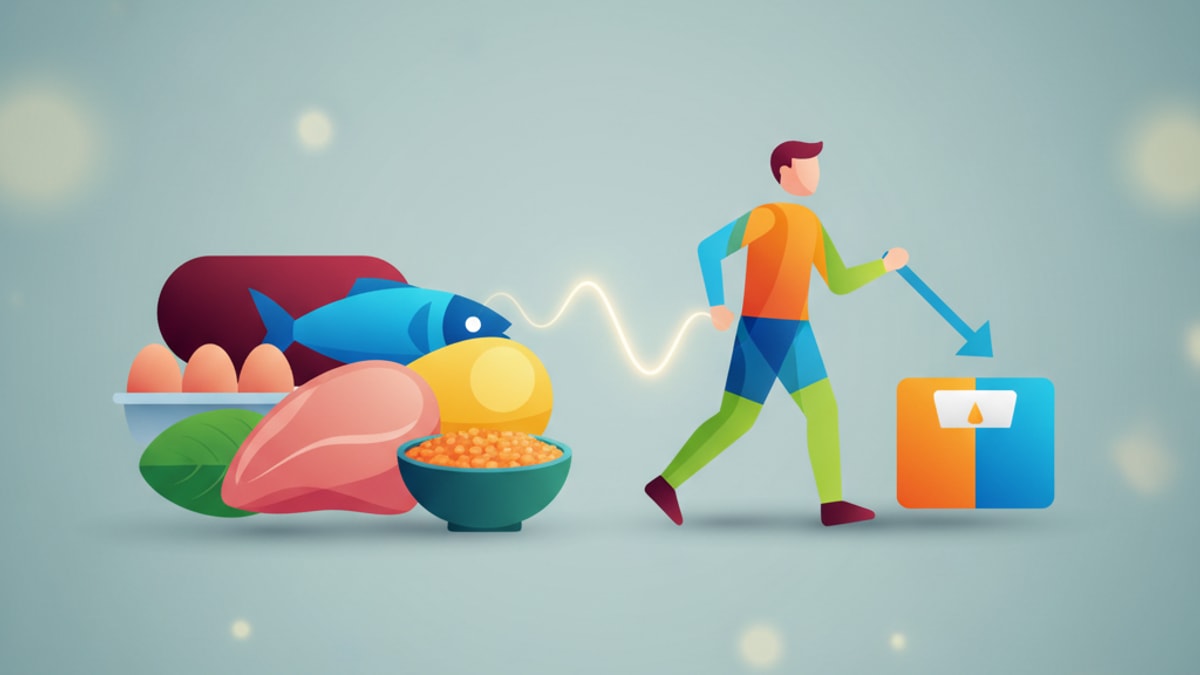
The Big Question: Does a High Protein Diet Actually Cause Weight Loss?
It’s a question that dominates health forums, fitness magazines, and conversations with friends. We've seen it time and time again in our own practice. Someone is looking for a significant, sometimes dramatic shift in their body composition, and they land on one simple idea: eat more protein. The logic seems sound, and the success stories are everywhere. But does a high protein diet cause weight loss in a predictable, sustainable way?
The short answer is yes. It absolutely can. But honestly, that's not the whole story. Viewing protein as a simple magic bullet for weight loss is a massive oversimplification of a complex biological process. Our team has found that while increasing protein intake is one of the most effective nutritional strategies for fat loss, its success depends entirely on how it's implemented and the physiological realities of the individual. It's not just about swapping carbs for chicken breasts; it's about leveraging protein's unique metabolic advantages to work with your body, not against it.
How Protein Fundamentally Influences Your Body Weight
To really get this, we need to move beyond the surface-level advice. It’s not just about calories in versus calories out, though that equation always matters. Protein plays a few very specific, powerful roles in the body that directly impact weight management. Think of it as a multi-tool for metabolic health.
First, there's the thermic effect of food (TEF). This is a game-changer. Second, there's satiety, which is just the technical term for feeling full and satisfied after a meal. This is arguably protein's greatest superpower. Finally, and this is critical, protein helps preserve lean muscle mass during a calorie deficit, ensuring that the weight you lose is primarily fat, not the muscle that keeps your metabolism humming.
Let’s break these down, because understanding these mechanisms is the difference between struggling with a new diet and making it work for you effortlessly.
The Thermic Effect: Protein’s Built-In Calorie Burn
Have you ever heard that you burn calories just by eating? It’s true. This is the thermic effect of food. Every time you consume food, your body has to expend energy to digest, absorb, and process the nutrients. It’s a metabolic cost of doing business.
Here’s where it gets really interesting. Not all macronutrients are created equal in this regard. Fats and carbohydrates have a relatively low thermic effect, typically around 0-3% and 5-10%, respectively. This means for every 100 calories of carbs you eat, your body uses about 5-10 of those calories just to process it.
Protein is in a league of its own. Its thermic effect is a staggering 20-30%. Let that sink in. For every 100 calories of protein you consume, your body burns 20 to 30 of them during digestion. It's an automatic, built-in metabolic advantage. This might not sound like a colossal number on a meal-by-meal basis, but when you consistently shift your diet to be higher in protein, this effect compounds day after day. It’s one of the key reasons high-protein diets are so effective for fat loss—you’re simply increasing your total daily energy expenditure without spending an extra minute in the gym. It’s a subtle but relentless tailwind pushing you toward your goals.
We can't stress this enough: leveraging TEF is a smart, passive strategy that works 24/7.
The Satiety Factor: Ending the War with Hunger
Now, let's talk about the biggest hurdle in any weight loss journey: hunger. Relentless, nagging hunger is what derails even the most motivated individuals. This is where protein truly shines. It is, by a significant margin, the most satiating macronutrient.
Why? It's a complex interplay of hormones. Eating protein stimulates the release of gut hormones like peptide YY (PYY) and glucagon-like peptide-1 (GLP-1). These hormones send powerful signals to your brain that you are full and satisfied. Simultaneously, protein helps suppress the production of ghrelin, often called the 'hunger hormone.' The net effect is profound: you feel fuller for longer, your cravings diminish, and you naturally eat less throughout the day without feeling deprived or constantly battling your willpower. Willpower is finite. Relying on it is a losing strategy. A high-protein diet changes the game by reducing the need for willpower in the first place.
Our experience shows that when clients successfully increase their protein intake, particularly at breakfast, their entire day of eating changes. The mid-morning snack attack vanishes. The 3 PM slump that sends them searching for sugar disappears. They feel in control, not controlled by their hunger. That's a monumental shift.
Preserving Precious Muscle Mass During Weight Loss
Here’s a truth that many people miss: when you lose weight, you don’t just lose fat. You also lose lean muscle mass. This is a catastrophic outcome for long-term metabolic health. Muscle is your metabolic engine; the more you have, the more calories you burn at rest. Losing it means your metabolism slows down, making it progressively harder to lose weight and easier to regain it once the diet is over. This is the classic yo-yo dieting trap.
This is a non-negotiable.
Adequate protein intake acts as a powerful defense against muscle loss during a calorie deficit. When your body isn't getting enough energy from food, it starts looking for alternative fuel sources. It can break down fat stores (which is what you want), but it can also break down muscle tissue for amino acids. By providing your body with a steady supply of dietary protein, you give it the building blocks it needs to preserve, and sometimes even build, muscle while it burns fat for energy. This ensures that the number on the scale is going down for the right reasons. You're becoming leaner and stronger, not just a smaller, metabolically slower version of yourself.
Common Pitfalls We See With High-Protein Diets
Of course, it’s not all effortless. We’ve seen clients make a few common mistakes when they try to ramp up their protein intake on their own. It's important to be aware of these so you can navigate around them.
First, not all protein is created equal. Focusing solely on processed protein bars, shakes with added sugars, and heavily processed meats can introduce other unwanted ingredients into your diet. Our team always recommends prioritizing whole-food sources first—lean meats, fish, eggs, dairy, legumes, and tofu. These provide not just protein but also a host of essential micronutrients.
Second is the neglect of other macronutrients and fiber. Some people become so protein-focused that they inadvertently cut out healthy fats and complex carbohydrates, which are crucial for hormone function, energy, and gut health. A high-protein diet shouldn't be a no-carb or no-fat diet. It's about rebalancing your plate. And please, don't forget fiber from vegetables. A lack of fiber is a common complaint, leading to digestive discomfort. It's an easy fix: load up on non-starchy vegetables with every protein-rich meal.
Lastly, hydration becomes even more critical. Your body uses water to metabolize protein and flush out byproducts like urea. If you're significantly increasing your protein intake, you need to increase your water intake as well to support your kidneys and stay properly hydrated. It’s a simple but often overlooked step.
Protein Sources: A Quick Comparison
To make this more practical, let's look at some common protein sources. Understanding the differences can help you build a more effective and varied diet. Our team put together this quick reference table.
| Protein Source | Typical Protein per 100g | Key Benefit | Best For |
|---|---|---|---|
| Chicken Breast (skinless) | ~31g | Lean, versatile, and highly bioavailable. | Post-workout meals, everyday lunches/dinners. |
| Whey Protein Isolate | ~90g | Extremely fast-digesting, high in leucine. | Immediately after a workout for recovery. |
| Greek Yogurt (0% fat) | ~10g | Provides protein and probiotics for gut health. | Breakfast, snacks, or a healthy dessert base. |
| Lentils (cooked) | ~9g | Excellent plant-based source with high fiber. | Soups, stews, and plant-based meals. |
| Salmon | ~20g | High in protein and anti-inflammatory omega-3s. | Heart health and overall wellness. |
| Tofu (firm) | ~8g | Complete plant-based protein, very versatile. | Stir-fries, scrambles, and vegetarian dishes. |
| Eggs | ~13g | Highly bioavailable, contains choline for brain. | A nutrient-dense, affordable option anytime. |
This isn't an exhaustive list, obviously, but it shows the diversity available. A successful strategy involves incorporating a variety of these sources to ensure a broad spectrum of amino acids and micronutrients.
So, How Much Protein Do You Actually Need?
This is the million-dollar question, and the answer is deeply personal. The generic Recommended Dietary Allowance (RDA) is 0.8 grams of protein per kilogram of body weight. Let's be perfectly clear: this is the minimum amount needed to prevent a deficiency, not the optimal amount for body composition change, satiety, and muscle preservation. It's a floor, not a ceiling.
For individuals actively trying to lose weight while preserving muscle, research and our own clinical experience suggest a much higher intake is beneficial. A common and effective target is somewhere in the range of 1.6 to 2.2 grams of protein per kilogram of body weight. For a 150-pound (68kg) person, this translates to roughly 109 to 150 grams of protein per day. This might sound like a lot, but it's very achievable when you make protein the centerpiece of every meal.
Does everyone need this much? No. It depends on your activity level, age, and overall health. But for the specific goal of weight loss, aiming for the higher end of this spectrum is a proven strategy. It's best to start gradually and see how your body responds.
When Diet and Exercise Aren't Enough
Let’s be honest. For many people, even with a meticulously planned high-protein diet and a consistent exercise routine, the weight loss journey can be a formidable, uphill battle. Sometimes, the body's own metabolic and hormonal systems create a level of resistance that nutrition alone can't overcome. This isn't a failure of willpower. It's a biological reality.
This is where modern medicine can play a transformative role. At TrimrX, we specialize in medically-supervised weight loss programs that address these underlying biological factors. Our approach often involves the use of advanced, FDA-registered GLP-1 medications like Semaglutide and Tirzepatide. These treatments work by mimicking the natural satiety hormones we discussed earlier—the very same ones stimulated by protein intake. They powerfully enhance feelings of fullness, slow down digestion, and regulate blood sugar, effectively turning down the volume on hunger signals from the brain.
Think of it this way: a high-protein diet is like building a strong foundation for your house. It's a critical, non-negotiable element. But for some, the ground itself is unstable due to metabolic issues. GLP-1 medications act like a biological support system, stabilizing that ground so the foundation can actually do its job. They work in beautiful synergy with a high-protein lifestyle, amplifying the satiety effects and making it dramatically easier to stick to a healthy eating plan. It finally feels less like a fight and more like you and your body are working on the same team. If you've been doing all the right things but aren't seeing the results you deserve, it might be time to explore a more comprehensive approach. You can see if you're a candidate by taking a quick, confidential assessment on our site. Why not Take Quiz and find out more?
For those ready to move beyond the frustrating cycle of dieting, our programs offer a path forward. We combine this cutting-edge science with personalized medical guidance to create a truly sustainable plan. If this sounds like the support you've been looking for, you can Start Your Treatment with us today.
Ultimately, our philosophy is about using every effective tool available. A high-protein diet is one of the most powerful lifestyle tools there is. And for those who need it, medical treatments provide another layer of support to help you finally achieve your goals. It’s about creating a holistic system where biology and behavior are aligned.
The goal isn't just weight loss; it's reclaiming your health and vitality. When you feel in control of your hunger and your body is responding, everything changes. It’s a powerful feeling, and it’s what we work to help our clients achieve every single day. The journey can be challenging, but you don't have to walk it alone. Modern science offers solutions that simply weren't available a decade ago, making long-term success more achievable than ever before. If you're ready, you can Start Your Treatment Now and see what a comprehensive, medically-guided approach can do for you.
Frequently Asked Questions
Can I get all the protein I need from plant-based sources?
▼
Absolutely. While it requires more planning to ensure you get all essential amino acids, combining sources like lentils, beans, tofu, tempeh, quinoa, and nuts can provide complete protein. Our team often advises clients to diversify their plant-based sources to cover all their nutritional bases.
Will a high-protein diet harm my kidneys?
▼
For individuals with healthy, functioning kidneys, studies have consistently shown that a high-protein diet is safe. The concern about kidney damage primarily applies to those with pre-existing kidney disease. If you have any kidney issues, it’s crucial to consult with your doctor before making significant dietary changes.
How quickly can I expect to see results on a high-protein diet?
▼
Many people notice a reduction in hunger and cravings within the first few days. Weight loss results vary based on your starting point, calorie deficit, and activity level, but the metabolic and satiety benefits begin immediately. Sustainable fat loss is typically around 1-2 pounds per week.
Is there a best time of day to eat protein?
▼
While total daily intake is most important, our experience shows that distributing protein intake evenly throughout the day is most effective. Including a significant portion (20-30g) at breakfast is particularly powerful for managing appetite and cravings all day long.
Do I still need to count calories on a high-protein diet?
▼
A high-protein diet often leads to a spontaneous reduction in calorie intake due to its satiating effects. However, for predictable weight loss, a calorie deficit is still necessary. We find that focusing on protein targets often makes calorie management feel more natural and less restrictive.
What are the signs I might be eating too much protein?
▼
While it’s difficult for most people to eat ‘too much’ protein, signs could include digestive issues like constipation (often due to lack of fiber), dehydration, or persistent bad breath. It’s more about balance than excess; ensure you’re also getting enough fiber and water.
Can a high-protein diet help with belly fat specifically?
▼
You can’t spot-reduce fat from one area. However, a high-protein diet promotes overall fat loss and helps build muscle, which improves body composition. This combination often leads to a significant reduction in abdominal fat as part of your total body fat loss.
Is whey protein necessary for a high-protein diet?
▼
No, it’s not necessary at all. Whey protein is a convenient supplement, but you can easily meet your protein needs through whole foods like meat, fish, eggs, dairy, and legumes. We always recommend a food-first approach, using supplements only to fill in gaps.
How does a high-protein diet work with a GLP-1 medication like Semaglutide?
▼
They work synergistically. Protein naturally boosts satiety hormones, and GLP-1 medications amplify these same hormonal pathways. This powerful combination makes appetite control much more manageable, helping patients adhere to a healthy, lower-calorie diet with far less struggle.
Does age affect how much protein I need for weight loss?
▼
Yes, it can. As we age, we’re more susceptible to muscle loss (sarcopenia), especially during weight loss. Therefore, older adults often benefit from a higher protein intake, sometimes at the upper end of the recommended 1.6-2.2 g/kg range, to preserve vital muscle mass.
Will eating more protein make me bulky?
▼
This is a common myth, particularly among women. Eating protein supports muscle repair and preservation; it does not automatically lead to large, bulky muscles. Gaining significant muscle mass requires a calorie surplus and a very specific, intensive resistance training regimen.
What’s a simple way to increase my protein intake without drastically changing my diet?
▼
Start by adding a protein source to every meal and snack. For example, add Greek yogurt to your breakfast, a hard-boiled egg to your salad, or a handful of almonds as a snack. Small, consistent additions can make a huge difference over time.

Transforming Lives, One Step at a Time
Keep reading

Obesity and Low Testosterone
**Can obesity cause low testosterone?** Yes. Obesity can lower testosterone, and the relationship often runs in both directions.

Top 6 Best Weight Loss Medications in 2026
Prescription weight loss medication has gone mainstream. What was once a quiet corner of obesity medicine is now one of the most talked-about categories…

Top 8 Best Telehealth for Weight Loss in 2026
Finding the best telehealth for weight loss used to be a time-consuming process that involved hours of research, murky pricing pages, and a fair…


