Does Vomiting Help Weight Loss? An Unflinching Medical Answer
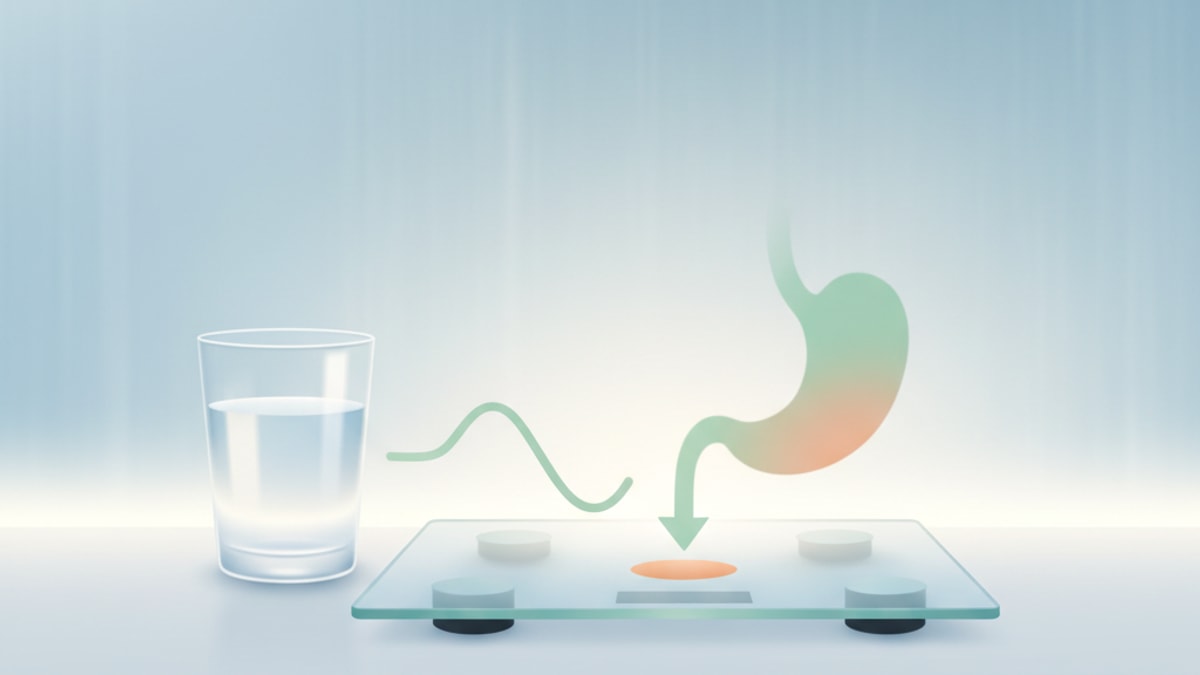
Let’s be direct. The question “does vomiting help weight loss?” often comes from a place of desperation, a frantic search for a quick fix in a world that relentlessly pushes for a certain body ideal. It's a question whispered into search engines late at night, and our team at TrimrX understands the pressure that leads to it. As a biotechnology company focused on the science of metabolic health, we believe you deserve an honest, unflinching answer, free from judgment and grounded in medical reality.
So, here it is. No. Absolutely not. Self-induced vomiting, or purging, is not a weight loss strategy. It’s a dangerous behavior that is a hallmark symptom of a serious eating disorder, and it can cause devastating, irreversible damage to your body. We’ve dedicated our work to developing and providing safe, medically-supervised weight loss solutions because we’ve seen the fallout from harmful, ineffective methods. It's time to dismantle this myth for good and talk about what true, sustainable health actually looks like.
The Short, Unmistakable Answer
We won't bury the lead. The idea that you can “undo” a meal by throwing it up is a dangerous illusion. From a purely physiological standpoint, it’s remarkably inefficient. Calorie absorption begins the moment food enters your mouth and continues rapidly in the stomach and small intestine. By the time you force yourself to vomit, a significant portion of the calories—sometimes more than half—have already been absorbed into your system.
It's a path to catastrophic health problems.
What you do lose is water, electrolytes, and stomach acid. This is what creates the temporary dip on the scale. It's not fat loss; it's dehydration. This fleeting, deceptive number reinforces the behavior, creating a vicious cycle that has nothing to do with genuine weight management and everything to do with inflicting harm upon yourself.
What Really Happens When You Purge?
Imagine your body as a highly sophisticated machine. When you eat, a complex and beautifully orchestrated process begins. But purging is like throwing a wrench into the gears. It's a violent act that disrupts a system designed for nourishment, not rejection. The temporary feeling of emptiness or control is a facade, masking a chaotic internal reality.
Our experience in metabolic science shows that the body fights desperately for equilibrium. When you purge, you’re not just getting rid of food; you’re aggressively stripping your body of essential minerals like potassium, sodium, and chloride. These electrolytes are critical for nerve function and, most importantly, for maintaining a steady heartbeat. When they become imbalanced, the consequences can be immediate and severe. The body doesn't register this as 'weight loss.' It registers it as a five-alarm fire, a state of acute crisis it must now struggle to correct.
The Cascade of Physical Damage: A Clinical Look
We can't stress this enough: frequent, self-induced vomiting is a systematic assault on your body. It’s not a single act with a single consequence; it’s a relentless campaign that wears down your most vital systems. Here at TrimrX, our entire approach is built on working with the body's natural systems. Purging does the exact opposite.
Here’s a look at the clinical reality of what happens over time:
- Dental Devastation: Your stomach acid is powerful enough to break down tough foods. It's not meant to be in your mouth. When it is, it relentlessly erodes tooth enamel, the protective outer layer of your teeth. This leads to rapid tooth decay, extreme sensitivity, discoloration (a characteristic yellowish tint), and gum disease. In many cases, the damage is so severe that it results in cracked teeth and eventual tooth loss. Dentists can often be the first healthcare professionals to spot the signs of bulimia nervosa.
- Esophageal and Throat Trauma: The tube connecting your mouth to your stomach, the esophagus, isn't designed to handle acid. Repeated exposure causes chronic inflammation (esophagitis), heartburn, and sores. The sheer force of vomiting can cause small tears in the esophageal lining, leading to vomiting blood (a Mallory-Weiss tear). In the most terrifying and acute cases, it can cause a full rupture of the esophagus, a life-threatening medical emergency that requires immediate surgery.
- Electrolyte Imbalance and Heart Risks: This is the most acute and life-threatening danger. Losing vast amounts of potassium through vomiting can lead to a condition called hypokalemia. Potassium is essential for the electrical signaling that keeps your heart beating regularly. Without it, you can experience severe muscle weakness, palpitations, an irregular heartbeat (arrhythmia), and, in the worst cases, sudden cardiac arrest. It’s a silent and formidable risk that many people engaging in this behavior are completely unaware of.
- Gastrointestinal Chaos: The body becomes confused. The natural rhythm of digestion is shattered. Chronic acid reflux becomes the norm. The stomach can become stretched and weakened, and you may experience severe bloating, gas, and constipation. Many individuals also turn to laxatives, further disrupting the system and creating a dependency where the bowels can no longer function properly on their own.
- Dehydration and Kidney Strain: The loss of fluid from purging leads to chronic dehydration. This puts immense strain on your kidneys, the organs responsible for filtering your blood and managing fluid levels. Over time, this can lead to kidney stones, urinary tract infections, and even kidney failure.
- Visible Physical Signs: The body often wears the external signs of this internal battle. Chronic purging can cause the salivary glands to swell, creating puffy cheeks (sialadenosis, sometimes called 'chipmunk cheeks'). The strain can cause broken blood vessels in the eyes and on the face. Skin becomes dry and flaky, hair becomes brittle, and nails can weaken and break easily.
The Psychological Toll: Beyond the Physical
It would be a grave mistake to view this issue through a purely physical lens. The psychological burden is just as, if not more, destructive. Purging is a central component of the eating disorder bulimia nervosa, which is characterized by a cycle of binge eating followed by compensatory behaviors. This isn't about a lack of willpower; it’s a complex mental health condition rooted in a desperate, painful struggle for control that ultimately results in a total loss of it.
The cycle is fueled by secrecy, shame, and profound self-loathing. It isolates you from friends, family, and joy. The obsession with food, weight, and body shape consumes your mental energy, making it difficult to focus on work, school, or relationships. It often exists alongside other conditions like anxiety, depression, obsessive-compulsive disorder (OCD), and substance abuse. It’s a prison built of guilt and fear, and the temporary ‘relief’ from purging only serves to reinforce the walls.
Breaking free requires immense courage and, critically, professional help. It’s not something you can or should face alone.
A Comparison of Approaches: Dangerous Myths vs. Medical Science
Let's be perfectly clear about the options on the table. On one side, you have dangerous, ineffective methods born from misinformation. On the other, you have modern medical science. The difference is stark.
| Feature | Self-Induced Vomiting (Purging) | Medically-Supervised Weight Loss (GLP-1 Therapy) |
|---|---|---|
| Mechanism | Violent, forced expulsion of partial food contents. Disrupts natural body functions. | Works with the body's hormones (GLP-1) to regulate appetite, increase satiety, and improve metabolic function. |
| Health Outcome | Catastrophic. Leads to dental erosion, heart problems, esophageal damage, and severe mental distress. | Positive. Promotes sustainable fat loss, improves blood sugar control, reduces cardiovascular risk factors, and supports overall health. |
| Sustainability | Completely unsustainable. The behavior escalates, and the health consequences worsen over time. | Designed for long-term success. Creates new, healthier patterns by addressing the biological drivers of hunger and weight. |
| Psychological Impact | Fosters a cycle of shame, secrecy, anxiety, and depression. A core feature of a serious eating disorder. | Empowering. Reduces food 'noise' and cravings, fostering a healthier relationship with food and the body under medical guidance. |
| Professional Oversight | None. It is a secretive, isolated, and dangerous behavior. | Essential. Managed by a medical team that provides prescriptions, monitors progress, and ensures safety and efficacy. |
Shifting the Focus: What Sustainable Weight Loss Actually Looks like
So, if purging is unequivocally the wrong path, what is the right one? The answer lies in science. It lies in understanding and addressing the root biological drivers of weight gain, not in punishing your body.
This is where the work we do at TrimrX becomes so critical. Modern biotechnology has given us formidable tools to fundamentally change the conversation around weight management. We’ve moved past the outdated and simplistic 'eat less, move more' mantra that so often fails because it ignores the complex hormonal signals that govern hunger, satiety, and metabolism.
We're talking about GLP-1 receptor agonists. Names like Semaglutide and Tirzepatide represent a paradigm shift. These aren't stimulants or harsh chemicals. They are bio-identical hormones that mimic a natural signal your body already uses. When you eat, your gut releases GLP-1 to tell your brain, “Hey, we’re full.” It also tells your pancreas to release insulin appropriately and slows down the speed at which your stomach empties. The result? You feel satisfied with smaller portions, the constant, distracting ‘food noise’ in your head quiets down, and your body’s metabolic health improves.
This approach is the polar opposite of purging. It’s gentle. It’s collaborative. It works with your body’s intricate systems to restore balance. And, crucially, it’s done under the careful guidance of a medical team. This isn't a magic pill; it’s a powerful medical tool that, when used within a comprehensive program, can lead to profound and lasting change. If you're ready to explore a path that works with your body, not against it, you can Start Your Treatment with our medical team.
The TrimrX Philosophy: A Partnership in Health
Our entire philosophy is built on this foundation of scientific partnership. We don’t just provide access to FDA-registered medications; we provide a framework for success. We believe that achieving a healthy weight is a medical journey, not a moral failing.
When a patient comes to us, they're not just getting a prescription. They're getting a dedicated clinical team. They're getting a personalized plan. They're getting the support and expertise needed to navigate their journey safely. We've seen it time and time again: individuals who have spent years, even decades, battling their weight with punishing diets and dangerous behaviors finally find relief and success when they address the underlying biology.
This is about more than a number on a scale. It's about regaining energy, reducing the risk of chronic disease, and building a positive, healthy relationship with your body. It’s about moving from a place of shame and secrecy to one of empowerment and well-being. The contrast with the dark, isolating world of an eating disorder could not be more profound. Curious if you're a candidate? A great first step is to Take Quiz on our site. It's quick, confidential, and can help determine if our program is the right fit for you.
Getting Help: Your First Step Away from a Dangerous Path
If you, or someone you care about, are inducing vomiting for weight control, the most important message we can convey is this: please seek help. This is not something to hide or to fight on your own. It is a serious health condition that requires compassionate, professional care.
Start by talking to someone you trust—a doctor, a therapist, a school counselor, or a family member. Admitting you need help is the first and most powerful step toward recovery. A primary care physician can assess the physical damage and refer you to specialists. A therapist or psychiatrist specializing in eating disorders can help you address the underlying psychological drivers and develop healthier coping mechanisms.
Reaching out is an act of profound strength. It’s a declaration that you are ready to choose health, to choose yourself, over the disorder. There is a path back to well-being, and it begins with that first conversation.
Ultimately, the journey to a healthy weight and a healthy life is about respect for your body, not rebellion against it. It’s about nourishing it with good food, moving it in ways that bring you joy, and leveraging medical science when you need support. It’s about choosing methods that heal over those that harm. The search for a quick fix is understandable, but the real, lasting solution lies in a steady, supported, and scientific approach to wellness.
Frequently Asked Questions
Does throwing up after eating prevent all weight gain from that meal?
▼
No, it doesn’t. Calorie absorption begins almost immediately. Studies suggest that even immediate purging only removes about 50% or less of the calories consumed, and that percentage drops significantly the longer you wait.
What are the very first physical signs of damage from vomiting?
▼
Early signs can include bad breath, sore throat, heartburn, and swollen cheeks or jawline. You might also notice broken blood vessels in your eyes or on your face from the strain of the act itself.
Is it ever safe to make yourself vomit?
▼
No. Self-induced vomiting is never a safe or acceptable method for weight control. The only time vomiting should be induced is under the direct instruction of a medical professional in a specific poisoning emergency.
How do GLP-1 medications like Semaglutide help with weight loss differently?
▼
GLP-1s work with your body’s natural hormone system to regulate appetite and increase feelings of fullness. They address the biological drivers of hunger, making it easier to eat less without feeling deprived, which is the complete opposite of the violent, harmful act of purging.
What is bulimia nervosa?
▼
Bulimia nervosa is a serious eating disorder characterized by a recurring cycle of binge eating (consuming a large amount of food in a short period) followed by compensatory behaviors, such as self-induced vomiting, to prevent weight gain.
Can the damage from purging be reversed?
▼
Some damage, like dehydration and minor throat irritation, can heal once the behavior stops. However, severe damage like tooth enamel erosion is permanent, and significant harm to the heart or esophagus may be irreversible. Early intervention is crucial.
Why do I feel a sense of relief after purging?
▼
This feeling is often psychological. It can be a temporary relief from the physical discomfort of being overly full and, more significantly, from the intense anxiety and guilt associated with binge eating. This fleeting relief reinforces the dangerous cycle.
How can I help a friend I suspect is purging for weight loss?
▼
Approach them privately and with compassion, expressing your concern for their well-being rather than making accusations. Encourage them to speak with a doctor, therapist, or a trusted adult, and offer to support them in seeking professional help.
Does vomiting slow down my metabolism?
▼
While not a direct effect, the cycle of bingeing and purging, along with the resulting nutritional deficiencies and stress on the body, can absolutely disrupt your metabolism. It creates a chaotic metabolic state that is not conducive to healthy body function or weight management.
Are there medical treatments for the urge to binge and purge?
▼
Yes. Treatment for bulimia typically involves a combination of psychotherapy (like CBT), nutritional counseling, and sometimes medication, such as certain antidepressants, to help manage the underlying urges and co-occurring mood disorders.
Is a program like TrimrX’s suitable for someone with a history of an eating disorder?
▼
This is a critical question that requires a personalized medical evaluation. It’s absolutely essential to be completely transparent about any history of eating disorders with our medical team so they can determine the safest and most appropriate course of action for your health.
What’s the difference between purging and just feeling sick after a big meal?
▼
The key difference is intent. Purging is the intentional, self-induced act of vomiting for the purpose of weight control. Feeling nauseous or getting sick unintentionally after a meal is a physiological response, not a compensatory behavior.

Transforming Lives, One Step at a Time
Keep reading

Obesity and Low Testosterone
**Can obesity cause low testosterone?** Yes. Obesity can lower testosterone, and the relationship often runs in both directions.

Top 6 Best Weight Loss Medications in 2026
Prescription weight loss medication has gone mainstream. What was once a quiet corner of obesity medicine is now one of the most talked-about categories…

Top 8 Best Telehealth for Weight Loss in 2026
Finding the best telehealth for weight loss used to be a time-consuming process that involved hours of research, murky pricing pages, and a fair…


