Pickle Juice for Weight Loss: The Salty Truth From Our Experts
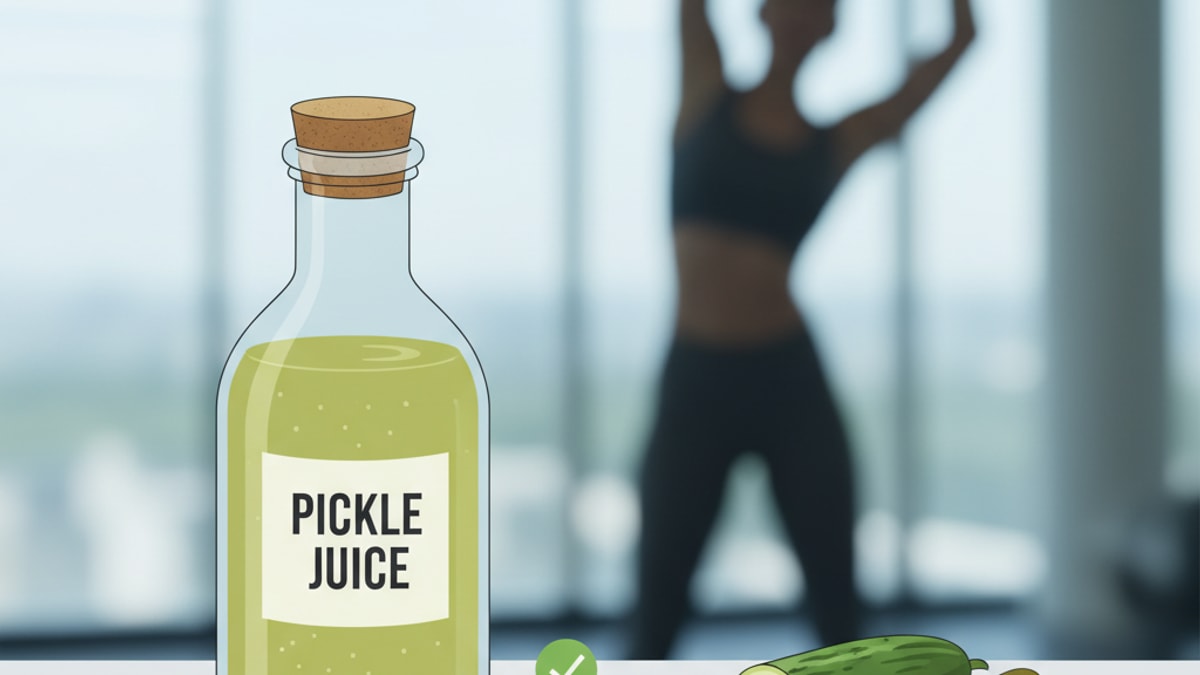
It seems like every week there’s a new, slightly bizarre wellness trend promising to be the key to unlocking your weight loss goals. We've seen them all. From cayenne pepper concoctions to celery juice crazes, the internet is a sprawling graveyard of discarded fads. Lately, one of the most persistent questions our team gets is about a particularly pungent pantry staple: pickle juice.
We’ve all heard the buzz. Athletes swear by it for cramps. Health influencers tout it as a gut-healing elixir. And now, the big question is circulating: does pickle juice help with weight loss? It’s a compelling idea. It's cheap, it's readily available, and it feels like a simple, old-fashioned secret. But here at TrimrX, our entire philosophy is built on medical evidence, not anecdotes. We believe in solutions that are backed by robust science and deliver real, sustainable results. So, let's cut through the noise and give this salty trend an unflinching, expert look.
So, What's the Real Story Behind Pickle Juice?
Before we can even touch on its effects, we need to be clear about what we're actually talking about. Pickle juice isn't some magical brew. It’s simply the brine used to preserve cucumbers. At its core, it’s a solution of water, salt, and vinegar. Spices like dill and garlic are usually thrown in for flavor.
But here’s a critical distinction our team always points out: there are two main types of pickles, and their juice is fundamentally different.
- Standard, Store-Bought Pickle Juice: The vast majority of pickles you find on a grocery store shelf are made with a vinegar-based brine. The cucumbers are essentially quick-pickled in this acidic solution. This juice contains vinegar (acetic acid), salt, and water.
- Fermented Pickle Juice: This is the old-school method. Cucumbers are submerged in a saltwater brine and allowed to ferment naturally over time. The sour taste comes from lactic acid produced by beneficial bacteria, not from added vinegar. This type of brine contains live probiotics.
This difference is not trivial. It's actually the crux of many of the health claims. Most of the chatter about gut health benefits refers specifically to the fermented kind, which is much harder to find and often not what people are grabbing from their fridge. For the most part, when people ask about pickle juice, they're talking about the standard vinegar-based stuff. We'll cover both.
The Potential (and Often Overstated) Weight Loss Claims
Alright, let's tackle the claims head-on. There are a few key theories floating around that supposedly link pickle juice to shedding pounds. Our medical team has reviewed the science behind each one, and here’s our professional breakdown.
Claim 1: Acetic Acid Might Boost Metabolism
This is the big one. The primary active compound in the vinegar within pickle juice is acetic acid. Some small-scale studies, mostly in animals, have suggested that acetic acid can have a modest impact on metabolism and fat storage. The idea is that it may help suppress fat accumulation and improve the body's ability to burn calories. Sounds great, right?
Honestly, though, the effect is microscopic. We can't stress this enough. The studies involved consuming amounts of vinegar that are often more than what's in a single serving of pickle juice, and even then, the resulting weight loss was minimal over several months. It’s a nearly imperceptible nudge, not a powerful push. In our experience helping thousands of patients, we know that relying on such a minor metabolic tweak is a recipe for frustration. It’s like trying to fill a swimming pool with an eyedropper. True metabolic change, the kind that moves the needle, often requires a more powerful, targeted approach.
Claim 2: Probiotics Can Improve Gut Health
This claim is valid, but only for the fermented pickle juice we mentioned earlier. A healthy gut microbiome is absolutely a critical, non-negotiable element of overall health and weight management. The bacteria in your gut influence everything from digestion and nutrient absorption to appetite signaling and inflammation. An imbalance can make weight loss a difficult, often moving-target objective.
So, yes, fermented pickle juice contains probiotics. But the quantity and diversity of these beneficial bacteria can be wildly inconsistent from one batch to another. You're likely to get a far more reliable and potent dose from sources like kefir, Greek yogurt, sauerkraut, or a high-quality probiotic supplement. Drinking pickle juice for probiotics is a bit of a gamble; it’s not a standardized therapeutic dose. It's a nice bonus if you're already eating fermented foods, but it's not a standalone strategy for rebalancing your gut.
Claim 3: It Aids Hydration and Manages Cravings
This is perhaps the most legitimate and straightforward benefit. Pickle juice is loaded with electrolytes, primarily sodium and some potassium. After a grueling workout where you've sweat a lot, a small shot of pickle juice can help replenish these lost electrolytes more effectively than plain water. This prevents dehydration, which is crucial because our bodies sometimes mistake thirst for hunger. Staying properly hydrated can absolutely help manage unnecessary snacking.
But let’s be clear. This is an indirect benefit. Pickle juice isn't 'burning fat'; it's supporting a healthy exercise routine by aiding recovery. You could get a similar or even better effect from a well-formulated electrolyte drink without the sheer volume of sodium. This is a supporting habit, not a primary driver of weight loss.
Claim 4: It Helps Regulate Blood Sugar
Here we are back at acetic acid again. There is some compelling evidence that vinegar can help improve insulin sensitivity and blunt the blood sugar spike that occurs after a high-carbohydrate meal. By slowing down stomach emptying, it leads to a more gradual release of glucose into the bloodstream. Stable blood sugar is fantastic for weight management—it reduces energy crashes and curbs cravings for sugary snacks.
This is a genuinely interesting mechanism. However, the effect is temporary and meal-dependent. It helps manage the immediate aftermath of one meal. It doesn't fundamentally change your body's baseline metabolic function or hormonal signaling in the way that a comprehensive medical program does. For instance, the GLP-1 medications we use at TrimrX, like Semaglutide and Tirzepatide, are designed to provide steady, long-term improvements in blood sugar control and appetite regulation by working with your body's natural hormone systems. It's the difference between patching a small leak and upgrading the entire plumbing system.
The Unflinching Downsides: Why It's Not a Silver Bullet
Now for the part of the conversation that often gets glossed over in viral wellness videos. While pickle juice has some minor potential benefits, our team believes the significant drawbacks are far more important to consider, especially for someone on a health and wellness journey.
The most glaring issue is the staggering sodium content. A single three-ounce serving of pickle juice can contain over 900mg of sodium. That’s nearly 40% of the recommended daily limit for a healthy adult in one tiny shot! For individuals with or at risk for high blood pressure, this is a catastrophic amount. Even for healthy individuals, consistently consuming this much sodium can lead to water retention and bloating—making you feel and look heavier—and can put unnecessary strain on your kidneys over time. It's a huge red flag.
Beyond the salt, the high acidity can be a formidable problem for many people's digestive systems. If you're prone to acid reflux, GERD, or have a sensitive stomach, chugging vinegar is likely to cause significant discomfort, heartburn, and irritation. The last thing you want is for your new 'health hack' to leave you feeling worse than when you started.
And finally, the most important point from a scientific standpoint: the complete lack of direct, high-quality evidence. There are simply no large-scale, placebo-controlled human trials demonstrating that drinking pickle juice leads to significant or sustainable weight loss. The claims are cobbled together from tangential studies on vinegar, hydration, and probiotics. It’s a theory built on a house of cards. At TrimrX, our medical protocols are based on years of clinical research and FDA-approved treatments. We prioritize what is proven to be safe and effective, and pickle juice just doesn't make the cut.
A Realistic Comparison: Pickle Juice vs. Medically-Supervised Plans
To put it all into perspective, let's look at how a trendy hack like drinking pickle juice stacks up against a structured, evidence-based weight loss program. The difference is not just significant; it's a completely different paradigm of care.
| Feature | Pickle Juice | Medically-Supervised Program (TrimrX) |
|---|---|---|
| Mechanism | Indirect and minor effects from acetic acid, electrolytes, and potential probiotics. | Targets core metabolic and hormonal pathways using clinically-proven GLP-1 medications. Addresses the biology of appetite and blood sugar. |
| Scientific Evidence | No direct clinical trials for weight loss. Based on theory and tangential studies. | Extensive, large-scale clinical trials demonstrating significant and sustained weight loss. FDA-registered for weight management. |
| Effectiveness | Highly unlikely to produce noticeable weight loss on its own. Any effect is minimal. | Proven to be one of the most effective tools for significant weight loss when combined with lifestyle changes. |
| Safety & Side Effects | High risk of excessive sodium intake, potential for digestive upset and acid reflux. | Medically monitored to manage potential side effects. Personalized dosing and ongoing clinician support ensure safety. |
| Sustainability | Not a sustainable long-term strategy due to health risks and lack of efficacy. | Designed for long-term success with a focus on creating lasting lifestyle changes supported by effective medical treatment. |
Looking at it this way, the choice becomes clear. One is a shot in the dark, and the other is a calculated, scientifically-validated strategy.
Integrating Smart Choices vs. Chasing Fads
So, what's the takeaway? The quest for a single magic bullet for weight loss is ultimately a fruitless one. Our team has found that true, lasting success is never about one weird trick. It’s about building a comprehensive system that supports your body's biology.
This system rests on a foundation of smart nutrition, consistent physical activity, adequate sleep, and stress management. These are the non-negotiables. For many people, however, that foundation alone isn't enough to overcome formidable biological hurdles like insulin resistance, hormonal imbalances, or a dysregulated appetite system. It's an incredibly common and deeply frustrating reality. You can do everything 'right' and still see the scale refuse to budge.
This is precisely where modern medicine offers a powerful advantage. It’s not about replacing the foundations; it's about providing a tool to make them finally work. Our programs at TrimrX, which utilize advanced GLP-1 medications like Semaglutide and Tirzepatide, are designed to work with your body. They help regulate your natural appetite hormones, stabilize blood sugar, and quiet the 'food noise' that can derail even the most determined efforts. This creates the biological space for healthy habits to take root and flourish.
If you've felt stuck in that cycle of trying fads and feeling disappointed, it may be time to consider a different approach. An approach grounded in science. If you're ready to see what a medically-supervised path can do for you, you can Take Quiz to see if you're a candidate. It's a simple first step toward a proven solution.
The TrimrX Philosophy: Evidence Over Anecdote
We get it. The appeal of a simple, cheap solution like pickle juice is strong. But our experience guiding patients through their weight loss journeys has taught us that chasing these trends often leads to a cycle of hope and disappointment that can be damaging to a person's motivation and mental health.
Our philosophy is simple: we follow the evidence. We rely on treatments that have been rigorously tested and proven to be effective in a clinical setting. We believe in providing our patients with the most powerful tools available, supported by a framework of medical expertise and compassionate care. This approach (which we've refined over years) delivers real results because it addresses the root biological factors of weight gain, rather than just nibbling around the edges.
It’s not about finding a secret hack. It’s about leveraging cutting-edge biotechnology to give you the control you deserve. It's about making your hard work finally count. When you’re ready to stop guessing, we're here to help you start a new chapter. It’s time to Start Your Treatment.
So, what's the final verdict on our original question? Should you be drinking pickle juice for weight loss? If you genuinely enjoy the taste as a quirky snack or want a salty, low-calorie option for post-workout electrolyte replacement, then by all means, enjoy it in moderation. But please, don't view it as a weight loss tool. It's not one. For meaningful, lasting results that you can see and feel, it’s time to look beyond the pickle jar. The most powerful solutions aren't found in your pantry; they're found in science, consistency, and a supportive medical plan designed for your unique body.
Frequently Asked Questions
How much pickle juice is safe to drink daily?
▼
Due to its extremely high sodium content, our medical team advises against drinking pickle juice daily. A small serving (1-2 tablespoons) occasionally is unlikely to be harmful for a healthy person, but regular consumption can contribute to high blood pressure and other health issues.
Does the type of pickle juice matter for weight loss?
▼
While fermented pickle juice contains probiotics beneficial for gut health, neither type has been proven to cause significant weight loss. The primary active ingredient in standard pickle juice, acetic acid, has only a minuscule effect on metabolism.
Can pickle juice help with belly fat specifically?
▼
No, there is no scientific evidence that pickle juice can target belly fat. Spot reduction is a myth; effective fat loss occurs throughout the body and is achieved through a comprehensive approach involving nutrition, exercise, and often, medical support.
Will drinking pickle juice break a fast?
▼
Yes. Pickle juice contains calories, although very few (typically 0-20 per serving depending on the brand). Consuming any calories will technically break a fast, so it should be avoided during your fasting window.
Are there any medications that interact with pickle juice?
▼
The high sodium in pickle juice can be a concern for individuals on blood pressure medications or diuretics. Its acidity can also affect certain drugs. We always recommend consulting with your doctor before adding any new, concentrated supplement to your diet.
What’s a better alternative to pickle juice for electrolytes?
▼
For post-workout recovery, a well-formulated electrolyte powder mixed with water is a much better choice. These products are designed to provide a balanced ratio of sodium, potassium, and magnesium without the excessive sodium and acidity of pickle juice.
Is apple cider vinegar better than pickle juice for weight loss?
▼
Both contain acetic acid, the compound linked to minor metabolic benefits. Apple cider vinegar is more concentrated, but the overall effect on weight loss remains negligible for both. Neither is a substitute for a proven weight loss strategy.
Can drinking pickle juice cause bloating?
▼
Absolutely. The massive amount of sodium in pickle juice can cause your body to retain water, leading to significant bloating and a feeling of puffiness. This can be counterproductive and discouraging on a weight loss journey.
How does pickle juice compare to a GLP-1 medication?
▼
There is no comparison. Pickle juice offers, at best, a theoretical and tiny metabolic nudge. GLP-1 medications like Semaglutide are powerful, clinically-proven treatments that work on a hormonal level to regulate appetite, control blood sugar, and facilitate significant, sustained weight loss.
Why is high sodium a concern for weight management?
▼
High sodium intake leads to water retention, which can mask fat loss on the scale and cause frustrating fluctuations. More importantly, it is a primary driver of high blood pressure, which increases the risk of heart disease and stroke, conditions often linked with obesity.
Does pickle juice help with sugar cravings?
▼
Indirectly, perhaps. By helping to stabilize blood sugar after a meal, the acetic acid in pickle juice might slightly reduce subsequent cravings. However, this effect is temporary and not nearly as powerful as medically-backed solutions that regulate appetite hormones directly.
Is it okay to drink pickle juice if I have high blood pressure?
▼
No, our team strongly advises against it. The extremely high sodium content in pickle juice can be dangerous for anyone with hypertension or those at risk. It can directly counteract the effects of blood pressure medication and elevate your readings.

Transforming Lives, One Step at a Time
Keep reading

Obesity and Low Testosterone
**Can obesity cause low testosterone?** Yes. Obesity can lower testosterone, and the relationship often runs in both directions.

Top 6 Best Weight Loss Medications in 2026
Prescription weight loss medication has gone mainstream. What was once a quiet corner of obesity medicine is now one of the most talked-about categories…

Top 8 Best Telehealth for Weight Loss in 2026
Finding the best telehealth for weight loss used to be a time-consuming process that involved hours of research, murky pricing pages, and a fair…


