Is Iron Deficiency Causing Your Unexplained Weight Loss?
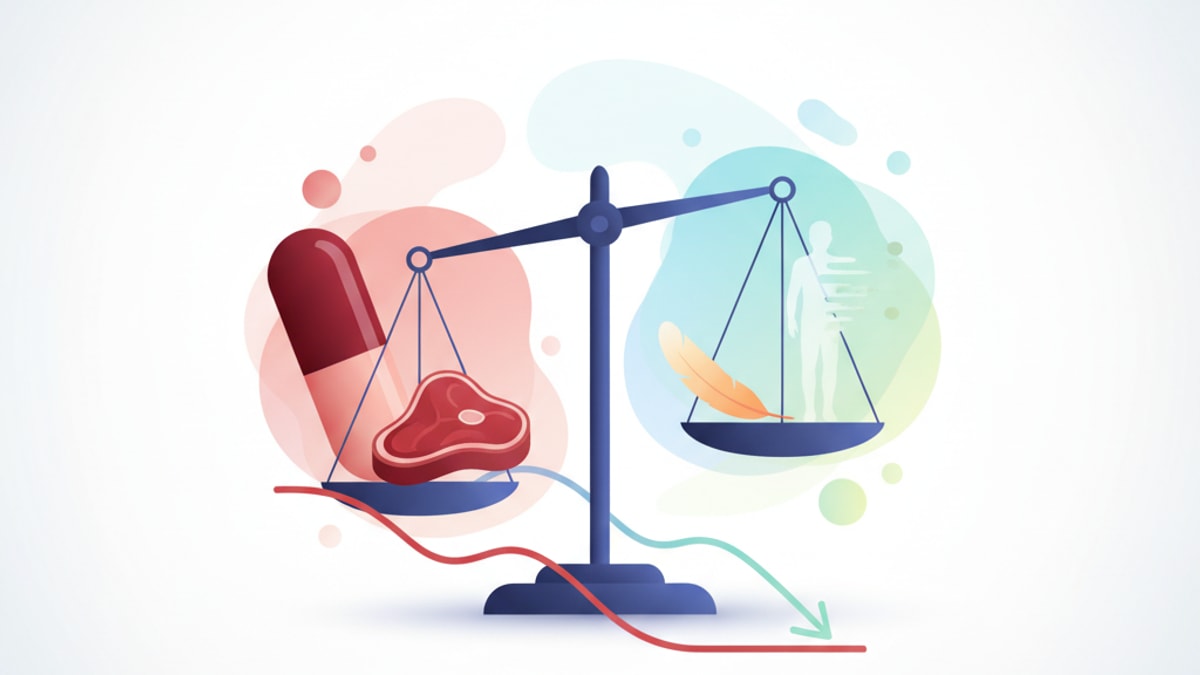
You’re doing everything right. You're mindful of your diet, you're trying to stay active, but the number on the scale is moving in a way that feels… off. Or maybe you're not trying to lose weight at all, yet it's happening anyway, accompanied by a profound sense of fatigue that coffee just can't touch. In our work guiding patients through their metabolic health journeys at TrimrX, we've seen countless variables that influence weight. But there's one that consistently flies under the radar, creating a cascade of confusing symptoms: iron deficiency.
The question we hear is often a variation of this: can lack of iron cause weight loss? It’s a fantastic question because the answer is far more nuanced and interesting than a simple yes or no. The relationship between this vital mineral and your body composition is a complex dance involving energy, hormones, and your very ability to function. Let's be honest, untangling this is crucial for anyone serious about their long-term health and achieving a stable, healthy weight. It's not just about calories; it's about cellular function. And that's where iron becomes a superstar.
First Things First: What Exactly is Iron's Job?
Before we can connect iron to weight, we have to appreciate what it does. Think of iron as the ultimate logistics manager for your body's oxygen supply chain. Its most famous role is as a core component of hemoglobin, the protein in your red blood cells responsible for grabbing oxygen from your lungs and delivering it to every single cell, from your brain to your biceps. No iron, no functional hemoglobin. No functional hemoglobin, no oxygen delivery.
Simple, right?
But its job description is much broader. Iron is also a critical player in myoglobin, which stores oxygen in your muscles for when you need it most (like during a workout or just climbing a flight of stairs). It’s essential for converting food into energy—a process known as cellular respiration that happens deep inside your mitochondria. It supports DNA synthesis, a healthy immune system, and even the production of key neurotransmitters that regulate your mood. So when we talk about being 'low on iron,' we're talking about a systemic problem that can disrupt some of your body's most fundamental operations. It's a foundational issue, and our experience shows that ignoring foundational issues is the quickest way to derail any health goal, including weight management.
The Direct Answer: Can a Lack of Iron Cause Weight Loss?
Okay, let's tackle the main question head-on. Yes, in certain, typically more severe cases, iron deficiency anemia can lead to unintentional weight loss. But we can't stress this enough: it is not a healthy or desirable mechanism. It's a symptom of a significant underlying problem.
How does this happen? The primary driver is often a loss of appetite. Severe anemia can trigger a range of symptoms, including nausea, changes in taste, and a general feeling of being unwell (malaise), all of which can dramatically reduce your desire to eat. When you're consuming significantly fewer calories because you simply don't feel like eating, weight loss is an inevitable consequence. In some instances, severe deficiency can also be linked to gastrointestinal issues that impair nutrient absorption, further contributing to a caloric deficit.
However, this scenario is the exception, not the rule. It's a sign that the body is in a state of serious distress. For the vast majority of people struggling with low iron, the opposite problem is far more common. They find that shedding pounds is an uphill, often impossible, battle.
The More Common Reality: How Iron Deficiency Sabotages Weight Loss
This is where the conversation gets really interesting for those actively pursuing weight management. Our team has found that suboptimal iron levels, even before they reach the stage of full-blown anemia, create a formidable barrier to losing weight. It’s like trying to drive a high-performance car with sugar in the gas tank. The engine just won’t fire properly.
Here's how low iron systematically undermines your efforts:
-
It Obliterates Your Energy: This is the big one. The hallmark symptom of iron deficiency is a bone-deep, relentless fatigue. It's not just feeling a little tired after a long day; it's a pervasive weariness that makes even simple tasks feel monumental. How can you possibly stick to an exercise routine when the thought of putting on your shoes feels exhausting? You can't. Physical activity plummets, your daily calorie burn drops, and weight loss stalls.
-
It Slows Your Metabolism: Remember how iron is crucial for energy production in your mitochondria? When your cells aren't getting enough oxygen and can't efficiently convert food to fuel, your body's overall metabolic rate can slow down. It’s a protective mechanism. Your body senses an energy crisis at the cellular level and hits the brakes, conserving resources. This means you burn fewer calories at rest, making it much easier to gain weight and harder to lose it.
-
It Messes with Your Thyroid: This connection is absolutely critical and often overlooked. The thyroid gland, your body's metabolic thermostat, is exquisitely sensitive to iron levels. Iron is required for the enzyme that converts the inactive thyroid hormone (T4) into the active thyroid hormone (T3). Without enough iron, this conversion process is impaired. You can have plenty of T4, but if you can't convert it to T3, your body experiences symptoms of hypothyroidism—including weight gain, fatigue, and feeling cold. We've seen patients whose thyroid labs look 'normal' on a basic panel, but a closer look at their iron status reveals the true culprit behind their sluggish metabolism.
It’s a vicious cycle. You feel too tired to move, your metabolism slows down to conserve energy, and your hormones get thrown out of whack. It’s a perfect storm for weight management frustration.
Are You Missing the Signs of Low Iron?
Because the symptoms can be so varied and overlap with many other conditions, iron deficiency often goes undiagnosed. It’s easy to blame fatigue on a busy schedule or attribute brittle nails to winter weather. But these are classic signs your body is crying out for this essential mineral.
Do any of these sound familiar?
- Unrelenting Fatigue: The kind that isn't fixed by a good night's sleep.
- Shortness of Breath: Especially when climbing stairs or during light exertion.
- Pale Skin: Noticeably paler skin, particularly on the inside of your lower eyelids.
- Headaches and Dizziness: Frequent, unexplained headaches or feeling lightheaded.
- Cold Hands and Feet: Feeling chronically cold when others are comfortable.
- Brittle Nails or Hair Loss: Noticeable changes in the health of your hair and nails.
- Strange Cravings (Pica): An unusual desire to eat non-food items like ice, dirt, or paper.
- Restless Legs Syndrome: An overwhelming urge to move your legs, especially at night.
It's important to distinguish between simple iron deficiency and the more advanced stage, iron-deficiency anemia, where the lack of iron has become so severe that your body can't produce enough healthy red blood cells.
Here’s a breakdown our team often uses to clarify the difference:
| Feature | Mild Iron Deficiency | Iron-Deficiency Anemia |
|---|---|---|
| Primary Issue | Iron stores (ferritin) are low, but red blood cell production may still be adequate. | Iron stores are depleted, leading to insufficient production of healthy red blood cells. |
| Key Symptoms | General fatigue, reduced exercise tolerance, difficulty concentrating, 'brain fog.' | All symptoms of deficiency, plus more pronounced shortness of breath, paleness, dizziness. |
| Physical Manifestations | Often subtle. Maybe some hair thinning or brittle nails. | Pale skin, spoon-shaped nails (koilonychia), cracks at the corners of the mouth. |
| Impact on Weight Efforts | Makes exercise feel harder and can begin to slow metabolism. | Makes consistent exercise nearly impossible and can significantly impact metabolic rate. |
Recognizing these symptoms is the first step. The next, and most important, is getting proper medical validation.
Getting the Right Diagnosis: It's More Than a Blood Count
This is a point we feel passionately about. If you suspect low iron, don't just rely on the hemoglobin and hematocrit numbers from a standard Complete Blood Count (CBC). A CBC will only flag a problem once you've reached the stage of full-blown anemia. You can be significantly iron deficient for months or even years before it shows up there, all while your energy and metabolism are suffering.
To get a true picture of your iron status, you need a comprehensive iron panel. Here’s what we recommend discussing with your healthcare provider:
- Serum Ferritin: This is the big one. Ferritin is your body's iron storage protein. A low ferritin level is the earliest and most sensitive indicator of iron deficiency. We can't stress this enough: ask for this specific test.
- Serum Iron: Measures the amount of iron currently circulating in your blood.
- Total Iron-Binding Capacity (TIBC): Measures how well your blood can transport iron.
- Transferrin Saturation: Calculates the percentage of your iron-binding sites that are actually occupied by iron. In deficiency, this number will be low.
A medically-supervised approach is non-negotiable here. At TrimrX, our entire philosophy is built on comprehensive, data-driven health optimization. We believe in looking at the whole picture, because things like nutrient status are foundational to the success of any advanced treatment, including the GLP-1 medications we specialize in. You can't build a strong house on a shaky foundation, and you can't achieve sustainable weight loss with an under-fueled body.
Restoring Your Iron, Reclaiming Your Energy
So, you've confirmed your iron levels are low. What now? The path to restoring them involves a two-pronged approach: diet and, when necessary, professionally guided supplementation.
1. Powering Up Your Plate:
Your first line of defense is food. There are two types of dietary iron, and your body absorbs them differently.
- Heme Iron: Found in animal products like red meat, poultry, and fish. It's highly bioavailable, meaning your body can absorb and use it very easily.
- Non-Heme Iron: Found in plant-based sources like lentils, beans, spinach, tofu, and fortified cereals. Its absorption is less efficient and can be affected by other foods. You can enhance non-heme iron absorption by pairing it with a source of Vitamin C (like citrus fruits, bell peppers, or broccoli). Think spinach salad with a lemon-based vinaigrette.
2. The Role of Supplementation:
For many people, especially those with significant deficiencies, diet alone isn't enough to replenish depleted stores. This is where supplements come in, but they must be used wisely. Iron can be toxic in high doses, so it's absolutely critical to supplement under the guidance of a healthcare professional who can recommend the right form (like ferrous sulfate, gluconate, or bisglycinate) and the correct dosage for you.
Correcting a deficiency isn't an overnight fix. It can take several months of consistent supplementation to rebuild your ferritin stores and start feeling the difference. But when you do, it can be life-changing. The fog lifts, the energy returns, and suddenly, those health goals that felt so out of reach start to seem possible again.
Once your energy and metabolic function are back online, your body is finally in a position to respond effectively to a structured weight management plan. Restoring your iron levels can unlock your ability to exercise consistently and benefit from a metabolically-focused program. If you've been struggling and feel like you've hit a wall, addressing these foundational issues could be the key that opens the door. When you're ready to combine a healthy foundation with a powerful, medically-supervised approach, you can Start Your Treatment with us and see what a comprehensive strategy can truly accomplish.
Ultimately, the question isn't just 'can lack of iron cause weight loss?'. The better question is, 'Is my body functioning optimally to even allow for healthy weight management?'. Iron is a huge piece of that puzzle. It's about more than a number on the scale; it's about reclaiming your vitality. It's about having the energy to live the life you want in a body that feels strong and capable. Don't underestimate the power of this simple mineral. It could be the missing link you've been searching for.
Frequently Asked Questions
Does iron deficiency cause weight gain more often than weight loss?
▼
Yes, in our experience, it’s far more common for iron deficiency to hinder weight loss or contribute to weight gain. This is primarily due to the profound fatigue it causes, which reduces physical activity, and its negative impact on thyroid function and overall metabolic rate.
How long does it take to feel better after starting iron supplements?
▼
While some people notice an improvement in their energy levels within a few weeks, it can take 3 to 6 months of consistent, medically-supervised supplementation to fully replenish your body’s iron stores (ferritin) and resolve all symptoms.
Will fixing my low iron automatically make me lose weight?
▼
Not automatically. Correcting an iron deficiency removes a major roadblock to weight loss by restoring your energy and metabolic function. It gives you the physical capacity to engage in exercise and allows your body to respond more effectively to dietary changes and a comprehensive weight management plan.
What’s the difference between anemia and iron deficiency?
▼
Iron deficiency is a state where your body’s iron stores are low. Anemia, specifically iron-deficiency anemia, is a more advanced stage where the deficiency is so severe that your body cannot produce enough healthy red blood cells, impacting oxygen transport significantly.
Can I get enough iron from a vegetarian or vegan diet?
▼
Absolutely, but it requires careful planning. Plant-based (non-heme) iron isn’t as easily absorbed, so you must consistently eat iron-rich foods like lentils, beans, tofu, and spinach, and pair them with a source of Vitamin C to boost absorption.
Are there any risks to taking iron supplements without a doctor’s guidance?
▼
Yes, there are significant risks. Iron can be toxic in high doses, leading to a condition called iron overload which can damage organs. It’s critical to only take supplements if you have a confirmed deficiency and are under the care of a healthcare professional.
Why is a ferritin test so important for diagnosing low iron?
▼
A ferritin test measures your body’s stored iron. It’s the most sensitive marker for early iron deficiency. Other tests may appear normal until your stores are almost completely empty, so checking ferritin allows for much earlier detection and intervention.
Can low iron cause sugar cravings?
▼
Indirectly, yes. When your cells are starved for energy due to poor oxygen delivery, your body may send out powerful signals for quick energy sources, which often translates into intense cravings for sugar and simple carbohydrates.
Who is most at risk for iron deficiency?
▼
Populations at higher risk include menstruating women (due to monthly blood loss), pregnant women, frequent blood donors, vegetarians/vegans, and individuals with gastrointestinal conditions like celiac disease or IBD that impair nutrient absorption.
Can my weight loss medication be effective if I have low iron?
▼
While medications like GLP-1s work on specific metabolic pathways, their overall effectiveness can be hampered if your body is struggling with a foundational issue like iron deficiency. For optimal results, it’s best to address any nutrient deficiencies to ensure your body is functioning at its best.
Does coffee or tea affect iron absorption?
▼
Yes, they do. Compounds called tannins and polyphenols found in coffee and tea can significantly inhibit the absorption of non-heme (plant-based) iron. It’s best to consume them at least an hour before or after an iron-rich meal or supplement.
Can exercise deplete my iron stores?
▼
Intense or endurance exercise can increase iron needs and contribute to depletion through sweat and minor gastrointestinal bleeding. Athletes, particularly female athletes, often have higher iron requirements and should be monitored closely for deficiency.

Transforming Lives, One Step at a Time
Keep reading

Obesity and Low Testosterone
**Can obesity cause low testosterone?** Yes. Obesity can lower testosterone, and the relationship often runs in both directions.

Top 6 Best Weight Loss Medications in 2026
Prescription weight loss medication has gone mainstream. What was once a quiet corner of obesity medicine is now one of the most talked-about categories…

Top 8 Best Telehealth for Weight Loss in 2026
Finding the best telehealth for weight loss used to be a time-consuming process that involved hours of research, murky pricing pages, and a fair…


