The Unspoken Link: Can GERD Be Cured by Weight Loss?
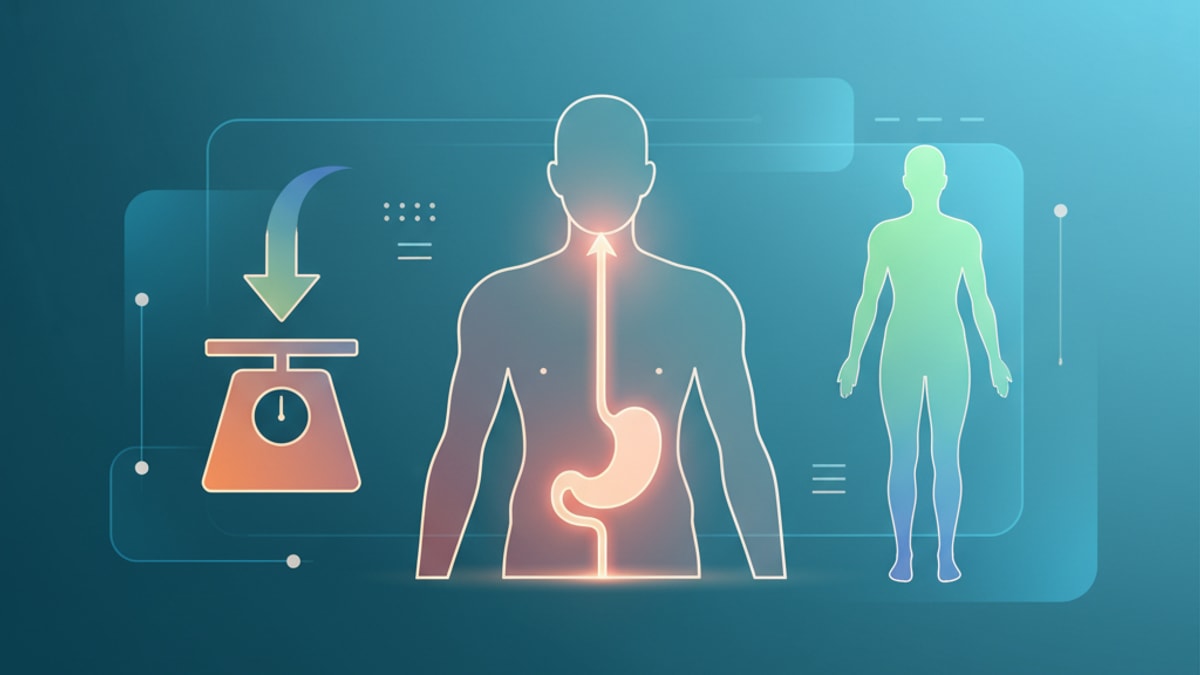
It’s that familiar, unwelcome sensation. The burn that creeps up your chest, the sour taste, the sleepless nights spent propped up on pillows. Gastroesophageal reflux disease, or GERD, isn't just a minor inconvenience; for millions, it's a relentless disruption to daily life. You've likely tried it all—antacids, dietary changes, avoiding your favorite spicy foods—and yet, the discomfort persists. It’s frustrating. And it often feels like you're only treating the symptoms, not the source.
But what if one of the most powerful levers for managing, and in many cases, practically eliminating GERD symptoms has been overlooked or underestimated? We're talking about weight. Our team at TrimrX works at the intersection of biotechnology and patient wellness, and our experience consistently shows a profound, almost mechanical link between body weight and acid reflux. The question we hear all the time is, “Can GERD be cured by weight loss?” It’s a fantastic question, and the answer is nuanced, hopeful, and rooted in some pretty straightforward science.
That Burning Question: What's the Real Link Between Weight and GERD?
To understand why weight loss is so impactful, we first need to look at the mechanics of your body. Think of your digestive system as a series of sophisticated chambers with one-way doors. The most important one for this conversation is the lower esophageal sphincter (LES). The LES is a ring of muscle at the bottom of your esophagus that opens to let food into your stomach and, crucially, closes to keep stomach acid out of your esophagus. It's your body's natural anti-reflux barrier.
When you carry excess body weight, particularly around the abdomen (visceral fat), it creates a state of increased intra-abdominal pressure. It’s simple physics. This constant pressure pushes up against your stomach, which in turn puts immense strain on the LES. Over time, this relentless pressure can weaken the sphincter, causing it to relax at inappropriate times or not close as tightly as it should. When that happens, highly acidic stomach contents can flow backward—or reflux—into the esophagus, causing the classic symptoms of heartburn, regurgitation, and chest pain. It's a mechanical problem, plain and simple.
Furthermore, excess adipose (fat) tissue is not inert; it's metabolically active. It produces inflammatory signals and hormones that can further impair digestive function and the integrity of the tissues in your esophagus. So you're fighting a battle on two fronts: a physical pressure problem and a biochemical inflammation problem. This is why just popping an antacid is like bailing water out of a boat with a hole in it. You're managing the immediate crisis, but you're not patching the hole. Our team's philosophy is always to find and fix the hole.
So, Can GERD Be Cured by Weight Loss? The Honest Answer.
Here’s where we need to be precise with our language. Can GERD be “cured”? In medicine, “cure” is a very strong word, often implying a permanent eradication of a condition. For a chronic condition like GERD, which is heavily influenced by mechanics and lifestyle, it's more accurate to say that weight loss can lead to a complete remission or a profound and lasting resolution of symptoms.
We’ve seen it work. Time and time again.
For a significant number of individuals whose GERD is primarily driven by excess weight, achieving a healthy weight can effectively eliminate their symptoms entirely. They no longer need daily medication. They can sleep flat in their beds again. They can enjoy a wider variety of foods without fear. For these people, the functional result feels exactly like a cure. We can't stress this enough: the change can be absolutely life-altering. The relief isn't just physical; it's a massive mental and emotional weight lifted. Is it a guaranteed cure for every single person? No, because GERD can have other contributing factors, like a hiatal hernia or specific medication side effects. But is it the single most effective non-surgical intervention for the majority of overweight individuals with GERD? Our experience, and the clinical data, says an emphatic yes.
The Science Behind the Relief: How Weight Loss Works Its Magic
When you lose weight, especially abdominal fat, you're directly addressing the root cause we just discussed. The intra-abdominal pressure decreases. This is the big one. It's like taking a heavy weight off a spring. The pressure on your stomach lessens, which in turn reduces the strain on that critical LES valve. It can finally do its job properly without fighting against constant upward force.
But the benefits go deeper. As you reduce fat mass, the body's overall inflammatory state calms down. This can improve tissue health and gut motility. Hormonal balances, including those that regulate appetite and digestion, begin to normalize. Everything just starts to work better. It’s a cascade of positive effects. You're not just alleviating a symptom; you're restoring the proper function of a complex system. It's a holistic, systemic improvement that starts with a simple change in physics.
We've found that patients are often surprised by how quickly they notice a difference. It’s not always about reaching a final goal weight; even the initial 5-10% of weight loss can bring a disproportionately large amount of relief from GERD symptoms because that's often enough to start reducing that critical abdominal pressure. That early feedback loop is incredibly motivating and helps people stay on track for their long-term health goals.
How Much Weight Loss Is Enough to See a Difference?
This is a common and important question. You don't necessarily need to achieve a supermodel physique to find relief. The clinical evidence is remarkably consistent on this point. Studies have shown that a loss of just 10% of total body weight can lead to a significant reduction—or even complete resolution—of GERD symptoms in over 80% of patients.
Let’s put that into perspective. For a person who weighs 220 pounds, a 10% loss is 22 pounds. That is a difficult, but absolutely achievable, goal. The key is that the weight loss needs to be sustainable. This is where many people run into trouble. Crash diets or overly aggressive exercise regimens can lead to rapid weight loss, but it's often followed by a rebound, and the GERD symptoms come roaring back. It’s not just about losing the weight; it’s about establishing a new, healthier metabolic set point.
This is why a medically-supervised approach is so critical. It’s not just about a number on the scale. It's about achieving a healthy body composition in a way your body can maintain for the long haul. That's the only path to lasting relief from weight-related health conditions like GERD.
Traditional Approaches vs. Modern Solutions for Weight Loss
For decades, the advice has been simple: “eat less, move more.” And while the sentiment is correct, it dramatically oversimplifies the formidable biological and psychological challenges of significant weight loss. For people with persistent weight issues, willpower alone often isn't enough to overcome the body's powerful hormonal signals that drive hunger and fat storage. We believe in using the best tools science has to offer. Here's how we see the landscape of options:
| Feature | Traditional Diet & Exercise | Older Weight Loss Drugs | Modern GLP-1 Medications (TrimrX) |
|---|---|---|---|
| Primary Mechanism | Calorie deficit, physical activity | Appetite suppression, fat absorption blocking | Mimics natural hormones, regulates appetite & blood sugar |
| Average Weight Loss | 5-10% (often difficult to sustain) | 5-12% (often with notable side effects) | 15-22%+ (clinically proven, sustainable) |
| Impact on GERD | Moderate, highly dependent on success | Variable, can have unwanted GI side effects | High, directly targets the root cause (abdominal pressure) |
| Medical Supervision | Often self-directed | Required | Essential & Comprehensive (our model) |
As you can see, while traditional methods have their place, they often don't deliver the level of weight loss needed for a profound impact on conditions like GERD. Modern biotechnology has given us a far more effective tool.
Why GLP-1 Medications Are a Game-Changer for GERD Sufferers
Now, this is where it gets interesting. This is the core of what we do at TrimrX. GLP-1 (glucagon-like peptide-1) receptor agonists, like Semaglutide and Tirzepatide, represent a monumental leap forward in weight management. These aren't stimulants or old-school diet pills. They are advanced bio-identical hormone therapies that work with your body's own systems to regulate appetite and metabolism.
Here’s how they create the ideal conditions for defeating weight-related GERD:
- They Quiet the 'Food Noise': GLP-1s work on the appetite centers in your brain, significantly reducing hunger and cravings. This makes it dramatically easier to adhere to a lower-calorie diet without feeling constantly deprived or battling intense hunger. You feel satisfied with smaller portions.
- They Regulate Blood Sugar: By improving how your body uses insulin, these medications prevent the blood sugar spikes and crashes that often lead to cravings for unhealthy foods.
- They Enable Significant, Sustainable Weight Loss: The results speak for themselves. Clinical trials have shown that patients on these medications can achieve an average of 15-22% body weight loss. This isn't just a few pounds; this is the kind of transformative weight loss that is clinically proven to resolve obesity-related health conditions, and GERD is right at the top of that list.
By facilitating this level of weight loss, GLP-1 medications directly address the mechanical root cause of GERD: the excess intra-abdominal pressure. It’s a direct line from treatment to relief. Our team helps patients navigate this process, providing the medication and the expert guidance needed to achieve these results safely and effectively. If you've been struggling with both your weight and relentless acid reflux, this approach could be the answer you've been searching for. It might be time to find out if you're a candidate. You can easily Take Quiz to see if our program is the right fit for you.
Beyond the Scale: Other Lifestyle Factors We Can't Ignore
While weight loss is the single most powerful tool, a holistic approach always yields the best results. We're not just treating a number; we're treating a whole person. Our team always counsels patients to incorporate other supportive habits alongside their medically-supervised weight loss journey.
- Dietary Triggers: Even with weight loss, certain foods can still be problematic. Common culprits include caffeine, alcohol, chocolate, spicy foods, and highly acidic foods like tomatoes or citrus. It's about learning your personal triggers.
- Meal Timing and Size: Eating large meals, especially close to bedtime, is a recipe for reflux. We recommend smaller, more frequent meals and finishing your last meal at least three hours before you lie down. This gives your stomach time to empty, reducing the risk of nighttime reflux.
- Sleep Position: Gravity is your friend! Elevating the head of your bed by six to eight inches (using blocks under the bedposts, not just pillows) can make a huge difference in preventing acid from flowing back into your esophagus while you sleep.
These habits complement the foundational work of weight loss. They are pieces of the puzzle, but for most, weight loss is the big, central piece that makes all the others fit together.
Is Weight Loss a Standalone Solution?
For many, yes. But it's important to have realistic expectations. If you have a very severe case of GERD or an underlying anatomical issue like a large hiatal hernia, you may still need some form of medication (like a PPI) even after losing weight, though likely at a much lower dose. The goal is progress, not necessarily perfection.
This is another reason why a medically-supervised program is so vital. Our clinical team can help you assess your progress, coordinate with your primary care physician or gastroenterologist, and make informed decisions about tapering off GERD medications as your symptoms improve. It's a collaborative process. We're not just here to help you lose weight; we're here to help you regain your health and quality of life. For those ready to take that step, you can Start Your Treatment and begin the journey toward lasting relief.
The TrimrX Approach: A Medically-Supervised Path to Relief
We built TrimrX because we saw a gap between what modern science could offer and what patients were actually receiving. We don't believe in one-size-fits-all solutions. Our entire program is designed around you. It starts with a thorough medical evaluation to ensure you're a safe and appropriate candidate for treatment.
From there, we provide access to FDA-registered GLP-1 medications, delivered directly to your door. But the medication is just the tool. The real value comes from the ongoing support and expert guidance from our medical team. We're with you every step of the way, monitoring your progress, managing side effects, and making adjustments to ensure you achieve the best possible outcome. Our goal is to empower you with the most effective tools in modern medicine to help you lose the weight that is holding your health hostage. When you do that, resolving issues like GERD isn't a miracle; it's an expected and welcome consequence.
So, to answer that initial question: can GERD be cured by weight loss? For a vast number of people, the answer is a resounding yes. It's not an easy path, but it's a clear one. By addressing the fundamental mechanical issue of excess weight, you can achieve a level of relief that symptom-masking medications can never offer. You can fix the underlying problem. And with the right tools and the right support, that goal is more achievable now than ever before. If you're tired of the burn and ready for a real solution, it's time to Start Your Treatment Now.
Frequently Asked Questions
Can you have GERD even if you’re not overweight?
▼
Absolutely. While excess weight is a primary driver for many, other causes include hiatal hernias, certain medications, smoking, or specific dietary triggers. However, for the majority of sufferers, weight remains the most significant and modifiable risk factor.
How quickly can I expect my GERD symptoms to improve with weight loss?
▼
It varies, but our team has found that many patients report a noticeable improvement within the first few weeks of starting a program like ours. Significant relief often correlates with losing the first 5-10% of body weight, as this is enough to start reducing intra-abdominal pressure.
Will losing weight eliminate my need for PPIs or other acid reflux medications?
▼
For a large percentage of patients, yes. The goal of our medically-supervised weight loss program is to address the root cause, which can often lead to the reduction or complete discontinuation of GERD medications under a doctor’s guidance.
Does the type of diet I follow for weight loss matter for my GERD?
▼
Yes, it can. While calorie reduction is key for weight loss, we also recommend avoiding common GERD triggers like overly spicy, fatty, or acidic foods. A balanced diet focused on lean proteins, fiber, and vegetables is generally best for both weight management and reflux control.
Are GLP-1 medications like Semaglutide safe for people with GERD?
▼
Yes, for most people. GLP-1 medications are generally considered safe and are highly effective for weight loss that alleviates GERD. A thorough medical screening, like the one we conduct at TrimrX, is essential to ensure it’s the right and safe choice for your specific health profile.
I lost weight before, but my GERD came back. Why?
▼
This is a common frustration and it’s almost always because the weight was regained. Sustainable relief from GERD requires sustainable weight management. This is why our program focuses on using tools like GLP-1s to create long-term metabolic health, not just short-term results.
What’s the first step if I think my weight is causing my GERD?
▼
A great first step is to consult with a medical professional to confirm the link and discuss your options. Our free online quiz at TrimrX is a simple, no-obligation way to see if a medically-supervised weight loss program is a suitable pathway for you.
Can exercise make my acid reflux worse?
▼
Sometimes, yes. High-impact exercises like running or activities that involve bending over can temporarily worsen reflux by jostling the stomach. However, consistent, moderate exercise like walking or swimming is fantastic for weight loss and generally well-tolerated.
Is it just about belly fat?
▼
Belly fat, or visceral fat, is the biggest culprit because it directly increases pressure on the stomach. While overall weight loss is the goal, a reduction in waist circumference is a particularly strong indicator of future GERD relief.
How does TrimrX support patients through this process?
▼
Our support is comprehensive. It includes an initial medical consultation, prescription for advanced medications like Semaglutide or Tirzepatide, direct delivery, and continuous access to our medical team for guidance, adjustments, and progress monitoring.
Will my insurance cover treatment for weight loss to help my GERD?
▼
Insurance coverage for GLP-1 medications can vary widely. While we don’t handle insurance directly, we provide a transparent, direct-to-patient pricing model to make these transformative treatments more accessible.
What if I lose the weight and still have symptoms?
▼
If symptoms persist after significant weight loss, it indicates there may be another contributing factor, such as a hiatal hernia. In this case, your weight loss is still a massive health benefit, and we would recommend a follow-up with a gastroenterologist for further investigation.

Transforming Lives, One Step at a Time
Keep reading

Obesity and Low Testosterone
**Can obesity cause low testosterone?** Yes. Obesity can lower testosterone, and the relationship often runs in both directions.

Top 6 Best Weight Loss Medications in 2026
Prescription weight loss medication has gone mainstream. What was once a quiet corner of obesity medicine is now one of the most talked-about categories…

Top 8 Best Telehealth for Weight Loss in 2026
Finding the best telehealth for weight loss used to be a time-consuming process that involved hours of research, murky pricing pages, and a fair…


