Celiac Disease and Weight Loss: What Our Team Has Learned
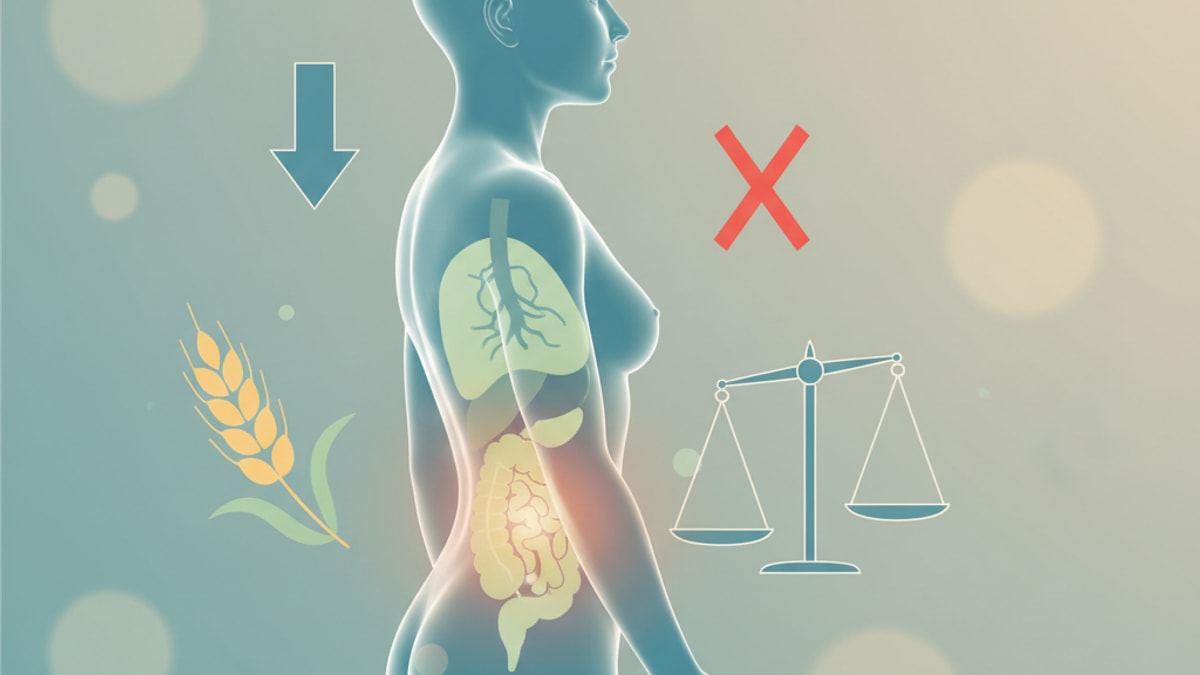
Unexplained weight loss can be unsettling. When the numbers on the scale drop without any change in your diet or exercise routine, it’s natural to feel concerned. You start asking questions. Is it stress? Is something wrong? Our team has worked with countless individuals navigating the complexities of metabolic health, and we’ve found that the answer is often hiding in plain sight, deep within the digestive system. One of the most significant, yet frequently misunderstood, culprits is celiac disease.
So, let’s get straight to the point. Can celiac disease cause weight loss? The answer is yes. A resounding yes. For many, it's one of the most prominent and alarming initial symptoms. But the relationship between celiac disease and body weight is far more nuanced than a simple cause-and-effect. It’s a sprawling story involving immune responses, nutrient absorption, and the body’s desperate attempt to fuel itself when its supply lines have been cut. Here at TrimrX, where we specialize in the science of metabolic health and medically-supervised weight management, we believe understanding these underlying mechanisms is critical. It’s not just about weight; it’s about whole-body health.
What Exactly Is Celiac Disease?
First, let's clear up a common misconception. Celiac disease isn't a food allergy or a simple intolerance. It’s a serious, genetically predisposed autoimmune disorder. This is a critical distinction. When someone with celiac disease consumes gluten—a protein found in wheat, barley, and rye—their immune system doesn't just flag it as a foreign substance. It launches a full-scale, catastrophic attack on the small intestine.
Think of it like this: your immune system is supposed to be your body's security force, protecting you from genuine threats like bacteria and viruses. In celiac disease, this security force gets faulty intelligence. It misidentifies gluten as a dangerous intruder and, in the ensuing chaos, ends up attacking its own territory. The primary target of this friendly fire is the lining of the small intestine, specifically the tiny, finger-like projections called villi.
These villi are absolute workhorses. Their job is to increase the surface area of the intestine to maximize nutrient absorption from the food you eat. In a healthy gut, they form a lush, dense carpet, efficiently pulling vitamins, minerals, proteins, fats, and carbohydrates into the bloodstream. But under relentless attack from the immune system, these villi become flattened and blunted, a condition known as villous atrophy. The once-thriving carpet becomes a barren, damaged surface. And that’s where the trouble really begins.
The Direct Link: How Celiac Disease Triggers Weight Loss
When your villi are damaged, your body's ability to absorb nutrients is severely compromised. This state of poor nutrient absorption is called malabsorption, and it's the central reason celiac disease can cause such dramatic weight loss. It's a multi-faceted problem that we've seen impact patients in several devastating ways.
It’s not that you aren’t eating enough. You could be consuming a perfectly healthy diet, but if your gut can't absorb the nutrients, those calories and life-sustaining compounds are passing right through your system without being used. Your body is essentially starving, even on a full stomach.
Here’s the breakdown of how this happens:
-
Caloric Deficit from Malabsorption: Fats, carbohydrates, and proteins are your body's primary sources of energy. With villous atrophy, a significant portion of these macronutrients isn't absorbed. To compensate for the energy shortfall, your body starts to burn through its own reserves. It first targets fat stores, and when those are depleted, it begins to break down muscle tissue for fuel. This is what leads to the visible, often rapid, weight loss.
-
Chronic Inflammation Burns Energy: An autoimmune response is a state of chronic, systemic inflammation. Your body is constantly on high alert, pouring resources into a fight it can't win. This inflammatory state revs up your metabolism. It’s like leaving a car engine running 24/7; it burns through fuel at an accelerated rate. So, not only are you absorbing fewer calories, but your body is also burning through the ones it does get much faster.
-
Severe Gastrointestinal Symptoms: The physical symptoms of untreated celiac disease can be relentless. Chronic diarrhea is a hallmark sign, and it physically rushes food through the digestive tract too quickly for any meaningful absorption to occur. It also leads to significant fluid loss. Nausea and vomiting can further reduce food intake and nutrient retention, while abdominal pain and bloating can destroy a person's appetite altogether. It becomes a vicious cycle: the less you feel like eating, the more weight you lose, and the weaker you become.
This isn't a minor issue. It's a full-blown metabolic crisis.
It's Not Always About Losing Weight
Now, this is where the story gets more complex, and where our team's experience with diverse patient profiles becomes really important. While classic celiac disease presentation involves weight loss, a growing number of people are diagnosed while being at a normal weight, or even overweight. This can be incredibly confusing for both patients and clinicians who aren't specialized in this area.
How is this possible? There are a few reasons.
First, the modern diet is often packed with calorie-dense, nutrient-poor foods. Someone might be consuming enough excess calories to mask the underlying malabsorption. Their body might be failing to absorb essential vitamins and minerals like iron, B12, and vitamin D, leading to issues like anemia and fatigue, but their overall caloric intake is high enough to maintain or even increase their weight.
Second, celiac disease has a wide spectrum of presentations. Some people experience what's known as "silent celiac," where they have the characteristic intestinal damage but few or no obvious digestive symptoms. They might suffer from seemingly unrelated issues like persistent fatigue, brain fog, joint pain, or skin rashes (specifically dermatitis herpetiformis). Without the classic GI distress and weight loss, celiac disease often flies under the radar for years, sometimes decades.
We can't stress this enough: body weight is not a reliable standalone indicator for ruling out celiac disease. The absence of weight loss does not mean the absence of disease.
The Flip Side: Weight Gain After a Celiac Diagnosis
Here’s the twist in the tale. Once a person is diagnosed with celiac disease and commits to a strict, 100% gluten-free diet, something remarkable happens. The immune system's attack ceases. The inflammation subsides. And slowly but surely, the intestinal villi begin to heal and regrow.
As the gut lining recovers, nutrient absorption dramatically improves. The body, finally able to access the calories and nutrients from food, often responds by rapidly gaining weight as it replenishes its depleted stores of fat and muscle. For someone who was severely underweight, this is a welcome sign of returning health.
However, for many, this can lead to a new and unexpected challenge: excessive weight gain.
Many commercially available gluten-free products—breads, pastas, cookies, and snacks—are often higher in sugar, fat, and refined starches than their gluten-containing counterparts. They are formulated to mimic the taste and texture of wheat products, and that often requires extra additives. People can easily fall into the trap of swapping their old diet for a new one composed of highly processed gluten-free junk food. Combined with a newly efficient digestive system, this is a perfect recipe for unwanted weight gain, pushing them past their healthy weight into the overweight or obese category.
This is a critical transition point where metabolic health must be prioritized. It's not just about removing gluten; it's about building a new, healthy relationship with food. This often means focusing on whole, naturally gluten-free foods like fruits, vegetables, lean proteins, and healthy fats. It’s also where a medically supervised approach to weight management, like the programs we offer at TrimrX, can be incredibly beneficial. We help people navigate these complex metabolic shifts, ensuring their journey back to health doesn't create a new set of weight-related problems. If you're facing these kinds of changes, it helps to get a clear picture of your health. You can Take Quiz to understand what a personalized plan could mean for you.
Celiac Disease vs. Other Conditions: Unraveling the Cause of Weight Loss
Unexplained weight loss is a symptom shared by several gastrointestinal and systemic conditions. Differentiating between them requires careful medical investigation, not guesswork. Self-diagnosing and starting a gluten-free diet without proper testing can mask the real problem and delay an accurate diagnosis. Here’s a brief look at how celiac stacks up against other common culprits.
| Feature | Celiac Disease | Crohn's Disease | Irritable Bowel Syndrome (IBS) | Non-Celiac Gluten Sensitivity (NCGS) |
|---|---|---|---|---|
| Primary Cause | Autoimmune reaction to gluten causing small intestine damage. | Chronic inflammatory bowel disease (IBD) that can affect any part of the GI tract. | A functional disorder of gut-brain interaction. No intestinal damage. | An innate immune response or sensitivity to gluten/other wheat components. No intestinal damage. |
| Key Mechanism | Villous atrophy leading to severe nutrient malabsorption. | Deep inflammation (ulcers) through the intestinal wall, impairing absorption and causing pain. | Disrupted gut motility and heightened nerve sensitivity. | Mechanism is poorly understood; does not involve autoimmune attack or allergic reaction. |
| Common Weight Impact | Often significant weight loss due to malabsorption. Weight gain after treatment is common. | Weight loss is very common due to inflammation, pain, diarrhea, and reduced appetite. | Weight changes are less common and not a primary feature. Can fluctuate slightly. | Weight loss is not a typical primary symptom, though bloating may affect appetite. |
| Defining Symptoms | Chronic diarrhea, bloating, anemia, fatigue, skin rash (dermatitis herpetiformis). | Abdominal pain (often severe), diarrhea (can be bloody), fatigue, mouth sores. | Bloating, gas, cramping, alternating diarrhea and constipation. Symptoms often triggered by stress or specific foods. | Similar symptoms to celiac/IBS (bloating, pain, fog) that resolve when gluten is removed. |
As you can see, there's a lot of overlap. This is why professional medical guidance is a non-negotiable element of the diagnostic process.
The Diagnostic Journey: How Do You Know If It's Celiac?
If you suspect celiac disease might be the cause of your weight loss or other symptoms, the first step is to see a healthcare provider. The diagnostic process is well-established and highly accurate, but it has one golden rule that our team tells everyone.
You absolutely must continue eating a normal, gluten-containing diet throughout the testing period.
Stopping gluten before you're tested can cause the immune response to quiet down and the intestinal damage to begin healing. This can lead to false-negative test results, leaving you without a clear diagnosis and on a difficult, restrictive diet without medical confirmation. It's a frustrating position to be in.
The typical diagnostic path involves:
- Blood Screening: A simple blood test is the first step. It looks for specific antibodies that the immune system produces in response to gluten, most notably the Tissue Transglutaminase (tTG-IgA) antibody.
- Endoscopic Biopsy: If the blood test is positive, the diagnosis is confirmed with an upper endoscopy. A gastroenterologist passes a thin, flexible tube through your mouth into your small intestine to take several tiny tissue samples (a biopsy). A pathologist then examines these samples under a microscope to look for the tell-tale sign of celiac disease: villous atrophy.
Only this combination of tests can provide a definitive diagnosis.
When Weight Loss Persists on a Gluten-Free Diet
For the vast majority of people, a strict gluten-free diet resolves their symptoms and allows their body to heal and regain a healthy weight. But what happens if it doesn't? What if you're doing everything right but the weight loss continues, or you fail to gain back what you lost?
This is a challenging situation that requires a deeper investigation with your medical team. There are several possibilities we've seen in our professional experience:
- Unintentional Gluten Cross-Contamination: Gluten is sneaky. It can hide in sauces, dressings, soups, and even medications. Cross-contamination can happen in kitchens through shared cutting boards, toasters, or fryers. Even a tiny amount can be enough to perpetuate the immune response and prevent the gut from fully healing.
- Co-existing Conditions: Sometimes, there's more than one thing going on. Conditions like Small Intestinal Bacterial Overgrowth (SIBO), lactose intolerance, or pancreatic insufficiency can co-exist with celiac disease and contribute to ongoing digestive issues and malabsorption.
- Refractory Celiac Disease: In very rare cases (about 1-2% of patients), the intestine doesn't heal despite a strict gluten-free diet for over a year. This is a serious condition called refractory celiac disease that requires specialized medical management.
If you're not seeing improvement, it's not a personal failure. It's a signal to dig deeper with your healthcare providers to find the root cause.
Ultimately, the journey with celiac disease is a lifelong commitment to your health. It reshapes your relationship with food and requires a new level of awareness. The weight loss it can cause is a powerful signal that your body is in distress. Heeding that signal and getting a proper diagnosis is the first, most critical step. From there, it's about rebuilding—restoring your gut health, replenishing your nutritional stores, and managing your overall metabolic wellness for the long term.
Navigating the path after a diagnosis, especially when it comes to regaining control over your weight and metabolism, can feel overwhelming. The landscape of food choices changes, and your body's response to those choices is different than it was before. This is where having a knowledgeable partner can make all the difference. If you're ready to take control of your metabolic health with a plan grounded in science, it might be time to Start Your Treatment Now.
Frequently Asked Questions
How quickly can you lose weight with untreated celiac disease?
▼
Weight loss from celiac disease can be gradual or quite rapid, depending on the severity of the intestinal damage and symptoms. For some, it’s a slow, unexplained drift downward over months, while for others with severe symptoms like chronic diarrhea, the weight loss can be dramatic and fast.
Can you have celiac disease and not lose weight?
▼
Yes, absolutely. A significant number of people diagnosed with celiac disease are at a normal weight or are overweight. A calorie-dense diet can sometimes mask the underlying malabsorption of essential nutrients, so weight is not a reliable indicator on its own.
Will I automatically gain weight after going gluten-free for celiac disease?
▼
Most people do gain weight as their intestines heal and begin absorbing nutrients properly again. While this is often a healthy sign, some people find they gain too much weight, often due to a diet high in processed, calorie-dense gluten-free replacement products.
Is the weight loss from celiac disease just fat, or muscle too?
▼
Initially, the body primarily burns through fat stores for energy. However, as the caloric and protein deficit continues due to malabsorption, the body will begin to break down muscle tissue for fuel, leading to muscle wasting and weakness.
What’s the difference between weight loss in celiac disease vs. gluten intolerance?
▼
Weight loss is a hallmark symptom of celiac disease, driven by autoimmune damage and severe malabsorption. Non-celiac gluten sensitivity (NCGS) does not cause intestinal damage or malabsorption, so significant, unintentional weight loss is not a typical symptom.
Can children with celiac disease experience weight loss?
▼
Yes. In children, celiac disease often presents as ‘failure to thrive.’ This can include poor weight gain, weight loss, stunted growth, and developmental delays, all due to the severe nutrient malabsorption during critical growth years.
How long does it take to start gaining weight back after a celiac diagnosis?
▼
Once a strict gluten-free diet begins, the gut starts to heal. Many people notice a stop in weight loss within weeks and may begin to slowly regain weight within a few months. Full recovery and weight stabilization can take anywhere from six months to over a year.
Can I have celiac disease if my only symptom is weight loss?
▼
While it’s less common to have only one symptom, unexplained weight loss can certainly be a primary sign of celiac disease, especially if other causes have been ruled out. It’s crucial to get tested if you’re experiencing this.
Besides weight loss, what are other ‘classic’ signs of celiac disease?
▼
Other classic digestive symptoms include chronic diarrhea, bloating, gas, abdominal pain, and nausea. Non-digestive signs are also very common, including iron-deficiency anemia, extreme fatigue, brain fog, and a specific itchy skin rash called dermatitis herpetiformis.
Do I need to worry about weight management after my gut heals?
▼
Yes, managing your weight is an important part of long-term health with celiac disease. Focusing on a balanced diet of whole, naturally gluten-free foods is key to preventing the unwanted weight gain that can occur as your absorption normalizes.
Can stress cause weight loss that mimics celiac disease?
▼
Severe stress can certainly impact appetite and lead to weight loss. However, the mechanism is different. Celiac disease causes weight loss primarily through malabsorption from physical damage, whereas stress-related weight loss is usually due to a reduced caloric intake or increased metabolic rate from anxiety.
What vitamins are most poorly absorbed in celiac disease?
▼
Due to the damage in the small intestine, fat-soluble vitamins (A, D, E, K) are often poorly absorbed. Other common deficiencies include iron, calcium, folate, and vitamin B12, which can lead to conditions like anemia and osteoporosis.

Transforming Lives, One Step at a Time
Keep reading

Obesity and Low Testosterone
**Can obesity cause low testosterone?** Yes. Obesity can lower testosterone, and the relationship often runs in both directions.

Top 6 Best Weight Loss Medications in 2026
Prescription weight loss medication has gone mainstream. What was once a quiet corner of obesity medicine is now one of the most talked-about categories…

Top 8 Best Telehealth for Weight Loss in 2026
Finding the best telehealth for weight loss used to be a time-consuming process that involved hours of research, murky pricing pages, and a fair…


