Are Bell Peppers Good for Weight Loss? Here’s Our Unflinching Take
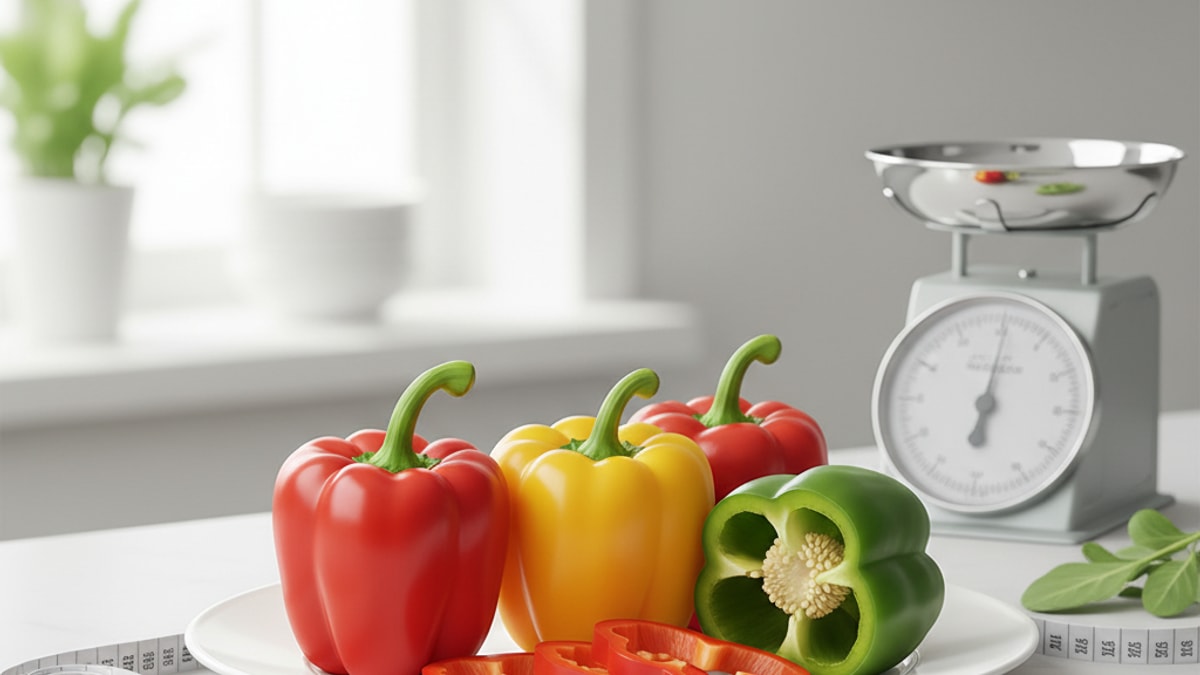
It’s a question we hear all the time in different forms. Clients ask about specific foods, miracle ingredients, and dietary hacks, all circling the same fundamental goal: finding effective, sustainable ways to manage their weight. And somewhere between the exotic superfoods and the complex meal plans, a humble, everyday vegetable often comes up: the bell pepper.
So, are bell peppers good for weight loss? The short answer is an emphatic yes. But honestly, that's not the full story. As a team dedicated to medically-supervised, science-backed weight loss, we know that no single food is a magic bullet. Instead, it’s about understanding why certain foods are powerful allies in your journey. It's about building a framework of nutritional intelligence that supports your body, whether you're making dietary changes alone or complementing a sophisticated medical treatment like the GLP-1 programs we offer at TrimrX. Let’s break down what makes this vibrant vegetable a true heavyweight in the world of weight management.
The Simple Answer Is Yes, But It’s More Nuanced Than That
Let’s get this out of the way. If you’re looking for a low-calorie, high-volume food to add to your plate, you can’t do much better than bell peppers. They’re crunchy, versatile, and satisfying. But their role in a weight loss strategy goes far beyond just being a low-calorie filler. We can't stress this enough: successful, long-term weight management is about nutrient density, satiety, and metabolic support. It's not about starvation.
Bell peppers check all those boxes. They are brimming with vitamins, minerals, and compounds that support your body’s overall function, which is a critical, non-negotiable element of losing weight in a healthy way. When your body is well-nourished, it’s less likely to send out the frantic, powerful hunger signals that can derail your progress. It's about working with your body's biology, not against it. We've seen it time and time again—when clients focus on adding nutrient-dense foods instead of just subtracting calories, the entire process becomes more manageable and, frankly, more successful. This is the foundation upon which lasting results are built.
Breaking Down the Nutritional Powerhouse: What's Inside a Bell Pepper?
To truly appreciate why bell peppers are so effective, you have to look under the hood. Their nutritional profile is genuinely impressive, especially considering their low caloric cost. A medium-sized red bell pepper, for instance, contains only about 30-40 calories. Think about that. For a tiny caloric investment, you get a significant return in terms of volume and nutrition.
Here’s a closer look at the key components:
- Low Calorie, High Volume: This is the most obvious benefit. You can eat a large amount of bell pepper, which helps fill your stomach and contributes to feelings of fullness, without consuming many calories. This concept, known as calorie density, is a cornerstone of effective weight loss nutrition. Our team often recommends using them to bulk up meals like salads, stir-fries, and omelets, adding substance and satisfaction without derailing a calorie budget.
- Rich in Fiber: A single cup of chopped bell pepper provides a couple of grams of dietary fiber. While that might not sound like a massive amount, it's significant. Fiber slows down digestion, which helps stabilize blood sugar levels and prevents the sharp spikes and crashes that can lead to cravings and overeating. It also adds bulk to your stool, promoting regular digestive health, which is an often-overlooked component of feeling good during a weight loss phase.
- Hydration Heroes: Bell peppers are over 90% water. Staying properly hydrated is crucial for metabolism and overall health. Foods with high water content, like bell peppers, contribute to your daily hydration needs and enhance the feeling of fullness. You're not just eating; you're hydrating at the same time.
- Vitamin C Overload: This is where bell peppers truly shine. A single red bell pepper can contain more than 150% of your recommended daily intake of Vitamin C—that’s more than an orange. Vitamin C is a powerful antioxidant that helps fight cellular damage, but it's also vital for the production of carnitine, a molecule essential for converting fat into energy. A well-functioning fat metabolism is, obviously, a huge asset.
- Packed with Antioxidants and Phytonutrients: Beyond Vitamin C, bell peppers contain a sprawling array of beneficial compounds. Carotenoids like beta-carotene, lutein, and zeaxanthin give the peppers their vibrant colors and offer protection against oxidative stress. They also contain flavonoids like quercetin, which has anti-inflammatory properties. Reducing systemic inflammation can be incredibly beneficial for metabolic health and can make weight loss less of a difficult, moving-target objective.
It's this synergistic combination of low calories, high fiber, water, and a dense micronutrient profile that makes the bell pepper so formidable.
How Bell Peppers Directly Impact Weight Management
Understanding the nutritional components is one thing. Connecting them directly to the mechanics of weight loss is where it gets interesting. It's not just about what's in the pepper; it's about what the pepper does inside your body.
First, there's the satiety factor. We've touched on this, but it’s worth repeating. The combination of fiber and water creates a food that is physically filling. When you eat bell peppers, they take up space in your stomach, triggering stretch receptors that send signals of fullness to your brain. This is a simple, powerful biological hack to control hunger. Eating a salad with a generous portion of bell peppers before a meal can significantly reduce the amount of a more calorie-dense main course you consume. It’s a strategy our nutrition experts recommend constantly.
Second is blood sugar regulation. The fiber in bell peppers helps to slow the absorption of sugars into the bloodstream. This is incredibly important for preventing the rollercoaster of energy spikes and crashes. Stable blood sugar means stable energy and, most importantly, fewer intense cravings for sugary or high-carb snacks. For individuals managing their weight, especially those with insulin resistance, this is a game-changer.
Third, there's a subtle metabolic boost. While bell peppers aren't a thermogenic powerhouse like spicy chili peppers, they do contain a mild compound called capsaicin (in very small amounts). More significantly, their high Vitamin C content is critical for metabolic efficiency. Studies have suggested that individuals with adequate Vitamin C levels oxidize more fat during moderate exercise than those with depleted levels. It’s not going to melt fat away on its own, but it ensures your body's fat-burning machinery is well-oiled and ready to go.
And finally, they displace less healthy choices. This is a practical, behavioral benefit. When you make a conscious choice to snack on crunchy bell pepper strips with hummus instead of a bag of chips, you’re not just avoiding hundreds of empty calories, sodium, and unhealthy fats. You’re actively providing your body with nutrients. It's a double win. This is the kind of habit-building that creates lasting change, the very kind of change we aim to foster in our comprehensive weight loss programs.
The Color Spectrum: Does It Matter Which Pepper You Pick?
Walking through the produce aisle, you'll see a rainbow of bell peppers. Green, red, yellow, orange. Are they all the same? Not quite. While all bell peppers are excellent choices, their nutritional profiles differ slightly, primarily based on their stage of ripeness. A green bell pepper is essentially an unripe red or yellow pepper.
Here's what we've learned about the differences:
| Feature | Green Bell Pepper | Yellow/Orange Bell Pepper | Red Bell Pepper |
|---|---|---|---|
| Ripeness | Unripe | Mid-ripe | Fully Ripe |
| Flavor Profile | Slightly bitter, grassy, crisp | Sweeter than green, fruity | Sweetest, most fruity flavor |
| Vitamin C | High (approx. 100% RDI per cup) | Higher (approx. 200-300% RDI per cup) | Highest (over 300% RDI per cup) |
| Vitamin A (Beta-Carotene) | Lower | Moderate | Highest (significant source) |
| Calorie Count | Lowest | Slightly higher than green | Slightly higher than yellow |
| Best For | Sautéing, stuffing (holds shape well), fajitas | Roasting, salads, snacking raw | Roasting (brings out sweetness), sauces, snacking raw |
So, which one should you choose? Our team's answer is simple: eat the rainbow. Don't stress over the minute nutritional differences. The best bell pepper is the one you enjoy eating and will consistently incorporate into your diet. Variety ensures you get a broader spectrum of phytonutrients. If you love the sweetness of red peppers for snacking and the slight bitterness of green peppers in your stir-fry, that's the perfect approach.
Practical Ways Our Team Recommends Integrating Bell Peppers
Knowing bell peppers are good for you is useless without a practical plan to eat more of them. The beauty of this vegetable is its sheer versatility. It’s not a niche ingredient that requires a special recipe. Let's be honest, this is crucial. You need easy, accessible options.
Here are some of our favorite, no-fuss ways to get them into your daily routine:
- The Ultimate Raw Snack: Forget complicated prep. Simply slice them into strips. They are incredibly crunchy and satisfying on their own. Pair them with a healthy dip like hummus, guacamole, or a Greek yogurt-based dip for a snack that provides fiber, protein, and healthy fats. This is a perfect replacement for chips or crackers.
- Bulk Up Your Breakfast: Finely dice any color of bell pepper and add it to your morning scrambled eggs or omelet. It adds volume, nutrients, and flavor with negligible calories. You start your day feeling fuller and more satisfied.
- The Salad Superstar: Move beyond lettuce and tomato. Chopped bell peppers add a sweet, crunchy texture to any salad. The vibrant colors also make your meal more visually appealing, which can actually increase your satisfaction with the food.
- Roast Them for Flavor: Roasting bell peppers in the oven with a little olive oil and seasoning is a game-changer. It caramelizes their natural sugars and makes them intensely sweet and tender. Roasted pepper strips can be added to sandwiches, wraps, pasta dishes, or served as a simple side dish.
- The Perfect Vessel: Bell peppers are practically designed for stuffing. Hollow them out and fill them with a mixture of lean ground protein (like turkey or chicken), quinoa or brown rice, and other vegetables. Bake until tender for a complete, balanced meal in one convenient package.
- Stir-Fry Staple: A stir-fry is one of the fastest and healthiest ways to get a meal on the table, and bell peppers are a non-negotiable ingredient in our book. They hold up well to the high heat and pair perfectly with a variety of proteins and sauces.
Simple, right? The key is to have them on hand. Make them a staple on your grocery list, wash and slice a few ahead of time, and keep them in the fridge for easy access. Convenience is king.
Bell Peppers and a Modern Weight Loss Approach: The TrimrX Perspective
Now, this is where it gets interesting. At TrimrX, we're at the forefront of biotechnological solutions for weight loss, specializing in GLP-1 medications like Semaglutide and Tirzepatide. These treatments are incredibly effective at regulating appetite and improving metabolic health. But we are absolutely clear with every single person we work with: medication is a tool, not a replacement for a healthy lifestyle. It's a powerful catalyst for change.
This is precisely where foods like bell peppers become more important than ever. When a medication like Semaglutide reduces your overall appetite, the nutritional quality of the food you do eat becomes paramount. You have a smaller window of opportunity to get the vitamins, minerals, and fiber your body needs to function optimally. You can't afford to waste your reduced appetite on empty calories.
Our experience shows that the clients who achieve the most dramatic and sustainable results are those who use their medically-supervised treatment as a springboard to build better habits. They leverage the reduced 'food noise' to focus on learning what it feels like to eat nourishing, whole foods. They choose a snack of red pepper strips because it feels good and provides energy, not because they're fighting off a ravenous craving. This approach, which we've refined over years, delivers real results.
Foods like bell peppers are the building blocks of this new nutritional architecture. They are nutrient-dense, support metabolic health, and align perfectly with the goal of eating for wellness, not just for weight loss. If you’re ready to see how a comprehensive, medically-guided program can transform your health journey, we encourage you to Start Your Treatment. It’s about combining the best of medical science with the timeless wisdom of sound nutrition.
Common Myths and Misconceptions About Bell Peppers
Even a vegetable as straightforward as the bell pepper isn't immune to myths and confusion. Let's clear up a few common ones we encounter.
Myth 1: Bell peppers cause inflammation because they're nightshades.
The nightshade family (which also includes tomatoes, potatoes, and eggplant) contains compounds called alkaloids. For a very small subset of the population with specific autoimmune conditions, nightshades can potentially trigger an inflammatory response. However, for the vast majority of people, this is a non-issue. In fact, bell peppers are packed with anti-inflammatory compounds like Vitamin C and quercetin. Unless you have a diagnosed sensitivity, the anti-inflammatory benefits far outweigh any theoretical risk.
Myth 2: The red and yellow ones are too sugary for a weight loss diet.
While it's true that red and yellow bell peppers are sweeter than green ones, the amount of sugar is still very low. A whole cup of chopped red bell pepper contains about 6 grams of sugar. To put that in perspective, a medium apple has around 19 grams. The sugar in bell peppers comes packaged with a significant amount of fiber, which mitigates its impact on blood sugar. We've found that the natural sweetness can actually help satisfy a sweet tooth and prevent you from reaching for processed, high-sugar snacks.
Myth 3: You have to eat them raw to get any benefits.
Cooking bell peppers can reduce the content of some heat-sensitive nutrients, like Vitamin C. However, the cooking process can also make other nutrients, like carotenoids, more bioavailable (easier for your body to absorb). A light sauté or a quick roast is a fantastic way to enjoy them. The bottom line from our team? The best way to eat bell peppers is the way you'll eat them most consistently. Don't let perfect be the enemy of good.
Beyond Weight Loss: The Other Health Perks You Can't Ignore
Focusing on weight loss is important, but it's also crucial to see the bigger picture of overall health. The benefits of incorporating bell peppers into your diet extend far beyond the number on the scale.
Their phenomenal Vitamin C content makes them an immune system powerhouse. Regular consumption can help your body fend off common illnesses and reduce the duration of colds. The carotenoids, particularly lutein and zeaxanthin found in yellow and orange peppers, are incredibly important for eye health, helping to protect against age-related macular degeneration.
Furthermore, the combination of Vitamin A (from beta-carotene) and Vitamin C is fantastic for your skin. These nutrients support collagen production, keeping skin firm and healthy, and help protect it from sun damage. The potent antioxidant and anti-inflammatory properties also contribute to better cardiovascular health by protecting blood vessels and reducing oxidative stress throughout the body.
Thinking about food in this holistic way changes your relationship with it. You're not just eating to lose weight; you're eating to build a stronger, healthier, more resilient body from the inside out.
So, back to the original question. Are bell peppers good for weight loss? Absolutely. They are a low-calorie, high-fiber, nutrient-dense, and incredibly versatile food that can support satiety, stabilize blood sugar, and provide critical micronutrients. They are an exemplary food choice, representing the exact principles of nutrition we champion here at TrimrX. They aren't a magic pill, but they are a powerful tool in a comprehensive, intelligent approach to health. Incorporating them into your diet is a simple, effective step you can take today to support your journey toward a healthier you.
Frequently Asked Questions
Which color bell pepper is best for weight loss?
▼
All colors of bell peppers are excellent for weight loss due to their low calorie and high fiber content. While red peppers have the highest concentration of vitamins C and A, the best choice is the one you enjoy most, as consistency is key. We recommend eating a variety of colors to get a full spectrum of nutrients.
Can I eat too many bell peppers?
▼
It’s very difficult to eat ‘too many’ bell peppers in a way that would be harmful. They are very low in calories. For some people, eating a very large quantity might cause mild digestive upset due to the high fiber, but for most, they are a safe and healthy food to eat daily.
Are cooked or raw bell peppers better for weight loss?
▼
Both raw and cooked bell peppers are great for weight loss. Raw peppers retain more Vitamin C, which is heat-sensitive, while cooking can make other nutrients like carotenoids more easily absorbed. Our team suggests a mix of both to get the full range of benefits.
Do bell peppers help reduce belly fat specifically?
▼
No single food can target fat loss in a specific area like the belly. However, bell peppers contribute to overall weight loss by promoting satiety and providing nutrients with a low calorie count. This overall fat loss will naturally include a reduction in belly fat over time.
Are bell peppers keto-friendly?
▼
Yes, bell peppers are considered keto-friendly. They are relatively low in net carbs (total carbs minus fiber), especially the green variety. They can be a great way to add vitamins and crunch to a ketogenic diet without significantly impacting your carb count.
How do bell peppers fit into a weight loss plan using Semaglutide?
▼
Bell peppers are an ideal food for someone on a GLP-1 medication like Semaglutide. Since these treatments reduce appetite, it’s crucial that the food you eat is nutrient-dense. Bell peppers provide essential vitamins, fiber, and volume for very few calories, helping you stay nourished and full.
Can bell peppers boost my metabolism?
▼
While not a strong metabolic booster like caffeine or spicy chiles, bell peppers support metabolic health. Their high Vitamin C content is essential for the body’s fat-burning processes. Think of them as helping your metabolism run more efficiently rather than dramatically speeding it up.
Will the sugar in red bell peppers stall my weight loss?
▼
It’s highly unlikely. The amount of natural sugar in a red bell pepper is minimal and is paired with fiber, which slows its absorption and prevents blood sugar spikes. The overall nutritional benefits far outweigh any concern about their modest sugar content.
Are organic bell peppers better for weight loss?
▼
From a weight-loss perspective, both organic and conventional bell peppers have the same calorie, fiber, and macronutrient profiles. The choice for organic is typically based on a preference to reduce pesticide exposure. Either option is a fantastic choice for your health journey.
Can I replace a meal with just bell peppers?
▼
We would not recommend this. While bell peppers are nutritious, they lack sufficient protein and healthy fats to be considered a complete meal. It’s better to incorporate them into a balanced meal that includes a lean protein source and healthy fats for sustained energy and satiety.
Do bell peppers cause gas or bloating?
▼
For some individuals, the high fiber content in bell peppers can cause gas or bloating, especially if their digestive system isn’t used to it. If you experience this, try introducing them into your diet slowly and ensure you are drinking plenty of water.
Is it better to eat the skin of the bell pepper?
▼
Yes, absolutely. The skin of the bell pepper is where much of the fiber and many of the phytonutrients, like flavonoids and carotenoids, are concentrated. Unless you have a specific digestive reason for removing it, we always recommend eating the skin.

Transforming Lives, One Step at a Time
Keep reading

Does Bupropion Cause Weight Gain or Loss?
Bupropion, better known by the name Wellbutrin, has been prescribed for depression for more than three decades. It is also used to treat seasonal…

Keto Diet for Beginners: Simple Guide to Get Started
The keto diet for beginners looks simple from the outside and feels messy from the inside. The rules fit on an index card: keep…

Top 5 Best Weight Loss Programs for Beginners in 2026
Starting a weight loss journey means sorting through GLP-1 medication ads, apps that gamify your groceries, and online weight management programs promising a doctor…


