Good Carbs for Weight Loss: A Biotech Perspective
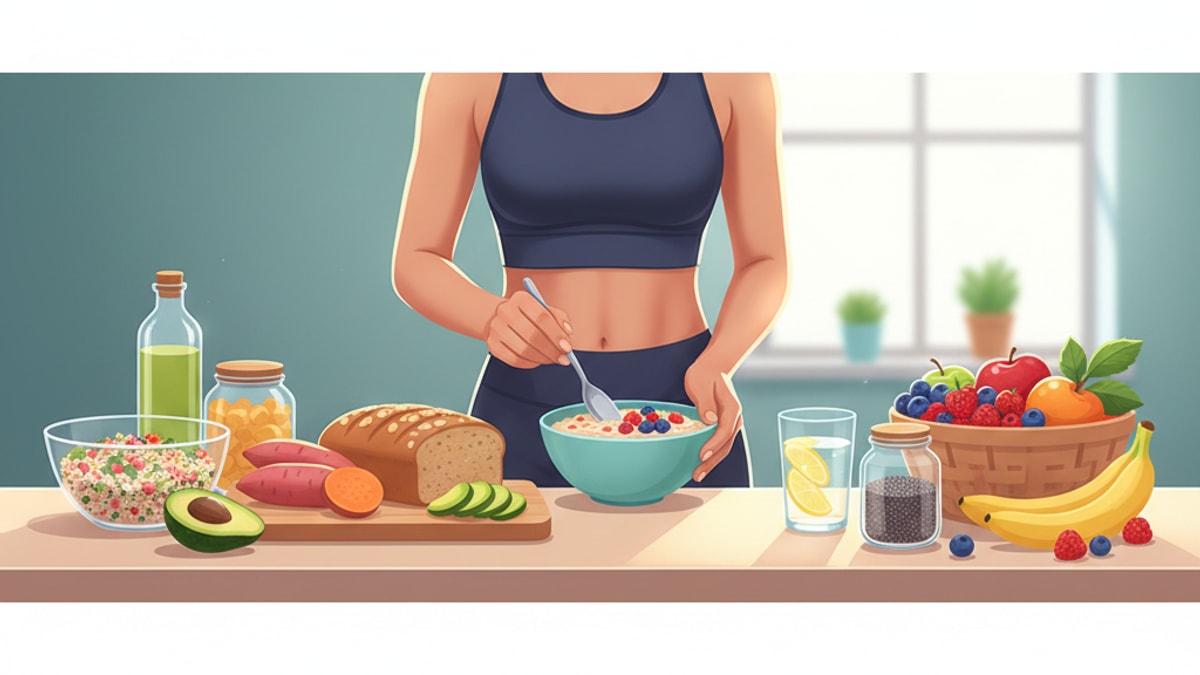
The Great Carb Debate
Carbohydrates. For years, they've been painted as the villain in the sprawling weight loss narrative. We've all seen the headlines and heard the advice: cut carbs, lose weight. It sounds so simple. So definitive. Entire dietary empires have been built on this single premise, promising rapid results by banishing bread, pasta, and potatoes from your plate forever. And for many people, the initial results of a low-carb diet can feel validating, even dramatic.
But our team has seen what happens next. The relentless cravings, the energy crashes, the sheer unsustainability of it all. Let's be honest, this is crucial. Eliminating an entire macronutrient group isn't a long-term strategy; it's a short-term fix that often disrupts the body's delicate metabolic balance. At TrimrX, we approach weight loss from a medical and biotechnological standpoint. We look at the body's intricate systems—hormones, blood sugar, metabolism—and our experience shows that sustainable success isn't about deprivation. It's about precision. It's about understanding what are good carbs for weight loss and how to use them as fuel, not fear them as foes. This isn't just about diet; it's about biology.
Simple vs. Complex: The Fundamental Difference
Not all carbs are created equal. This is the single most important concept to grasp, and it's where most fad diets get it catastrophically wrong. The line between a carb that fuels your body and one that sabotages your goals lies in its molecular structure. It all comes down to simple versus complex.
Simple carbohydrates are exactly what they sound like: simple sugars. They are composed of one or two sugar molecules, making them incredibly easy for your body to break down and absorb. Think of them as kindling for a fire—they ignite quickly, burn hot, and are gone in a flash. This category includes things like table sugar, high-fructose corn syrup, white flour, and most processed snacks. When you eat them, you get a rapid spike in blood glucose. Your pancreas then releases a surge of insulin to shuttle that sugar out of your bloodstream and into your cells for energy. The problem? The spike is followed by an equally dramatic crash, leaving you tired, hungry, and craving more sugar. This vicious cycle is a formidable barrier to weight loss.
Complex carbohydrates, on the other hand, are the dense logs for your metabolic fire. They are made up of long, complex chains of sugar molecules, often bound together with fiber. Your body has to work much harder and longer to break them down. This means a slower, more gradual release of glucose into the bloodstream. No dramatic spike, no sudden crash. Just a steady, sustained supply of energy. These are the carbs found in whole, unprocessed foods: vegetables, whole grains, legumes, and beans. They don't just provide energy; they deliver vitamins, minerals, and that all-important fiber, which is a game-changer for satiety and metabolic health.
We can't stress this enough: choosing complex over simple is the foundational step toward making carbs work for you.
Understanding the Glycemic Index and Load
Now, this is where it gets interesting. To refine our choices further, we can use two powerful tools: the Glycemic Index (GI) and the Glycemic Load (GL).
The Glycemic Index is a scale from 0 to 100 that ranks carbohydrate-containing foods by how quickly they raise your blood sugar levels. Pure glucose is a 100. Foods with a high GI (70+) are digested and absorbed rapidly, causing that familiar spike and crash. Foods with a low GI (55 or less) are digested slowly, leading to a more stable, gradual rise in blood sugar.
But the GI doesn't tell the whole story. It doesn't account for a typical serving size. That's where the Glycemic Load comes in. The GL considers both the GI of a food and the amount of carbohydrate in a serving. This gives a much more accurate picture of a food's real-world impact on your blood sugar. Watermelon, for example, has a high GI, but because it's mostly water, a typical serving has a very low GL. Our team recommends focusing on the Glycemic Load because it’s a more practical, nuanced measure for day-to-day eating.
Why does this matter so much for weight loss? Because managing your insulin response is key. Constant insulin spikes tell your body to store fat. By choosing low-GI and low-GL carbs, you keep your insulin levels stable, which encourages your body to burn stored fat for energy instead. It's a simple, powerful biological switch.
Our Definitive List of Good Carbs for Weight Loss
So, what should you actually put on your plate? Here is a breakdown of the best carbohydrate sources our team recommends for anyone on a serious weight management journey. This isn't just a list; it's a toolkit for building a better metabolism.
-
Non-Starchy Vegetables: These are the undisputed champions. They are incredibly high in nutrients and fiber but very low in calories and carbohydrates. You can—and should—eat them in abundance. Think leafy greens (spinach, kale, arugula), broccoli, cauliflower, bell peppers, asparagus, and zucchini. They fill you up, provide essential micronutrients, and have a negligible impact on blood sugar.
-
Legumes and Beans: We're talking about lentils, chickpeas, black beans, and kidney beans. These are nutritional powerhouses. They offer a potent one-two punch of complex carbohydrates and plant-based protein, plus a massive dose of fiber. This combination makes them exceptionally filling, helping you control your appetite for hours. Our experience shows that incorporating legumes into meals is one of the most effective ways to increase satiety.
-
Whole Grains: Forget the refined white stuff. We mean truly intact whole grains. Quinoa (technically a seed, but it functions as a grain), rolled oats, barley, and brown rice are fantastic choices. They provide sustained energy and are packed with fiber. A bowl of oatmeal in the morning can set you up for stable energy all day, unlike a sugary cereal that leads to a mid-morning crash.
-
Fruits (with a strategy): Fruit is a healthy source of carbs, but it's important to be smart about it. Berries (raspberries, blueberries, strawberries) are top-tier choices because they are lower in sugar and incredibly high in fiber and antioxidants. Apples and pears are also excellent. We advise clients to pair fruit with a source of protein or fat, like a handful of nuts or a spoonful of almond butter, to slow down sugar absorption.
-
Starchy Vegetables (in moderation): Don't be afraid of sweet potatoes, butternut squash, or peas. Yes, they have more carbs than non-starchy veggies, but they are also incredibly nutrient-dense. The key here is portion control. A small roasted sweet potato is a fantastic source of Vitamin A and fiber. It's a far better choice than a serving of french fries. It’s about being mindful, not militant.
The Fiber Factor: Your Weight Loss Ally
If there's one nutrient we wish more people understood, it's fiber. Its role in weight management is critical and non-negotiable. Fiber is a type of carbohydrate that your body can't digest. Instead of being broken down into sugar, it passes through your system largely intact, and it performs several crucial jobs along the way.
First, it adds bulk to your food without adding calories, which physically fills your stomach and triggers stretch receptors that signal to your brain that you're full. Second, soluble fiber (found in oats, beans, and apples) forms a gel-like substance in your digestive tract, which dramatically slows down the absorption of sugar and fat. This is huge for blood sugar control. Third, fiber is prebiotic, meaning it feeds the beneficial bacteria in your gut. A healthy gut microbiome is increasingly being linked by researchers to better metabolic health, reduced inflammation, and even easier weight management. It's a profoundly interconnected system.
We've seen it time and again: clients who prioritize hitting a daily fiber goal (aiming for 25-35 grams) report feeling fuller on less food, experience fewer cravings, and see more consistent progress.
A Comparison of High-Fiber Carbohydrates
To make this practical, here's a quick look at how some of these powerhouse carbs stack up. Notice the fiber content and the generally low glycemic index. These are the numbers that matter.
| Food (1 cup serving, cooked) | Grams of Fiber (approx.) | Glycemic Index (approx.) | Key Nutrients |
|---|---|---|---|
| Lentils | 16 grams | 29 | Protein, Iron, Folate |
| Chickpeas | 12 grams | 28 | Protein, Manganese, Folate |
| Quinoa | 5 grams | 53 | Complete Protein, Magnesium, Iron |
| Rolled Oats | 8 grams | 55 | Manganese, Phosphorus, Soluble Fiber |
| Black Beans | 15 grams | 30 | Protein, Antioxidants, Folate |
| Raspberries (1 cup, raw) | 8 grams | 32 | Vitamin C, Antioxidants, Manganese |
| Broccoli (1 cup, chopped) | 5 grams | 15 | Vitamin C, Vitamin K, Folate |
How Carbs Fit into a Medically-Supervised Plan
This is where nutrition science meets medical science. At TrimrX, we specialize in medically-supervised weight loss programs utilizing advanced GLP-1 medications like Semaglutide and Tirzepatide. These treatments are revolutionary because they work with your body's own hormonal systems to regulate appetite, slow stomach emptying, and stabilize blood sugar. They fundamentally change the biological conversation around hunger and satiety.
So, how do carbohydrates fit into this picture? Perfectly, if you choose the right ones.
When you're on a GLP-1 medication, your body becomes more sensitive to the food you eat. The goal of the medication is to create stable blood glucose and reduce hunger—and a diet rich in complex, high-fiber carbohydrates amplifies these effects. Eating a meal of grilled salmon, broccoli, and quinoa will work synergistically with the medication, promoting long-lasting fullness and keeping your blood sugar rock-solid. Conversely, eating a meal of simple, sugary carbs would work against it, potentially causing digestive discomfort and undermining the medication's blood sugar-stabilizing benefits.
This holistic approach, combining powerful medical treatments with intelligent, science-backed nutrition, is what creates sustainable, life-changing results. It's not about a 'diet' in the traditional sense. It's about re-calibrating your entire metabolic system. If you're tired of the endless cycle of dieting and ready to explore how a comprehensive medical plan can transform your health, you can Take Quiz to see if you're a candidate for our program.
Building Your Plate for Success
Theory is great, but practical application is everything. We advise our patients to use a simple visual model for building their meals: The Healthy Plate.
Imagine your dinner plate. Now, divide it:
- Half of your plate (50%): Fill this with non-starchy vegetables. A big pile of roasted broccoli, a large leafy green salad, sautéed spinach and mushrooms. This is your foundation for volume and nutrients.
- One quarter of your plate (25%): Dedicate this to a source of lean protein. Grilled chicken, baked fish, tofu, or a scoop of lentils.
- One quarter of your plate (25%): This is for your high-fiber, complex carbohydrate. A serving of quinoa, a small sweet potato, or a portion of black beans.
Add a source of healthy fat, like a drizzle of olive oil or some avocado, and you have a perfectly balanced, blood-sugar-stabilizing, and incredibly satisfying meal. It’s comprehensive. It’s sustainable. And we've seen it work for thousands of people.
The narrative that carbs are the enemy is outdated and, frankly, counterproductive. The human body is designed to run on them. The real challenge—and the real opportunity—is learning to distinguish high-quality fuel from low-quality filler. It’s about making smart, deliberate choices that power your body, stabilize your blood sugar, and work in harmony with your biology, not against it. When you're ready to pair this kind of smart nutrition with a powerful medical strategy, our team is here to help you Start Your Treatment. Your journey is unique, and giving your body the right fuel makes all the difference.
Frequently Asked Questions
Can I still eat fruit and lose weight?
▼
Absolutely. Our team recommends focusing on high-fiber, lower-sugar fruits like berries, apples, and pears. The key is to treat fruit as a carbohydrate source and pair it with protein or fat, like nuts or yogurt, to buffer the impact on your blood sugar.
Is brown rice really that much better than white rice?
▼
Yes, from a metabolic health standpoint, the difference is significant. Brown rice is a whole grain with the bran and germ intact, providing much more fiber and nutrients. This leads to a slower, more stable blood sugar response compared to white rice, which is a refined carb.
What are the worst carbs for belly fat?
▼
The most problematic carbs for visceral (belly) fat are sugary drinks, refined white flour products (bread, pastries), and processed snack foods. These cause sharp insulin spikes, a hormone that directly signals your body to store fat, particularly in the abdominal area.
Do I need to avoid carbs at night to lose weight?
▼
This is a common myth. The total quality and quantity of your daily calorie and carb intake matter more than the timing. However, we’ve found that a heavy, carb-rich meal close to bedtime can disrupt sleep for some, so a balanced meal with protein, fat, and complex carbs is always the best choice.
How many grams of carbs should I eat per day for weight loss?
▼
There’s no single magic number, as needs vary based on age, activity level, and metabolic health. We work with patients to create personalized plans, but a good starting point for many is to ensure carbs come from whole food sources and make up about 25-40% of their total daily calories.
How do GLP-1 medications affect how I should eat carbs?
▼
GLP-1 treatments like Semaglutide make your body more efficient at managing blood sugar. We advise patients to focus on high-fiber, low-glycemic carbs to work *with* the medication. This enhances satiety and blood sugar stability, maximizing the treatment’s benefits.
Is whole wheat bread a good carb for weight loss?
▼
It can be, but you have to be very selective. Look for bread that lists ‘100% whole wheat’ or ‘100% whole grain’ as the very first ingredient and has at least 3-4 grams of fiber per slice. Many ‘wheat’ breads are still highly processed, so reading the label is essential.
Are potatoes bad for weight loss?
▼
Not necessarily, but preparation and portion size are everything. A boiled or baked potato is a source of potassium and nutrients. However, french fries or chips are a different story. A small baked sweet potato is an even better choice due to its higher fiber and nutrient content.
Can I have pasta while trying to lose weight?
▼
Yes, in moderation and with a strategic approach. Opt for whole-grain or legume-based pasta (like chickpea pasta), which is much higher in fiber and protein. Always stick to a proper portion size (about 1 cup cooked) and pair it with lean protein and lots of vegetables.
What about ‘net carbs’ on food labels?
▼
Net carbs are the total grams of carbohydrates minus the grams of fiber and sugar alcohols. While it can be a useful metric for some, our team recommends focusing on the overall quality of the food. Prioritizing whole foods over processed ‘low-net-carb’ products is always a more effective strategy.
Are smoothies a healthy way to get carbs?
▼
They can be, but they can also be sugar bombs. A good smoothie should be balanced with protein (protein powder, Greek yogurt), healthy fat (avocado, chia seeds), and fiber (leafy greens, berries). Avoid juice-heavy smoothies that will spike your blood sugar.

Transforming Lives, One Step at a Time
Keep reading

Obesity and Low Testosterone
**Can obesity cause low testosterone?** Yes. Obesity can lower testosterone, and the relationship often runs in both directions.

Top 6 Best Weight Loss Medications in 2026
Prescription weight loss medication has gone mainstream. What was once a quiet corner of obesity medicine is now one of the most talked-about categories…

Top 8 Best Telehealth for Weight Loss in 2026
Finding the best telehealth for weight loss used to be a time-consuming process that involved hours of research, murky pricing pages, and a fair…


