Is Salami Good For Weight Loss? A Biotech Team’s Honest Take
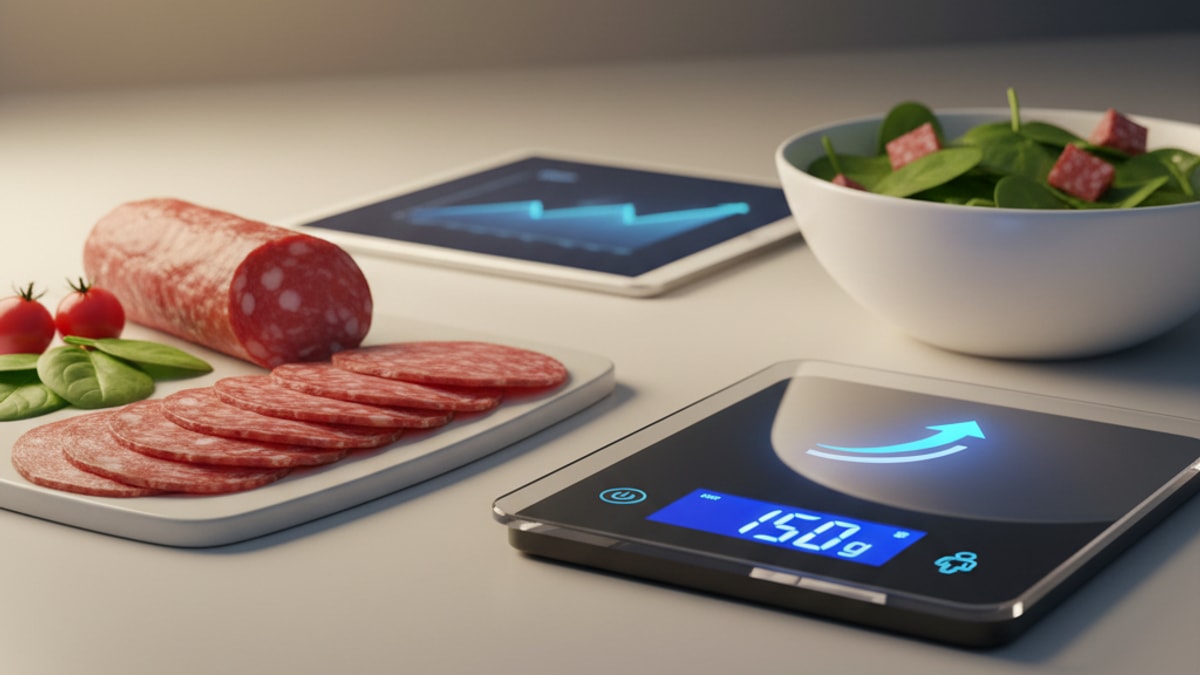
Let's be honest. You’re standing in front of the deli counter, or maybe you're building a charcuterie board for guests, and you see it. That beautiful, marbled, perfectly spiced salami. The question hits you almost immediately, a thought that so many of our patients ask: is salami good for weight loss? It feels like it should be a simple question, but the answer is anything but. It’s wrapped in layers of nutritional science, human psychology, and metabolic reality.
Here at TrimrX, our team spends its days deep in the science of metabolic health and medically-supervised weight loss. We guide patients using powerful tools like Semaglutide and Tirzepatide, but our work goes far beyond prescriptions. It’s about recalibrating the body's relationship with food and energy. So when we look at a food like salami, we don't just see a cured meat. We see a complex matrix of calories, fats, sodium, and protein that interacts with your unique biology. And our experience shows that understanding this interaction is the key to sustainable success.
What Exactly Is Salami? A Quick Primer
Before we can dissect its role in a weight loss journey, we need to be clear on what we're actually talking about. Salami isn't just a generic lunch meat; it's a specific type of cured sausage that has been fermented and air-dried. The process is ancient, born from the need to preserve meat long before refrigeration. Pork is the traditional base, but you'll find varieties made from beef, venison, and even poultry.
The key takeaway here is the word cured. This process involves salt—a lot of it—and time. The meat is ground, mixed with fat, seasoned with a potent blend of spices (garlic, peppercorns, fennel), and then stuffed into a casing. The fermentation that follows, driven by specific bacterial cultures, lowers the pH, and the slow air-drying process removes moisture. Both of these steps are critical for preservation, but they also concentrate everything else. The flavor, the fat, the salt, the calories. Everything becomes denser. This density is at the heart of the salami-and-weight-loss debate.
The Nutritional Breakdown: A Look Under the Hood
To get a real, unflinching answer, we have to move past the taste and look at the numbers. The nutritional profile of salami is where the story gets truly interesting, and frankly, a bit concerning for anyone focused on shedding pounds. Let's break it down piece by piece, because the details matter immensely.
First up: calories. Salami is incredibly calorie-dense. A single one-ounce serving—which is only about three thin slices, the kind you’d absentmindedly pick off a platter—can easily pack 110 to 140 calories. Now, that might not sound like a formidable number on its own. But compare it to the same weight of roasted turkey breast (around 45 calories) or grilled chicken (about 50 calories). You can see the disparity immediately. The problem is that those three little slices are rarely satisfying on their own, making it remarkably easy to consume hundreds of calories without even registering that you've eaten a significant amount of food. This is what our team calls the 'Caloric Density Trap,' and it's a primary reason why processed meats can stall progress.
Then there's the fat content. This is the big one. Of those ~120 calories per ounce, a staggering 70-80% often comes directly from fat. And it’s not just any fat; it's predominantly saturated fat. We're not here to demonize all fats—healthy unsaturated fats from sources like avocados and nuts are vital for hormone function and overall health. But the high concentration of saturated fat in salami is a different beast. It's linked to elevated LDL cholesterol (the 'bad' kind) and an increased risk for cardiovascular issues. When you're on a weight loss journey, you're not just trying to lower a number on the scale; you're trying to improve your overall health. Overloading your system with saturated fat works directly against that goal.
And we can't talk about salami without talking about sodium. It's a non-negotiable part of the curing process. A single ounce of salami can contain over 500 milligrams of sodium. That's more than 20% of the recommended daily limit for an adult in just a few bites! This has immediate, tangible consequences. High sodium intake leads to water retention, which can make you feel bloated, puffy, and discouraged. We've seen it countless times: a patient is doing everything right, but the scale won't budge—or even goes up—simply because of water weight triggered by a high-sodium meal. This can be psychologically devastating and can mask true fat loss, leading people to abandon their efforts prematurely. It's a subtle form of sabotage.
But it's not all bad news. There is a redeeming quality: protein. Salami does offer a decent amount of protein, typically around 6-7 grams per ounce. Protein is crucial for weight loss. It promotes satiety, helping you feel fuller for longer, and it's essential for maintaining lean muscle mass as you lose fat. This is why we can't give a simple 'no' to the question. The protein is a genuine benefit. The challenge, however, is that it comes with a formidable payload of calories, saturated fat, and sodium. You have to ask yourself: is the protein worth the nutritional cost?
So, Can Salami Derail Your Weight Loss Efforts?
Yes, it absolutely can. And our team has found it often does so in ways that go beyond simple calorie counting.
Think about the hormonal impact. A diet high in processed foods, saturated fats, and sodium can disrupt the delicate balance of hormones that regulate hunger and fullness. We're talking about ghrelin (the 'hunger hormone') and leptin (the 'satiety hormone'). When this system is out of whack, you're fighting a relentless, uphill battle against your own biology. Your body is screaming for more food, even when it has plenty of energy stores. This is precisely the kind of biological signaling that modern medical weight loss treatments, like the GLP-1 agonists we use at TrimrX, are designed to address. These medications help reset that signaling, restoring a sense of control over appetite that diet alone sometimes can't achieve. Consuming foods like salami regularly can feel like you're trying to put out a fire while simultaneously pouring gasoline on it.
There's also the behavioral component. Salami is rarely eaten in isolation. It’s a 'carrier' food. It's paired with cheese (more fat and calories), refined crackers (simple carbs), and often, a glass of wine (empty calories). It becomes the centerpiece of a high-calorie, low-nutrient event. For many people, it's a trigger food that opens the floodgates to other less-than-ideal choices. A few slices of salami can quickly turn into a 1,000-calorie snack platter. This isn't a failure of willpower; it's a predictable pattern associated with hyper-palatable foods designed to make you want more.
It’s a significant, sometimes dramatic, shift when you move from battling these cravings daily to having them quieted. This is the freedom many of our patients describe. The focus shifts from a constant war against cravings to mindfully choosing foods that nourish the body. It’s a profound change.
The Case for Salami (In Strict Moderation)
Now, after all that, are we saying you can never, ever eat salami again? No. We can't stress this enough: a sustainable lifestyle is not about absolute restriction. That approach almost always backfires, leading to cycles of deprivation and binging. The goal is to build a framework where you are in control, making informed choices.
If you genuinely love salami, there is a way to incorporate it. The key is what we call 'strategic indulgence.' This means viewing it as a treat, not a staple. It's something you have on a special occasion, not something you pack in your lunch every day. When you do have it, the portion size is critical. We're talking about one or two thin slices, savored for their intense flavor, not consumed mindlessly.
There are also better choices you can make at the store. Look for 'uncured' salami. While this term can be a bit misleading (they use natural sources like celery powder for curing), these products often have fewer synthetic nitrates and nitrites. You can also sometimes find lower-sodium or lower-fat versions, though you'll need to be a diligent label-reader. Our recommendation is always to empower yourself with information. Turn the package over. Look at the numbers. Make a conscious decision.
The TrimrX Perspective: Food as Fuel for a Broader Strategy
This entire discussion about salami highlights a core principle of our philosophy at TrimrX. Fixating on a single 'good' or 'bad' food misses the forest for the trees. True, lasting weight loss is about changing the entire metabolic environment. It's about biology, not just behavior.
For so many people, the reason they struggle isn't a lack of knowledge—they know salami isn't a health food—it's a physiological drive for high-fat, high-salt foods that feels impossible to overcome. Their body's set point and hormonal signals are working against them. This is where a medically-supervised program can be a game-changer. Treatments utilizing GLP-1 medications like Semaglutide and Tirzepatide work by targeting the underlying biology of appetite and satiety. They help your body's own systems regulate hunger, reduce cravings, and feel satisfied with smaller portions.
When your biology is on your side, the mental calculus around food changes completely. The question is no longer, 'How can I resist this salami?' but rather, 'Do I actually want this, and how does it fit into my goals?' It restores agency. For many, managing cravings and appetite is the biggest hurdle, which is where a comprehensive medical approach can make a monumental difference. If that sounds familiar, you can Take Quiz to see if you're a candidate for our program. It’s the first step toward understanding if this path is right for you.
Building a Smarter Plate: Salami Alternatives and Pairings
Knowledge is power, and having a roster of better alternatives is a formidable tool. If you're looking for that savory, protein-rich element for a snack or meal, there are so many options that serve your goals far more effectively than salami.
Leaner cured meats are a great starting point. Prosciutto, for example, often has its visible fat trimmed off, making it a leaner choice. Bresaola, an air-dried, salted beef, is another fantastic option—it's incredibly lean and high in protein. Beyond cured meats, think about high-quality sliced turkey or chicken breast (check the sodium!), smoked salmon (great for omega-3s), or even plant-based options like smoked tofu or seasoned chickpeas.
Here’s a quick comparison our team put together to illustrate the difference. The numbers are approximate per 1-ounce (28g) serving but paint a very clear picture:
| Food Item | Typical Calories | Protein (g) | Saturated Fat (g) | Sodium (mg) |
|---|---|---|---|---|
| Genoa Salami | 120 | 6 | 4.5 | 530 |
| Roasted Turkey Breast | 45 | 8 | 0.5 | 350 |
| Grilled Chicken Breast | 50 | 9 | 0.4 | 75 |
| Bresaola | 45 | 9 | 0.2 | 450 |
| Smoked Salmon | 55 | 6 | 0.8 | 480 |
| Seasoned Chickpeas | 40 | 2 | 0.1 | 120 |
See the difference? For the same or fewer calories, you can get more protein with a fraction of the saturated fat and, in some cases, significantly less sodium.
If you do choose to have salami, the pairings are everything. Instead of high-fat cheese and white crackers, pair it with things that add nutritional value. Think crunchy bell pepper strips, celery sticks, cucumber slices, or a handful of cherry tomatoes. The fiber and water content in these vegetables will help you feel fuller and provide valuable micronutrients, offsetting the nutritional void of the salami itself. This is how you build a smarter, more balanced plate.
The Bottom Line is Bigger Than One Food
So, after all this, is salami good for weight loss? The direct answer is no. Its nutritional profile is fundamentally at odds with the goals of most weight loss plans. It's a high-calorie, high-fat, high-sodium food that offers minimal volume or satiety for its caloric cost.
But the more nuanced, and we believe more helpful, answer is that the success of your journey doesn't hinge on a single food. It hinges on your overall dietary pattern, your metabolic health, and the consistency of your choices. A few slices of salami at a holiday party will not undo weeks of hard work. A daily salami sandwich, however, is a recipe for stagnation. Context is everything.
This is the kind of sustainable, science-backed thinking that underpins our entire approach. We help our patients move beyond the 'good food/bad food' mentality and into a state of metabolic control where they can make conscious, empowered choices. It's about creating a biological environment where your body is working with you, not against you. Ready to see what that feels like? Start Your Treatment now.
The real journey isn't about demonizing a cured meat. It’s about understanding the entire system—your body, your habits, your biology. It's about building a framework where a small choice, like whether or not to eat a piece of salami, is just that: a small, informed choice, not a source of guilt or a catastrophic failure. That's where true, lasting change begins.
Frequently Asked Questions
How much salami is too much when trying to lose weight?
▼
From our team’s perspective, any amount of salami should be considered a ‘treat’ rather than a regular part of your diet. We’d recommend limiting it to a single serving (about 1 ounce or 2-3 thin slices) on infrequent, special occasions to minimize its impact on your goals.
Is uncured salami a healthier choice for weight loss?
▼
Uncured salami can be a slightly better option as it avoids synthetic nitrates, but it is not a ‘health food.’ It remains very high in calories, saturated fat, and sodium from natural sources like celery salt. Always read the nutrition label, as the difference is often minimal.
Will eating salami kick me out of ketosis?
▼
No, salami itself will not kick you out of ketosis as it contains virtually no carbohydrates. However, its high calorie and inflammatory nature may not be ideal for a well-formulated ketogenic diet focused on overall health, not just carb restriction.
Can I eat salami if I’m on a GLP-1 medication like Semaglutide?
▼
While on a GLP-1 medication, you’ll likely find your desire for high-fat, salty foods like salami is naturally reduced. If you do eat it, have a very small portion, as rich, fatty foods can sometimes exacerbate side effects like nausea in some individuals.
What about pepperoni on pizza?
▼
Pepperoni is a type of salami and carries the same nutritional concerns: high in calories, saturated fat, and sodium. When having pizza, opting for vegetable toppings or lean proteins like grilled chicken instead of pepperoni is a much smarter choice for weight management.
Does the protein in salami make it a good post-workout snack?
▼
Absolutely not. While protein is important post-workout, salami is a poor choice due to its high saturated fat and sodium content, which can hinder recovery and rehydration. Opt for lean protein sources like a whey protein shake, Greek yogurt, or grilled chicken instead.
Are there any low-fat salami options available?
▼
Some brands market ‘lower-fat’ versions, but these are still highly processed and calorie-dense compared to whole foods. Our experience shows that choosing naturally lean proteins like turkey, chicken, or even bresaola is a far more effective strategy than searching for a ‘healthier’ version of salami.
How does the sodium in salami affect weight loss on the scale?
▼
The high sodium content causes your body to retain water, which increases your weight on the scale. This can be extremely discouraging as it masks true fat loss. This water weight is temporary, but the psychological impact can be significant for many people on a weight loss journey.
Is turkey salami a better choice?
▼
Turkey salami is generally lower in calories and fat than traditional pork salami, making it a relatively better option. However, it’s still a highly processed product that is typically very high in sodium, so moderation remains absolutely crucial.
Can salami fit into a Mediterranean diet?
▼
The core of the Mediterranean diet is based on whole, unprocessed foods like fish, legumes, vegetables, and healthy fats. Highly processed meats like salami are not a central component and should only be consumed very rarely, if at all, to adhere to the principles of that eating pattern.

Transforming Lives, One Step at a Time
Keep reading

Obesity and Low Testosterone
**Can obesity cause low testosterone?** Yes. Obesity can lower testosterone, and the relationship often runs in both directions.

Top 6 Best Weight Loss Medications in 2026
Prescription weight loss medication has gone mainstream. What was once a quiet corner of obesity medicine is now one of the most talked-about categories…

Top 8 Best Telehealth for Weight Loss in 2026
Finding the best telehealth for weight loss used to be a time-consuming process that involved hours of research, murky pricing pages, and a fair…


