Lemon Balm Tea for Weight Loss: Our Team’s Unflinching Review
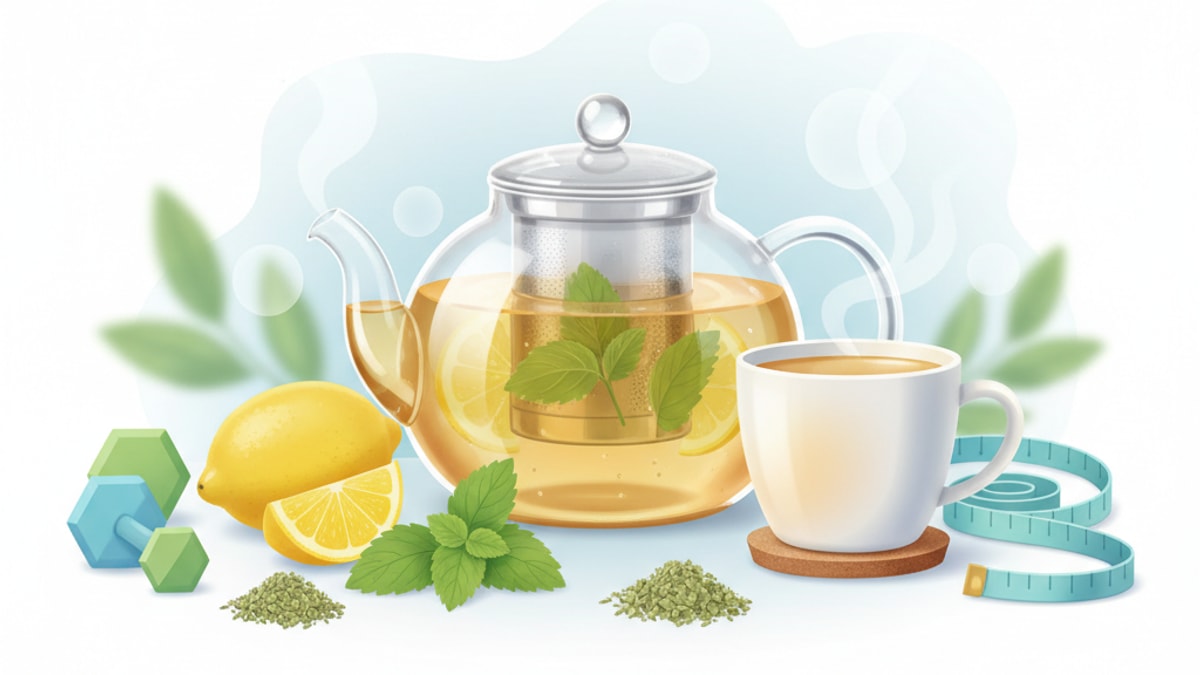
The search for a natural, gentle boost on a weight loss journey is something we see every day. It's a sprawling marketplace of promises, with countless herbal teas and supplements all vying for attention. And right now, one of the most talked-about is a humble, citrus-scented herb: lemon balm. The internet is buzzing with the question, and we hear it from clients, too: is lemon balm tea good for weight loss? It's a simple question with a surprisingly nuanced answer.
Let’s be honest, the idea of sipping a pleasant tea to melt away pounds is incredibly appealing. We get it. But as a team grounded in biotechnology and medical science, our job is to look past the hype and dive into the actual mechanisms. We're not here to sell you on a miracle cure, because they don't exist. We're here to give you the unvarnished truth about what can genuinely support your health goals and what is, frankly, just noise. So, let's explore what lemon balm can—and can't—do for you.
First, What Exactly Is Lemon Balm?
Before we can talk about its role in weight management, you need to understand the plant itself. Lemon balm, or Melissa officinalis, isn't a lemon at all. It's actually a perennial herb in the mint family, which is why it grows so vigorously. If you've ever crushed one of its leaves between your fingers, you've experienced its defining characteristic: a bright, zesty, and unmistakably lemony fragrance. This scent comes from compounds like citronellal, the same chemical found in citronella grass.
For centuries, long before it was ever associated with weight loss, lemon balm was a staple in traditional European medicine. It was the go-to remedy for calming nerves, soothing an upset stomach, and promoting a peaceful night's sleep. Monks cultivated it in monastery gardens during the Middle Ages, often steeping it into tonic wines and elixirs meant to lift the spirits and promote longevity. Its historical reputation is built entirely on its gentle, calming effects. This history is critical because it gives us a massive clue about its true modern-day benefits. It was never seen as a metabolic powerhouse; it was valued for its ability to bring a sense of tranquility. And as we’ll see, that very tranquility is its secret weapon.
The Core Question: Is Lemon Balm Tea a Weight Loss Tool?
Alright, let's cut directly to the chase. If you’re asking whether drinking lemon balm tea will directly burn fat, rev up your metabolism like a thermogenic supplement, or magically erase calories, the answer is a straightforward no. We can't stress this enough: there is no scientific evidence to suggest that lemon balm has any direct fat-burning properties. It doesn't contain caffeine or potent catechins like green tea, which are known to have a modest impact on metabolic rate.
So, why are we even talking about it?
Because weight loss is a formidable, moving-target objective. It is never, ever just about calories in versus calories out. That's an outdated and frankly, damaging oversimplification. Our experience at TrimrX, working with thousands of patients, has shown us that lasting success is inextricably linked to hormones, stress levels, sleep quality, and mental well-being. This is where the conversation gets interesting. Lemon balm doesn’t work on your fat cells; it works on the systems that control your fat cells. Its benefits are indirect, but that doesn't make them any less powerful. They are a critical, non-negotiable element of a holistic approach.
The Indirect Pathways: How Lemon Balm Actually Helps
Instead of thinking of lemon balm tea as a weight loss drink, we encourage you to think of it as a weight management support tool. It helps create an internal environment where your body is less likely to store fat and more receptive to your healthy eating and exercise efforts. It works on the periphery, tackling the saboteurs that so often derail even the most determined efforts.
Here’s what our team has identified as the key mechanisms:
1. It's a Formidable Stress and Cortisol Reducer
This is, without a doubt, the most significant factor. We live in a world of relentless pressure—demanding schedules, constant connectivity, and high expectations. This creates chronic stress, and chronic stress leads to chronically elevated levels of the hormone cortisol. Cortisol isn't inherently bad; it's our 'fight or flight' hormone. But when it's always on, it becomes catastrophic for weight management. High cortisol signals to your body to store energy, particularly as visceral fat around your abdomen. This is that stubborn belly fat that's so hard to lose. It also cranks up your appetite, specifically for high-fat, high-sugar 'comfort' foods.
Lemon balm contains active compounds, most notably rosmarinic acid, that have been shown to help modulate the body's stress response. It works by increasing levels of GABA (gamma-aminobutyric acid), a neurotransmitter in the brain that produces a calming effect. Think of GABA as the 'brake pedal' for a racing mind. By boosting GABA, lemon balm helps lower feelings of anxiety and edginess, which in turn can help normalize cortisol levels. When you’re calmer, you’re less likely to stress-eat, and your body isn't getting that constant hormonal signal to store fat. It's a game-changer.
2. It Dramatically Improves Sleep Quality
Poor sleep is a metabolic disaster. We've seen it work against our patients' best efforts time and time again. Just one night of bad sleep can throw your key appetite-regulating hormones completely out of whack. Ghrelin, the 'hunger hormone,' spikes, making you feel ravenous. Simultaneously, leptin, the 'satiety hormone,' plummets, so you never feel full. This hormonal double-whammy is a recipe for overeating and intense cravings for calorie-dense junk food.
Because of its calming, GABA-boosting effects, lemon balm is an exceptional sleep aid. It doesn't knock you out like a sedative. Instead, it gently quiets the mental chatter that so often keeps people tossing and turning. When combined with other calming herbs like chamomile or valerian root, its effects are even more pronounced. By helping you get deeper, more restorative sleep, lemon balm tea helps ensure your ghrelin and leptin levels reset properly overnight. You wake up feeling rested, with your appetite signals back in balance. That's the key.
3. It Supports Digestive Health and Reduces Bloating
Lemon balm has long been used as a carminative, which is a substance that helps relieve flatulence and soothe the digestive tract. It can help relax the smooth muscles of the stomach and intestines, easing cramps, indigestion, and bloating. While losing water weight and de-bloating isn't the same as losing fat, let's be practical. Seeing a flatter tummy in the mirror is a powerful psychological motivator. It makes you feel like your efforts are working, which builds the momentum you need to stick with your program. It's a small but significant piece of the puzzle.
Lemon Balm Tea vs. Other Common Herbal Teas
So, how does lemon balm stack up against other popular teas often linked to weight management? They all work in different ways, and choosing the right one depends on what you're trying to achieve. Our team put together a quick comparison to help clarify their distinct roles.
| Tea | Primary Mechanism of Action | Caffeine Content | Best For… |
|---|---|---|---|
| Lemon Balm Tea | Stress Reduction (Cortisol/GABA), Sleep Improvement, Digestive Soothing | None | Evening rituals, winding down after a stressful day, promoting restful sleep, and reducing stress-eating. |
| Green Tea | Metabolism Boost (EGCG Catechins), Thermogenesis, Antioxidant Support | Moderate | A morning or early afternoon energy boost, pre-workout drink, and providing a direct (though modest) metabolic lift. |
| Peppermint Tea | Appetite Suppression, Digestive Aid (Relieves Bloating & Gas) | None | Drinking after meals to aid digestion and curb cravings for dessert, or between meals to manage hunger. |
| Ginger Tea | Anti-inflammatory, Thermogenic (Slight Metabolic Boost), Nausea Relief, Blood Sugar Support | None | Soothing an upset stomach, reducing systemic inflammation, and potentially aiding in blood sugar control. |
As you can see, they aren't really competitors. They're specialists. Green tea is for energy and metabolism. Peppermint is for appetite. And lemon balm? It's the master of managing the psychological and hormonal side effects of modern life that make weight loss so difficult.
A Realistic Perspective: Where Lemon Balm Fits into a Modern Plan
Here's what we've learned: a cup of lemon balm tea in the evening can be a wonderfully supportive ritual. It can help you de-stress, sleep better, and manage cravings. It's a beautiful, gentle tool.
But it is not a solution. That’s the reality.
For individuals facing a significant weight loss challenge, the underlying issues are often deeply rooted in their biology. Metabolic resistance, insulin resistance, and powerful hormonal signals driving hunger are not things you can overcome with herbal tea alone. It's like trying to put out a forest fire with a garden hose. You need something that works on a more fundamental, biological level.
This is precisely where modern medical advancements come into play. Here at TrimrX, our entire approach is built on using clinically-proven, FDA-registered medications that work with your body's own systems. We specialize in GLP-1 (glucagon-like peptide-1) receptor agonists, such as Semaglutide and Tirzepatide. These aren't stimulants or harsh chemicals; they are bio-identical hormones that mimic the signals your body naturally uses to regulate appetite and blood sugar. They powerfully reduce hunger, quiet 'food noise,' and improve how your body processes energy. They address the root cause.
Think of it this way: lemon balm tea helps you manage the external stressors that impact your weight. A medical program featuring GLP-1s helps correct the internal biological signals that command it. They can, and often should, work together. A patient in our program might use lemon balm tea as part of their evening routine to ensure they get the high-quality sleep needed for their body to respond optimally to treatment. If you feel like you've tried everything and your body is fighting you every step of the way, a supportive tea might not be enough. It might be time to explore a solution designed to get to the core of the problem. If you're ready to see how a medical approach can create profound, lasting change, you can Take Quiz to see if you are a candidate for our program.
Our Team's Guide to Brewing the Perfect Calming Cup
If you decide to incorporate lemon balm tea into your routine, you might as well do it right to get the maximum benefit. Brewing it is simple, but a few details make a difference.
- Fresh vs. Dried: Fresh leaves have a more vibrant, potent flavor, but dried leaves are more convenient and available year-round. Both are effective. If using fresh, you'll want about a tablespoon of chopped leaves per cup. If using dried, one to two teaspoons is plenty.
- Water Temperature: This is crucial. Don't use boiling water. It can scorch the delicate leaves and destroy some of the beneficial volatile oils. Bring your water to a boil and then let it sit for a minute or two to cool slightly. The ideal temperature is around 175-185°F (80-85°C).
- Steeping Time: Cover your mug while it steeps to keep all those aromatic oils from escaping. We recommend steeping for at least 5-10 minutes. The longer you steep it, the more potent the calming effects will be, though the flavor can become more herbaceous.
- Creative Blends: Lemon balm plays beautifully with other herbs. For a pre-bedtime powerhouse, try blending it with chamomile. For a digestive soother, mix it with peppermint or ginger. Don't be afraid to experiment.
Are There Any Side Effects to Consider?
Lemon balm is overwhelmingly safe for most people. It's a gentle herb. However, there are a few things to keep in mind. Because of its calming properties, it can cause mild drowsiness in some people, so it's best to have your first cup in the evening to see how it affects you. We don't recommend drinking it before driving or operating machinery.
Most importantly, if you have any thyroid conditions, particularly hypothyroidism, you should speak with your doctor before using lemon balm regularly. Some research suggests it may interfere with thyroid hormone production. It can also amplify the effects of other sedatives, including alcohol and prescription medications. As always, the best policy is to consult with your healthcare provider before adding any new supplement to your regimen, especially if you have pre-existing health conditions. This is a non-negotiable part of a safe and effective health journey. If you're ready to start a medically supervised journey, you can Start Your Treatment with us today.
So, is lemon balm tea good for weight loss? It is, but not in the way most people think. It won't boost your metabolism or burn fat. Instead, it creates the calm, well-rested, and hormonally balanced state your body needs to let go of excess weight. It's a partner, not a panacea. It's a supportive ritual in a much larger strategy, a strategy that for many, finds its most powerful expression in a comprehensive, science-backed medical program. Use it to calm your mind, soothe your evenings, and prepare your body for the real work ahead.
Frequently Asked Questions
How much lemon balm tea should I drink for weight loss benefits?
▼
There’s no official dose, but our team suggests starting with one cup in the evening to support sleep and stress reduction. Consistency is more important than quantity. One strong, well-brewed cup per day is an excellent addition to your routine.
When is the absolute best time to drink lemon balm tea?
▼
The ideal time is about an hour or two before bed. This allows its calming properties to take effect, helping you wind down and prepare for a restorative night’s sleep. It’s also great during a particularly stressful afternoon at work.
Can I drink lemon balm tea every single day?
▼
For most healthy adults, yes, daily consumption is considered safe. However, some herbalists recommend taking a one-week break every month or so to maintain the body’s receptiveness to the herb’s effects. If you have any health conditions, please consult your doctor.
Will drinking lemon balm tea break my intermittent fast?
▼
Plain, unsweetened lemon balm tea contains virtually zero calories. Therefore, it will not break a fast and is perfectly acceptable to drink during your fasting window to help manage hunger and stay hydrated.
How is lemon balm tea different from a medical program like TrimrX?
▼
Lemon balm tea is a gentle, supportive tool for managing stress and sleep. A medical program like ours uses FDA-registered medications like Semaglutide to fundamentally change your body’s hormonal signals for hunger and satiety, addressing the biological root cause of weight gain for more profound results.
Will lemon balm tea make me feel drowsy or sleepy?
▼
It can cause mild drowsiness in some individuals, which is why we recommend it for evening use. It’s not a strong sedative, but rather promotes a state of calm and relaxation that makes it easier to fall asleep naturally.
Can lemon balm tea help me lose belly fat specifically?
▼
Indirectly, yes. By helping to lower the stress hormone cortisol, which is strongly linked to abdominal fat storage, it can help create an environment where your body is less prone to storing fat in that specific area. It does not, however, spot-reduce fat.
Is fresh or dried lemon balm better for making tea?
▼
Both are effective, but they offer slightly different experiences. Fresh leaves provide a brighter, more vibrant citrus flavor, while dried leaves offer a more concentrated, earthy, and herbaceous taste. Use whichever you have access to.
Can I combine lemon balm tea with other weight loss supplements?
▼
You should always exercise caution when combining supplements. While it’s generally safe with things like protein powder or multivitamins, consult your healthcare provider before mixing it with other potent herbs or thermogenic fat burners to avoid unwanted interactions.
What does lemon balm tea actually taste like?
▼
It has a very pleasant, light, and refreshing taste with a distinct citrusy, lemony flavor and a hint of mint. It’s much less intense than lemon juice and is naturally slightly sweet, making it very easy to drink without any added sweeteners.
Are there people who should absolutely avoid lemon balm tea?
▼
Yes. Individuals with thyroid conditions, especially hypothyroidism, should consult their doctor before use. Pregnant or breastfeeding women and those scheduled for surgery should also avoid it. It may also interact with sedative and thyroid medications.
Does lemon balm tea contain any caffeine?
▼
No, it is completely caffeine-free. This makes it an ideal choice for an evening beverage that won’t interfere with your sleep cycle, unlike green or black tea.

Transforming Lives, One Step at a Time
Keep reading

What to Do With a Full Pantry You No Longer Eat From
Sort it into three piles rather than clearing it all out: donate, keep, and discard. The mistake most people make is emptying the whole…

How to Handle a Business Dinner When the Client Orders for the Table
This is the one dining situation where your usual tools do not work. You cannot order a starter as your main, cannot ask for…
How to Handle Group Dinners Where Everyone Shares Plates
Shared dining is generally easier than a fixed plate, not harder, and it is worth going in with that framing. When everyone is taking…


