Pita Bread for Weight Loss: Our Team’s Unflinching Take
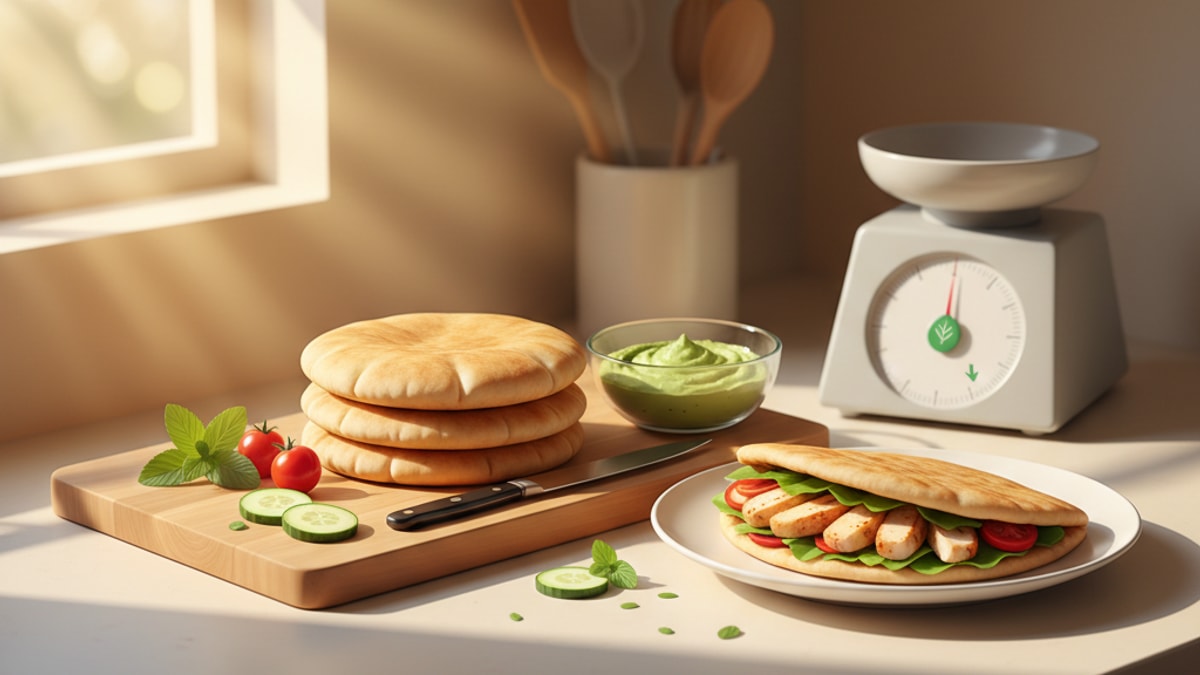
You’re in the bread aisle. It’s a sprawling landscape of choices, each one promising to be the healthier, smarter option for your wellness goals. Your eyes land on the pita bread—those soft, round pockets that seem lighter, somehow more virtuous, than a standard loaf of sliced bread. The question hits you, as it has for countless clients our team has worked with: is pita bread healthy for weight loss? It feels like it should be, but in the world of nutrition, feelings can be deceiving.
Let’s be honest, the conversation around carbohydrates and weight loss is often a minefield of conflicting advice. One day, they’re the enemy; the next, they’re essential fuel. At TrimrX, we don't believe in villainizing entire food groups. Our entire philosophy is built on medical science and a deep understanding of metabolic health. We’ve found that sustainable success isn’t about extreme restriction; it’s about making strategic, informed choices that work with your body’s biology, not against it. So, let’s unpack the real story behind pita bread and its place in a serious weight loss journey.
What Exactly Is Pita Bread?
Before we can judge it, we need to understand it. Pita is a yeast-leavened flatbread, a staple in Mediterranean and Middle Eastern cuisines for thousands of years. Its defining characteristic is that famous interior pocket. That pocket isn't a manufacturing trick; it's a result of high-temperature baking. The intense heat causes the water in the dough to turn to steam, which puffs the dough up dramatically. When it cools, the bread flattens, but the pocket remains. Simple, right?
Traditionally, it's made from a very basic set of ingredients: flour, water, yeast, and salt. The simplicity is part of its appeal. However, the type of flour used is the critical, non-negotiable element that determines its nutritional value and its impact on your weight loss efforts. This is where the path forks, and making the right choice becomes paramount.
The Nutritional Breakdown: A Tale of Two Pitas
Not all pitas are created equal. The difference between a white flour pita and a whole wheat pita is a significant, sometimes dramatic shift in how your body processes it. Our team can't stress this enough: reading the label is non-negotiable. A quick glance at the ingredients can tell you everything you need to know. If the first ingredient is "enriched wheat flour" or simply "wheat flour," you're looking at a refined white pita. You want to see the word "whole"—as in "whole wheat flour."
Let’s look at the numbers. They tell a compelling story.
| Nutrient | White Pita (approx. 6-inch) | Whole Wheat Pita (approx. 6-inch) |
|---|---|---|
| Calories | ~165 kcal | ~170 kcal |
| Carbohydrates | ~33 g | ~35 g |
| Dietary Fiber | <1 g | ~5 g |
| Protein | ~5 g | ~6 g |
| Glycemic Index (GI) | High (~75) | Moderate (~55) |
At first glance, the calories and carbs look surprisingly similar. This is a classic nutritional trap. Many people stop there and assume they're interchangeable. But the real story, the one that impacts your hunger, your energy levels, and your body's ability to burn fat, lies in the fiber and the Glycemic Index.
Fiber: The Unsung Hero of Satiety
Look at that fiber number. It's a chasm. The less than one gram in white pita is nutritionally insignificant. The five grams in the whole wheat version? That's a game-changer. Fiber slows down digestion. This means the sugar from the carbohydrates is released into your bloodstream much more slowly, preventing the dreaded blood sugar spike and subsequent crash that leaves you feeling hungry and fatigued an hour later. It also adds bulk, helping you feel fuller on fewer calories. Our experience shows that clients who prioritize fiber intake have a much easier time managing appetite and adhering to their nutritional plan.
The Glycemic Index: Taming the Insulin Rollercoaster
The Glycemic Index (GI) is a measure of how quickly a food causes your blood sugar to rise. High-GI foods, like white pita, are digested rapidly, flooding your system with sugar. Your body responds by releasing a large amount of insulin to manage it. This insulin surge is great at clearing sugar from the blood, but it's also a powerful fat-storage hormone. A diet high in these types of foods creates a metabolic environment that actively works against fat loss. The moderate GI of whole wheat pita, thanks to its fiber content, elicits a much gentler, more controlled insulin response. This is a critical factor for anyone trying to lose weight, and it's especially important for individuals managing metabolic health, a core focus of our work at TrimrX.
So, Is Pita Bread Healthy for Weight Loss? The Nuanced Answer
Now for the million-dollar question. The answer isn't a simple yes or no. It's about context, choice, and strategy. We mean this sincerely: no single food will make or break your weight loss journey. It's the overall pattern of your choices that dictates results.
When Pita Can Be a Smart Choice:
- If it's 100% whole wheat. This is the first and most important rule. The fiber and slower-digesting carbs make it a far superior option that supports satiety and stable energy.
- When it helps with portion control. A single, pre-portioned pita can be easier to manage than, say, a large bowl of pasta or a pile of rice. You know exactly what you're getting.
- As a vehicle for lean protein and vegetables. This is perhaps its greatest strength. The pocket is a perfect container for nutrient-dense, low-calorie fillings like grilled chicken, turkey, beans, and a mountain of fresh veggies.
When Pita Can Sabotage Your Efforts:
- If it's the white, refined flour version. We've seen it time and again. Clients eat white pita thinking it's a light option, only to feel ravenous shortly after. It's essentially a sugar bomb in disguise.
- When you overdo the fillings. The pita itself might be 170 calories, but if you're loading it with fried falafel, mystery-meat gyro, and creamy, high-fat sauces, the total can easily soar past 800 calories. The container isn't the problem; the cargo is.
- If it leads to mindless snacking. Pita chips are a formidable diet-wrecker. They're often fried, salted, and incredibly easy to overeat. A small handful can quickly turn into half a bag, delivering a catastrophic amount of calories and refined carbs.
How We Advise Clients to Approach Pita (and All Carbs)
At TrimrX, our medical team guides patients toward a sustainable relationship with food. This is particularly crucial for those on GLP-1 treatments like Semaglutide and Tirzepatide. These medications are incredibly effective at regulating appetite and blood sugar, but they work best when supported by smart nutritional choices. A high-sugar, low-fiber diet can still hinder progress. Here's our playbook for incorporating foods like pita bread correctly.
Rule #1: Whole Grains Are Non-Negotiable
We've already covered this, but it bears repeating. Always choose 100% whole wheat or other whole-grain varieties. It’s the single most impactful decision you can make in the bread aisle.
Rule #2: Portion is Everything
One pita is a serving. That's the key. If you're having it as part of a meal, it should be the primary carbohydrate source. Don't have a pita and a side of rice. Stick to one. This discipline is fundamental to managing your overall calorie and carb intake for the day.
Rule #3: Pair it Powerfully
This is where the magic happens. What you put inside the pita is arguably more important than the pita itself. You want to build a meal that maximizes satiety and minimizes the glycemic impact. We recommend a simple formula:
- Lean Protein First: Pack it with grilled chicken breast, lean ground turkey, chickpeas, or black beans. Protein is metabolically active and the most satiating macronutrient.
- Pile on the Veggies: Lettuce, spinach, tomatoes, cucumbers, bell peppers, onions. These add volume, nutrients, and fiber for very few calories. They help fill you up.
- Choose a Healthy Fat/Sauce: A smear of hummus (watch the portion), a dollop of Greek yogurt-based tzatziki, or a bit of avocado provides healthy fats and flavor without derailing your progress. Avoid mayonnaise-based sauces and mystery drizzles.
By following this structure, you turn the pita from a simple carb carrier into a component of a balanced, high-protein, high-fiber meal. That's the difference between a snack that leaves you hungry and a meal that keeps you full and energized for hours.
Beyond Pita: Are Other Breads Better for Weight Loss?
It's a fair question. How does pita stack up against the competition? Our team often gets asked to compare different bread options.
- Sprouted Grain Bread (like Ezekiel bread): Often a superior choice. Sprouting grains can increase their nutrient availability and lower their glycemic index even further. It's typically dense and very high in fiber and protein.
- Sourdough Bread: The natural fermentation process can pre-digest some of the starches, potentially leading to a lower glycemic response. However, the nutritional value still heavily depends on whether it's made from whole or white flour.
- Standard Sliced Whole Wheat Bread: Nutritionally, it can be very similar to a whole wheat pita. The key difference is often psychological and practical. Two slices of bread for a sandwich can sometimes feel more substantial than one pita, but the calorie and carb counts are often comparable.
- Gluten-Free Breads: This is a common pitfall. People often equate "gluten-free" with "healthy" or "good for weight loss." In reality, many gluten-free breads are made from refined starches like rice flour or potato starch, making them higher in calories and having a higher GI than even white wheat bread.
Ultimately, the best choice is a high-fiber, whole-grain option that you enjoy and can easily portion control. For some, that’s pita. For others, it’s a slice of sprouted grain toast.
The Bigger Picture: Food Choices in a Medically-Supervised Program
Here’s what we’ve learned after helping so many people on their weight loss journey: for many, nutrition is only one part of a much more complex biological puzzle. You can do everything "right"—choose the whole wheat pita, load it with chicken and veggies, and stick to your portions—and still struggle to see the scale move. This isn't a failure of willpower. It's often a sign of underlying metabolic resistance, hormonal imbalances, or a dysregulated appetite system.
That's the reality. It all comes down to biology.
This is precisely where a modern, medically-supervised approach can be a life-changing intervention. Our programs at TrimrX, which utilize advanced, FDA-registered GLP-1 medications, are designed to address these root causes. These treatments work with your body's natural hormones to regulate hunger signals, improve insulin sensitivity, and slow gastric emptying, which keeps you feeling fuller for longer. It's not about forcing your body to lose weight; it's about resetting your metabolic system so that it can respond appropriately to healthy food and exercise.
When your biology is working with you instead of against you, making the smart choice—like picking the whole wheat pita—becomes effortless and sustainable, not a relentless daily battle. The medication provides the powerful biological support that allows healthy habits to finally stick and deliver the results you've been working so hard for. If you're feeling stuck in that cycle, it may be time to consider a different, more powerful strategy. You can find out if you're a candidate and Start Your Treatment with us.
So, back to the bread aisle. The pita isn’t your enemy, nor is it your savior. It’s a tool. A whole wheat pita, used strategically, can absolutely be part of a successful and healthy weight loss plan. It’s a convenient way to build a satisfying, high-protein, high-fiber meal. But the refined white version can be a step in the wrong direction, contributing to the very blood sugar rollercoaster you're trying to avoid. The key is to be a conscious consumer—read the labels, prioritize whole grains, and pay relentless attention to what you put inside it. Your journey is a collection of thousands of these small, smart decisions, and we're here to provide the support and medical tools to ensure they add up to lasting success.
Frequently Asked Questions
How many calories are in a whole wheat pita?
▼
A standard 6-inch whole wheat pita typically contains around 170 calories. However, this can vary between brands, so our team always recommends checking the nutrition label for the most accurate information.
Is pita bread better than regular bread for weight loss?
▼
It depends entirely on the type. A 100% whole wheat pita is a better choice than white sliced bread due to its fiber content. However, it’s nutritionally very similar to two slices of 100% whole wheat bread, so it often comes down to portion control and preference.
Can I eat pita bread every day and still lose weight?
▼
Yes, it’s possible to eat whole wheat pita daily as part of a balanced, calorie-controlled diet and still lose weight. The key is ensuring the rest of your diet is rich in lean proteins, healthy fats, and vegetables, and that the pita fits within your overall daily calorie goals.
What is the best brand of pita bread for weight loss?
▼
We don’t endorse specific brands, but we advise clients to look for pitas where the very first ingredient is ‘100% whole wheat flour.’ Additionally, look for options with at least 4-5 grams of fiber per serving and minimal added sugars.
Does pita bread have a lot of sugar?
▼
Most traditional pita breads have very little added sugar, typically 1-2 grams per serving. The main concern isn’t the added sugar but how the refined carbohydrates in white pita are rapidly converted to sugar in your bloodstream.
Are pita chips a healthy snack for weight loss?
▼
Generally, no. Most commercially available pita chips are made from white flour, fried in oil, and heavily salted, making them a high-calorie, low-nutrient snack. It’s far better to have a whole wheat pita with a healthy dip like hummus or tzatziki.
How does pita fit into a low-carb diet like keto?
▼
Traditional pita bread, even the whole wheat variety, is too high in carbohydrates to fit into a strict ketogenic diet. A single pita contains more carbs than the typical daily allowance on keto. There are specialty keto-friendly bread alternatives, but standard pita is not one of them.
What’s a healthy serving size for hummus with pita?
▼
Hummus is nutritious but calorie-dense. A healthy serving size is typically about two tablespoons. We recommend measuring it out rather than dipping directly from the container, as it’s very easy to consume far more than you intend to.
Can people with diabetes eat pita bread?
▼
People with diabetes can often incorporate 100% whole wheat pita into their diet. Its high fiber content leads to a more gradual rise in blood sugar compared to white pita. It’s crucial to pair it with protein and healthy fats and monitor blood sugar levels as advised by a healthcare provider.
Is whole grain pita the same as whole wheat pita?
▼
Essentially, yes. ‘Whole wheat’ specifies the grain, while ‘whole grain’ is a broader category that could include oats, barley, or other grains. In the context of pita, if the label says 100% whole grain, it’s an excellent choice that serves the same purpose as 100% whole wheat.
How do GLP-1 medications change how I should eat carbs like pita?
▼
GLP-1 medications like those used in TrimrX programs improve your body’s insulin response and slow digestion. This makes managing carbs easier, but we still advise prioritizing high-fiber, whole-grain options like whole wheat pita. This synergy helps stabilize blood sugar and enhances the medication’s effectiveness for sustained weight loss.

Transforming Lives, One Step at a Time
Keep reading

Obesity and Low Testosterone
**Can obesity cause low testosterone?** Yes. Obesity can lower testosterone, and the relationship often runs in both directions.

Top 6 Best Weight Loss Medications in 2026
Prescription weight loss medication has gone mainstream. What was once a quiet corner of obesity medicine is now one of the most talked-about categories…

Top 8 Best Telehealth for Weight Loss in 2026
Finding the best telehealth for weight loss used to be a time-consuming process that involved hours of research, murky pricing pages, and a fair…


