Is Miso Soup the Weight Loss Secret You’re Missing?
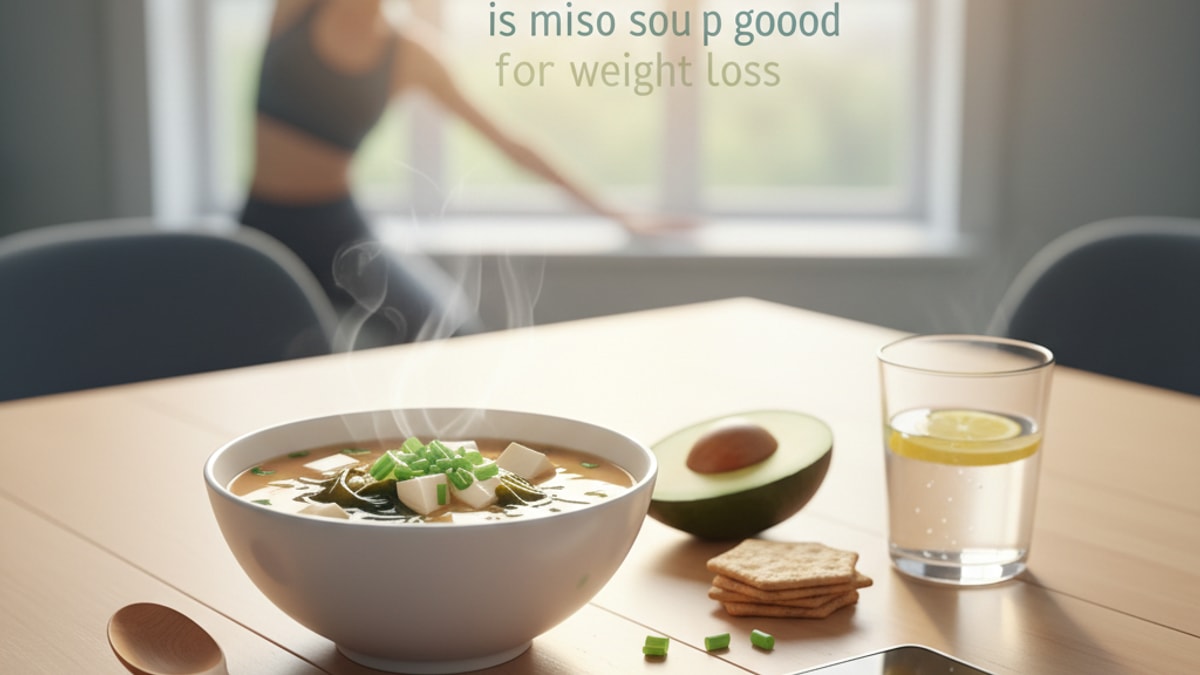
Let's be honest. When you're on a weight loss journey, you start looking at every single food with a new level of scrutiny. Suddenly, the question isn't just "is it tasty?" but "will this help or hurt my goals?" We've seen it countless times with our clients. And one food that constantly pops up in these conversations is miso soup. It’s warm, it’s savory, it feels incredibly light, and it has this aura of health around it. So, is miso soup good for weight loss?
The short answer is yes, it absolutely can be. But the long answer—the one that actually helps you make smart, sustainable decisions—is far more nuanced. Here at TrimrX, our entire approach is built on understanding the complex biology of weight loss. It's never about one single food or one magic workout. It's about building a comprehensive system where every choice, from the medications we prescribe to the nutritional advice we provide, works in harmony. And that's exactly how you should think about miso soup: as a potentially fantastic tool in your toolbox, but not the toolbox itself.
So, What Exactly Is in Miso Soup?
Before we can talk about its role in weight management, we need to be clear on what we're actually consuming. It seems simple, but the components are what give miso soup its unique properties. At its core, traditional miso soup is made from just a few key ingredients. It’s not a complicated dish, which is part of its appeal.
First, you have the dashi. This is the foundational broth, and it's what gives the soup its signature savory, umami flavor. Dashi is typically made by steeping kombu (dried kelp) and katsuobushi (dried, fermented, and smoked bonito flakes) in water. It’s a clear, light broth that’s packed with flavor but contains virtually no calories. It's the elegant base upon which everything else is built.
Next, and most importantly, is the miso paste. This is the heart and soul of the soup. Miso is a traditional Japanese seasoning produced by fermenting soybeans with salt and kōji (a type of fungus) and sometimes rice, barley, or other ingredients. The fermentation process can last from a few weeks to several years, and this is what creates the magic. This process doesn't just develop a deep, complex flavor; it also populates the paste with beneficial bacteria and enzymes. We'll get into why that's so critical in a moment.
Finally, you have the add-ins. The most common are small cubes of silken tofu, which add a bit of plant-based protein, and wakame, a type of seaweed that provides minerals and a pleasant texture. Sometimes you'll see thinly sliced scallions sprinkled on top. That’s it. That’s the classic, unadulterated version.
The Nutritional Case for Miso Soup
Now we get to the good stuff. Why does this simple combination get so much attention in health and wellness circles? It comes down to a powerful combination of being low in what you don't want and high in what you do.
Let’s talk calories. A standard bowl of homemade miso soup, prepared traditionally, typically contains only 40 to 60 calories. That is remarkably low. For comparison, a bowl of creamy tomato soup can easily top 200 calories, and a hearty lentil soup might be closer to 300. This incredibly low calorie density means you can enjoy a warm, satisfying, and flavorful dish without making a significant dent in your daily calorie budget. It’s a concept our team stresses constantly: finding foods that deliver maximum satisfaction for minimal caloric cost is a cornerstone of sustainable weight management.
It fills you up.
This isn't just about the liquid volume. The powerful umami flavor from the dashi and miso paste plays a significant role in satiety—the feeling of fullness and satisfaction. Umami is often called the fifth taste, and research suggests it can enhance satiety and may help control appetite. When your taste buds are fully satisfied, you're less likely to seek out other, less healthy foods. The small amount of protein from the tofu also contributes to this feeling of fullness, making it an excellent appetizer to have before a main meal to prevent overeating.
And here’s the part that gets our biotechnology-focused team really interested: the probiotics. Because miso paste is a fermented food, it's a source of live, active cultures, similar to yogurt or kefir. These probiotics are crucial for maintaining a healthy gut microbiome. The science on this is becoming overwhelmingly clear: the health of your gut is intrinsically linked to your overall health, including your metabolism and weight. A balanced gut microbiome can influence how your body harvests energy from food, regulates inflammation, and even controls appetite-regulating hormones. By nourishing your gut with beneficial bacteria, you're supporting the very systems that govern weight control.
The Direct Answer: Is Miso Soup Good for Weight Loss?
Okay, let's pull all this together and answer the core question directly. Yes, miso soup can be a valuable component of a weight loss strategy when used correctly. Our experience shows that incorporating low-calorie, high-satiety foods is a game-changer for many people.
Here’s how it helps:
-
Pre-Meal Hunger Control: Having a bowl of miso soup about 15-20 minutes before your main meal can take the edge off your hunger. You'll sit down to your lunch or dinner feeling calmer and more in control, making you far less likely to overfill your plate or eat too quickly.
-
Smart Snacking: Are you prone to that mid-afternoon slump where you reach for chips or a candy bar? A warm cup of miso soup can be a phenomenal alternative. It’s savory, hydrating, and satisfying in a way that plain water or tea isn't, but without the sugar and empty calories of typical snack foods.
-
Gut Health Support: Consistently including fermented foods like miso in your diet supports a diverse gut microbiome. Think of it as long-term maintenance for your metabolic engine. A healthier gut can lead to better nutrient absorption, reduced bloating, and more efficient metabolic function over time.
But it's not a silver bullet. We can't stress this enough. No single food can cause weight loss on its own. It's a supportive player, not the hero of the story. Drinking miso soup won't magically melt away pounds if the rest of your diet consists of highly processed foods and excess calories. It works within the context of a broader, calorie-controlled, and nutrient-dense eating plan.
The Big Red Flag: When Miso Soup Goes Wrong
This is where professional guidance becomes crucial. While the homemade, traditional version is a nutritional powerhouse, the versions you encounter in the real world can be a different story. There are a few significant traps you need to be aware of.
The number one issue is sodium. It's a formidable concern. Miso paste is made by fermenting soybeans with a significant amount of salt. As a result, miso soup is inherently high in sodium. A single bowl can contain 600-900mg of sodium or even more, which can be up to 40% of the recommended daily limit. For individuals with hypertension or those sensitive to salt, this is a major problem. Even for healthy individuals, a high-sodium diet can lead to water retention, which causes bloating and a temporary increase on the scale. This can be incredibly demoralizing when you're working hard to lose weight.
Then there's the restaurant problem. Many restaurants, especially fast-casual Japanese places, use instant miso soup bases or powders to save time. These commercial products are often loaded with even more sodium, as well as MSG and other flavor enhancers, to create a hyper-palatable product. They might also be more liberal with add-ins that can rack up calories, like tempura flakes or noodles.
And that brings us to the add-ins. While traditional tofu and wakame are great, a bowl of "miso ramen" is not the same thing. Once you add heaps of noodles, fatty pork, and oils, you've transformed a 50-calorie health food into an 800-calorie meal that could derail your progress. The context is everything.
To put this in perspective, here's a simple breakdown our team put together:
| Soup Type | Estimated Calories | Estimated Sodium (mg) | Key Considerations |
|---|---|---|---|
| Homemade Traditional | 40 – 60 | 500 – 700 | You control the ingredients. Use low-sodium miso paste. |
| Typical Restaurant Bowl | 60 – 100 | 800 – 1200+ | Often uses high-sodium base. Hard to verify ingredients. |
| Instant Packet | 30 – 50 | 700 – 1000 | Convenient but almost always very high in sodium and MSG. |
| Miso with Noodles/Ramen | 400 – 800+ | 1500+ | This is a full, calorie-dense meal, not a light appetizer. |
Seeing it laid out like this makes the differences stark, doesn't it? The best choice, by far, is to make it yourself. It's surprisingly easy, and it gives you complete control over the ingredients, especially the amount and type of miso paste you use.
Integrating Miso Soup into a Modern Weight Loss Plan
So, how do we, as medical weight loss specialists, advise our clients to use miso soup? We see it as a behavioral and nutritional tool that complements a larger, science-backed strategy. It's not the foundation, but it's an excellent piece of the architecture.
First, we recommend using it strategically. Don't just drink it randomly. Use it as that pre-dinner appetizer to manage portion sizes. Use it to conquer a mid-day craving for something salty and savory. This intentionality is key. It's about replacing a less-healthy habit with a healthier one.
Second, we always emphasize the importance of a holistic approach. The reality is, for many people struggling with significant weight, diet and exercise alone feel like an uphill battle against their own biology. Hormones like ghrelin (the hunger hormone) and leptin (the satiety hormone) can become dysregulated, and insulin resistance can make it incredibly difficult for the body to burn fat. You can drink all the miso soup in the world, but it won't fix these underlying biological roadblocks.
This is precisely where modern medicine can provide profound support. The work we do at TrimrX focuses on this exact challenge. Medically-supervised programs utilizing GLP-1 medications like Semaglutide and Tirzepatide are designed to work with your body's systems. They help regulate appetite, improve insulin sensitivity, and quiet the constant "food noise" that so many people experience. This creates a biological environment where healthy choices—like having a bowl of miso soup instead of a bag of chips—feel natural and effortless, rather than like a constant act of willpower.
When your body is no longer screaming for high-calorie, high-sugar foods, your mind is free to build sustainable, healthy habits. The medication provides the biological reset, and smart nutritional choices lock in the progress. It’s a powerful synergy. You're not just fighting cravings; you're fundamentally changing the conversation between your gut, your brain, and your metabolism. If you've been on the diet rollercoaster and feel like you're missing a critical piece of the puzzle, we encourage you to Take Quiz to see if a medical approach is right for you.
The Bigger Picture: Beyond Any Single Food
Ultimately, the conversation around whether one food is "good" for weight loss can sometimes miss the forest for the trees. A successful and, more importantly, a sustainable weight loss journey is about building a system of habits, supported by a body that is working for you, not against you.
Is miso soup a part of that? For many, it's a fantastic part. It's hydrating, nourishing, low-calorie, and can be a genuinely helpful tool for managing hunger and cravings. But the real transformation happens when you zoom out. It happens when you address sleep, stress management, consistent movement, and the underlying metabolic health that dictates how your body uses energy.
Our team has found that the people who achieve the most dramatic and lasting results are the ones who stop searching for a single magic bullet and instead commit to building a comprehensive, personalized system. They leverage every tool available, from smart food choices like miso soup to breakthrough medical treatments that give them a crucial metabolic advantage. It’s about stacking the odds in your favor.
If you’re tired of the cycle and ready to build a truly effective system for weight loss, it might be time to think beyond the soup bowl. It might be time to Start Your Treatment Now.
So, the next time you enjoy a warm bowl of miso soup, see it for what it truly is: a delicious, supportive player in your broader health journey. It’s a wonderful, healthful choice. But it isn't the whole game. The real victory comes from a comprehensive strategy that works with your body's fundamental biology. And that's where lasting change begins.
Frequently Asked Questions
How many times a day can I eat miso soup for weight loss?
▼
We generally recommend having miso soup once a day, typically as an appetizer before your largest meal. While it’s low in calories, its high sodium content means it’s best consumed in moderation to avoid water retention and other health issues.
Does the type of miso paste matter for weight loss?
▼
Yes, to some extent. White miso (shiro) is milder and slightly lower in sodium than red miso (aka). For weight loss, the primary goal is to find a brand that is lower in sodium, regardless of color. Always check the nutrition label.
Is instant miso soup just as healthy as homemade?
▼
Unfortunately, no. Instant miso soup packets are convenient but are almost always significantly higher in sodium and often contain MSG and other preservatives. For the best health benefits, homemade is by far the superior choice.
Can I drink miso soup if I have high blood pressure?
▼
If you have hypertension, you must be very cautious with miso soup due to its high sodium content. We’d advise speaking with your doctor and, if approved, seeking out specialty low-sodium miso pastes to make it yourself at home.
Will miso soup’s probiotics survive the hot water?
▼
This is a great question. Boiling water can kill the beneficial bacteria. To preserve the probiotics, we recommend mixing the miso paste into a small amount of warm (not boiling) water first, then adding it to the dashi broth just before serving.
Can miso soup be a complete meal replacement?
▼
Definitely not. Miso soup is very low in calories, protein, fiber, and fat. It lacks the macronutrients and micronutrients needed for a complete meal and should be used as a supplement to a balanced diet, not a replacement for it.
What are the best low-calorie things to add to miso soup?
▼
To keep it weight-loss friendly, stick to traditional additions. More silken tofu for protein, extra wakame seaweed for minerals, or some shiitake mushrooms for earthiness and fiber are all excellent, low-calorie choices.
Does miso soup help with bloating?
▼
It’s a mixed bag. The probiotics can support gut health and potentially reduce bloating in the long run. However, the high sodium content can cause immediate water retention and a feeling of puffiness for some people.
Is it better to have miso soup before or after a workout?
▼
Having it before a workout isn’t ideal due to the sodium, which could affect hydration. It could be a light, replenishing option afterward to restore some electrolytes, but be sure to drink plenty of plain water as well.
Can I make a big batch of miso soup and reheat it?
▼
You can prepare the dashi broth in advance, but we advise against adding the miso paste until you’re ready to serve. Reheating the soup after the paste is added can diminish its probiotic benefits and affect the delicate flavor.
Are there any other fermented foods that help with weight loss?
▼
Absolutely. Foods like kimchi, sauerkraut, kefir, and unsweetened Greek yogurt are all excellent sources of probiotics that support gut health. Diversifying your sources is a great strategy for building a robust microbiome.
How does miso soup fit with a medical weight loss program like TrimrX?
▼
Miso soup is a perfect example of a supportive nutritional tool. While our GLP-1 medications work on the biological level to regulate appetite and metabolism, incorporating low-calorie, high-satiety foods like miso soup helps build the sustainable eating habits needed for long-term success.

Transforming Lives, One Step at a Time
Keep reading

Obesity and Low Testosterone
**Can obesity cause low testosterone?** Yes. Obesity can lower testosterone, and the relationship often runs in both directions.

Top 6 Best Weight Loss Medications in 2026
Prescription weight loss medication has gone mainstream. What was once a quiet corner of obesity medicine is now one of the most talked-about categories…

Top 8 Best Telehealth for Weight Loss in 2026
Finding the best telehealth for weight loss used to be a time-consuming process that involved hours of research, murky pricing pages, and a fair…


