Can Ground Beef Help You Lose Weight? Here’s the Truth
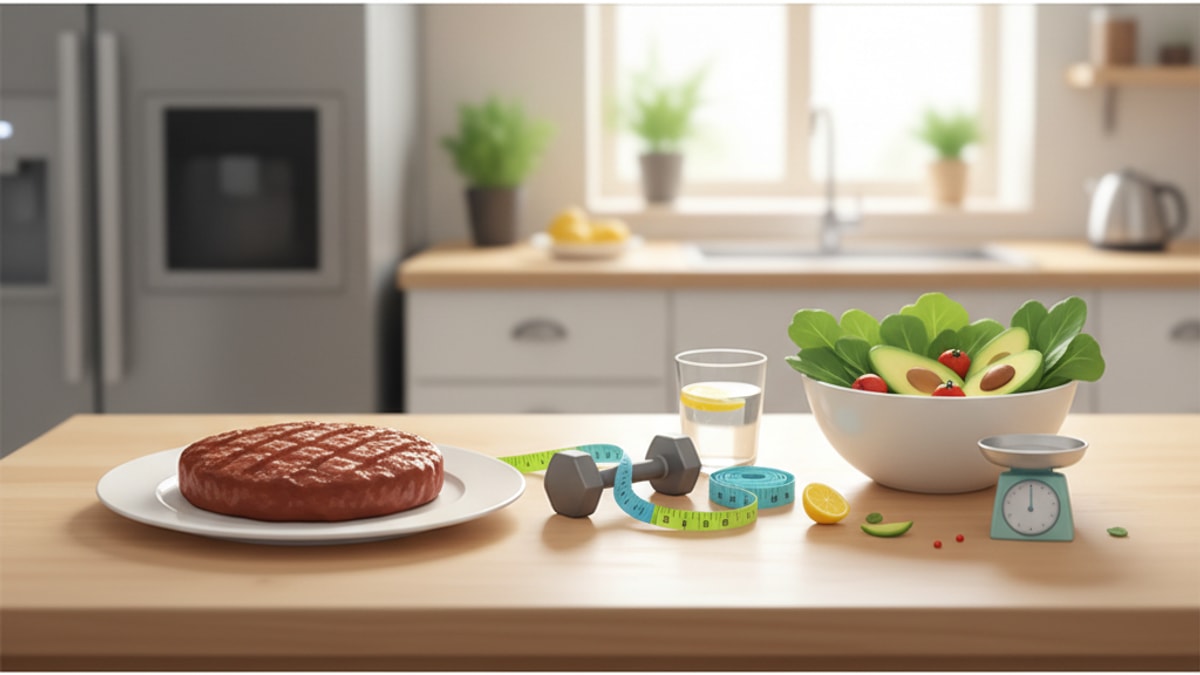
Let's get straight to it. The question of whether ground beef is healthy for weight loss comes across our desks constantly. It’s a staple in so many households—versatile, affordable, and packed with flavor. But it also carries some serious baggage from decades of diet wars that painted red meat as the ultimate villain. So, what’s the real story? Can you enjoy a burger or a bolognese and still move toward your weight loss goals?
As a team focused on the intricate science of metabolic health and sustainable weight management, we’ve learned that blanket “good” or “bad” labels rarely serve anyone. The answer isn't a simple yes or no. It's a 'yes, but…' The effectiveness of ground beef in a weight loss journey hinges entirely on the choices you make: the leanness of the meat, your cooking methods, and—most importantly—what you pair it with. It’s a powerful tool when used correctly and a potential roadblock when it’s not. We’re here to clear up the confusion and give you the framework to make it work for you.
The Great Ground Beef Debate: Why All the Confusion?
To understand why ground beef has such a complicated reputation, you have to look back. For years, the prevailing nutritional wisdom was dominated by a low-fat crusade. Fat, especially saturated fat found in red meat, was public enemy number one. This led to an entire generation believing that a lean chicken breast was angelic and a beef patty was a dietary sin. Supermarket shelves filled with low-fat everything, and the message was clear: avoid red meat if you want to be healthy or lose weight.
That was then.
Now, our understanding of nutrition is far more nuanced. We've learned that fat isn't the monolithic monster it was made out to be, and that protein is a metabolic superstar. The conversation has shifted from simply cutting calories to optimizing macronutrients—protein, fats, and carbohydrates—to support a healthy body composition. This is where ground beef re-enters the picture, not as a villain, but as a complex character with a lot to offer. Our team has found that helping clients unlearn these outdated food rules is one of the first, most crucial steps toward building a sustainable, healthy relationship with food. It’s not about restriction; it’s about informed choices.
Protein Power: The Non-Negotiable for Weight Loss
Here’s what we can't stress enough: adequate protein intake is a critical, non-negotiable element of any effective weight loss strategy. This is the single biggest argument in favor of including lean ground beef in your diet. It's an exceptionally bioavailable source of high-quality, complete protein, which is just a scientific way of saying your body can use it very efficiently.
But why is protein so important? It works on several fronts.
First, there’s the Thermic Effect of Food (TEF). Your body actually burns calories just to digest and process the food you eat, and protein has the highest TEF of all macronutrients. It requires 20-30% of its own calories to be metabolized, compared to just 5-10% for carbs and 0-3% for fats. Eating a protein-rich meal literally boosts your metabolism more than a carb-heavy one does.
Second is satiety. Protein is incredibly filling. It helps regulate hunger hormones like ghrelin, making you feel fuller for longer after a meal. This is a game-changer when you're in a calorie deficit. A meal built around a quality protein source can prevent the gnawing hunger and mindless snacking that so often derail weight loss efforts. Our experience shows that clients who prioritize protein feel more in control and are far more likely to stick with their plan.
Finally, and perhaps most importantly, protein preserves lean muscle mass. When you lose weight, your body doesn't just burn fat; it can also break down muscle tissue for energy. A higher protein intake helps protect your hard-earned muscle. Why does this matter? Because muscle is metabolically active tissue. The more muscle you have, the more calories you burn at rest. Losing muscle slows down your metabolism, making long-term weight maintenance a formidable, uphill battle. This is precisely why at TrimrX, where we develop medically-supervised weight loss programs, we build our nutritional guidance around a protein-forward foundation. It ensures that when our clients lose weight with the help of GLP-1 medications, they're losing fat, not the muscle that keeps their metabolism humming.
Navigating the Fat Content: A Critical Choice
Okay, so the protein is a huge plus. But what about the fat? This is where your choices at the grocery store become paramount. The nutritional profile of ground beef changes dramatically based on its lean-to-fat ratio. That number on the package (like 80/20 or 93/7) isn't just for marketing; it's the key to fitting ground beef into your goals.
Let's be honest, the 80/20 blend that makes for a juicy, flavorful restaurant burger is high in calories and saturated fat. While it might be fine for an occasional indulgence, it's not the best choice for a regular meal when you're focused on weight loss. Moving up the leanness scale makes a significant difference.
Our team has put together a simple breakdown to illustrate this. The differences are not trivial; they are substantial.
| Lean/Fat Ratio | Approx. Calories (4oz raw) | Approx. Protein (g) | Approx. Fat (g) | Our Team's Take |
|---|---|---|---|---|
| 80/20 | 287 | 19g | 22g | Best for flavor, but highest in calories. Use sparingly for weight loss. |
| 85/15 | 243 | 21g | 17g | A decent middle-ground. Draining the fat after cooking is essential here. |
| 90/10 | 200 | 22g | 11g | The sweet spot for many. Good flavor with a much better macro profile. |
| 93/7 | 170 | 23g | 8g | Excellent for weight loss. Great for sauces, tacos, and casseroles. |
| 96/4 | 148 | 24g | 5g | The leanest option. Very low in fat but can be dry if overcooked. |
See the difference? Swapping 80/20 for 93/7 in a recipe can save you over 100 calories and 14 grams of fat per serving while actually giving you more protein. That’s a massive impact, especially compounded over weeks and months. We generally recommend our clients aim for 90/10 or 93/7 ground beef. It strikes the perfect balance between flavor, moisture, and a calorie count that supports a healthy energy deficit. You get all the benefits of the protein without the excessive fat content that can sabotage your progress.
Beyond the Burger: Smart Ways to Incorporate Ground Beef
When most people think of ground beef, their mind immediately goes to a burger on a big, fluffy bun, served with a side of fries. That's the exact combination that gives ground beef a bad name. The beef itself isn’t the problem; it's the company it keeps.
To make ground beef a weight-loss ally, you have to think outside the bun. Our experience shows that the most successful individuals are those who get creative and find sustainable, healthy swaps. It’s not about eating bland food; it’s about re-engineering your favorite meals.
Here are some ideas we often share with our clients:
- The Ultimate Taco Salad: Brown some 93/7 ground beef with taco seasoning. Serve it over a massive bed of romaine lettuce with black beans, corn salsa, avocado, and a light vinaigrette or a dollop of Greek yogurt instead of sour cream. All the flavor, a fraction of the carbs and calories.
- Stuffed Bell Peppers: This is a classic for a reason. Mix cooked lean ground beef with quinoa, black beans, and a little tomato sauce. Stuff the mixture into hollowed-out bell peppers and bake until tender. It’s a perfectly portioned, nutrient-dense meal.
- Hearty Bolognese, Reimagined: Make a rich meat sauce with 90/10 ground beef, crushed tomatoes, onions, garlic, and lots of herbs. The key is what you serve it on. Instead of a mountain of refined pasta, try it over zucchini noodles ('zoodles'), spaghetti squash, or even roasted eggplant slices. It’s incredibly satisfying.
- Asian-Inspired Lettuce Wraps: Cook lean ground beef with ginger, garlic, soy sauce, and a touch of sesame oil. Serve the mixture in large, crisp lettuce cups (iceberg or butter lettuce work great). You get a delicious, savory crunch without the empty calories of a fried wrapper or bun.
- Simple Meatballs: Make meatballs using 93/7 ground beef, an egg, and some almond flour or crushed pork rinds as a binder instead of breadcrumbs. Bake them, don't fry them, and serve with a simple marinara sauce.
Variety is absolutely essential for long-term adherence. If your diet feels boring and restrictive, you won't stick with it. By integrating these kinds of creative, flavorful meals, ground beef becomes a delicious vehicle for achieving your goals, not an obstacle.
The Bigger Picture: How Ground Beef Fits Into a Holistic Plan
It's critical to understand that no single food—not ground beef, not kale, not anything—will make or break your weight loss journey. Success comes from a holistic, consistent approach. Ground beef is simply one tool in your nutritional toolkit.
When we work with clients at TrimrX, we emphasize the entire dietary pattern. A serving of lean ground beef is fantastic, but it should be part of a plate that is also loaded with fiber-rich vegetables, healthy fats, and complex carbohydrates. Think about a colorful plate: the red from stuffed peppers, the green from a large salad, the brown from the seasoned beef. This combination provides the protein for satiety and muscle, the fiber for digestive health and fullness, and the micronutrients your body needs to function optimally.
This is especially true for individuals on a medically supervised plan, like the GLP-1 treatments we specialize in. Medications like Semaglutide and Tirzepatide are incredibly effective at regulating appetite and improving metabolic function, creating a powerful window of opportunity for change. However, the medication doesn't build a healthy diet for you. That's where smart nutritional choices come in. High-quality protein sources like lean ground beef become foundational. They work synergistically with the medication, ensuring that as your appetite decreases, the food you do eat is nutrient-dense and supports the goal of losing fat while preserving metabolically active muscle. It’s about making every calorie count.
This comprehensive view—combining medical science with practical, sustainable nutrition—is what drives lasting results. It’s not about a quick fix; it’s about re-wiring your metabolism and your habits for long-term health. If you're tired of the cycle of dieting and ready to explore a more integrated, science-backed path, we can help. You can learn more about how it works and Start Your Treatment with our medical team today.
What About Grass-Fed vs. Grain-Fed?
This question comes up a lot, and it's a valid one. You'll often see 'grass-fed' marketed as the superior choice. And nutritionally, it does have a few advantages.
Grass-fed beef tends to be slightly leaner and has a better fatty acid profile. Specifically, it contains more Omega-3 fatty acids (the anti-inflammatory kind found in fish) and less Omega-6 fatty acids (which can be pro-inflammatory in excess). It’s also a richer source of Conjugated Linoleic Acid (CLA), a type of fat that some studies suggest may have modest benefits for body composition.
So, is it worth the often-significant price increase?
Here's our professional take: if grass-fed beef fits comfortably into your budget, it's a great choice. But—and this is a big but—don't let the pursuit of 'perfect' become the enemy of 'good.' Lean conventional ground beef is still an outstanding source of protein, iron, and B vitamins. The difference in health outcomes between someone eating lean conventional beef and someone eating grass-fed beef is likely to be very small, especially when compared to the massive difference between eating lean beef and eating a diet low in protein. Our advice? Prioritize leanness (90/10 or leaner) first. If you can also afford grass-fed, consider it a bonus.
Potential Pitfalls and How to Avoid Them
Even with the leanest cuts, there are a few common traps that can turn this healthy protein source into a diet-wrecker. Being aware of them is half the battle.
- Portion Distortion. A healthy portion of meat is typically around 3-4 ounces, which is about the size of a deck of cards. Many restaurant burgers or homemade patties are double or even triple that size. Use a food scale, especially at first, to understand what a proper serving looks like. Even lean beef is calorie-dense, and portions matter.
- Cooking Calamities. How you cook the meat is huge. Frying it in a pan of oil will add a significant number of calories and unhealthy fats. Instead, opt for grilling, broiling, or baking. If you do pan-cook it, use a non-stick pan with minimal oil and—this is key—always drain the excess fat off before adding it to your sauce or dish. You'll be amazed at how much fat renders out, even from leaner blends.
- The Unhealthy Entourage. We touched on this before, but it bears repeating. Ground beef rarely travels alone. The real caloric danger often comes from its companions: the giant refined-flour bun, the melted cheese, the creamy sauces, the sugary ketchup, and the deep-fried potatoes on the side. A 4-ounce patty of 93/7 ground beef is about 170 calories. A fully loaded bacon cheeseburger with fries from a fast-food joint can easily top 1,200 calories. The beef wasn't the primary problem.
By being mindful of these three areas—portions, preparation, and pairings—you can confidently keep ground beef in your corner.
So, is ground beef healthy for weight loss? Our answer is a resounding yes, provided you are intentional about it. Choose a lean blend, cook it smartly, watch your portion size, and surround it with nutrient-dense foods like vegetables. When you do that, it transforms from a dietary question mark into a powerful asset—a satisfying, muscle-supporting, and metabolism-boosting food that can absolutely help you reach your goals. Making these informed, deliberate choices is the true foundation of lasting health and a body you feel great in.
Frequently Asked Questions
Which lean-to-fat ratio of ground beef is best for weight loss?
▼
Our team recommends aiming for 90/10 or 93/7 ground beef. These options provide an excellent amount of high-quality protein with a significantly lower calorie and fat content compared to more common blends like 80/20.
How much ground beef can I eat per week while trying to lose weight?
▼
There’s no magic number, as it depends on your overall dietary pattern. A few servings of lean ground beef per week (e.g., 2-3 times) can easily fit into a balanced weight loss plan, provided your portions are controlled (around 3-4 ounces per serving).
Is ground beef a good protein source if I’m on a GLP-1 medication like Semaglutide?
▼
Yes, absolutely. Lean ground beef is an excellent choice for those on GLP-1 medications. The high protein content helps you feel full and preserves muscle mass, which works synergistically with the medication’s appetite-regulating effects to promote fat loss.
Does draining the fat from ground beef really make a difference?
▼
It makes a huge difference. Even with leaner blends, a surprising amount of fat renders out during cooking. Draining this excess fat is a simple, effective way to reduce the final calorie and saturated fat content of your meal.
Is grass-fed ground beef necessary for weight loss?
▼
No, it’s not necessary. While grass-fed beef has some nutritional advantages, like a better omega-3 profile, lean conventional beef is still a fantastic protein source. We advise prioritizing leanness (93/7) over the grass-fed label if you’re on a budget.
What is a healthy portion size for ground beef?
▼
A standard, healthy portion size is about 3 to 4 ounces, cooked. This is roughly the size of a deck of cards or the palm of your hand. Using a food scale can be very helpful for accuracy.
Can I eat an 80/20 ground beef burger and still lose weight?
▼
You can, but it requires careful planning. An 80/20 burger is high in calories, so it would need to be an occasional meal that fits within your daily calorie target. For regular consumption, a leaner blend is a much more strategic choice.
Does ground beef cause inflammation?
▼
Some research suggests that high intake of saturated fat and red meat can be linked to inflammatory markers. However, this is often tied to overall dietary patterns. Consuming lean ground beef in moderation as part of a diet rich in fruits, vegetables, and anti-inflammatory fats is unlikely to be a problem.
What are the healthiest ways to cook ground beef?
▼
The best methods are those that don’t add extra fat, such as grilling, broiling, or baking. If you pan-fry, use a non-stick skillet and be sure to drain off all the rendered fat before serving.
Are there any good alternatives to ground beef for high-protein meals?
▼
Certainly. Lean ground turkey or chicken are excellent, lower-fat alternatives. For plant-based options, lentils, chickpeas, and tofu can also be used in many recipes that traditionally call for ground meat.
Why is protein so important for preserving muscle during weight loss?
▼
When you’re in a calorie deficit, your body can break down muscle tissue for energy. Consuming adequate protein provides the amino acids necessary to repair and maintain muscle, signaling your body to primarily burn fat stores instead.

Transforming Lives, One Step at a Time
Keep reading

Obesity and Low Testosterone
**Can obesity cause low testosterone?** Yes. Obesity can lower testosterone, and the relationship often runs in both directions.

Top 6 Best Weight Loss Medications in 2026
Prescription weight loss medication has gone mainstream. What was once a quiet corner of obesity medicine is now one of the most talked-about categories…

Top 8 Best Telehealth for Weight Loss in 2026
Finding the best telehealth for weight loss used to be a time-consuming process that involved hours of research, murky pricing pages, and a fair…


