What Probiotics Actually Help With Weight Loss? Our Experts Explain
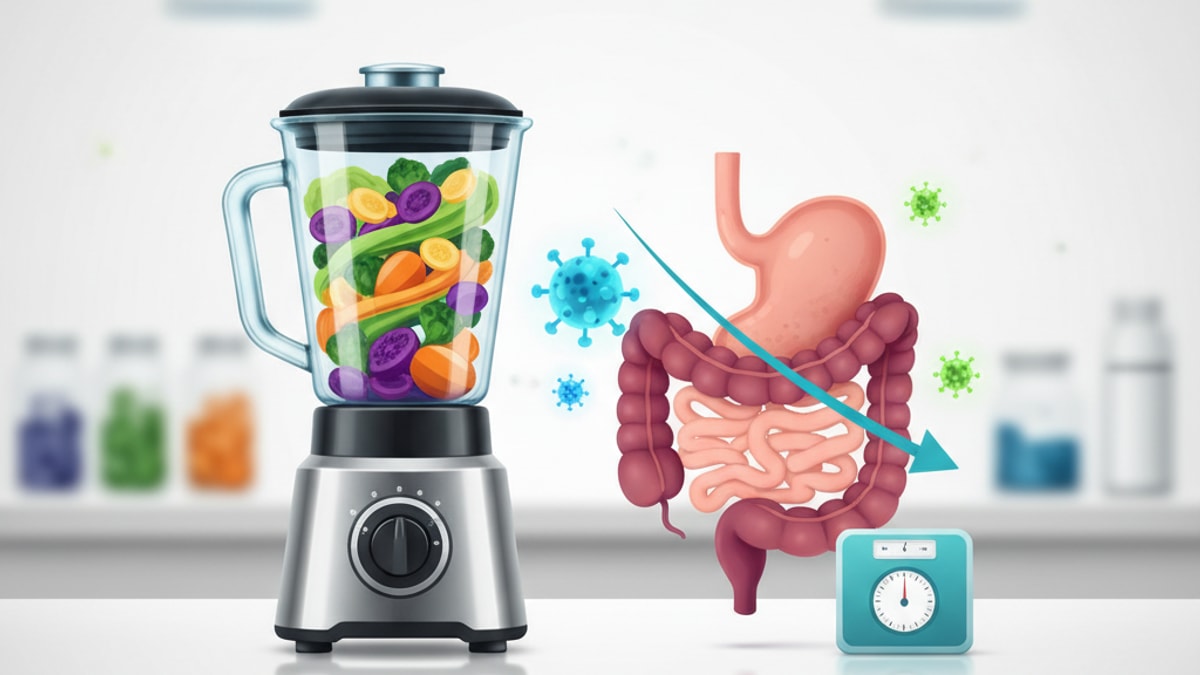
Let's be honest. The wellness world is crowded, and when it comes to weight loss, the advice can feel overwhelming, contradictory, and sometimes just plain wrong. You’ve probably heard the buzz about probiotics. They’re in yogurt, they’re in expensive supplements, they’re touted as the secret to everything from better immunity to a happier mood. But what about weight loss? Is there any real substance behind the claim, or is it just another fleeting trend?
Our team has spent years navigating the complex science of metabolic health, and we can tell you this with certainty: your gut is a formidable player in the weight management game. It's not a magic bullet—nothing is. But understanding which probiotics help with weight loss can be a critical, non-negotiable element of a successful, sustainable strategy. It’s about creating a powerful internal alliance that works with you, not against you. This is the science we integrate into our comprehensive, medically-supervised programs, because we've seen firsthand how a healthy microbiome can amplify results.
Why Your Gut Is the Unsung Hero of Weight Management
Think of your gut microbiome as a sprawling, bustling metropolis living inside you. It’s home to trillions of microorganisms—bacteria, fungi, viruses—that collectively have a massive impact on your health. For a long time, we thought of these microbes as simple passengers, but we now know they are active participants in virtually every bodily function, especially metabolism.
When this internal ecosystem is in balance (a state called symbiosis), it’s a beautiful thing. Beneficial bacteria help you digest food, produce essential vitamins, regulate your immune system, and even influence your mood. But when things get out of whack due to poor diet, stress, antibiotics, or other factors, you can end up with dysbiosis—an imbalance where harmful bacteria start to gain the upper hand.
This is where the trouble starts for weight management.
Dysbiosis can trigger a cascade of negative effects. It can lead to low-grade, chronic inflammation, a known driver of obesity and metabolic syndrome. It can mess with your body's ability to regulate blood sugar, leading to insulin resistance. And, most critically, it can alter how you harvest, store, and expend energy from the food you eat. Some gut bacteria are simply more efficient at extracting calories from food and storing them as fat. It’s a difficult, often moving-target objective to fix, but it's absolutely possible.
We’ve seen it in our practice. Two people can eat the exact same meal, but because of their unique gut microbiomes, one person might absorb significantly more calories than the other. It feels unfair, doesn't it? That's why simply 'eating less and moving more' isn't the complete picture. The composition of your gut microbiome is the hidden variable that can make or break your efforts.
The Probiotic-Weight Loss Connection: What the Science Actually Says
So, how do beneficial bacteria—probiotics—tip the scales back in your favor? It's not just one single mechanism; it's a multi-pronged attack on the factors that drive weight gain. Our experience shows it’s about influencing the body’s fundamental systems.
Here’s what’s happening on a microscopic level:
-
They Regulate Appetite Hormones: This is where it gets incredibly interesting, especially in the context of modern weight loss treatments. Certain probiotics stimulate the release of appetite-reducing hormones like glucagon-like peptide-1 (GLP-1) and peptide YY (PYY). These are the very same pathways targeted by advanced medications like Semaglutide and Tirzepatide. By fostering a gut environment that naturally boosts these hormones, you're creating a powerful synergistic effect. Your body becomes better at signaling fullness, reducing cravings, and managing hunger. It’s a foundational support system for the work our medical treatments do.
-
They Influence Fat Storage: Probiotics can impact proteins that regulate fat storage, like angiopoietin-like protein 4 (ANGPTL4). Increasing levels of this protein can lead to decreased fat storage. Essentially, the right bacteria can instruct your body to burn more fat for energy rather than socking it away in your fat cells for a rainy day.
-
They Reduce Calorie Absorption: Some probiotic strains have been shown to inhibit the absorption of dietary fat in the intestine. Instead of being absorbed and stored, more fat passes through the digestive system and is excreted. It’s a subtle but significant shift that, over time, can contribute to a caloric deficit without you having to consciously restrict your intake even further.
-
They Strengthen the Gut Barrier: A healthy gut has a strong intestinal lining that prevents harmful substances and bacterial toxins (like lipopolysaccharides or LPS) from leaking into the bloodstream. When this barrier is compromised (a condition known as 'leaky gut'), these toxins can enter your circulation and trigger inflammation, which, as we mentioned, is strongly linked to obesity and insulin resistance. Probiotics help fortify this barrier, keeping inflammation in check and supporting overall metabolic health.
It’s a complex and elegant system. And it underscores a core philosophy we hold at TrimrX: sustainable weight loss isn't about fighting your body; it's about giving your body what it needs to function optimally. A healthy gut is a cornerstone of that process.
The A-List: Probiotic Strains That Actually Move the Needle
Now for the million-dollar question: what probiotics help with weight loss specifically? Not all probiotics are created equal. You can't just grab any bottle off the shelf and expect results. The effects are highly strain-specific. We can't stress this enough.
Our team constantly reviews the research to identify the strains with the most robust scientific backing for weight management. Here are the families and specific strains that consistently show promise:
The Lactobacillus Family
This is one of the most well-studied groups of probiotics. You’ll find them in fermented foods like yogurt and kefir. Several of its members have demonstrated impressive effects on body weight and fat.
- Lactobacillus gasseri: This one is a real standout. Multiple human studies have linked L. gasseri supplementation to significant reductions in belly fat, BMI, and waist circumference. One notable study found that participants who drank a fermented milk product with L. gasseri for 12 weeks lost over 8% of their visceral fat—the dangerous fat that surrounds your organs. The effect disappeared when they stopped taking it, highlighting the need for consistency.
- Lactobacillus rhamnosus: This strain is another heavy hitter. A study focusing on women found that the group taking L. rhamnosus lost twice as much weight as the placebo group over a 12-week period. What's more, they continued to lose weight during the maintenance phase of the study, suggesting it may help prevent weight regain.
- Lactobacillus sakei: While less known, emerging research on L. sakei (often found in kimchi) is exciting. Animal studies have shown it can reduce body weight and fat mass by influencing energy expenditure.
The Bifidobacterium Family
This family of bacteria is a key inhabitant of a healthy gut, particularly in infancy, and its levels can decline with age. Boosting their numbers can have profound metabolic benefits.
- Bifidobacterium breve: Research suggests B. breve is particularly effective at fighting diet-induced obesity. It has been shown to reduce fat mass, improve glucose tolerance, and suppress chronic inflammation in studies.
- Bifidobacterium lactis: Often seen in combination with other strains, B. lactis has been linked to improvements in overall gut health, which provides the right environment for weight loss. It can improve BMI, cholesterol levels, and inflammatory markers.
- Bifidobacterium longum: This strain is a versatile player, known for its ability to stabilize the gut microbiome and reduce inflammation. Its presence is often associated with a leaner body composition.
It’s not just about single strains, either. Some multi-strain formulas have also been studied. The key is to look for products that specify the exact strains and the number of colony-forming units (CFUs)—a measure of the number of viable bacteria. A clinically relevant dose is typically in the billions, not millions.
| Probiotic Strain | Primary Mechanism of Action | Common Food Sources |
|---|---|---|
| Lactobacillus gasseri | Reduces visceral fat, inhibits fat absorption | Fermented milk, some yogurts, supplements |
| Lactobacillus rhamnosus | Promotes sustained weight loss, regulates appetite hormones | Yogurt, kefir, cheese, supplements |
| Bifidobacterium breve | Fights diet-induced obesity, reduces fat mass | Yogurt, sauerkraut, supplements |
| Bifidobacterium lactis | Improves BMI and cholesterol, reduces inflammation | Fermented dairy products, supplements |
| Saccharomyces boulardii | A beneficial yeast that fights inflammation and pathogens | Supplements, kombucha |
This table is a starting point. The world of probiotics is constantly evolving, and new research is emerging all the time. But focusing on these well-documented strains is the smartest approach.
Beyond the Pill: Getting Probiotics from Your Plate
Supplements can be a reliable and targeted way to get specific probiotic strains, but we're huge advocates for a food-first approach. Incorporating probiotic-rich foods into your diet not only provides beneficial bacteria but also a host of other nutrients. It’s a more holistic way to cultivate a thriving gut microbiome.
So, where do you find them?
- Yogurt & Kefir: Look for products with 'live and active cultures' on the label. Greek yogurt is a great choice as it's also high in protein. Kefir, a fermented milk drink, often contains a wider variety of bacterial strains than yogurt.
- Sauerkraut & Kimchi: These fermented cabbage dishes are probiotic powerhouses. Be sure to buy the refrigerated versions, as shelf-stable products are often pasteurized, which kills the beneficial bacteria.
- Miso & Tempeh: These fermented soy products are staples in many Asian cuisines and are excellent sources of probiotics. Miso is great for soups and marinades, while tempeh is a fantastic meat substitute.
- Kombucha: A fermented tea drink that has gained immense popularity. Just be mindful of the sugar content, as some commercial brands can be loaded with it.
And another consideration: you can't just add probiotics and expect them to thrive. They need food. That's where prebiotics come in. Prebiotics are types of dietary fiber that your body can't digest but your good gut bacteria love to eat. They are the fertilizer for your internal garden.
Excellent sources of prebiotics include:
- Garlic, onions, and leeks
- Asparagus
- Bananas (especially when slightly green)
- Oats
- Apples
- Flaxseeds
A diet rich in both probiotics and prebiotics—what's sometimes called a synbiotic approach—creates the ideal conditions for a healthy, balanced, and weight-supportive gut microbiome.
How We Integrate Gut Health into Modern Weight Loss Programs
This is where everything we've talked about comes together. At TrimrX, we don't view weight loss as a single problem with a single solution. We see the body as an interconnected system. Our approach is built on the understanding that to achieve lasting results, you have to address the underlying biology from multiple angles.
Our medically-supervised programs utilize powerful, FDA-registered GLP-1 medications like Semaglutide and Tirzepatide. These medications are revolutionary because they work with your body's natural hormone systems to regulate appetite and blood sugar. They are incredibly effective.
But we don't stop there. We've found that results are significantly amplified when we simultaneously work to optimize the patient's gut health. It’s a one-two punch. The GLP-1 medication provides the powerful top-down hormonal control, while a healthy gut microbiome provides the bottom-up metabolic support.
Think about it. We just discussed how certain probiotics can naturally increase your body's own production of GLP-1. By combining a targeted probiotic regimen with a GLP-1 medication, you're creating a profoundly supportive environment for weight loss. You're enhancing the very pathways the medication is designed to target. Our clinical team helps you build a holistic plan that includes precise nutritional guidance, lifestyle adjustments, and, where appropriate, recommendations for specific probiotic strains to complement your treatment. This approach—which we've refined over years—delivers real, sustainable results because it addresses the whole system, not just a single symptom.
When you're ready to see how this integrated approach can work for you, you can easily Take Quiz on our site to see if you're a candidate. It’s the first step toward a strategy that's tailored to your unique biology.
Common Pitfalls: Why Your Probiotic Might Not Be Working
Have you tried probiotics before without seeing much of a difference? It’s a common story, and it usually comes down to a few key missteps. If you're going to invest your time and money, you need to do it right.
Here's what we've learned can go wrong:
-
You're Using the Wrong Strain. As we've emphasized, probiotic effects are strain-specific. Taking a generic probiotic for 'gut health' is unlikely to have a targeted effect on weight. You need to use the specific strains, like Lactobacillus gasseri, that have been studied for that purpose.
-
The Dose (CFU Count) is Too Low. To be effective, the bacteria need to survive the journey through your stomach acid and colonize your gut. A product with only a few million CFUs probably won't cut it. Look for products that provide billions of CFUs per dose—generally in the 10 to 50 billion range for weight management support.
-
The Product Quality is Poor. Probiotics are living organisms. They need to be manufactured and stored properly to remain viable. Choose reputable brands that guarantee CFU count through the expiration date and be sure to follow the storage instructions (some require refrigeration).
-
You're Not Being Consistent. It takes time to shift the composition of your gut microbiome. You can't take a probiotic for a week and expect a dramatic change. It requires consistent, daily use for at least a few months to see measurable effects.
-
You're Ignoring the Bigger Picture. This is the most important one. You cannot out-supplement a poor diet and sedentary lifestyle. Probiotics are a support tool, not a substitute for the fundamentals. They work best as part of a comprehensive plan that includes a whole-foods diet, regular physical activity, stress management, and adequate sleep. They are amplifiers, not miracle workers.
It’s about being strategic. Without that, you're just guessing.
The journey to a healthier weight is deeply personal, and it's paved with far more than just calorie counts and gym sessions. It involves understanding and nurturing your body's intricate internal ecosystem. The evidence is becoming overwhelmingly clear that the trillions of microbes in your gut are powerful allies in this journey. By choosing the right probiotic strains, nourishing them with prebiotic foods, and integrating this strategy into a comprehensive, medically-guided plan, you're not just losing weight. You're building a foundation of metabolic health that can last a lifetime. It’s a shift from battling your body to finally working with it. If you’re ready to move beyond the fads and build a real strategy based on science, we’re here to help. You can Start Your Treatment Now and begin the process of aligning your biology with your goals.
Frequently Asked Questions
Can probiotics alone make me lose weight?
▼
No, probiotics are not a magic pill for weight loss. Our team views them as a powerful support tool that works best when combined with a healthy diet, exercise, and a comprehensive weight management strategy, like the medically-supervised programs we offer at TrimrX.
How long does it take for probiotics to help with weight loss?
▼
It takes time to alter your gut microbiome. While some digestive benefits can be felt sooner, you should plan on taking a targeted probiotic consistently for at least 12 weeks to see a potential impact on body weight and composition.
What is the best time of day to take a probiotic?
▼
Consistency is more important than timing. However, our experts often recommend taking probiotics on an empty stomach, about 20-30 minutes before a meal, to help the bacteria survive stomach acid and reach your intestines.
Are there any side effects to taking probiotics for weight loss?
▼
Most people tolerate probiotics well. When first starting, you might experience some mild, temporary gas or bloating as your gut adjusts. These symptoms usually subside within a week or two.
Should I choose a supplement or get probiotics from food?
▼
We recommend a combination of both. Foods like yogurt, kefir, and kimchi provide a variety of beneficial bacteria and nutrients. A high-quality supplement can ensure you’re getting a specific, clinically-studied strain in a therapeutic dose.
What does ‘CFU’ mean on a probiotic label?
▼
CFU stands for Colony-Forming Units. It’s a measurement of the number of viable, live bacteria in a probiotic dose. For weight management support, we generally look for products containing at least 10 billion CFUs per serving.
Do I need prebiotics along with my probiotics?
▼
Yes, absolutely. Prebiotics are the ‘food’ for your beneficial gut bacteria. Including prebiotic-rich foods like garlic, onions, asparagus, and oats in your diet is crucial for helping the probiotics thrive and colonize your gut.
Can probiotics help reduce belly fat specifically?
▼
Certain strains, particularly Lactobacillus gasseri, have shown very promising results in studies for reducing visceral (belly) fat. While you can’t spot-reduce fat, optimizing your gut health can definitely help target this stubborn area.
How do probiotics work with GLP-1 medications like Semaglutide?
▼
It’s a synergistic relationship. GLP-1 medications work on your body’s appetite hormones, and certain probiotics can naturally increase your body’s production of these same hormones. At TrimrX, we’ve found that combining them can amplify results by supporting metabolic health from two different angles.
Will I regain weight if I stop taking probiotics?
▼
Some studies suggest the benefits can wane after you stop supplementation. The goal is to make lasting changes to your diet and lifestyle that continuously support a healthy microbiome, making you less reliant on supplements alone over the long term.
Is more CFU always better in a probiotic?
▼
Not necessarily. While a sufficient dose is critical, the specific strains are more important than an astronomical CFU count. It’s better to have 15 billion CFUs of a well-researched strain than 100 billion CFUs of a generic, unstudied blend.
Can I take probiotics if I have a sensitive stomach?
▼
Yes, but it’s wise to start with a lower dose and gradually increase it. This allows your digestive system to adjust. If you have a serious medical condition, it’s always best to consult with your healthcare provider first.

Transforming Lives, One Step at a Time
Keep reading

What to Do With a Full Pantry You No Longer Eat From
Sort it into three piles rather than clearing it all out: donate, keep, and discard. The mistake most people make is emptying the whole…

How to Handle a Business Dinner When the Client Orders for the Table
This is the one dining situation where your usual tools do not work. You cannot order a starter as your main, cannot ask for…
How to Handle Group Dinners Where Everyone Shares Plates
Shared dining is generally easier than a fixed plate, not harder, and it is worth going in with that framing. When everyone is taking…


