Which Sugar Is Good for Weight Loss? The Unflinching Truth
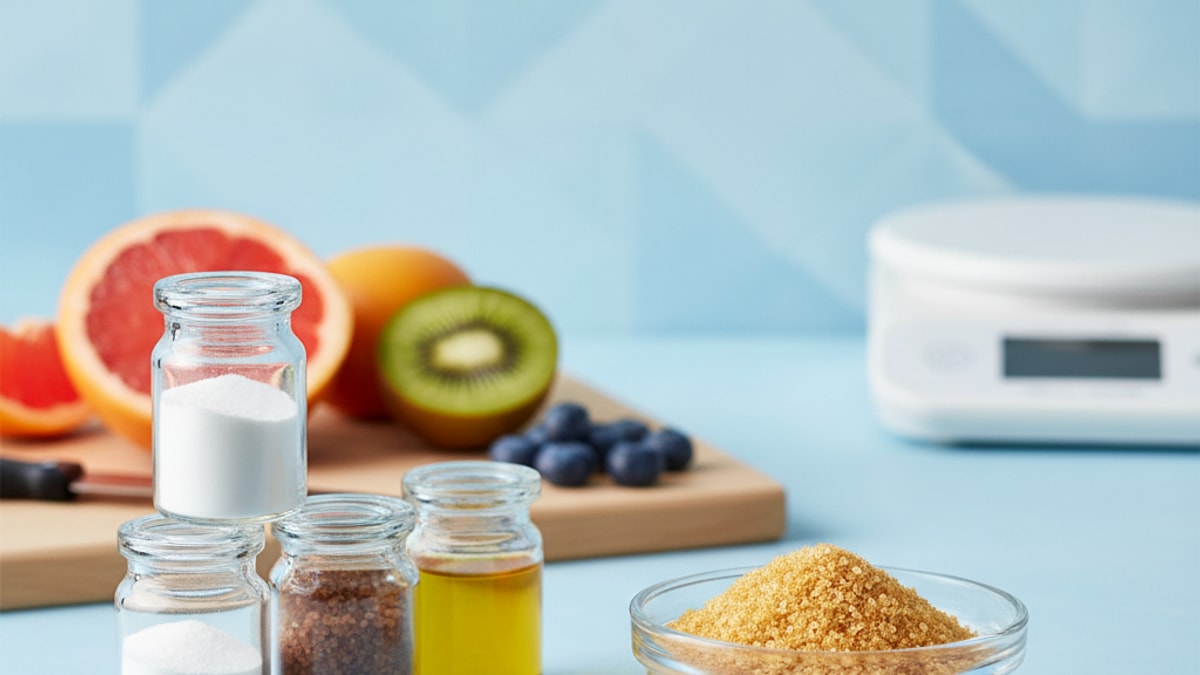
Let’s get straight to it. The question, “which sugar is good for weight loss?” is one our team hears constantly. It’s a question born from a sprawling, confusing landscape of wellness blogs, conflicting headlines, and cleverly marketed products promising a guilt-free sweet tooth. People are looking for a simple swap, a secret ingredient that will let them have their cake and eat it too, without derailing their progress. We get it. It's a completely understandable desire.
But here’s the unflinching truth, based on our deep experience in metabolic science and medically-supervised weight management: asking which sugar is good for weight loss is fundamentally the wrong question. It’s like asking which type of spark is best for preventing a forest fire. The reality is far more nuanced. The focus shouldn't be on finding a “safe” sugar, but on understanding the profound, and often disruptive, impact that all concentrated sugars have on your body's intricate hormonal systems—the very systems we work to rebalance here at TrimrX.
The Fundamental Misconception: Is Any Sugar Really 'Good' for Weight Loss?
When you consume sugar—whether it's raw honey drizzled over yogurt, white table sugar in your coffee, or high-fructose corn syrup in a soda—your body’s primary goal is to process it for energy. Most common sugars are broken down into two simple molecules: glucose and fructose. Glucose is your body’s preferred, immediate fuel source. It enters your bloodstream, and in response, your pancreas releases insulin, a hormone whose job is to shuttle that glucose into your cells for energy or store it for later (as glycogen in muscles and the liver, or as fat).
This process is normal. It's essential for life. The problem isn't the process itself; it's the scale and speed at which it happens with modern diets. A massive, rapid influx of sugar from a candy bar or a sweetened drink causes a huge insulin spike. Do this repeatedly, and you start running into serious trouble. Your cells can become less responsive to insulin's signal, a dangerous condition known as insulin resistance. This is a formidable roadblock to weight loss. In fact, it's a primary driver of weight gain, particularly abdominal fat. Your body is screaming for energy, but your cells can't hear the call, so you stay hungry and store more fat. It's a catastrophic metabolic cycle.
We can't stress this enough: from a purely metabolic standpoint, your pancreas doesn't really distinguish between the glucose from a spoonful of 'natural' coconut sugar and the glucose from refined white sugar. It sees a flood of sugar in the bloodstream and reacts accordingly by pumping out insulin. The dream of a metabolically 'free' sugar is, unfortunately, just that—a dream.
Natural vs. Refined Sugars: A Distinction That Matters (But Maybe Not How You Think)
This is where the marketing gets really clever. We're told that natural sweeteners like maple syrup, raw honey, and agave nectar are superior choices. And in a very limited sense, there's a kernel of truth there. These less-processed options do contain trace amounts of minerals, antioxidants, and other micronutrients that are completely absent from starkly refined table sugar. That’s a good thing. But it's a very, very small thing.
The main event is still the sugar content. Honey is roughly 80% sugar (a mix of fructose and glucose). Maple syrup is about 67% sugar (mostly sucrose, which breaks down into fructose and glucose). Agave nectar, often touted as a healthy alternative, is particularly high in fructose—sometimes as much as 85%. While these are better than a completely empty calorie, they still deliver a significant sugar load that triggers the same insulin response we're trying to manage.
So where does the real benefit of 'natural' sugar lie? It's not in the syrup; it's in the original source. Think about eating an apple versus drinking apple juice. The apple contains sugar, yes, but it's encased in a fibrous matrix. This fiber is a critical, non-negotiable element. It forces your body to work harder to break down the fruit and access the sugar, slowing its release into the bloodstream. This results in a much gentler, more manageable insulin response. The apple also contains water and vitamins, promoting fullness and providing actual nutrition. The juice, on the other hand, is just a direct shot of sugar, functionally no different from a soda. Our experience shows that people who focus on whole-food sources of sweetness, like berries and other fruits, have far greater success in managing cravings and achieving sustainable weight loss than those who simply swap one processed sugar for another.
Sugar Alcohols and Artificial Sweeteners: The So-Called 'Free Pass'?
This brings us to the world of zero-calorie and low-calorie sweeteners. This category is massive and includes natural options like stevia and monk fruit, sugar alcohols like erythritol and xylitol, and artificial compounds like aspartame and sucralose. Their promise is seductive: all the sweetness with none of the calories or blood sugar impact. For someone trying to lose weight, it sounds like the perfect solution.
And for some people, in moderation, they can be a useful tool. They don't raise blood sugar, so they don't trigger that immediate insulin spike. This makes them appear, on the surface, to be an ideal choice. But the story is more complicated. Our team has observed that relying heavily on these sweeteners can have some significant downsides.
First, there's the issue of the gut microbiome. Your gut is home to trillions of bacteria that play a huge role in everything from digestion to immune function and even mood. Emerging research suggests that some artificial sweeteners may alter the composition of this delicate ecosystem, potentially not for the better. Second, there's the brain connection. Flooding your taste receptors with intense sweetness—some of these sweeteners are hundreds of times sweeter than sugar—without the accompanying calories can, for some individuals, confuse the brain's reward pathways. It can maintain, or even intensify, the craving for sweet things, making it harder to appreciate the subtle, natural sweetness of whole foods. It keeps you on the 'sweetness treadmill.'
Finally, many people, particularly with sugar alcohols, experience digestive distress like bloating, gas, and diarrhea. Your body can't fully digest them, so they ferment in the large intestine. It's not a pleasant experience. Here’s a quick breakdown our team often shares with clients to help them navigate this confusing space:
| Sweetener | Source & Type | Glycemic Index | Caloric Impact | Common Considerations |
|---|---|---|---|---|
| Stevia | Plant-derived (Stevia rebaudiana), Natural | 0 | Zero | Can have a slightly bitter or licorice-like aftertaste. Generally considered safe with minimal side effects. |
| Monk Fruit | Fruit-derived (Luo Han Guo), Natural | 0 | Zero | Often blended with erythritol to add bulk. Less aftertaste than stevia. One of our preferred choices. |
| Erythritol | Sugar Alcohol, found naturally in some fruits | 0-1 | Near-zero | Generally well-tolerated, but can cause digestive issues in high doses. Has a cooling sensation on the tongue. |
| Aspartame | Artificial, lab-created | 0 | Zero | Loses sweetness when heated. Subject of long-standing health debates, though approved by major regulatory bodies. |
| Sucralose | Artificial, derived from sugar | 0 | Zero | Heat-stable for baking. Some studies suggest potential impacts on gut health, but more research is needed. |
The bottom line? These sweeteners aren't a 'free pass.' They are tools. They can be helpful for weaning off sugar-sweetened beverages or for an occasional treat, but we recommend using them sparingly and prioritizing whole, unprocessed foods.
The Unseen Impact: How Sugar Derails Your Weight Loss Efforts
Beyond the simple mechanics of calories and insulin, a high-sugar diet wages a kind of guerilla war on your body’s weight regulation systems. It's an insidious process that makes losing weight feel like an impossible, uphill battle against your own biology.
One of the biggest battlegrounds is hormonal regulation. Your body has a sophisticated system for managing hunger and satiety, primarily governed by two hormones: ghrelin (the 'I'm hungry' hormone) and leptin (the 'I'm full' hormone). A diet high in processed foods and sugar throws this system into complete disarray. Specifically, high fructose intake can lead to leptin resistance. This means that even when you've eaten enough and your fat cells are pumping out leptin to signal fullness, your brain doesn't get the message. You still feel hungry. It’s a devastating feedback loop: you eat more, store more fat, produce more leptin, become more resistant to it, and feel even hungrier.
This is precisely the kind of biological short-circuit that modern medical treatments are designed to address. The GLP-1 medications we use at TrimrX, like Semaglutide and Tirzepatide, work directly on these hormonal pathways. They enhance the body's natural satiety signals, helping your brain correctly register fullness. They also slow down gastric emptying, keeping you feeling full for longer. In essence, they help to silence the relentless 'food noise' and intense cravings that a high-sugar diet creates, giving you the metabolic breathing room to build healthier habits.
Furthermore, chronic high sugar consumption is a massive driver of inflammation. This isn't the acute inflammation you get from an injury; it's a low-grade, systemic inflammation that smolders in the background. This inflammatory state is linked to a host of chronic diseases and can further exacerbate insulin resistance, making weight loss even more challenging. It creates a metabolically hostile environment within your own body. Breaking this cycle is paramount for long-term health and sustainable weight management.
A Smarter Strategy: Moving Beyond 'Good' vs. 'Bad'
So, if searching for a 'good' sugar is a dead end, what's the right path forward? It's about a significant, sometimes dramatic, shift in mindset. Instead of scrutinizing sugar types, we need to manage sugar sources and overall quantity.
Here’s the approach we've refined over years of clinical practice, and it delivers real results:
- Prioritize Whole Foods. Period. Get your sweetness from its original packaging: fruit. A handful of berries, a crisp apple, a juicy peach. These deliver sweetness alongside fiber, water, and micronutrients. This is the gold standard.
- Become a Label Detective. Sugar is hiding everywhere, often under sneaky names like dextrose, maltodextrin, barley malt, or fruit juice concentrate. It’s in salad dressings, pasta sauces, bread, and yogurt. You have to be vigilant. Our team advises clients to look at the 'Added Sugars' line on the nutrition label—that’s your most important clue.
- Eliminate Sugary Drinks. This is non-negotiable. Liquid sugar is the fastest way to overwhelm your metabolic system. Swapping sodas, sweetened teas, and fancy coffee drinks for water, unsweetened tea, or black coffee is one of the most impactful changes you can make. It's a game-changer.
- Rethink Your 'Treats.' Instead of a sugary baked good, could your treat be a small bowl of Greek yogurt with fresh raspberries? Or a few squares of genuinely dark chocolate (85% cacao or higher)? It’s about retraining your palate to appreciate less intense, more complex flavors.
This isn't about deprivation. It's about strategic, intelligent choices that support your body's biology instead of constantly fighting against it.
When Diet Isn't Enough: The Role of Medical Interventions
Let's be honest, though. For many people, this is all easier said than done. If you've been struggling with your weight for years, you might have underlying metabolic dysregulation, like profound insulin resistance, that makes this fight feel nearly impossible. Your body's own hormonal signals are working against you. Willpower alone often isn't enough to overcome a biological imperative. We’ve seen it work against even the most determined individuals.
This is where medical science can offer a powerful advantage. It's not about a magic pill; it's about leveling the playing field. As we mentioned, advanced medications like GLP-1 agonists (Semaglutide and Tirzepatide) are designed to target the root biological causes that make weight loss so difficult. They help restore normal hormonal signaling, regulate blood sugar, and dramatically reduce the cravings and 'food noise' that sugar addiction creates. These treatments provide a biological reset.
This medical support doesn't replace healthy habits; it makes them possible. It creates a window of opportunity where your body is finally working with you, not against you. You can make mindful food choices without battling relentless, hormone-driven cravings. If this biological struggle sounds deeply familiar, and you feel like you've tried everything, it might be time to explore how science can support your journey. You can learn more and see if you're a candidate when you Take Quiz on our site.
The goal is to break the cycle of sugar dependency and metabolic dysfunction for good. For the right candidates, a medically-supervised program can be the key that finally unlocks sustainable, long-term success. If you're ready to tackle the root cause and change your relationship with food, you can Start Your Treatment with our dedicated medical team.
The conversation around sugar and weight loss needs to evolve. It's not about finding a loophole in the form of a 'better' syrup or powder. It's about understanding the profound metabolic impact of sugar in all its forms and developing a holistic strategy to manage it. That strategy involves prioritizing whole foods, reading labels diligently, and, when necessary, leveraging the powerful tools of modern medicine to restore your body's natural balance. That’s how you achieve lasting change.
Frequently Asked Questions
Is honey or maple syrup really better for weight loss than sugar?
▼
While they contain trace minerals, honey and maple syrup are still concentrated sugars that trigger a strong insulin response, similar to table sugar. The minimal nutritional benefit doesn’t outweigh the metabolic impact, so we recommend using them very sparingly.
Is fruit sugar (fructose) bad for you?
▼
Fructose from whole fruit is not a concern for most people because it comes with fiber, water, and nutrients that slow its absorption. However, high concentrations of fructose, like in agave syrup or high-fructose corn syrup, can be detrimental to liver health and promote insulin resistance.
Are artificial sweeteners a good choice for someone trying to lose weight?
▼
They can be a temporary tool to reduce calorie intake, but we don’t recommend long-term reliance. Some research suggests they may negatively impact the gut microbiome and, for some people, can perpetuate cravings for intensely sweet foods.
How exactly does sugar cause weight gain?
▼
Sugar contributes to weight gain by providing empty calories and, more importantly, by spiking the hormone insulin. Chronic high insulin levels promote fat storage, block fat burning, and can lead to insulin resistance, a key driver of metabolic dysfunction and obesity.
What’s the best overall sugar substitute?
▼
Our team generally prefers natural, zero-calorie options like monk fruit or stevia for occasional use. However, the best ‘substitute’ is retraining your palate to enjoy the natural sweetness of whole foods like berries and reducing overall sweetness in your diet.
Can I eat sugar if I’m on a GLP-1 medication like Semaglutide?
▼
GLP-1 medications help manage your body’s response to food, but they aren’t a free pass to eat unlimited sugar. For best results, it’s crucial to pair the medication with a healthy, low-sugar diet focused on whole foods to support metabolic healing.
How can I stop intense sugar cravings?
▼
To combat cravings, focus on eating balanced meals with adequate protein, fiber, and healthy fats to stabilize blood sugar. Additionally, ensure you’re well-hydrated and getting enough sleep, as fatigue can often trigger cravings for quick energy from sugar.
Is brown sugar healthier than white sugar?
▼
No, not in any meaningful way. Brown sugar is simply white sugar with a small amount of molasses added back in. Its nutritional profile and metabolic effect are virtually identical to white sugar.
What about the sugar in dairy products like milk?
▼
The sugar in plain milk and yogurt is lactose, a naturally occurring sugar. It’s generally less concerning because it’s paired with protein and fat, which slow its absorption. Be cautious of flavored yogurts, which often contain large amounts of added sugars.
How much added sugar is too much when trying to lose weight?
▼
The American Heart Association recommends no more than 25 grams (6 teaspoons) of added sugar per day for women and 36 grams (9 teaspoons) for men. For weight loss, our team advises aiming for even less, focusing on getting as close to zero added sugar as possible.
Do ‘sugar-free’ products help with weight loss?
▼
They can help reduce your sugar and calorie intake, but it’s important to read the label. Many ‘sugar-free’ products are highly processed and may contain sugar alcohols that cause digestive issues or other artificial ingredients that aren’t ideal for overall health.
Why is high-fructose corn syrup (HFCS) considered so bad?
▼
HFCS is metabolically challenging because its high fructose content is processed almost entirely by the liver. Excessive consumption can contribute to non-alcoholic fatty liver disease, inflammation, and the development of insulin resistance more readily than other sugars.

Transforming Lives, One Step at a Time
Keep reading
What Happens If Your Provider Changes Your Dose Mid-Shipment?
Call the pharmacy immediately, and do not try to make your new dose out of the medication you already have. That second point is…

Why Did I Gain Two Pounds the Day After My Injection?
Because the scale measures everything in your body, not just fat, and the arithmetic makes fat gain essentially impossible over a single night. A…
Which Bupropion Is Best for Weight Loss? Explained
Bupropion is one of the most discussed medications in the weight management space, and for good reason. Unlike most antidepressants, which often cause weight…


