Can Flaxseed Really Help Weight Loss? What Our Experts Say
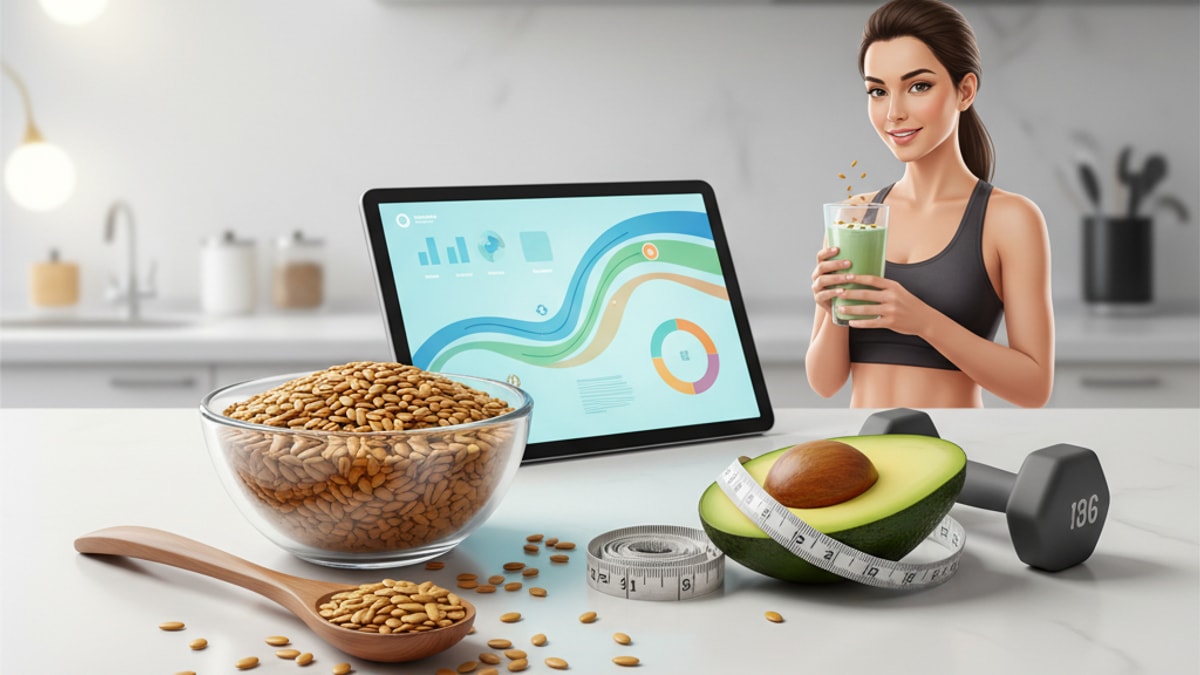
Will Flaxseed Help With Weight Loss? The Unflinching Truth
It's a question we hear all the time in different forms. People are constantly searching for that one ingredient, that simple dietary tweak that could unlock their weight loss journey. From exotic berries to ancient grains, the wellness world is a sprawling marketplace of promises. So when a humble, inexpensive seed like flax enters the conversation, it’s natural to be both hopeful and a little skeptical. Will flaxseed help with weight loss? It’s a simple question with a surprisingly nuanced answer.
Our team at TrimrX is grounded in biotechnology and medical science. We work with patients every single day, guiding them through comprehensive, medically-supervised weight loss programs that deliver real, sustainable results. So, when we look at a nutritional component like flaxseed, we don't see a miracle cure. We see a tool. A potentially powerful one, yes, but a tool nonetheless. And like any tool, its effectiveness depends entirely on how you use it within a larger, well-designed strategy. Let's break down what our experience and the hard data tell us.
First Things First: What Exactly Is This Tiny Seed?
Before we dive into its effects on weight, it’s important to understand what you’re actually consuming. Flaxseed, sometimes called linseed, is the seed of the flax plant. It's been cultivated for thousands of years, originally for producing linen fabric. But its nutritional prowess is what's kept it relevant.
Inside each tiny, glossy seed is a powerhouse trio of nutrients:
- Fiber: Flaxseed is loaded with it. Specifically, it contains both soluble and insoluble fiber. This distinction is critical, and we'll get into why in a moment.
- Omega-3 Fatty Acids: It's one of the richest plant-based sources of an omega-3 called alpha-linolenic acid (ALA). Your body can't produce this on its own, so you have to get it from food. It's a critical, non-negotiable element for reducing inflammation and supporting overall metabolic health.
- Lignans: These are powerful plant compounds with antioxidant properties. Flaxseed contains up to 800 times more lignans than other plant foods. That’s not a typo. 800 times.
It’s the synergy between these three components that gives flaxseed its formidable reputation. It isn't just one thing; it's the combination that creates a noticeable physiological effect.
The Real Science of Flaxseed and Weight Management
Alright, let’s connect the dots. How does a seed packed with fiber, healthy fats, and plant compounds actually influence the number on the scale? It’s not magic; it’s biochemistry. Our team has found that understanding these mechanisms is crucial for our patients to build sustainable habits.
It all comes down to a few key biological pathways. One of the most significant is satiety—the feeling of being full and satisfied. This is where that fiber content becomes the star of the show. The soluble fiber in flaxseed dissolves in water to form a gel-like substance in your gut. Think of it like a sponge. This gel physically slows down the emptying of your stomach. Food simply sticks around longer, which means you feel full for a longer period after a meal. This isn't just a feeling; it's a measurable physiological process that can dramatically reduce overall calorie intake without you feeling deprived. We’ve seen it work.
Then there's the blood sugar stabilization effect. When you eat a meal high in refined carbohydrates, your blood sugar can spike and then crash, leading to that all-too-familiar cycle of energy slumps and intense cravings for more sugar. It’s a catastrophic metabolic rollercoaster. The gel-like soluble fiber in flaxseed slows the absorption of sugar and fat into the bloodstream, blunting that spike. Instead of a sharp peak and valley, you get a gentle, rolling hill. This stable blood sugar level is paramount for managing cravings and maintaining consistent energy, making it far easier to stick to your nutrition plan. It’s a game-changer.
And we can't ignore the gut microbiome. Your gut is home to trillions of bacteria, and the balance of this internal ecosystem has a profound impact on everything from your mood to your metabolism. The fiber in flaxseed acts as a prebiotic, which is essentially food for your beneficial gut bacteria. A healthier, more diverse microbiome is linked to improved metabolic function, reduced inflammation, and even better regulation of fat storage. By feeding the good guys, you're creating an internal environment that is more conducive to weight loss.
How to Choose: Ground vs. Whole vs. Oil
This is a common point of confusion, and the choice you make has a massive impact on the benefits you receive. We can't stress this enough: your body can't effectively break down whole flaxseeds. They often pass through your digestive system intact, meaning you miss out on almost all of the valuable omega-3s and lignans locked inside. It’s like having a key to a treasure chest but never turning it.
Our professional recommendation is almost always ground flaxseed. Grinding the seeds breaks the tough outer shell and unlocks the nutrients, making them bioavailable. You can buy it pre-ground (often called flax meal) or buy whole seeds and grind them yourself in a coffee grinder for maximum freshness. The oil is a different story—it gives you a concentrated dose of the ALA omega-3s, but you lose out on all the fiber and the lignans. It’s good, but it’s not the complete package.
Here’s a quick breakdown our team put together to clarify the options:
| Form of Flaxseed | Primary Benefits | Key Drawbacks | Our Team's Take |
|---|---|---|---|
| Whole Flaxseeds | Some insoluble fiber benefits; long shelf life. | Poor nutrient absorption. Most of the omega-3s and lignans are not bioavailable. | Avoid for nutritional purposes. You're missing the point. |
| Ground Flaxseed (Flax Meal) | Excellent source of fiber, omega-3s (ALA), and lignans. All nutrients are bioavailable. | Shorter shelf life. Best stored in the fridge or freezer to prevent oxidation. | This is the gold standard. It delivers the full spectrum of benefits we've discussed. |
| Flaxseed Oil | Concentrated source of ALA omega-3s. Easy to add to dressings or smoothies. | Contains zero fiber and no lignans. Highly perishable and sensitive to heat. | A good supplement for ALA, but it doesn't offer the weight management benefits of the fiber. |
Simple, right? Go for ground.
Practical Ways to Weave Flaxseed into Your Life
Knowing the 'why' is great, but the 'how' is what gets results. Fortunately, incorporating ground flaxseed is incredibly easy. Its mild, nutty flavor is versatile and blends seamlessly into foods you’re probably already eating. You don't need a lot—one to two tablespoons per day is a fantastic starting point.
Here are some ideas we often share with our patients:
- Morning Smoothie Boost: Add a tablespoon to your protein shake or fruit smoothie. It will thicken it up and add a powerful punch of fiber and healthy fats that will keep you full until lunch.
- Yogurt & Oatmeal Upgrade: Stir it into Greek yogurt, cottage cheese, or your morning bowl of oatmeal. It adds a pleasant texture and turns a simple breakfast into a nutritional powerhouse.
- Smarter Baking: You can substitute some of the flour in recipes for muffins, pancakes, or breads with ground flaxseed. It adds moisture and nutrients. There's even a common vegan baking trick where you mix ground flaxseed with water to create a "flax egg" to use as a binder.
- A Sprinkle Here and There: Sprinkle it over salads, roasted vegetables, or into soups and stews. It's an effortless way to add a nutritional boost to almost any savory dish.
The key is consistency. Make it a simple, non-negotiable part of your daily routine, like brushing your teeth. That’s how you’ll see the cumulative benefits over time.
Flaxseed is a Tool, Not a Complete Toolbox
Now, this is where we need to be absolutely clear. While flaxseed is an excellent nutritional ally, it is not a weight loss miracle. Let's be honest, this is crucial. Sprinkling some flax on an otherwise poor diet of processed foods and sugar isn't going to move the needle. True, lasting weight loss is a multifaceted, often moving-target objective.
Our experience shows that success requires a holistic approach that addresses nutrition, physical activity, behavior, and—for many people—underlying biology. This is the core of what we do at TrimrX. We see so many people who are doing everything 'right'—they're eating clean, they're exercising, they're adding things like flaxseed—but the scale stubbornly refuses to budge. It's incredibly frustrating, and it's often not their fault.
This is frequently where metabolic and hormonal factors come into play. Your body has powerful systems in place to regulate weight, and sometimes those systems are working against you. This is precisely why medical advancements like GLP-1 medications (such as Semaglutide and Tirzepatide) have been so transformative. These treatments work with your body's own biology to regulate appetite, improve insulin sensitivity, and help reset your metabolic baseline. They address the root physiological barriers that diet and exercise alone can't always overcome.
So, think of flaxseed as one excellent component of your nutritional strategy. It supports the plan. But it isn't the entire plan. If you feel like you've built a solid foundation of healthy habits but are still struggling to see the results you deserve, it might be time to look deeper. It might be time to explore a solution that addresses the biology behind the battle. If you're curious about whether a medical approach could be the right next step for you, you can Take Quiz on our site to see if you're a candidate. It's a simple, confidential first step.
A Few Words of Caution
While flaxseed is generally very safe, there are a couple of things to keep in mind. Because of its high fiber content, it's a good idea to start with a small amount (like a teaspoon) and gradually increase your intake over a week or two. This gives your digestive system time to adapt. Jumping straight to two tablespoons might cause some bloating or gas.
And with all that fiber, you must drink plenty of water. The soluble fiber needs water to form its beneficial gel; without enough fluid, it can have the opposite effect and lead to constipation. So, as you increase your flaxseed, increase your water intake, too.
Finally, because flaxseed can have a mild effect on hormones and blood clotting, it's always a good idea to talk to your doctor before adding it to your routine if you're pregnant, breastfeeding, or on medications like blood thinners. It’s always better to be safe.
So, to come back to our original question: will flaxseed help with weight loss? Yes, it absolutely can. It's a scientifically-backed, nutritionally dense food that effectively supports weight management by promoting satiety, stabilizing blood sugar, and improving gut health. It's a fantastic tool to have in your toolbox. But sustainable success isn't about finding one magic tool; it's about building a comprehensive, personalized plan that works with your body, not against it. Whether that plan involves nutritional strategies alone or is enhanced by the support of modern medical treatments, the goal is the same: to build a healthier life. And for many, that journey requires a more powerful solution. If you're ready to see what that looks like, you can Start Your Treatment with us today.
Frequently Asked Questions
How much flaxseed should I take per day for weight loss?
▼
We generally recommend starting with one to two tablespoons of ground flaxseed per day. This amount provides a significant dose of fiber and omega-3s without overwhelming your digestive system. It’s best to start with a smaller amount and gradually increase it.
Is it better to consume flaxseed in the morning or at night?
▼
The timing doesn’t significantly impact its benefits for weight loss. Many people prefer it in the morning, mixed into oatmeal or a smoothie, as the high fiber content can help promote satiety throughout the day. The most important thing is consistency, so take it whenever it fits best into your routine.
Can I lose weight just by eating flaxseed without changing my diet?
▼
No, that’s highly unlikely. Flaxseed is a supportive tool, not a standalone solution. For effective and sustainable weight loss, it must be part of a comprehensive approach that includes a balanced diet, regular physical activity, and other healthy lifestyle habits.
Does flaxseed oil have the same weight loss benefits as ground flaxseed?
▼
No, it doesn’t. Flaxseed oil contains the beneficial ALA omega-3s, but it lacks the fiber, which is the primary component responsible for promoting fullness and stabilizing blood sugar. For weight management, ground flaxseed is the superior choice.
Will flaxseed help with belly fat specifically?
▼
There is no food that can ‘spot reduce’ fat from a specific area of the body. However, by supporting overall weight loss, improving gut health, and reducing inflammation, a diet including flaxseed can contribute to a reduction in visceral belly fat as part of your total body fat loss.
Is whole or ground flaxseed better?
▼
Ground flaxseed is significantly better. Your body cannot efficiently digest whole flaxseeds, meaning you won’t absorb the valuable omega-3 fatty acids and lignans inside. Always choose ground flaxseed to get the full nutritional benefits.
How long does it take to see results from taking flaxseed?
▼
The immediate effects, like increased satiety, can be felt after your first meal. However, longer-term benefits related to gut health and metabolic improvements build over weeks and months of consistent use as part of a healthy lifestyle.
Can I cook with ground flaxseed?
▼
Yes, you can. It’s a great addition to baked goods like muffins, bread, and pancakes. While some of the omega-3s may degrade slightly with very high heat, the fiber and lignans remain stable, so you’ll still get many of the benefits.
Do I need to store ground flaxseed in the refrigerator?
▼
Yes, we strongly recommend it. The healthy fats in ground flaxseed can go rancid when exposed to heat, light, and air. Storing it in an opaque, airtight container in the fridge or freezer preserves its freshness and nutritional value.
What happens if I eat too much flaxseed?
▼
Consuming too much, especially without enough water, can lead to digestive discomfort like bloating, gas, or constipation. It’s important to start with a small dose and increase it gradually to allow your body to adjust to the high fiber content.
Is flaxseed a good fit with medical weight loss programs like those using Semaglutide?
▼
Absolutely. Flaxseed is a fantastic nutritional complement to medical weight loss treatments. While medications like Semaglutide address the biological drivers of weight, a high-fiber food like flaxseed supports healthy digestion and provides essential nutrients, creating a more holistic and successful outcome.
Can flaxseed interfere with my medications?
▼
Because of its high fiber content, it can potentially slow the absorption of some oral medications. It’s also known to have mild blood-thinning effects. We always advise speaking with your doctor before adding it to your regimen, especially if you are on any prescription medications.

Transforming Lives, One Step at a Time
Keep reading

Obesity and Low Testosterone
**Can obesity cause low testosterone?** Yes. Obesity can lower testosterone, and the relationship often runs in both directions.

Top 6 Best Weight Loss Medications in 2026
Prescription weight loss medication has gone mainstream. What was once a quiet corner of obesity medicine is now one of the most talked-about categories…

Top 8 Best Telehealth for Weight Loss in 2026
Finding the best telehealth for weight loss used to be a time-consuming process that involved hours of research, murky pricing pages, and a fair…


