Are Chickpeas Healthy for Weight Loss? The Unfiltered Truth
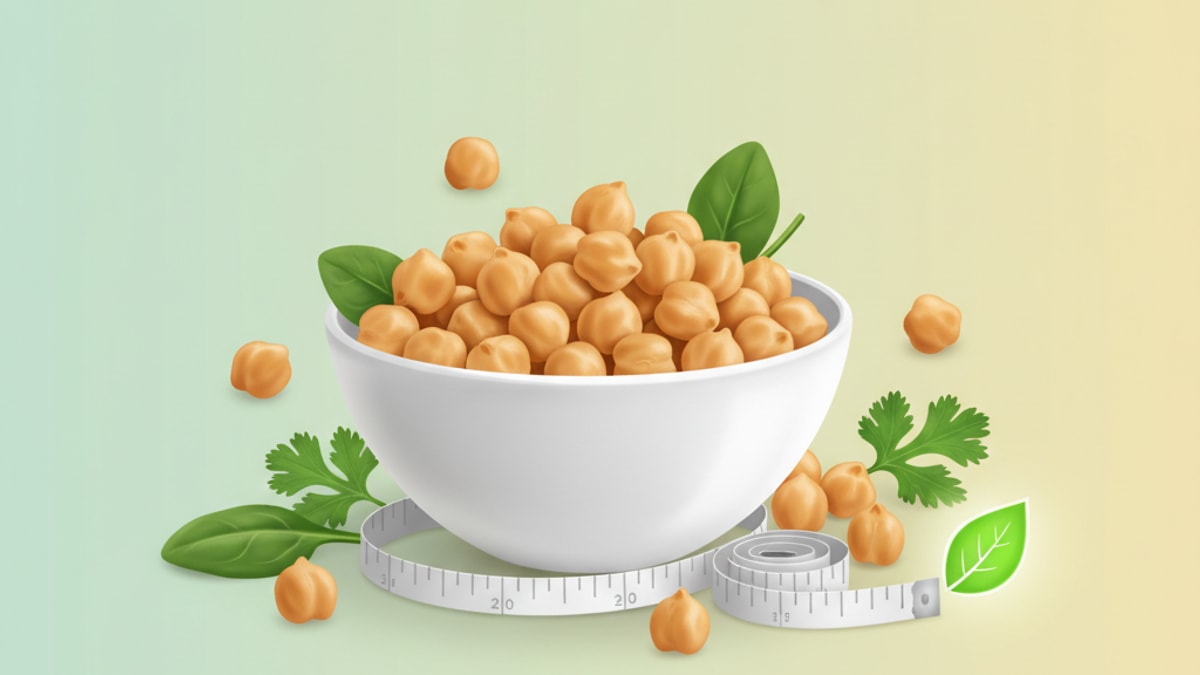
Are Chickpeas Healthy for Weight Loss? The Real Story
Let's cut right to it. You've heard the buzz. You've seen chickpeas, in all their humble glory, touted as a superfood for shedding pounds. They're in salads, they're roasted into crunchy snacks, they're whipped into creamy hummus. But in a world overflowing with wellness trends and conflicting advice, a healthy dose of skepticism is, well, healthy. So, the real question is: are chickpeas healthy for weight loss, or is this just another fad?
As a team dedicated to the science of sustainable weight management, we've guided countless individuals through the complexities of nutrition. We work with powerful medical tools like GLP-1 medications, but we know—and we can't stress this enough—that long-term success is built on a foundation of smart, strategic eating. Food isn't just fuel; it's information for your body. And chickpeas send some pretty powerful signals. We're here to break down exactly what those signals are, separate the science from the noise, and give you the unfiltered truth about this incredibly versatile legume.
The Nutritional Powerhouse: What's Inside a Chickpea?
Before we can talk about weight loss, we have to understand what we're working with. A chickpea isn't just a beige little blob. It's a meticulously packed parcel of nutrition, and its composition is almost perfectly designed to support weight management goals. It’s not magic. It's science.
First up, we have the macronutrient trifecta: protein, fiber, and complex carbohydrates. This isn't just a random assortment; it's a synergistic team that works together to regulate appetite and energy. A single cup of cooked chickpeas delivers around 15 grams of plant-based protein and a whopping 12-13 grams of dietary fiber. That's nearly half the daily recommended fiber intake for many adults in one go.
Why does this matter so much? Let's break it down.
- Plant-Based Protein: Protein is the undisputed champion of satiety—the feeling of fullness and satisfaction after a meal. It takes longer to digest than simple carbs and has been shown to influence the hormones that control hunger, like ghrelin. When you feel full and satisfied, you're far less likely to reach for high-calorie, low-nutrient snacks between meals. It’s a simple equation our clinical team sees proven time and again.
- Dietary Fiber: This is protein's partner in crime. Chickpeas are rich in soluble fiber, which forms a gel-like substance in your digestive tract. This process physically slows down digestion, which accomplishes two critical things. First, it keeps you feeling full for an extended period. Second, it promotes a more gradual release of sugar into the bloodstream, preventing the dreaded energy spikes and crashes.
- Complex Carbohydrates: The word 'carbs' has been unfairly villainized. The reality is, your body needs carbohydrates for energy. The key is the type of carb. Unlike the simple carbs found in white bread or sugary drinks that cause rapid blood sugar fluctuations, the complex carbs in chickpeas are digested slowly. This provides a steady, reliable stream of energy, fueling your day without triggering cravings for a quick sugar fix.
Beyond the macros, chickpeas are also loaded with essential micronutrients like iron, magnesium, folate, and phosphorus. These are crucial for overall metabolic health, energy production, and cellular function. When your body is properly nourished at a cellular level, every system—including the one that regulates your weight—simply works better.
The Satiety Secret: How Protein and Fiber Keep You Full
We've touched on satiety, but it’s so critical to this conversation that it deserves a deeper look. One of the biggest, most formidable hurdles in any weight loss journey is managing hunger and cravings. It's a biological battle. Your body is wired for survival, and when you're in a calorie deficit, it can send out powerful signals to eat.
This is precisely where chickpeas become such a strategic asset.
The combination of protein and fiber is a one-two punch against hunger. Our experience shows that when patients incorporate foods like chickpeas into their meals, they report a significant, sometimes dramatic shift in their ability to manage their appetite. They're not just 'white-knuckling' it until their next meal; they genuinely feel less hungry. This makes adhering to a nutrition plan feel less like a punishment and more like a sustainable lifestyle.
Think about it this way: imagine you eat a 200-calorie snack of pretzels. It's mostly refined carbohydrates. You'll get a quick burst of energy, your blood sugar will spike, and then it will crash. Within an hour, you're probably hungry again, and likely craving more of the same. Now, imagine a 200-calorie snack of roasted chickpeas. The protein and fiber slow everything down. Digestion is gradual. Energy release is stable. You might feel comfortably full for hours. That's the difference between empty calories and nutrient-dense calories. One works against your goals, the other actively works for them.
Blood Sugar Stability: The Glycemic Index Advantage
Now, this is where it gets really interesting, especially from our perspective in the medical weight loss field. Many of our patients are working to improve their metabolic health, and a huge part of that is managing blood sugar and insulin response. Foods that cause rapid spikes in blood glucose can, over time, contribute to insulin resistance, a condition that makes weight loss incredibly difficult.
Chickpeas have a low glycemic index (GI), typically around 28. The GI is a scale from 0 to 100 that ranks foods based on how quickly they raise blood sugar levels. A score of 28 is very low. For comparison, white bread is around 75, and a baked potato can be over 80.
This low GI is a direct result of that amazing fiber and protein content. By slowing the absorption of carbohydrates, chickpeas prevent the sharp, jarring insulin surge that follows a high-GI meal. Why is this a monumental win for weight loss?
- Reduced Fat Storage: Insulin is a primary fat-storage hormone. When insulin levels are consistently high, it signals your body to store excess energy as fat. By keeping blood sugar and insulin levels stable, you create a physiological environment that is more conducive to burning fat for energy.
- Fewer Cravings: The blood sugar rollercoaster—spike, crash, repeat—is a major driver of cravings for sugar and refined carbs. It's your body's desperate attempt to bring its glucose levels back up. By stepping off that rollercoaster, you can dramatically reduce those intense, hard-to-ignore cravings.
- Sustained Energy: Stable blood sugar means stable energy levels. You avoid the mid-afternoon slump that sends so many people running for the vending machine or the coffee shop for a sugary latte. Consistent energy makes it easier to stay active and make healthier choices throughout the day.
For anyone on a weight loss journey, but especially for individuals managing conditions like pre-diabetes or PCOS, incorporating low-GI foods like chickpeas is a non-negotiable strategy. It’s a foundational piece of the puzzle.
Calories and Portions: A Reality Check
Alright, let's be honest. For all their benefits, chickpeas aren't calorie-free. A cup of cooked chickpeas contains about 270 calories. It's a nutrient-dense food, not a 'free' food. This is where mindfulness and portion control become paramount. We’ve seen it happen: someone learns that a food is 'healthy' and proceeds to eat it in unlimited quantities, which can easily sabotage their progress.
The goal is to use chickpeas as a tool for displacement. You're not just adding chickpeas to your existing diet; you're substituting them for less nutritious, higher-calorie options. That's the key.
Let’s look at a practical comparison to see how this plays out.
| Food Item | Serving Size | Calories (Approx.) | Protein (g) | Fiber (g) | Primary Benefit for Weight Loss |
|---|---|---|---|---|---|
| Chickpeas | 1/2 cup, cooked | 135 | 7.5 | 6 | High satiety, stable blood sugar, nutrient-dense |
| Potato Chips | 1 oz (about 15 chips) | 160 | 2 | 1 | Minimal; provides crunch but few nutrients |
| Pretzels | 1 oz | 110 | 3 | 1 | Low fat, but high in refined carbs, low satiety |
| Almonds | 1/4 cup | 205 | 7.5 | 4.5 | Healthy fats, good protein, but calorie-dense |
As you can see, on a calorie-for-calorie basis, chickpeas offer a superior package of hunger-fighting protein and fiber compared to typical snack foods. They even rival nuts in protein and fiber but with significantly fewer calories for a similar feeling of fullness.
Practical Ways to Eat Chickpeas for Weight Loss
Knowing chickpeas are healthy is one thing. Knowing how to integrate them into your daily life in delicious, sustainable ways is another. Our team always emphasizes practicality. A perfect diet plan is useless if you don't enjoy it or find it too complicated. Fortunately, chickpeas are incredibly versatile.
The Ultimate Snack Swap: Roasted Chickpeas
This is our number one recommendation for clients struggling with a craving for crunchy, salty snacks. It's ridiculously simple. Drain and rinse a can of chickpeas, pat them completely dry (this is crucial for crispiness), toss with a teaspoon of olive oil and your favorite spices (smoked paprika, garlic powder, and cumin are fantastic), and roast at 400°F (200°C) for 20-30 minutes until golden and crunchy. They satisfy the craving for chips or crackers but with a massive nutritional upgrade.
Reinvent Your Lunch: The Salad Power-Up
A simple green salad for lunch can often leave you feeling hungry an hour later. Adding a half-cup of chickpeas completely changes the equation. It transforms a light side dish into a substantial, satisfying meal that will carry you through the afternoon. The added protein and fiber make the salad more balanced and far more effective at keeping you full. It's a small change with a huge impact.
Smarter Dipping: Hummus with Veggies
Hummus is a gift. It's creamy, flavorful, and made from our star ingredient. But—and this is a big but—the vehicle for the hummus matters. Dipping pita bread or chips can quickly add hundreds of calories from refined carbs. The pro move? Use crunchy vegetables like cucumber slices, bell pepper strips, carrots, or celery sticks as your dippers. You get the deliciousness of the hummus plus extra fiber, vitamins, and hydration from the veggies. Portion your hummus to about 2-4 tablespoons per serving.
Bulk Up Your Meals: Soups, Stews, and Curries
Looking to make your meals more filling without adding a ton of extra calories or meat? Chickpeas are the answer. Tossing a can into a vegetable soup, a chili, or a coconut curry adds incredible texture and substance. The fiber and protein help make the entire dish more satiating, allowing you to feel satisfied with a smaller portion size. This is a fantastic strategy for managing calorie intake without feeling deprived.
The Potential Downsides (And How to Navigate Them)
No food is perfect for everyone, and it's important to be aware of the potential pitfalls.
- Canned vs. Dried: Canned chickpeas are incredibly convenient, but they are often packed with added sodium. This can lead to water retention and bloating, which can be discouraging when you're trying to lose weight. The fix is simple: always buy 'no salt added' versions if possible, and always rinse canned chickpeas thoroughly under running water before using them. This can remove up to 40% of the sodium.
- Portion Distortion: We've said it before, but it bears repeating. It is possible to have too much of a good thing. A tub of hummus eaten with a whole bag of pita chips is not a weight-loss-friendly snack. Be mindful of your portions. Use measuring cups for a few days to get a feel for what a proper serving looks like.
- Digestive Woes: For some people, a sudden, large increase in fiber can cause gas and bloating. If you're not used to eating a lot of fiber-rich foods, introduce chickpeas gradually. Start with a small serving of a quarter-cup and see how your body responds before scaling up.
Chickpeas and a Modern, Medically-Supervised Plan
Here at TrimrX, we see the complete picture of weight loss. We leverage cutting-edge, FDA-registered GLP-1 medications like Semaglutide and Tirzepatide, which are revolutionary tools for regulating appetite and improving metabolic function. But we are unflinching in our belief that medication is one part of a much larger, holistic strategy.
This is where foods like chickpeas become so incredibly important. They are the perfect complement to a medically-supervised program.
While a GLP-1 medication works on a hormonal level to reduce hunger and increase feelings of fullness, your body still needs high-quality nutrition. The goal isn't just to eat less; it's to eat better. Filling your smaller meals with nutrient-dense, high-satiety foods like chickpeas ensures that you're nourishing your body, preserving muscle mass, and building healthy habits that will last a lifetime. The medication opens a window of opportunity by controlling the overwhelming biological drive to eat, and your nutritional choices determine the quality of your results during that time.
Our clinical team works with patients to build a nutritional framework that supports their journey. We don't hand out restrictive, one-size-fits-all diet plans. Instead, we teach principles—like prioritizing protein and fiber, choosing low-glycemic carbs, and focusing on whole foods. Chickpeas check every single one of those boxes. They are a perfect example of a food that works synergistically with modern medical treatments to produce sustainable, life-changing results. If you're exploring how this powerful combination could work for you, we encourage you to Start Your Treatment and see how a comprehensive approach can make all the difference.
So, are chickpeas healthy for weight loss? The answer is an emphatic, science-backed yes. They are not a magic pill, but they are an exceptionally powerful tool. When used correctly as part of a balanced, calorie-controlled diet, their unique combination of protein, fiber, and low-GI carbohydrates can significantly enhance satiety, stabilize blood sugar, and support your overall metabolic health. They are a humble, affordable, and delicious ally in the journey toward a healthier you.
Frequently Asked Questions
Are canned chickpeas as healthy as dried ones for weight loss?
▼
Yes, nutritionally they are very similar. The main difference is that canned chickpeas often contain added sodium. To make them just as healthy, we recommend buying ‘no salt added’ versions or rinsing them thoroughly before use to wash away excess salt.
How many chickpeas should I eat in a day for weight loss?
▼
A good starting point is a 1/2-cup to 1-cup serving per day. This provides significant protein and fiber without excessive calories. The key is to incorporate them into a balanced diet, not eat them exclusively.
Can eating too many chickpeas make you gain weight?
▼
Absolutely. Any food, even a healthy one, can contribute to weight gain if eaten in excess of your body’s calorie needs. It’s crucial to practice portion control and be mindful of your total daily intake.
Is hummus a good choice for weight loss?
▼
Hummus can be excellent for weight loss, provided you’re mindful of the portion size (stick to 2-4 tablespoons) and what you dip in it. We recommend swapping pita chips for fresh vegetables like bell peppers, cucumbers, and carrots.
Do chickpeas specifically help reduce belly fat?
▼
No single food can target fat in one specific area of the body. However, the high fiber and protein in chickpeas support overall weight loss by promoting fullness and stable blood sugar, which contributes to a reduction in total body fat, including from the abdominal area.
Are chickpeas considered a carbohydrate or a protein?
▼
They are both! Chickpeas are a fantastic source of complex carbohydrates for energy and also contain a significant amount of plant-based protein. This balanced macronutrient profile is what makes them so beneficial.
Is it okay to eat chickpeas every day?
▼
For most people, yes, it’s perfectly fine to eat chickpeas daily as part of a varied diet. A diverse intake of different foods is always best, so we’d recommend rotating them with other legumes like lentils and black beans.
What’s the best way to prepare chickpeas for weight loss?
▼
The best methods are those that don’t add a lot of extra fat or sugar. We recommend roasting them with spices for a crunchy snack, adding them to salads, or blending them into hummus. Avoid deep-frying them (like in some falafel preparations).
Can chickpeas cause bloating or gas?
▼
Yes, due to their high fiber content, they can cause some digestive discomfort for people not used to it. We suggest introducing them into your diet slowly, starting with a small portion, and ensuring you drink plenty of water.
How do chickpeas fit into a weight loss plan that includes GLP-1 medication?
▼
They fit perfectly. GLP-1 medications like Semaglutide help control appetite, creating an opportunity to build better eating habits. Nutrient-dense, high-satiety foods like chickpeas are ideal for nourishing your body and promoting fullness within this new framework.
Are chickpeas suitable for a low-carb diet like keto?
▼
Generally, no. While they are lower on the glycemic index, chickpeas still contain a significant amount of carbohydrates, which makes them unsuitable for a very strict low-carb or ketogenic diet. They are, however, excellent for more balanced, moderate-carb plans.
Do chickpeas help with cravings for junk food?
▼
Yes, they can be a powerful tool against cravings. Their combination of protein and fiber helps stabilize blood sugar, preventing the crashes that often trigger intense cravings for sugary or high-carb snacks. Roasted chickpeas can also satisfy a craving for something crunchy and salty.

Transforming Lives, One Step at a Time
Keep reading
Top 5 Best Weight Loss Programs for Beginners in 2026
Starting a weight loss journey means sorting through GLP-1 medication ads, apps that gamify your groceries, and online weight management programs promising a doctor…

What to Do With a Full Pantry You No Longer Eat From
Sort it into three piles rather than clearing it all out: donate, keep, and discard. The mistake most people make is emptying the whole…

How to Handle a Business Dinner When the Client Orders for the Table
This is the one dining situation where your usual tools do not work. You cannot order a starter as your main, cannot ask for…


