Are Green Peas Your Secret Weapon for Weight Loss?
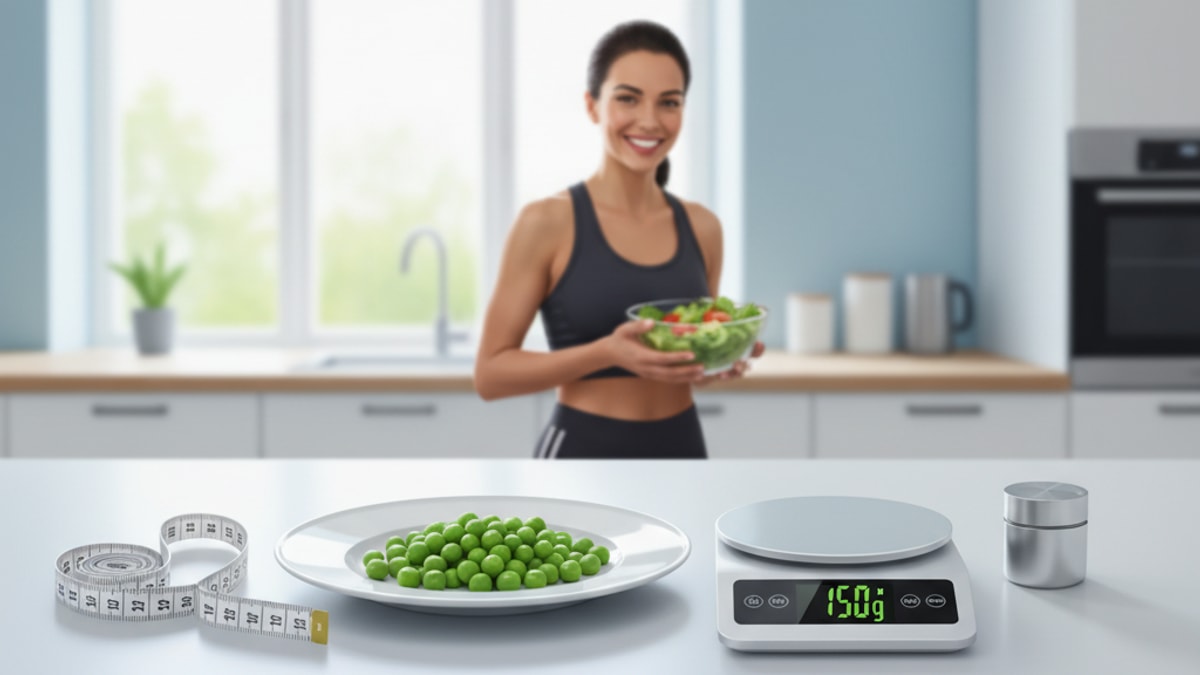
In the sprawling world of nutrition and weight loss, it’s easy to get caught up in the chase for the next exotic superfood. We've seen it all—acai berries, goji berries, chia seeds, you name it. But our team has found that sometimes the most profound and sustainable results come from rediscovering the power of foods that have been on our plates all along. Foods that are simple, accessible, and, frankly, underestimated.
Enter the humble green pea. Yes, that little green sphere you might push around your plate. We’re here to tell you that it's time to give it a second look. A much closer look. Because when we’re asked, 'are green peas good for weight loss?' our answer, based on a deep dive into the nutritional science, is a resounding yes. They aren't just filler; they're a formidable tool in a well-structured weight management plan. Here at TrimrX, where we focus on the biology of weight loss, from foundational dietary habits to medically-supervised treatments like Semaglutide, we believe in an evidence-based approach. So, let’s unpack the real science behind this unassuming vegetable.
The Nutritional Powerhouse Hiding in Plain Sight
Before we can talk about weight loss, we have to talk about what’s actually in a green pea. It’s not just green water and sugar, which is a common misconception. Not even close. A single cup of cooked green peas contains a surprisingly robust nutritional profile that directly supports a leaner, healthier body composition.
Let's break it down. That one cup gives you:
- Protein: Around 8-9 grams. This is significant for a vegetable. It’s a plant-based protein that contributes to muscle maintenance and satiety. We'll get more into why that's a critical, non-negotiable element for effective fat loss later.
- Fiber: Also about 8-9 grams. That’s more than a third of the daily recommended intake for many people. This isn't just any fiber; it's a potent mix of soluble and insoluble types that work wonders for your digestive system and your appetite.
- Calories: Only about 135 calories. This is what we call low calorie density. You get a lot of volume and nutritional bang for a very reasonable caloric buck. Simple, right?
- Vitamins & Minerals: They’re also packed with essential micronutrients. You'll find impressive amounts of Vitamin K (crucial for bone health), Vitamin C (an antioxidant powerhouse), Vitamin A, folate, and manganese. These nutrients support your overall metabolic function, ensuring your body is running efficiently as you lose weight.
So right off the bat, we're not looking at an empty food. We're looking at a nutrient-dense, low-calorie, high-fiber, and high-protein vegetable. From our professional experience at TrimrX, this combination is the gold standard for a weight-loss-friendly food. It checks all the right boxes.
How Green Peas Directly Fuel Your Weight Loss Goals
Okay, so they’re nutritious. But how does that translate into actual pounds lost? This is where the magic happens, and it’s all about a few key biological mechanisms.
First, let's talk about satiety. It's the feeling of being full and satisfied after a meal. This is arguably the biggest hurdle in any weight loss journey. Constant hunger and cravings can derail even the most motivated person. The one-two punch of protein and fiber in green peas is incredibly effective at promoting satiety. Fiber swells in your stomach, physically taking up space and slowing down digestion. This sends signals to your brain that you're full. Protein triggers the release of appetite-suppressing hormones. The result? You feel fuller for longer, you’re less likely to snack between meals, and you naturally consume fewer calories throughout the day.
We've seen it work. Clients who strategically add high-fiber, high-protein foods to their meals report a dramatic shift in their ability to manage hunger. It’s not about willpower; it’s about working with your body’s chemistry.
Then there’s the metabolic advantage of protein. When you're in a calorie deficit to lose weight, your body doesn't just burn fat. It can also break down muscle tissue for energy. This is catastrophic for your metabolism because muscle is metabolically active tissue—it burns calories even at rest. The more muscle you lose, the slower your metabolism becomes, making further weight loss harder and weight regain more likely. The ample protein in green peas helps protect your precious muscle mass, ensuring that the weight you lose is primarily fat. This is a concept we can't stress enough in our programs.
And let’s not forget about blood sugar. The high fiber content in peas slows the absorption of sugar into your bloodstream, preventing the sharp spikes and subsequent crashes in blood glucose that lead to energy slumps and intense cravings for more sugar. Stable blood sugar is the bedrock of sustainable weight management. It keeps your energy levels even and your hunger in check. Honestly, though, this is where a holistic approach becomes vital. Foods like peas lay the groundwork, and for those who need more support, advanced treatments can build upon that foundation.
Green Peas vs. Other Legumes: A Weight Loss Comparison
It’s helpful to see how green peas stack up against their cousins in the legume family. While all are healthy choices, they have nuanced differences that might make one a better fit for your specific goals. Here’s a quick comparison our team put together, based on a standard one-cup cooked serving.
| Feature | Green Peas | Chickpeas (Garbanzo) | Lentils | Black Beans |
|---|---|---|---|---|
| Calories | ~135 kcal | ~269 kcal | ~230 kcal | ~227 kcal |
| Protein | ~9 g | ~15 g | ~18 g | ~15 g |
| Fiber | ~9 g | ~13 g | ~16 g | ~15 g |
| Net Carbs | ~16 g | ~32 g | ~24 g | ~25 g |
| Our Team's Take | Excellent for volume eating. Lowest in calories and carbs, making them incredibly versatile for filling out a plate without a heavy caloric load. | Great for satiety. Higher in protein and fiber but also calories. Perfect for making meals like curries or salads incredibly filling. | Protein powerhouse. The winner for plant-based protein content. Ideal for muscle maintenance and as a meat substitute. | Fiber champion. A fantastic, balanced option with high fiber for digestive health and stable energy levels. |
As you can see, green peas truly shine in their low-calorie and lower-carb profile. This makes them exceptionally easy to add to almost any meal—a scoop in your salad, mixed with brown rice, or blended into a soup—without having to meticulously recalculate your entire day's macros. They offer a unique balance that's hard to beat for sheer versatility in a calorie-controlled diet.
The Glycemic Index and Why It's a Game-Changer
Let's go a little deeper on the blood sugar topic. We mentioned it before, but it's worth its own section because it’s that important. Green peas have a very low glycemic index (GI), typically ranking around 45-50 (anything under 55 is considered low). The glycemic index is a measure of how quickly a food causes your blood sugar levels to rise.
Why does this matter so much for weight loss?
High-GI foods (like white bread, sugary snacks, and potatoes) cause a rapid surge in blood sugar. Your pancreas then releases a flood of insulin to shuttle that sugar out of your blood and into your cells. This insulin rush is a powerful signal to your body to stop burning fat and start storing it. What follows is the infamous 'crash'—your blood sugar plummets, leaving you tired, irritable, and craving more high-GI foods to bring it back up. It’s a vicious cycle that leads to overeating and fat storage.
Low-GI foods like green peas do the opposite. They release glucose into the bloodstream slowly and steadily. This requires only a modest, controlled insulin response. Your body remains in a fat-burning state for longer, your energy levels stay stable, and you don't experience those wild cravings. You stay in control.
This is the exact principle that makes modern weight loss medications so effective. Here at TrimrX, our medically-supervised programs often utilize GLP-1 agonists like Semaglutide and Tirzepatide. These treatments work, in part, by helping to regulate the body's insulin response and slowing gastric emptying—achieving on a powerful, clinical level what low-GI foods like green peas do on a nutritional level. Combining a diet rich in low-GI foods with such a treatment creates a powerful synergistic effect, making the weight loss journey smoother and much more sustainable.
Debunking the Myths: What About Anti-Nutrients?
Now, you may have heard some chatter online about 'anti-nutrients' in legumes, including peas. The main culprits mentioned are lectins and phytic acid, compounds that can potentially interfere with the absorption of certain minerals. Let’s be honest, this is a topic that has been blown way out of proportion.
Our team has looked at the research extensively. Here’s the reality. First, the levels of these compounds in green peas are relatively low compared to other raw, dry beans. Second—and this is the critical point—cooking virtually eliminates their effects. Soaking, sprouting, and cooking all drastically reduce the presence of lectins and phytic acid to negligible levels. Unless you are planning on eating massive quantities of raw green peas (which we absolutely don't recommend), this is a non-issue for the vast majority of people. The immense nutritional benefits of fiber, protein, vitamins, and minerals far, far outweigh any theoretical risk from these compounds.
Don't let fear-mongering about anti-nutrients scare you away from one of nature's most effective weight loss aids.
Practical, Delicious Ways to Eat More Green Peas
So, you’re convinced. How do you get more of these little green gems into your diet without it feeling boring? The key is to think beyond simply boiling them as a side dish.
We recommend keeping a big bag of frozen peas on hand at all times. They're picked and flash-frozen at peak ripeness, which often means they retain more nutrients than the 'fresh' peas that have been sitting on a truck and then a grocery shelf for a week. They are also incredibly convenient.
Here are some of our team's favorite ways to use them:
- Crispy Roasted Peas: This is a game-changer. Toss frozen (or thawed) peas with a tiny bit of olive oil, salt, pepper, and maybe some garlic powder or paprika. Roast them in a hot oven (around 400°F / 200°C) until they’re crispy and slightly browned. They become a crunchy, savory snack that completely satisfies a craving for chips.
- Creamy Pea Soup: Sauté some onion and garlic, add vegetable broth and a few cups of frozen peas. Simmer until tender, then blend until smooth. You can use a bit of Greek yogurt instead of heavy cream for a creamy texture without the fat. It's a filling, low-calorie lunch.
- Mash 'em Up: Instead of high-calorie mashed potatoes, try mashed peas. Briefly cook them and then mash with a fork, a little mint, lemon juice, and a pinch of salt. It's a fantastic, vibrant side for fish or chicken.
- The Ultimate Filler: This is the easiest trick in the book. Add a cup of peas to literally anything you're already making. Stir-fries, pasta sauces, curries, fried rice, omelets, casseroles, and salads. It instantly boosts the fiber and protein content, making the entire meal more filling and nutritious with minimal effort.
A Holistic Strategy: Where Peas Fit into the Bigger Picture
We've spent a lot of time highlighting the benefits of green peas. And they are all true. But we need to be unflinchingly clear about one thing: no single food, no matter how perfect its nutritional profile, is a magic bullet for weight loss.
Sustainable, long-term success isn't about finding one secret ingredient. It’s about building a comprehensive system that works for your body and your life. This system includes a balanced diet, regular physical activity, stress management, adequate sleep, and, for many people, medical support to address the underlying biological factors that make weight loss so challenging.
This is the core philosophy behind our work at TrimrX. We see foods like green peas as essential building blocks—foundational tools that support the larger structure of your health journey. They help you manage hunger, stabilize your energy, and nourish your body while you're in a calorie deficit. But they work best as part of a cohesive plan.
For individuals who have struggled with yo-yo dieting or find that diet and exercise alone aren't enough to overcome their body's resistance to weight loss, a medically-supervised approach can be the missing piece. Our programs are designed to work with your body's hormonal and metabolic systems, not against them. The GLP-1 treatments we use help regulate appetite and blood sugar on a physiological level, which makes adhering to a healthy eating plan filled with foods like green peas feel natural and effortless, rather than a constant battle of willpower.
Think of it this way: a great diet provides the right fuel. Medical treatments can fine-tune the engine. When you combine them, you get truly remarkable, life-changing results. If you're tired of the struggle and feel ready to explore a more powerful, science-backed path, we're here to help. You can learn more about your options and even Start Your Treatment by taking a simple quiz on our site.
So, are green peas good for weight loss? Absolutely. They are an affordable, accessible, and incredibly effective food to have in your nutritional arsenal. They support satiety, protect muscle mass, and stabilize your blood sugar. Embrace them. Make them a regular part of your diet. But see them for what they are: one crucial component of a broader, smarter strategy for achieving and maintaining a healthy weight for life.
Frequently Asked Questions
How many green peas should I eat for weight loss?
▼
There’s no magic number, but a serving of one-half to one full cup is a great addition to a meal. This amount provides a significant boost of fiber and protein to help with satiety without adding excessive calories, making it easier to stick to your overall diet.
Are frozen peas just as healthy as fresh peas?
▼
Yes, and sometimes they’re even healthier. Our team often recommends frozen peas because they are flash-frozen at peak ripeness, which locks in their vitamins and minerals. ‘Fresh’ peas can lose nutrients during transportation and storage.
Can green peas cause bloating or gas?
▼
For some people, the high fiber content can cause temporary bloating, especially if you’re not used to it. We suggest gradually increasing your intake to allow your digestive system to adapt. Drinking plenty of water can also help mitigate this effect.
Are split peas the same as green peas for weight loss?
▼
Split peas are mature green peas that have been dried, peeled, and split. They are nutritionally similar and also excellent for weight loss, though they are higher in calories and protein per serving. They are typically used in soups and dals rather than eaten whole.
Do peas have too much sugar for a weight loss diet?
▼
While peas do contain natural sugars, they are not ‘sugary’ in a detrimental way. The extremely high fiber content ensures the sugar is absorbed very slowly, preventing blood sugar spikes. Their low glycemic index makes them a fantastic choice for a weight loss diet.
Can I eat green peas on a keto diet?
▼
Generally, green peas are considered too high in carbohydrates for a strict ketogenic diet. A single cup contains around 16 grams of net carbs, which can take up a significant portion of the daily carb limit (typically 20-50g) on keto.
What’s the best way to cook peas to preserve their nutrients?
▼
Steaming or light stir-frying are the best methods. Over-boiling peas can cause water-soluble vitamins, like Vitamin C, to leach out into the water. Roasting is also a great option that concentrates their flavor without significant nutrient loss.
Is pea protein powder a good substitute for whole peas?
▼
Pea protein powder is an excellent, concentrated source of protein and can be a great tool for weight loss, especially in smoothies. However, it lacks the fiber and micronutrients of whole peas. We recommend using both for a balanced approach.
Do green peas specifically help with belly fat?
▼
No single food can target fat in one specific area of the body. However, the high protein and fiber in green peas contribute to overall fat loss, which will include belly fat. Their role in stabilizing blood sugar and insulin is also crucial for managing abdominal fat storage.
How do peas compare to other green vegetables like broccoli for weight loss?
▼
Broccoli is lower in calories and carbs but also much lower in protein. Peas offer a unique combination of being a starchy vegetable that is also high in protein and fiber, making them more filling than many other green vegetables. Both are excellent choices to include in your diet.
Will eating too many green peas make me gain weight?
▼
It’s highly unlikely. Because they are so filling and relatively low in calories, you would have to eat a very large quantity to consume enough calories to cause weight gain. Like any food, moderation is key, but they are a very safe and effective weight loss food.
Can I use peas as my primary protein source?
▼
While peas provide a good amount of protein, they are an incomplete protein, meaning they don’t contain all nine essential amino acids. To use them as a primary source, we recommend pairing them with a grain like brown rice to form a complete protein.

Transforming Lives, One Step at a Time
Keep reading

Obesity and Low Testosterone
**Can obesity cause low testosterone?** Yes. Obesity can lower testosterone, and the relationship often runs in both directions.

Top 6 Best Weight Loss Medications in 2026
Prescription weight loss medication has gone mainstream. What was once a quiet corner of obesity medicine is now one of the most talked-about categories…

Top 8 Best Telehealth for Weight Loss in 2026
Finding the best telehealth for weight loss used to be a time-consuming process that involved hours of research, murky pricing pages, and a fair…


