Are Dried Cranberries Good for Weight Loss? Our Team Explains.
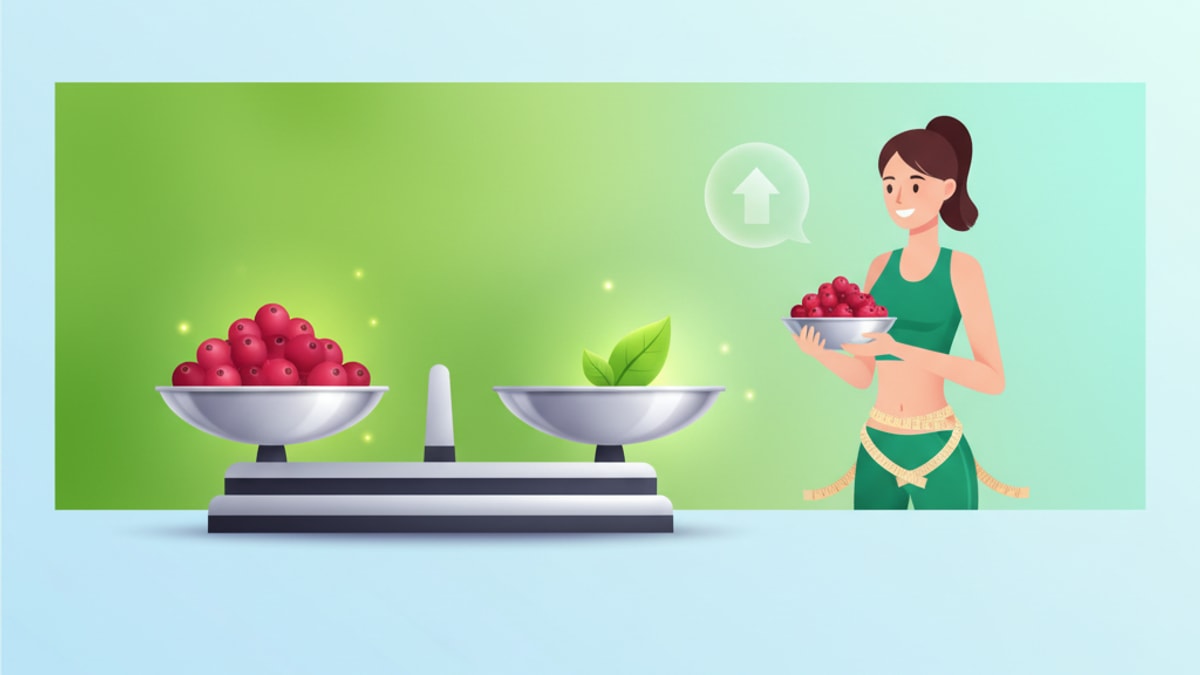
It’s a scenario our team sees play out constantly. You’re at the grocery store, making a conscious effort to choose healthier options. You bypass the cookies and chips, heading for the nuts and dried fruit aisle. Your hand hovers over a bag of glistening, ruby-red dried cranberries. It’s fruit, right? It has to be a good choice for your weight loss goals. It feels virtuous, like a smart swap for candy.
But here's where the story gets complicated, and it's a conversation we have frequently with patients in our medically-supervised weight loss programs. The question—are dried cranberries good for weight loss?—isn't a simple yes or no. The answer is deeply nuanced and gets to the very heart of understanding how your body processes food, manages blood sugar, and regulates hunger. It’s about metabolic health, not just calorie counting. And honestly, that’s where our expertise at TrimrX truly lies. We're here to look past the health halo and give you the unvarnished, science-backed truth.
The Deceptive Allure of the 'Healthy' Snack
Let’s be honest, the marketing is brilliant. Dried cranberries are often packaged alongside wholesome nuts and seeds, featured in trail mixes labeled 'Energy' or 'Heart Healthy,' and sprinkled liberally on salads in health-conscious cafes. They carry the positive association of their fresh counterparts, which are lauded for their antioxidant content and benefits for urinary tract health. This creates a powerful—and often misleading—perception that they are an unequivocally good-for-you snack.
We've found that this belief is one of the most common dietary missteps people make when trying to manage their weight on their own. It stems from a logical, yet flawed, assumption: fruit is healthy, therefore dried fruit is healthy. The problem is that the drying process fundamentally transforms the food. It's not just water that's removed; it's a process of intense concentration. The natural sugars become densely packed into a much smaller, less filling package. It's a significant, sometimes dramatic shift in the food's nutritional profile and, more importantly, its metabolic effect on your body.
This is a critical point we can't stress enough. A food that seems innocent on the surface can create a cascade of biological responses that actively work against your weight loss efforts, from spiking your insulin to triggering more cravings. It's a frustrating cycle, and one that many of our patients have experienced before seeking a more structured, scientific approach to weight management.
Unpacking the Nutritional Nightmare: Sugar, Sugar, and More Sugar
This is where we need to get unflinchingly honest. The single biggest issue with most commercially available dried cranberries is added sugar. Cranberries are naturally quite tart, even sour. They aren't nearly as sweet as grapes or dates. To make them palatable for the mass market, manufacturers douse them in sugar—often sucrose or corn syrup—before the drying process even begins. Sometimes, they're also coated in a light vegetable oil to prevent clumping.
So, what you’re eating isn't just dried fruit. It's candy, masquerading as a health food.
A typical quarter-cup serving (a small handful, about 40 grams) of sweetened dried cranberries contains around 120-130 calories and a staggering 25-29 grams of sugar. To put that in perspective, that's more sugar than you'd find in a full cup of fresh raspberries and is comparable to the sugar in a can of Coca-Cola. It’s a metabolic landmine. Let that sink in. The 'healthy' snack you're adding to your salad could have the same sugar load as a can of soda.
And fiber? While fresh cranberries have a decent amount, the serving size for the dried version is so small that you're only getting about 2 grams of fiber. That's not nearly enough to buffer the massive sugar rush your body is about to receive. It's a recipe for a blood sugar spike, and our clinical experience shows that managing these spikes is a non-negotiable element of sustainable weight loss.
The Glycemic Impact: How Your Body Really Sees Dried Cranberries
When you consume a food high in sugar and low in fiber, your body digests it rapidly. That sugar floods your bloodstream, causing a sharp increase in blood glucose. Your pancreas responds by pumping out insulin, a hormone whose job is to shuttle that glucose out of your blood and into your cells for energy. This is a normal process. However, a huge, rapid spike in blood sugar forces a huge, rapid release of insulin.
This insulin surge does two things that are catastrophic for weight loss:
- It Promotes Fat Storage: When your cells have all the energy they need, insulin signals your body to store the excess glucose as fat. It literally flips the switch from fat-burning mode to fat-storing mode.
- It Causes a Blood Sugar Crash: The powerful insulin response often overcorrects, pulling too much sugar out of the blood. This leads to a subsequent crash in blood sugar an hour or two later. That crash is what makes you feel suddenly tired, irritable, and, worst of all, intensely hungry for more quick-energy, sugary carbs. You've just boarded the blood sugar rollercoaster.
This is the very cycle that GLP-1 medications, like the Semaglutide and Tirzepatide we use in our TrimrX programs, are designed to help manage. These treatments work by slowing down digestion, which helps prevent those dramatic blood sugar spikes, and by signaling to your brain that you are full and satisfied. They help you get off the rollercoaster. Consuming foods like sweetened dried cranberries actively works against this process, creating the exact metabolic chaos you're trying to escape.
Portion Distortion: The Tiny, Treacherous Handful
It’s almost impossible to overeat fresh cranberries. They're tart and full of water and fiber. You'd feel incredibly full long before you consumed a problematic amount of sugar. A full cup of fresh cranberries has only about 46 calories and 4 grams of natural sugar.
Drying removes all that water and volume. That's the key.
The result is a food that is incredibly energy-dense. It's easy to mindlessly eat handful after handful of dried cranberries while watching TV or working at your desk, racking up hundreds of calories and an alarming amount of sugar without ever feeling full. This phenomenon is known as 'portion distortion,' and dried fruits are one of the biggest culprits. Your brain's satiety signals, which rely on volume and stretch receptors in your stomach, simply don't get triggered in the same way. Our team recommends a simple visualization: picture what that quarter-cup of dried cranberries looked like when they were fresh. It would be a full cup, a much more visually satisfying and physically filling portion.
Fresh vs. Dried Cranberries: A Head-to-Head Comparison
To make this crystal clear, we've put together a simple comparison. The difference isn't subtle; it's a chasm. It highlights why the processing of a food can be just as important as the food itself.
| Feature | Fresh Cranberries (1 cup) | Sweetened Dried Cranberries (1/4 cup) |
|---|---|---|
| Calories | ~46 kcal | ~125 kcal |
| Total Sugar | ~4 grams (natural) | ~26 grams (mostly added) |
| Fiber | ~4.6 grams | ~2 grams |
| Water Content | ~87% | ~15-25% |
| Typical Serving | High volume, very filling | Low volume, not filling |
| Glycemic Impact | Low | High |
This table tells a powerful story. For less than half the volume, you're getting nearly three times the calories and more than six times the sugar. It's a completely different food from a metabolic standpoint.
So, Are There Any Redeeming Qualities?
We believe in a balanced perspective. It's not entirely doom and gloom. Cranberries, even when dried, do retain some of their potent antioxidants, specifically a type of polyphenol called proanthocyanidins (PACs). These are the compounds linked to preventing certain bacteria from adhering to the urinary tract walls, which is the basis for their reputation in supporting urinary health.
However—and this is a crucial however—the minuscule amount you'd consume in a 'reasonable' portion for weight loss is unlikely to provide a therapeutic dose. Furthermore, you can get these same PACs from unsweetened cranberry juice (in moderation) or cranberry extract supplements, without the colossal sugar load. From a weight loss perspective, the metabolic cost of the sugar in dried cranberries far outweighs the potential antioxidant benefit.
Our advice? Don't rely on a sugared-up snack for your antioxidants. A handful of fresh blueberries or a serving of dark leafy greens will serve you infinitely better on your weight loss journey.
Smarter Snacking: Our Team's Go-To Alternatives
If you're looking for that touch of sweetness or a convenient snack, there are so many better options that align with a healthy, sustainable weight loss plan. The goal is to choose foods that are rich in fiber, protein, and/or healthy fats to promote satiety and stabilize blood sugar.
Here's what we often recommend to our patients:
- Fresh or Frozen Berries: Blueberries, raspberries, and strawberries are your best friends. They are packed with fiber and antioxidants and are naturally low in sugar. A whole cup is a satisfying, high-volume snack.
- A Small Handful of Nuts or Seeds: Almonds, walnuts, pistachios, or pumpkin seeds provide healthy fats, fiber, and protein. This combination is a powerhouse for satiety.
- Greek Yogurt (Plain): It's high in protein, which is fantastic for feeling full. If you need sweetness, add a few fresh berries, not a spoonful of sugar-laden dried fruit.
- Apple Slices with Nut Butter: The fiber from the apple and the protein/fat from the nut butter is a classic combination for a reason. It provides steady energy without the crash.
- Olives or Avocado: For those craving something savory, these are excellent sources of healthy monounsaturated fats that are incredibly satisfying.
The guiding principle is simple: prioritize whole, unprocessed foods that provide a balance of macronutrients. This approach is fundamental to long-term success, whether you're managing your weight on your own or with the metabolic support of a program like ours.
Can Dried Cranberries Ever Fit into a Weight Loss Plan?
Now, this is where nuance comes in. Are we saying you can never, ever eat another dried cranberry? Not necessarily. But context and quantity are everything. If you are metabolically healthy and are using them with extreme moderation, they can potentially be included. We're talking about a single tablespoon—not a handful—crumbled over a large salad that also contains protein (like grilled chicken) and healthy fats (like an olive oil vinaigrette). In this context, the other components of the meal will help buffer the sugar's impact on your bloodstream.
But for someone actively trying to lose weight, especially someone with insulin resistance (which is incredibly common), our professional observation is that they are simply not worth the risk. They are a 'trigger food' for many, opening the door to more cravings and making it harder to stick to a healthy eating plan. The margin for error is razor-thin.
This level of detailed dietary planning and understanding your body's unique responses is exactly what a structured, medically-supervised program provides. It moves you beyond the confusing and often contradictory advice found online. If you're tired of the guesswork and ready for a plan that's tailored to your biology, you can Start Your Treatment with a clinical team that understands metabolic health from the inside out.
The Bigger Picture: It's Never About Just One Food
Ultimately, the debate over dried cranberries is a perfect example of a larger truth in weight management: success is never about a single 'good' or 'bad' food. It's about understanding the entire metabolic system. It's about your hormonal balance, your insulin sensitivity, your gut health, and the complex signaling between your digestive system and your brain.
Obsessing over whether a teaspoon of dried cranberries will ruin your diet misses the forest for the trees. The real goal is to create an overall dietary pattern and lifestyle that keeps your blood sugar stable, manages hunger hormones effectively, and puts your body into a state where it can readily burn fat for fuel. This is what we focus on at TrimrX. Our use of advanced GLP-1 medications is a tool—a powerful one—to help recalibrate that system, making it profoundly easier for our patients to make healthier choices consistently because they aren't fighting against relentless, biologically-driven cravings.
So, are dried cranberries good for weight loss? For the vast majority of people, our unequivocal answer is no. They are a high-sugar, low-fiber, low-satiety food that can easily sabotage your efforts. There are countless other foods that offer far more nutritional value and will better support your journey. Understanding why is the first step toward making empowered choices that lead to real, lasting results. The first step to a truly personalized approach is understanding your own metabolic profile, and you can Take Quiz to see if our medically-guided path is the right fit for you.
Making this shift in perspective—from 'calories in, calories out' to a deep respect for your body's hormonal and metabolic machinery—is the most important change you can make. It’s the difference between constantly battling your body and finally starting to work with it.
Frequently Asked Questions
How much added sugar is in a typical serving of dried cranberries?
▼
A standard quarter-cup serving of sweetened dried cranberries can contain 25 to 29 grams of sugar, which is comparable to a can of soda. Most of this is added sugar used to counteract the fruit’s natural tartness.
Are ‘unsweetened’ or ‘juice-infused’ dried cranberries a better choice?
▼
They can be slightly better, but they are still a concentrated source of sugar. Juice-infused varieties simply use fruit juice concentrate as the sweetener, which your body processes similarly to table sugar. Always check the nutrition label.
Can dried cranberries actually cause weight gain?
▼
Yes, if consumed regularly. Their high sugar content, low satiety, and calorie density make them very easy to overeat. This can lead to blood sugar spikes and increased fat storage, actively working against weight loss.
What is a safe serving size for dried cranberries if I’m trying to lose weight?
▼
Our team would recommend avoiding them altogether during active weight loss. If you must include them, limit the portion to a single tablespoon used as a garnish on a protein- and fiber-rich meal, not as a standalone snack.
Do dried cranberries have any fiber?
▼
They contain a small amount, typically around 2 grams per quarter-cup serving. This is not enough to significantly slow the absorption of their high sugar content or to contribute meaningfully to your daily fiber goals.
Are all dried fruits bad for weight loss?
▼
Not all are created equal, but all should be consumed with extreme caution and in small portions. Prunes and apricots with no added sugar are better choices than sweetened cranberries, but fresh fruit is always the superior option.
How do dried cranberries affect blood sugar?
▼
Due to the high concentration of sugar and low fiber, they cause a rapid spike in blood glucose. This triggers a strong insulin response, which can lead to a subsequent ‘crash’ and increased cravings for more sugar.
Can I eat dried cranberries while on a GLP-1 medication like Semaglutide?
▼
While GLP-1 medications help manage blood sugar, we advise patients to avoid foods like dried cranberries. Consuming them can counteract the positive effects of the medication and may still lead to unwanted glycemic responses and cravings.
What are the best healthy alternatives to dried cranberries in a trail mix?
▼
We recommend swapping them out for raw nuts like almonds or walnuts, seeds like pumpkin or sunflower seeds, and perhaps a few unsweetened coconut flakes. This creates a mix high in healthy fats, fiber, and protein.
Why are dried cranberries so much higher in calories than fresh ones?
▼
The drying process removes water, which has no calories, concentrating all the fruit’s natural sugars into a much smaller volume. The addition of sugar and sometimes oil during processing further increases the calorie density significantly.
Do organic dried cranberries have less sugar?
▼
Not necessarily. ‘Organic’ refers to the farming method, not the nutritional content or processing. Organic dried cranberries are often still sweetened with organic cane sugar, resulting in a similarly high sugar load.
Can the antioxidants in dried cranberries justify eating them?
▼
From a weight loss and metabolic health standpoint, no. The immense metabolic downside of the sugar content far outweighs the potential antioxidant benefits, which can be easily obtained from other low-sugar sources like fresh berries or leafy greens.

Transforming Lives, One Step at a Time
Keep reading

Obesity and Low Testosterone
**Can obesity cause low testosterone?** Yes. Obesity can lower testosterone, and the relationship often runs in both directions.

Top 6 Best Weight Loss Medications in 2026
Prescription weight loss medication has gone mainstream. What was once a quiet corner of obesity medicine is now one of the most talked-about categories…

Top 8 Best Telehealth for Weight Loss in 2026
Finding the best telehealth for weight loss used to be a time-consuming process that involved hours of research, murky pricing pages, and a fair…


