Are Ritz Crackers Sabotaging Your Weight Loss Goals?
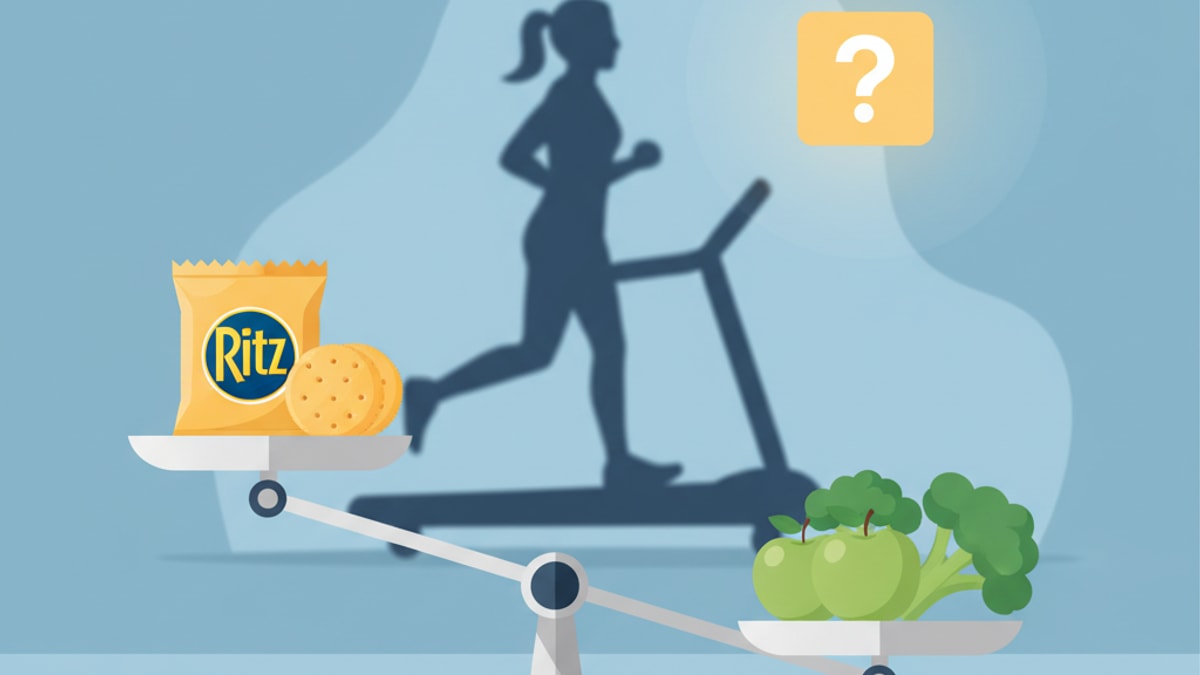
That iconic red box is a fixture in pantries everywhere. The perfectly scalloped edges, the buttery crunch, the salty finish—Ritz crackers are more than just a snack; they're a piece of culinary nostalgia. They're the base for holiday appetizers, the companion to a bowl of tomato soup, and the go-to choice for a quick, satisfying crunch. We've all been there. But when you’re on a serious weight loss journey, every choice comes under scrutiny. And that brings us to the big question our clients often ponder: are ritz crackers healthy for weight loss?
It’s a simple question with a surprisingly complex answer. It’s not a straightforward 'yes' or 'no'. The answer lives in the nuances of nutrition science, metabolic health, and human psychology. As a medical weight loss team, we've guided countless individuals through the maze of dietary choices, moving them from food confusion to food clarity. It's our job to look beyond the marketing and the nostalgia to see how a food really impacts your body's biology and your long-term goals. So, let's pull back the curtain on this ubiquitous cracker and get to the unflinching truth.
Deconstructing the Ritz Cracker: A Nutritional Deep Dive
To understand a food's role in weight management, we have to look past the taste and go straight to the nutrition label. This is where the story begins. A single serving of original Ritz crackers (which is just five crackers) contains around 80 calories, 4.5 grams of fat, 10 grams of carbohydrates, and 1 gram of protein. On the surface, 80 calories might not seem like a catastrophe. It's not. But the devil, as they say, is in the details.
Let’s be honest, this is crucial. The quality of those calories matters more than the quantity. Here's the breakdown our team focuses on:
- Refined Carbohydrates: The primary ingredient is enriched flour. This means the whole wheat grain has been stripped of its bran and germ, removing the vast majority of its fiber, vitamins, and minerals. What's left is a rapidly digesting starch. Your body processes this almost as quickly as sugar, which can lead to a significant blood sugar spike. We'll get into why that's a formidable obstacle for weight loss in a moment.
- Low Fiber Content: A serving has less than one gram of fiber. Fiber is a critical, non-negotiable element of a successful weight loss plan. It promotes satiety (the feeling of fullness), slows down digestion, helps stabilize blood sugar, and supports a healthy gut microbiome. Ritz crackers offer virtually none of these benefits. This is why you can eat five, ten, or even fifteen crackers and not feel truly full.
- Lack of Protein: With only one gram of protein per serving, Ritz crackers do nothing to help you build or maintain lean muscle mass, which is your body's metabolic engine. Like fiber, protein is a powerhouse for satiety. A snack high in refined carbs and low in protein is a recipe for return hunger and cravings.
- Unhealthy Fats: While the recipe has evolved over the years, many versions contain processed vegetable oils like soybean or canola oil, and sometimes partially hydrogenated oils (a source of artificial trans fats, though largely phased out). These fats are inflammatory and offer none of the benefits of healthy fats found in avocados, nuts, or olive oil.
- High Sodium: A single serving packs about 135mg of sodium. While sodium is a necessary electrolyte, excessive intake—which is incredibly easy with processed foods—can lead to water retention, bloating, and increased blood pressure. That feeling of puffiness after a salty snack session? That's the sodium at work, and it can be discouraging when you're watching the scale.
When you put it all together, you're looking at a food that is calorically dense but nutritionally barren. It provides a quick burst of energy and salty satisfaction but offers nothing sustainable for your body. It's the definition of 'empty calories'.
To put this in perspective, our team put together a quick comparison. It’s not about demonizing one food, but about illustrating the concept of a nutritional trade-off.
| Snack Option (Approx. 100 calories) | Protein (g) | Fiber (g) | Key Nutrient Profile |
|---|---|---|---|
| Ritz Crackers (~6 crackers) | 1.2g | <1g | Refined flour, processed oils, high sodium, low satiety. |
| Whole-Grain Crackers (~4 crackers) | 3g | 3g | Complex carbs, some fiber and protein, higher satiety. |
| Apple Slices (1 medium apple) | 0.5g | 4.5g | High fiber, vitamins, antioxidants, natural sugars. |
| Baby Carrots with Hummus (2 Tbsp) | 3g | 4g | Fiber, protein, healthy fats, micronutrients. |
| Greek Yogurt (1/2 cup, plain) | 12g | 0g | Extremely high protein, probiotics, high satiety. |
This isn't just data. It’s a roadmap. The table makes it crystal clear: for a similar calorie count, you can get dramatically more nutritional bang for your buck with other options. That's the core of a smart weight loss strategy.
The Science: How Refined Carbs Derail Your Progress
Now, this is where it gets interesting. To truly understand why a simple cracker can be problematic, we need to talk about the metabolic cascade it triggers inside your body. It’s a chain reaction that our medical team works to correct every single day with our patients.
When you eat a handful of Ritz crackers, the refined flour hits your bloodstream like a shot of sugar. Your body doesn't have to work hard to break it down. This causes a rapid spike in your blood glucose (blood sugar) levels. Your pancreas sees this spike as an emergency and goes into overdrive, releasing a flood of the hormone insulin. Insulin's job is to shuttle that glucose out of your blood and into your cells for energy. That sounds good, right?
Well, yes and no. The problem is the speed and magnitude of the insulin response. A massive insulin surge does two very unhelpful things for someone trying to lose weight:
- It Promotes Fat Storage: Insulin is a powerful fat-storage hormone. When it's surging, it tells your body to stop burning fat for fuel and start storing away excess energy. Any glucose your cells don't immediately use for energy gets converted and packed away, primarily as body fat.
- It Causes a Blood Sugar Crash: After the big insulin surge clears the glucose from your blood, your blood sugar levels often plummet, dropping even lower than they were before you ate the crackers. This is the dreaded 'crash.' It leaves you feeling tired, irritable, foggy-brained, and—most importantly—intensely hungry again, often craving more fast-acting carbs to bring your blood sugar back up. It’s a vicious cycle.
This blood sugar rollercoaster is the enemy of sustainable weight loss. It drives cravings, encourages overeating, and keeps your body in a fat-storing state. Our experience shows that stabilizing blood sugar is one of the most critical, foundational steps to achieving lasting results. A diet built around foods like Ritz crackers makes that a difficult, often moving-target objective. It's like trying to build a house on a foundation of sand.
So, Can You Ever Eat Ritz Crackers and Lose Weight?
After all that science, you might be ready to banish that red box forever. But hold on. We can't stress this enough: a successful, long-term weight management plan is not about perfection; it's about sustainability. Banning foods you genuinely enjoy often leads to feelings of deprivation, which can trigger binge-purge cycles and an unhealthy relationship with food.
So here’s the real answer: No, Ritz crackers are not a 'healthy' food for weight loss. They don't support your goals. But does that mean you can never have them? Of course not.
The key is to shift your mindset. You must see Ritz crackers for what they are: a treat. They are not a health food, not a diet staple, and not a reliable snack for keeping you full and energized. They belong in the same category as chips, cookies, or a small scoop of ice cream. It's a food you eat for pleasure, in moderation, with full awareness of what it is and what it isn't.
If you choose to include them, do it strategically. Portion control is non-negotiable. Count out a serving—five crackers—and put the box away. Eat them slowly and mindfully. Savor the taste and texture. Don't eat them mindlessly out of the sleeve while watching TV. That's a recipe for accidentally consuming hundreds of empty calories.
Building a Smarter Snack Strategy
Instead of focusing on what to eliminate, our team always recommends focusing on what to add. The goal is to build a roster of delicious, satisfying snacks that actually work for your body, not against it. This approach (which we've refined over years) delivers real results because it's based on abundance, not deprivation.
If you love the crunch and the savory flavor of Ritz, you’re not out of options. You just need better vehicles for your toppings. Think about swapping them for:
- High-Fiber, Whole-Grain Crackers: Look for brands where the first ingredient is a whole grain (like whole wheat, rye, or brown rice) and that contain at least 3 grams of fiber per serving.
- Seed Crackers: Crackers made from seeds like flax, chia, and sesame are packed with fiber, protein, and healthy omega-3 fatty acids.
- Vegetable Sticks: The ultimate crunch. Cucumbers, bell peppers, celery, and jicama sticks are fantastic. They provide hydration, vitamins, and fiber for almost zero calories.
Now, here’s a pro-level tip we share with our patients: Never eat your carbs naked.
This is a simple but powerful rule. If you do decide to have those five Ritz crackers, don't eat them alone. Pair them with a quality source of protein and/or healthy fat. This dramatically blunts the blood sugar spike. The protein and fat slow down the digestion of the carbohydrates, leading to a more gradual release of glucose into the bloodstream. This means a smaller insulin response, no subsequent crash, and you'll feel fuller for much longer.
Some smart pairings include:
- A slice of lean turkey or chicken breast
- A smear of avocado or guacamole
- A dollop of cottage cheese
- A hard-boiled egg on the side
By simply adding a protein or fat source, you transform a metabolically troublesome snack into a more balanced one. It’s a small change that makes a significant physiological difference.
Beyond the Cracker: The Bigger Picture of Sustainable Weight Loss
Honestly, though, the debate over a single cracker is a symptom of a much larger issue. True, lasting weight loss isn't achieved by obsessing over individual foods. That's a game of nutritional whack-a-mole that leads to frustration and burnout. We’ve seen it happen thousands of times. Real transformation happens when you address the underlying biological systems that govern your weight: your metabolism, your hormones, and your appetite signals.
The reason foods like Ritz crackers can be so problematic is that they exploit a system that is already out of balance for many people struggling with their weight. The intense cravings for salt and carbs, the inability to stop at just one serving, the energy crashes—these aren't signs of a lack of willpower. They are often symptoms of insulin resistance and dysregulated hunger hormones like ghrelin and leptin.
This is precisely where modern medical advancements have become a game-changer. At TrimrX, we specialize in using medically-supervised treatments, including powerful GLP-1 medications like Semaglutide and Tirzepatide, to help reset this underlying biology. These treatments work by mimicking natural hormones that tell your brain you're full, slow down digestion so you feel satisfied longer, and critically, help stabilize your blood sugar. They fundamentally change the conversation your body is having about hunger and cravings.
When your biology is working with you, the power of a cracker diminishes. You can have one or two and feel satisfied. The compulsive urge to finish the sleeve fades away because you’re no longer fighting that brutal blood sugar rollercoaster. You’re able to make conscious, calm food choices from a place of nourishment, not desperation. This allows you to build sustainable, healthy habits that last a lifetime, long after you've reached your goal weight. It's about fixing the engine, not just changing the brand of oil.
So, while it’s useful to understand the nutritional profile of a Ritz cracker, don't let it distract you from the bigger picture. Your journey is about more than just food swaps. It's about restoring your body's natural metabolic balance. For many, addressing the relentless cycle of cravings and hormonal signals is a formidable challenge, and that’s why a modern medical approach can be so profoundly effective. If you're ready to move beyond the cycle of snacking and restriction, it might be time to see if you're a candidate. Start Your Treatment and discover a medically-supervised path toward finally achieving your goals.
Frequently Asked Questions
How many Ritz crackers can I eat on a diet?
▼
We recommend treating Ritz crackers as a treat. Sticking to a single serving of five crackers is a good guideline, but be sure to pair them with protein or healthy fat to buffer the impact on your blood sugar.
Are the ‘Whole Wheat’ Ritz crackers any better for weight loss?
▼
While slightly better because they contain a small amount of whole grains, they are still a highly processed food with low fiber and protein. They cause a similar, albeit slightly less dramatic, blood sugar response compared to the original version.
What’s a good low-calorie substitute for Ritz crackers?
▼
For a satisfying crunch, our team suggests high-fiber seed crackers, whole-grain rice cakes, or vegetable sticks like cucumber, bell peppers, or jicama. These options provide far more nutritional value and satiety for fewer calories.
Will eating Ritz crackers at night make me gain weight?
▼
Eating any food in excess of your daily needs can lead to weight gain, regardless of the time. However, a high-carb, low-protein snack like Ritz crackers before bed can disrupt blood sugar and may interfere with sleep quality, which can negatively impact weight management hormones.
Is the sodium in Ritz crackers a concern for weight loss?
▼
Yes, it can be. High sodium intake from processed foods can cause water retention and bloating, which can be discouraging when tracking progress on the scale. Managing sodium is an important part of an overall healthy eating plan.
Do Ritz crackers have any nutritional benefits at all?
▼
Nutritionally, they are very limited. They are fortified with some vitamins and minerals, as is required for enriched flour, but they lack the fiber, protein, and healthy fats that are crucial for a healthy diet and effective weight loss.
Can I fit Ritz crackers into a low-carb or keto diet?
▼
No, Ritz crackers are not suitable for a ketogenic or very low-carb diet. A single serving contains 10 grams of net carbohydrates, which would consume a significant portion of a typical daily keto carb limit.
Why do I crave salty snacks like Ritz crackers?
▼
Cravings for salty, crunchy foods are common and can be driven by habit, stress, or nutritional deficiencies. For many, it’s also linked to the blood sugar rollercoaster—a crash often triggers cravings for fast-acting carbs and salt.
Are Ritz Bits better or worse for a diet?
▼
Ritz Bits, especially the cheese-filled sandwich versions, are typically worse. They are even more calorically dense due to the processed cheese filling, containing more fat and sodium per serving, making portion control exceptionally difficult.
What should I pair with Ritz crackers to make them healthier?
▼
To make them part of a more balanced snack, always pair them with a source of protein and/or healthy fat. Good options include a slice of lean turkey, a smear of avocado, hummus, or a piece of low-fat cheese.
How do GLP-1 medications help with cravings for foods like crackers?
▼
GLP-1 medications like Semaglutide work on brain receptors to reduce hunger signals and food ‘noise,’ significantly curbing cravings. They also stabilize blood sugar, which prevents the crashes that often trigger intense desires for high-carb snacks.
Is it better to eat Ritz with cheese or by themselves for weight loss?
▼
From a blood sugar perspective, it’s better to eat them with a small portion of cheese. The fat and protein in the cheese will help slow the absorption of the cracker’s refined carbs, leading to a more stable energy release and greater satiety.

Transforming Lives, One Step at a Time
Keep reading

Obesity and Low Testosterone
**Can obesity cause low testosterone?** Yes. Obesity can lower testosterone, and the relationship often runs in both directions.

Top 6 Best Weight Loss Medications in 2026
Prescription weight loss medication has gone mainstream. What was once a quiet corner of obesity medicine is now one of the most talked-about categories…

Top 8 Best Telehealth for Weight Loss in 2026
Finding the best telehealth for weight loss used to be a time-consuming process that involved hours of research, murky pricing pages, and a fair…


