Why Your Hormones Are Sabotaging Your Weight Loss Efforts
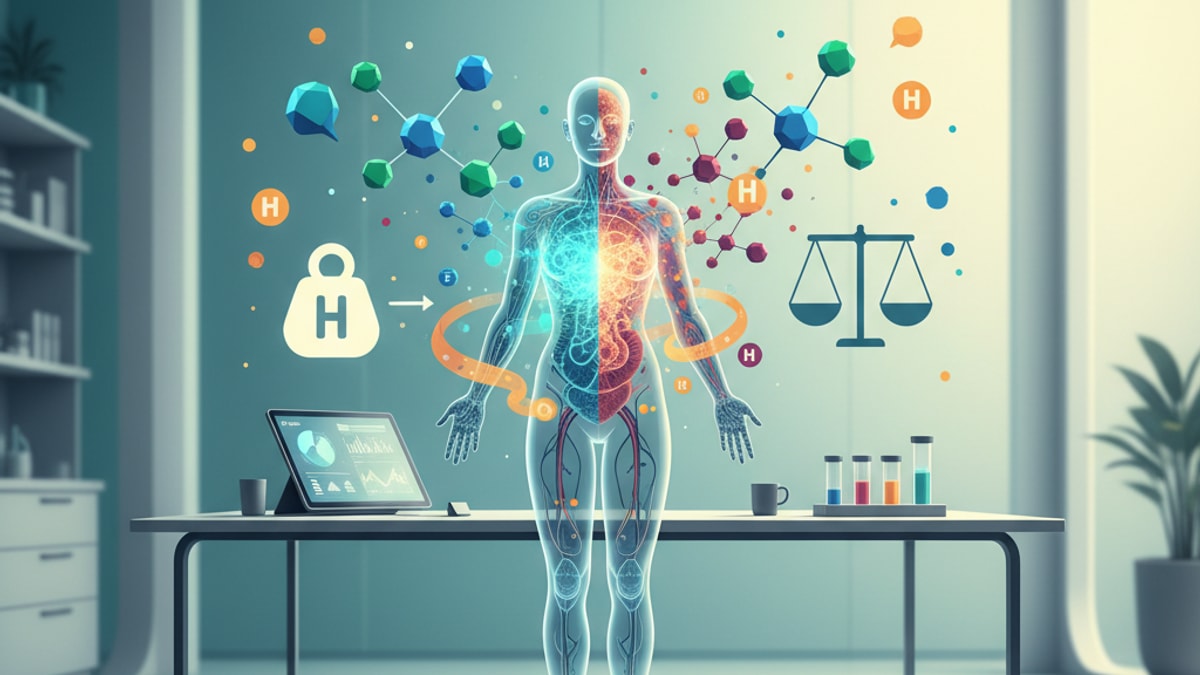
You're doing everything by the book. You’ve cleaned up your diet, you're hitting the gym consistently, and you're tracking every calorie with meticulous precision. Yet, the scale refuses to budge. Or worse, it creeps up. The frustration is immense, and it’s easy to feel like you're failing, that your willpower just isn't strong enough. We've talked to countless individuals in this exact situation, and our team is here to tell you something critical: it’s probably not your fault. It’s your biology.
The silent, powerful forces working behind the scenes are your hormones. They are the body’s intricate communication network, and when they're out of sync, even the most disciplined weight loss plan can be rendered almost completely ineffective. The question, “can hormones affect weight loss?” isn’t just a possibility; it’s a biological certainty. For many, it's the single biggest obstacle standing between them and their health goals, a formidable and often invisible barrier. Understanding this is the first step toward finally breaking through.
The Question We Hear Every Day: "Why Isn't This Working?"
It’s a story our clinical team knows all too well. A person comes to us, feeling defeated. They've tried every diet imaginable—keto, paleo, low-fat, intermittent fasting—and they've endured grueling workout regimens. They might see a few pounds drop off initially, only to have them return with a vengeance. This yo-yo effect isn't just demoralizing; it's a sign that something deeper is at play. The conventional wisdom of 'calories in, calories out' is a dangerously oversimplified model. It’s true, but it's not the whole truth.
That model completely ignores the complex biochemical environment in which those calories are processed. Think of it this way: your body isn't a simple furnace. It's a highly sophisticated laboratory with countless chemical reactions happening every second. Hormones are the chemists running the lab. They dictate whether that calorie you just ate gets burned for immediate energy, stored as fat for later, or used to build and repair muscle tissue. When the chemists are working against you, you’re fighting an uphill battle in a landslide. Our experience shows that ignoring this hormonal context is the number one reason long-term weight management fails. It's a difficult, often moving-target objective, and without the right approach, it's nearly impossible.
Let's Talk Hormones: The Body's Master Regulators
So, what are hormones, really? In the simplest terms, they are chemical messengers produced by your endocrine glands. They travel through your bloodstream to tissues and organs, telling them what to do, when to do it, and how long to do it for. They regulate everything from your mood and energy levels to your sleep cycles and, crucially, your metabolism and body weight.
Your body constantly strives for a state of balance, or homeostasis. When your hormones are balanced, your metabolism hums along efficiently. You feel energetic, your appetite is under control, and your body is adept at burning fat for fuel. But when this delicate balance is thrown off—by stress, poor diet, lack of sleep, aging, or environmental factors—the system goes haywire. It's like an orchestra where the conductor has lost the sheet music. The violin (your hunger signal) is screeching, the drums (your stress response) are pounding relentlessly, and the cello (your metabolism) is completely out of tune. The result is a cacophony of symptoms, with stubborn weight gain often taking center stage.
This isn't just a metaphor. It's physiology. And until you address the conductor and the out-of-tune instruments, you can't fix the music.
The Key Players: Which Hormones Impact Weight?
While dozens of hormones influence your body composition, a few key players have an outsized impact on weight. Understanding their roles is absolutely essential. Our team focuses on these hormonal pathways because, frankly, they are where the war on weight is won or lost.
Insulin: The Fat-Storage Commander
Insulin’s main job is to manage your blood sugar. After you eat carbohydrates, your blood glucose rises, and your pancreas releases insulin to shuttle that glucose into your cells for energy. It's a perfect system, until it isn't. A diet high in processed carbs and sugar forces your pancreas to pump out huge amounts of insulin, constantly. Over time, your cells become numb to its signal, a condition known as insulin resistance.
When your cells are resistant, the glucose can't get in easily. So what happens? Your pancreas panics and pumps out even more insulin. Now you have high blood sugar and high insulin levels simultaneously. This is a catastrophic combination for weight loss. High insulin levels are a direct, screaming signal to your body to stop burning fat and start storing it. It locks your fat cells, preventing them from releasing their stored energy. You can be eating at a caloric deficit, but if your insulin is chronically high, your body will fight relentlessly to hold onto every ounce of fat. It’s a biological prison.
Leptin & Ghrelin: The Hunger and Fullness Duo
Think of leptin as the 'I'm full' hormone and ghrelin as the 'I'm hungry' hormone. Leptin is produced by your fat cells and tells your brain that you have enough energy stored, so you can stop eating. Ghrelin is produced in your stomach and signals your brain that it’s time to seek out food. In a balanced system, they work in beautiful harmony.
But just like with insulin, you can develop leptin resistance, especially when carrying excess body fat. Your fat cells are producing plenty of leptin, but your brain isn't getting the message. Your brain essentially thinks you're starving, even after a large meal. It dials down your metabolism to conserve energy and cranks up your hunger signals (via ghrelin) to make you eat more. This is why some people feel insatiably hungry all the time. It's not a lack of discipline; it's a broken feedback loop.
Cortisol: The Stress Saboteur
We live in a world of chronic stress. Demanding schedules, constant connectivity, and high expectations put our bodies in a perpetual 'fight or flight' mode. This triggers the release of cortisol, our primary stress hormone. While a little cortisol is vital for survival, chronically elevated levels are disastrous for your waistline. Cortisol increases your appetite, specifically driving intense cravings for sugary, fatty, and salty foods—the very things that spike insulin.
Even more insidiously, high cortisol levels tell your body to store fat in a very specific place: your abdomen. This visceral fat isn't just a cosmetic concern; it's metabolically active, wrapping around your internal organs and pumping out inflammatory compounds that worsen insulin resistance. It's a vicious cycle where stress leads to belly fat, and that belly fat creates more hormonal chaos.
Thyroid Hormones (T3 & T4): The Metabolic Thermostat
Your thyroid gland is the master of your metabolism. It produces hormones, primarily T3 and T4, that regulate the speed at which your body burns calories. When your thyroid is underactive (a condition called hypothyroidism), your metabolic rate plummets. Everything slows down. The classic symptoms are fatigue, brain fog, hair loss, and, of course, unexplained weight gain and an almost complete inability to lose it. No amount of dieting or exercise can overcome a sluggish thyroid. It’s like trying to drive a car with the emergency brake on. Our team always emphasizes that checking thyroid function is a critical, non-negotiable element of any serious weight loss investigation.
Estrogen & Testosterone: The Body Composition Architects
These sex hormones play a huge role in where your body stores fat. In women, as estrogen levels fluctuate and decline during perimenopause and menopause, the body's fat storage pattern often shifts from the hips and thighs to the abdomen. Estrogen dominance (where estrogen is high relative to progesterone) can also promote weight gain.
In both men and women, testosterone is crucial for maintaining muscle mass. Muscle is metabolically active tissue, meaning it burns calories even at rest. As testosterone levels decline with age, muscle mass tends to decrease, which in turn lowers your metabolic rate and makes it easier to gain fat. It’s a subtle but significant shift that can make a huge difference over time.
The Vicious Cycle: How Weight Gain Itself Wrecks Your Hormones
Now, this is where it gets really interesting, and it’s an insight we've seen play out in our practice time and time again. It’s not a one-way street where bad hormones cause weight gain. The reality is that excess body fat, particularly visceral belly fat, is itself an endocrine organ. It's not just inert storage; it’s a hormonally active factory that creates its own problems.
Fat cells produce their own estrogen, which can contribute to estrogen dominance in both men and women. They also churn out inflammatory molecules called cytokines. This chronic, low-grade inflammation further disrupts hormonal signaling and worsens insulin resistance. So, the more fat you have, the more hormonally imbalanced you become, which in turn makes it even harder to lose that fat. You get trapped in a brutal feedback loop that can feel impossible to escape with willpower alone. This is precisely why a medical intervention can be so transformative—it breaks the cycle.
Modern Solutions for a Modern Problem: The Role of GLP-1s
For years, the only advice for those stuck in this hormonal trap was to simply 'try harder.' It was ineffective and, frankly, demoralizing. But biotechnology has given us a new, powerful set of tools that work with the body's hormonal systems instead of against them. We're talking about GLP-1 receptor agonists, like the Semaglutide and Tirzepatide used in our TrimrX programs.
These aren't stimulants or old-school diet pills. They are a sophisticated class of medications that mimic a natural hormone your gut produces called glucagon-like peptide-1 (GLP-1). By activating these receptors, they fundamentally reset the conversation between your gut, your pancreas, and your brain. Here’s how they directly address the hormonal issues we’ve discussed:
- They Regulate Insulin: GLP-1s prompt your pancreas to release insulin more effectively in response to food, helping to control blood sugar spikes without the massive, fat-storing overshoot.
- They Target Hunger Hormones: They slow down how quickly your stomach empties, which keeps you feeling fuller for much longer. This directly combats the relentless hunger signals driven by ghrelin and leptin resistance.
- They Communicate with the Brain: They act on the appetite centers in your brain, reducing cravings and quieting the 'food noise' that so many people struggle with.
What this means is that GLP-1 medications don't just force weight loss; they help restore hormonal balance. They create a biological environment where your efforts—your healthy eating and your exercise—can finally produce the results they should. It’s about leveling the playing field. If you’ve been battling your own biology, you can see if you're a candidate by taking our quick Take Quiz.
Comparing Approaches: Medical vs. Traditional Weight Loss
To really understand the difference, let’s put these two philosophies side-by-side. It becomes crystal clear why simply 'eating less and moving more' falls short for so many people with underlying hormonal issues.
| Feature | Traditional Approach ('Willpower' Model) | Medically-Supervised Approach (TrimrX Model) |
|---|---|---|
| Root Cause Analysis | Focuses on calorie balance as the sole factor. | Investigates and addresses underlying hormonal imbalances (insulin, leptin, cortisol, etc.). |
| Primary Tools | Diet plans, calorie trackers, exercise regimens. | FDA-registered medications (like GLP-1s), clinical oversight, personalized lifestyle guidance. |
| Success Metric | Pounds lost on the scale. | Sustainable fat loss, improved metabolic health markers, restored hormonal function, and enhanced well-being. |
| Sustainability | Often low. Rebound weight gain is common. | High. Aims to reset the body's set point and create lasting neuro-hormonal changes for long-term success. |
Beyond Medication: Creating a Hormone-Friendly Lifestyle
We can't stress this enough: medications like Semaglutide are an incredibly powerful tool, but they are not a substitute for a healthy lifestyle. They are a catalyst. They open a window of opportunity to build the habits that will sustain your health for a lifetime. Our team at TrimrX provides comprehensive support because we know this is a critical, non-negotiable element of success.
-
Nutrition for Hormonal Balance: Forget extreme calorie restriction. Focus on nutrient-dense foods that stabilize blood sugar. Prioritize protein at every meal to promote satiety and preserve muscle mass. Load up on fiber from vegetables to support a healthy gut. And don't fear healthy fats—they are the building blocks of hormones.
-
Smart Exercise: More isn't always better. Overtraining, especially with chronic cardio, can spike cortisol and work against you. The sweet spot for most people is a combination of strength training (to build that metabolically active muscle) and moderate-intensity cardio, along with activities like walking and stretching.
-
Unyielding Focus on Stress & Sleep: You simply cannot out-diet or out-exercise a body that's drowning in cortisol and deprived of sleep. Getting 7-9 hours of quality sleep per night is perhaps the most effective thing you can do to regulate your appetite hormones. Finding sustainable stress management techniques—whether it's meditation, yoga, time in nature, or a hobby—is just as important as what you do in the kitchen or the gym.
Taking the First Step: How to Know if Hormones Are Your Issue
If you've been reading this and nodding along, there's a good chance your hormones are a significant part of your weight loss puzzle. Do any of these sound familiar?
- You gain weight easily, especially around your midsection, even when you're eating well.
- You struggle with intense cravings for sugar or carbs.
- You feel tired all the time, despite getting enough sleep.
- You feel 'puffy' or retain water easily.
- You've been told to 'just try harder,' but your best efforts yield minimal results.
If this is your reality, it’s time to stop fighting a battle you can't win alone. It's time to work with a team that understands the complex biochemistry behind weight management. You can stop guessing and start addressing the root cause. If you're ready to see if a medical approach is right for you, we encourage you to Start Your Treatment Now.
Ultimately, understanding that hormones can affect weight loss isn't an excuse. It's an explanation. It’s the key that unlocks a new, more effective, and more compassionate approach to managing your health. It’s about shifting from a mindset of fighting your body to one of working with it. When you finally give your body the support it needs to restore its natural balance, the results can be truly life-changing.
Frequently Asked Questions
What is the most important hormone when it comes to weight loss?
▼
While many hormones are involved, our team finds that insulin is often the most critical to address. Chronically high insulin levels from insulin resistance can effectively lock fat in your cells, making weight loss biologically impossible until it’s controlled.
Can I get my hormones tested to see if they’re the problem?
▼
Yes, a medical professional can order blood tests to check key markers like thyroid hormones (TSH, T3, T4), fasting insulin, and HbA1c. This data provides a crucial look into your metabolic health and can guide treatment decisions.
How quickly do GLP-1 medications like Semaglutide start working?
▼
Many patients notice a significant reduction in appetite and ‘food noise’ within the first few weeks of treatment. The physiological effects on blood sugar and gastric emptying begin right away, though visible weight loss occurs over weeks and months.
Does stress from my job really cause belly fat?
▼
Absolutely. Chronic stress leads to elevated levels of the hormone cortisol, which directly signals the body to store fat in the abdominal area. Our experience shows that managing stress is a non-negotiable part of tackling stubborn belly fat.
Is hormone-related weight gain permanent?
▼
No, it doesn’t have to be. By addressing the root hormonal imbalances through a combination of medical treatment, like the programs we offer at TrimrX, and targeted lifestyle changes, you can effectively reset your body’s metabolic signaling and lose the weight.
Why do women often gain weight during menopause?
▼
During menopause, declining estrogen levels and a relative increase in androgens can cause a shift in fat storage to the abdomen. The accompanying drop in muscle mass also slows metabolism, making weight gain much easier if diet and exercise aren’t adjusted.
Can lack of sleep make it harder to lose weight?
▼
Yes, unequivocally. Poor sleep disrupts the hunger hormones ghrelin and leptin, increasing your appetite while making you feel less full. It also raises cortisol levels, further promoting fat storage and cravings for unhealthy foods.
Will my hormones go back to normal after I lose weight?
▼
Losing excess body fat, particularly visceral fat, can dramatically improve hormonal balance. As fat cells shrink, they produce fewer inflammatory signals and less estrogen, which can significantly improve insulin sensitivity and overall metabolic health.
Are GLP-1 medications safe for long-term use?
▼
GLP-1s have been studied extensively and are considered safe for long-term use under medical supervision for approved conditions. At TrimrX, our clinical team monitors your progress to ensure the treatment is both effective and appropriate for your health profile.
What’s the difference between insulin resistance and diabetes?
▼
Insulin resistance is a precursor to Type 2 diabetes. It’s a condition where your cells don’t respond well to insulin, forcing your pancreas to overproduce it. Type 2 diabetes is diagnosed when your body can no longer compensate, leading to chronically high blood sugar levels.
Can exercise help balance my hormones for weight loss?
▼
Yes, the right kind of exercise is incredibly beneficial. Strength training builds muscle, which improves insulin sensitivity, while moderate cardio is great for overall health. However, overtraining can raise cortisol, so a balanced approach is key.

Transforming Lives, One Step at a Time
Keep reading

Obesity and Low Testosterone
**Can obesity cause low testosterone?** Yes. Obesity can lower testosterone, and the relationship often runs in both directions.

Top 6 Best Weight Loss Medications in 2026
Prescription weight loss medication has gone mainstream. What was once a quiet corner of obesity medicine is now one of the most talked-about categories…

Top 8 Best Telehealth for Weight Loss in 2026
Finding the best telehealth for weight loss used to be a time-consuming process that involved hours of research, murky pricing pages, and a fair…


