Do Antibiotics Cause Weight Loss? The Gut Health Reality
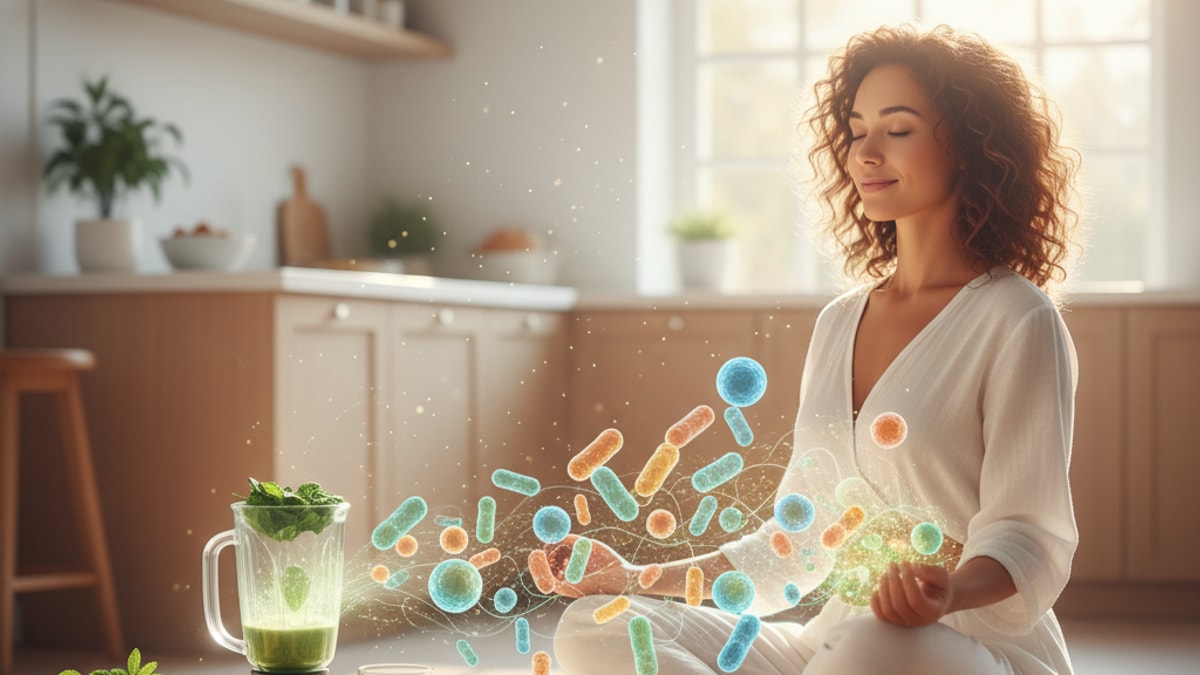
You've just finished a course of amoxicillin for a nasty sinus infection. You step on the scale and notice the number is a few pounds lower. The immediate question flashes in your mind: do antibiotics cause weight loss? It’s a surprisingly common observation, and one that leads down a fascinating, complex rabbit hole involving the trillions of microscopic organisms living inside you. Let's be honest, in a world focused on weight management, any unexpected drop on the scale can feel like a win. But our team is here to tell you it's not that simple.
We've spent years at the forefront of metabolic health, helping patients understand the intricate dance of hormones, biology, and lifestyle that dictates body weight. And we can tell you this with absolute certainty: the weight change you might see from a round of antibiotics isn't the kind you want. It’s often a symptom of a much larger, internal disruption. This isn't a sustainable strategy; it's a temporary side effect with potentially long-lasting consequences for your gut health, which is a critical, non-negotiable element of overall wellness and stable weight management.
The Short Answer (And Why It's So Complicated)
So, let’s get right to it. Can antibiotics lead to weight loss? Yes, sometimes they can. But it’s crucial to understand why. The primary reasons are almost always temporary and related to side effects. Many antibiotics can cause gastrointestinal distress—we're talking nausea, vomiting, or diarrhea. When you’re feeling sick, you naturally eat less. When you're experiencing diarrhea, your body is losing a significant amount of fluid and not absorbing nutrients properly. This combination of reduced caloric intake and fluid loss will absolutely cause the number on the scale to go down.
But this is not fat loss. It’s not a metabolic victory.
It’s a temporary state of being unwell. Once the course of medication ends and your appetite returns to normal, that weight almost always comes right back. The real story, the one we’re far more interested in from a clinical perspective, is what happens to your body’s internal ecosystem—your gut microbiome—and how that profound disruption can have much longer-term, sprawling effects on your weight and metabolism.
Your Gut Microbiome: The Body's Inner Command Center
Before we can talk about the antibiotic wrecking ball, we need to appreciate the city it's tearing through. Imagine your gut as a bustling, vibrant metropolis populated by trillions of microorganisms—bacteria, fungi, and viruses. This is your gut microbiome. For a long time, we thought of bacteria as just germs, invaders to be destroyed. But our understanding has undergone a complete metamorphosis. We now know that this inner ecosystem is the command center for much of your health.
These tiny residents aren't just passive hitchhikers. They're active participants in your body's daily operations. They help break down food your stomach and intestines can't digest on their own, they produce essential vitamins like B12 and K, they regulate your immune system (a staggering 70% of which is located in your gut), and they even communicate with your brain, influencing your mood and cravings. Critically for our discussion, they play a formidable role in regulating your metabolism and how your body harvests, stores, and uses energy from the food you eat. A healthy, diverse microbiome is like a well-run city with specialized workers all doing their jobs efficiently. It’s a key to metabolic harmony.
How Antibiotics Disrupt the Delicate Balance
Now, enter the antibiotics. When you have a bacterial infection, these medications are lifesavers. They are designed to kill harmful bacteria. The problem is that most common antibiotics are “broad-spectrum.” They don’t have precision targeting. Instead of acting like a sniper taking out a single enemy, they act more like a bomb dropped on that bustling city we just described.
They wipe out the bad bacteria causing your infection, but they also cause catastrophic collateral damage, killing off huge populations of the beneficial bacteria that your body relies on. This sudden, violent shift in your gut’s population is known as dysbiosis. The once-diverse metropolis becomes a ghost town, leaving it vulnerable. This isn't just a minor inconvenience. Our experience shows that the fallout from this internal disruption can be significant and long-lasting.
Think about it. The specialized workers who helped you digest fiber are gone. The ones that manufactured essential nutrients are gone. The gatekeepers who maintained the integrity of your intestinal lining are gone. This sudden imbalance can lead to a whole host of issues, and weight fluctuation is just one piece of a much larger, more nuanced puzzle. It's a seismic event inside your body, and the aftershocks can be felt for months, sometimes even years.
The Real Links Between Gut Health and Weight Changes
This is where the conversation moves beyond simple side effects. The connection between antibiotics, the gut, and weight is a two-way street, with both short-term visible effects and long-term, invisible ones.
First, the immediate aftermath. As we mentioned, the most common reason for weight loss during an antibiotic course is gastrointestinal upset. Diarrhea, specifically, is your body flushing out water and electrolytes. It’s dehydration and poor nutrient absorption in action. This can account for a drop of several pounds in just a few days. It feels significant, but it's an illusion of progress. It's water weight, not fat loss, and it's a sign that your system is under duress.
But the long-term story is where our team focuses its attention. What happens after the medication is gone and your gut is left to rebuild? Sometimes, it doesn't rebuild in quite the same way. The diversity of your microbial species may be permanently reduced. Certain beneficial strains might be gone for good, while more resilient, less helpful strains (or even opportunistic yeasts like Candida) can take over the newly available real estate. This new, less-optimal gut configuration can have profound metabolic consequences. We've seen studies that suggest a less diverse microbiome is less efficient at extracting nutrients from food and may even send signals that increase fat storage.
Even more compelling is the research linking early-life antibiotic exposure to an increased risk of obesity later in life. While the exact mechanisms are still being explored, the theory is that altering the microbiome at a critical developmental stage can permanently change the body's metabolic programming. It might affect how fat cells develop or how the body regulates appetite hormones like ghrelin and leptin. So, ironically, while an adult might experience a temporary loss of weight from a round of antibiotics, the underlying damage could potentially set the stage for long-term weight gain. It’s a paradox that underscores why meddling with this delicate ecosystem is never a casual affair.
A Comparison: Antibiotic Effects vs. Medically-Supervised Weight Loss
To put this into perspective, let's compare the chaotic, unpredictable weight changes from antibiotic use with a structured, science-backed approach to weight management. It's a night-and-day difference, and understanding this is key to making informed decisions about your health.
| Factor | Antibiotic-Related Weight Changes | Medically-Supervised Programs (like GLP-1s) |
|---|---|---|
| Mechanism | Unintentional side effect of gut microbiome disruption, fluid loss, and reduced appetite due to illness. | Targeted hormonal and metabolic action (e.g., mimicking gut hormones to regulate appetite and blood sugar). |
| Health Impact | Negative. Sign of dysbiosis and gastrointestinal distress. Can harm long-term gut health. | Positive. Aims to improve metabolic health, reduce risks of chronic disease, and establish sustainable habits. |
| Type of Loss | Primarily water weight and some muscle mass. Not true fat loss. Highly temporary. | Primarily fat mass, with a focus on preserving lean muscle. Designed for long-term results. |
| Sustainability | Not sustainable at all. Weight is typically regained immediately after the course is finished. | High. Combines medication with lifestyle support to create lasting changes. The goal is maintenance. |
| Predictability | Completely unpredictable. Some people lose weight, some gain, some see no change. | Highly predictable and monitored. Dosages are carefully titrated by medical professionals for optimal results. |
| Professional Guidance | None for weight. The focus is solely on treating the infection. | Essential. The entire process is managed by a medical team to ensure safety, efficacy, and support. |
Looking at this table, the conclusion is unflinching. Relying on the side effects of a powerful medication for weight changes is not just ineffective; it's counterproductive to your long-term health. True, sustainable weight management comes from addressing the root biological factors, not from carpet-bombing your gut.
Rebuilding Your Gut After Antibiotics: Our Team's Recommendations
If you've recently taken antibiotics, don't panic. Your body is incredibly resilient. The key is to be proactive in helping your gut microbiome recover. You need to be the architect of its reconstruction. Here’s what we recommend to our patients to help them get back on track.
First, focus on probiotics. These are live, beneficial bacteria that help repopulate your gut. You can find them in fermented foods like plain yogurt, kefir, kimchi, sauerkraut, and kombucha. A high-quality probiotic supplement containing diverse strains like Lactobacillus and Bifidobacterium can also be incredibly helpful. We can't stress this enough: consistency is key. You're not just taking a pill; you're re-seeding a garden.
Second, you need prebiotics. Probiotics are the seeds, but prebiotics are the fertilizer. They are types of dietary fiber that your body can't digest but your good gut bacteria love to eat. Feeding them helps them grow and thrive. Excellent sources of prebiotics include garlic, onions, leeks, asparagus, bananas, and whole grains. A diet rich in a wide variety of plant-based foods is the single best way to support a diverse and robust microbiome.
Finally, give it time. Rebuilding a damaged gut ecosystem doesn't happen overnight. It can take weeks or even months of consistent effort to restore a healthy balance. Be patient with your body. Focus on a whole-foods diet, minimize processed foods and sugar (which can feed less desirable microbes), manage your stress levels, and get adequate sleep. These are the foundational pillars of gut health, and by extension, overall wellness.
When It's Time for a More Targeted Approach
Sometimes, despite your best efforts, achieving and maintaining a healthy weight feels like a formidable, often moving-target objective. You eat well, you exercise, but the scale refuses to cooperate. This is often a sign that there are deeper metabolic or hormonal factors at play—factors that diet and exercise alone may not be able to overcome. The very complexity of the gut microbiome's influence on metabolism is a perfect example of this hidden biology.
This is precisely where modern medicine can make a profound difference. Here at TrimrX, we specialize in understanding and addressing these underlying biological drivers of weight. Our approach is built on cutting-edge, FDA-registered medications like Semaglutide and Tirzepatide. These aren't blunt instruments; they are highly sophisticated GLP-1 agonists that work with your body's natural systems. They target receptors in the gut and brain to help regulate appetite, slow digestion so you feel fuller longer, and improve how your body handles blood sugar. It's about restoring balance, not waging war on your system.
If you feel like you're fighting an uphill battle with your weight, it might be time to explore a solution that works with your biology, not against it. It starts with understanding your unique situation. You can Take Quiz on our site to see if a medically-supervised program is the right fit for you. For many of our patients, it's the turning point they've been searching for—a way to finally align their efforts with real, sustainable results. When you're ready to move beyond the cycle of frustration, you can Start Your Treatment with the guidance of our expert medical team.
So, while the question 'do antibiotics cause weight loss' opens an important conversation, the answer leads us to a much bigger truth. The temporary fluctuations caused by medication are a distraction. The real goal is to cultivate a healthy internal ecosystem and, when needed, use targeted medical science to support your body's natural metabolic processes. It's about achieving a healthy weight that is a reflection of genuine, systemic wellness, not a side effect of being sick. Ready to find that balance? Start Your Treatment Now and let our team guide you.
Frequently Asked Questions
Will I gain the weight back after I stop taking antibiotics?
▼
Almost certainly, yes. Weight lost during an antibiotic course is primarily water weight from side effects like diarrhea. Once you recover and rehydrate, your weight will typically return to its previous level.
Can I take probiotics at the same time as my antibiotics?
▼
Yes, and our team generally recommends it. However, it’s best to space them out. Take your antibiotic as prescribed, and then take the probiotic supplement at least 2-3 hours later to ensure its effectiveness.
How long does it take for the gut microbiome to recover after antibiotics?
▼
Recovery time varies greatly from person to person. It can take anywhere from a few weeks to several months to restore a healthy balance, which is why actively supporting your gut with prebiotics and probiotics is so important.
Is it possible to gain weight from taking antibiotics?
▼
While less common in the short term, it’s possible. Some research suggests that long-term or repeated antibiotic use can alter the microbiome in a way that may promote weight gain over time by affecting metabolism and fat storage.
Do all antibiotics affect the gut in the same way?
▼
No. Broad-spectrum antibiotics have the most significant impact because they affect a wide range of bacteria. Narrow-spectrum antibiotics are more targeted and cause less collateral damage to your beneficial gut flora.
Can a damaged gut from antibiotics make it harder to lose weight later?
▼
Yes, it’s a real possibility. A less diverse microbiome can be less efficient at processing nutrients and may influence hormonal signals related to hunger and satiety, potentially making sustainable weight management more challenging.
What are the best foods to eat to restore gut health?
▼
Focus on a diverse range of high-fiber, plant-based foods. Think leafy greens, vegetables of all colors, legumes, and whole grains for prebiotics, and fermented foods like kefir, sauerkraut, and kimchi for probiotics.
Should I be concerned if I don’t lose any weight on antibiotics?
▼
Not at all. A lack of weight change is actually a good sign, as it likely means you didn’t experience severe gastrointestinal side effects. Remember, weight loss from antibiotics is a symptom of being unwell, not a health benefit.
Can antibiotics affect my food cravings?
▼
Yes, they can. Your gut bacteria play a role in communicating with your brain and can influence cravings. Disrupting the microbiome can alter these signals, sometimes leading to changes in your appetite for sugary or fatty foods.
Do children react to antibiotics and weight changes differently than adults?
▼
Yes, and this is a critical area of research. A child’s microbiome is still developing, making it more vulnerable to disruption. Some major studies have suggested a link between antibiotic use in infancy and a higher risk of obesity in childhood.
If I have to take antibiotics frequently, what can I do to protect my gut?
▼
If repeated courses are medically necessary, it’s crucial to be extra diligent about gut support. Work with your doctor, consistently take high-quality probiotics, and maintain a diet rich in prebiotic fiber to mitigate the damage as much as possible.

Transforming Lives, One Step at a Time
Keep reading

Obesity and Low Testosterone
**Can obesity cause low testosterone?** Yes. Obesity can lower testosterone, and the relationship often runs in both directions.

Top 6 Best Weight Loss Medications in 2026
Prescription weight loss medication has gone mainstream. What was once a quiet corner of obesity medicine is now one of the most talked-about categories…

Top 8 Best Telehealth for Weight Loss in 2026
Finding the best telehealth for weight loss used to be a time-consuming process that involved hours of research, murky pricing pages, and a fair…


