6-Week Ozempic Results: What to Realistically Expect
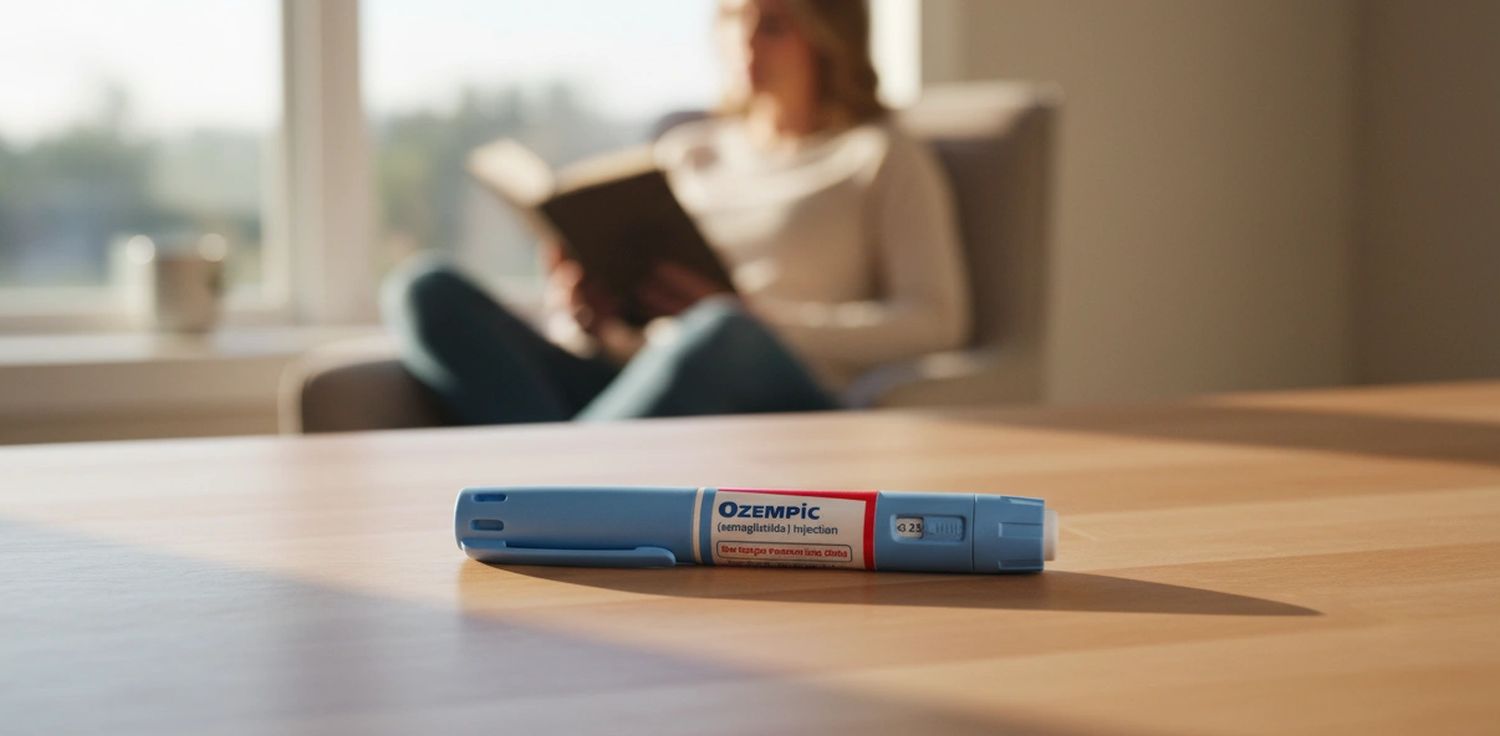
After six weeks on Ozempic (semaglutide), most people lose between 2% and 4% of their body weight, which translates to roughly 4 to 10 pounds depending on your starting size. Belly fat specifically begins to decrease during this early period, though visible changes to your midsection typically become more noticeable after 12 weeks or longer. Research from the STEP 1 clinical trial shows that weight loss begins within the first few weeks and continues steadily as doses increase over time.
Six weeks might feel like a significant chunk of time when you’re eager for results. But in the context of Ozempic treatment, you’re still in the very early stages. Let’s look at what the science says and what you can realistically expect during this initial period.
Understanding the 6-Week Mark in Your Ozempic Journey
At six weeks, you’ve just completed your time on the starting dose and moved to the second tier. The standard Ozempic titration schedule looks like this:
- Weeks 1 to 4: 0.25 mg (starting dose)
- Weeks 5 to 8: 0.5 mg
- Weeks 9 to 12: 1.0 mg (or continue at 0.5 mg if effective)
- Week 13 onward: Option to increase to 2.0 mg if needed
The 0.25 mg starting dose isn’t really meant for weight loss. It exists to let your body adjust to the medication and minimize side effects like nausea. By week six, you’ve just started the 0.5 mg dose, which is where appetite suppression begins to become more noticeable for most people.
This explains why six week results are typically modest. You simply haven’t been on a therapeutic dose long enough to see dramatic changes yet.
What Clinical Research Shows About Early Weight Loss
The STEP 1 trial, published in the New England Journal of Medicine, tracked nearly 2,000 adults taking semaglutide 2.4 mg (the Wegovy dose, which is higher than standard Ozempic dosing) over 68 weeks. Weight loss was observed from the very first assessment at week 4 and continued steadily throughout the study.
A real world study published in JAMA Network Open found that patients using semaglutide in regular clinical settings (not controlled trials) achieved 5.9% weight loss at 3 months. Working backward, this suggests weight loss of roughly 2% to 3% at the 6 week point for typical responders.
The key finding from these studies is that early weight loss, while modest, sets the foundation for greater results later. People who show some response in the first few weeks tend to be the ones who achieve the best long term outcomes.
What Happens to Belly Fat in the First 6 Weeks?
Belly fat, technically called visceral fat, is the fat stored around your internal organs. It’s the most metabolically dangerous type of fat and often the first to respond to weight loss interventions.
Research from the STEP 1 trial’s body composition substudy found that semaglutide reduced visceral fat by 27.4% over 68 weeks, which was proportionally greater than overall weight loss. This suggests the medication has a preferential effect on belly fat.
However, most of this visceral fat reduction happens gradually over months, not weeks. At the 6 week mark, internal changes are beginning, but visible reduction in belly size is usually minimal. Most people notice their waistband feeling slightly looser before they see dramatic visual changes in the mirror.
Here’s what typically happens with belly fat during early treatment:
Weeks 1 to 4: Internal metabolic changes begin. Your body starts processing glucose differently, and fat storage patterns begin shifting. You probably won’t notice visible changes.
Weeks 5 to 8: Some people report their stomach feeling “flatter” after meals due to reduced bloating and smaller portion sizes. Actual fat loss is occurring but may not be visually obvious yet.
Weeks 9 to 12 and beyond: This is typically when belly fat reduction becomes noticeable. Pants fit differently, and you might need to tighten your belt.
Realistic Expectations for 6-Week Weight Loss
Here’s what 2% to 4% weight loss looks like at different starting weights:
| Starting Weight | 2% Loss | 4% Loss |
|---|---|---|
| 180 lbs | 3.6 lbs | 7.2 lbs |
| 200 lbs | 4 lbs | 8 lbs |
| 220 lbs | 4.4 lbs | 8.8 lbs |
| 250 lbs | 5 lbs | 10 lbs |
| 275 lbs | 5.5 lbs | 11 lbs |
| 300 lbs | 6 lbs | 12 lbs |
These numbers might seem small compared to the transformations you see posted online. But consider two things: first, those dramatic results usually represent many months of treatment, not six weeks. Second, even modest early weight loss produces real health benefits.
Research shows that losing just 5% of body weight improves blood pressure, blood sugar levels, and cholesterol profiles. You may be partway there at 6 weeks, even if the mirror doesn’t show dramatic changes yet.
Signs the Medication Is Working (Beyond the Scale)
Weight loss isn’t the only indicator that semaglutide is doing its job. At six weeks, look for these signs:
Reduced appetite. If you’re finding yourself satisfied with smaller portions and less interested in snacking, that’s the medication working. This effect often precedes significant weight loss.
Fewer cravings. Many people report that foods they once found irresistible, particularly sweets and fatty foods, become less appealing. The “pull” toward certain foods diminishes.
Quieter food thoughts. That constant mental background noise about eating, what to have next, whether to have seconds, often gets quieter. People describe feeling more neutral about food.
Feeling full faster. Meals that once seemed like normal portions now feel like too much. You might find yourself leaving food on your plate without trying.
Less emotional eating. Some people notice that the urge to eat when stressed, bored, or emotional decreases. The automatic reach for comfort food becomes less automatic.
If you’re experiencing these effects, the medication is likely working even if the scale hasn’t moved much yet.
Why Some People See More (or Less) Progress at 6 Weeks
Individual responses vary considerably. Some people lose 8 to 10 pounds in six weeks, while others lose just 2 to 3 pounds. Several factors influence early results:
Starting point matters. People with more weight to lose often see faster initial losses, though percentage losses tend to be similar across weight categories.
Side effect tolerance. If nausea or other digestive issues have limited your food intake significantly, you might see faster early weight loss. However, this isn’t necessarily sustainable.
Metabolic factors. People with insulin resistance, PCOS, or type 2 diabetes may respond differently than those without these conditions. Diabetes status in particular seems to affect how quickly weight comes off.
Lifestyle integration. Those who combine Ozempic with improved eating habits and increased activity typically see better results than those who change nothing else about their routine.
Medication absorption. Some people metabolize the medication differently than others, which can affect how quickly they respond.
Managing Side Effects During the First 6 Weeks
The first six weeks are often when side effects are most noticeable as your body adjusts. Common experiences include:
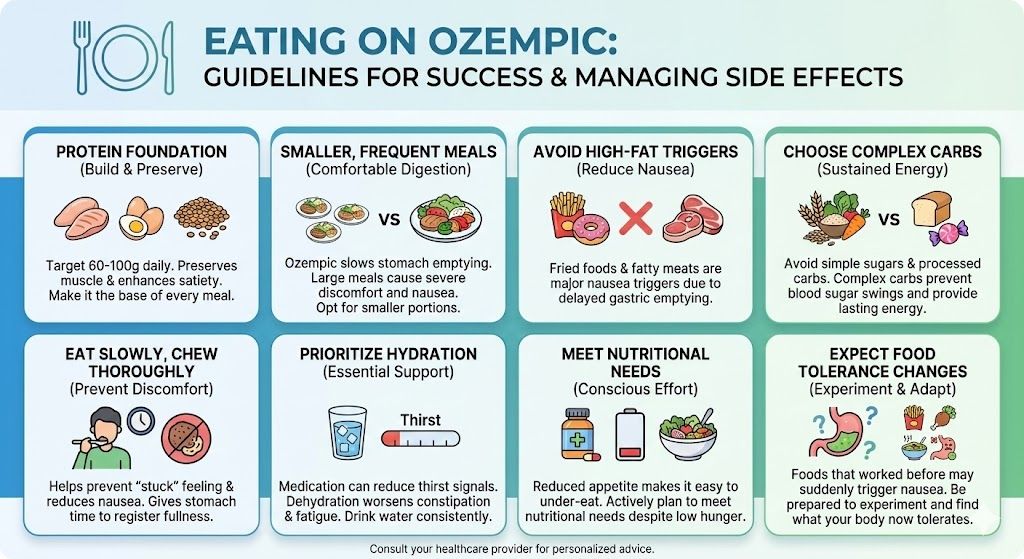
Nausea is the most frequently reported side effect, affecting roughly 20% of users. It’s usually worst during dose increases and tends to improve over time. Eating smaller meals, avoiding fatty foods, and staying hydrated can help.
Decreased appetite is technically a desired effect, but it can feel strange at first. Some people describe feeling no interest in food at all during early weeks. This usually balances out over time.
Digestive changes including constipation, diarrhea, or sulfur burps affect some users. These typically improve as your body adjusts.
Fatigue sometimes occurs early in treatment, possibly related to reduced calorie intake. Ensuring adequate protein and hydration can help.
If side effects are severe, talk to your provider. Sometimes staying at a lower dose longer before increasing can help your body adjust more comfortably.
What Comes After 6 Weeks?
The good news is that weight loss typically accelerates after the initial adjustment period. Here’s what research shows about longer term results:
At 12 weeks: Average weight loss of 5% to 6% of starting weight. Appetite changes are well established, and visible changes become more noticeable.
At 6 months: Average weight loss of 10% to 12%. This is often when people see significant changes in how clothes fit and how they feel.
At 12 months: Average weight loss of 14% to 15%. Most people reach their maximum weight loss somewhere between 12 and 18 months.
The STEP trials showed that weight loss continued through week 60 before plateauing. This means your six week results are just the beginning of a much longer trajectory.
When to Reassess Your Approach
While patience is important, there are times to consider whether something needs to change:
If you’ve lost nothing after 6 weeks and experienced no appetite changes, discuss this with your provider. You might need a dose adjustment or additional evaluation.
If side effects remain severe and aren’t improving, you might benefit from a slower titration schedule or a different approach.
If you’re losing weight too quickly (more than 1% per week consistently), let your provider know. Very rapid weight loss can have its own risks.
For most people, though, six weeks is simply too early to make major judgments about whether the medication is working. The real test comes at 12 to 16 weeks.
Getting Started or Continuing Your Journey
Whether you’re considering starting Ozempic or you’re six weeks in and wondering what’s next, TrimRx offers telehealth consultations to help you understand your options. Compounded semaglutide provides an affordable alternative to brand name medications.
You can take the intake quiz to see if you qualify for GLP-1 treatment.
The Bottom Line
Six weeks on Ozempic typically produces weight loss of 2% to 4% of body weight, with belly fat reduction beginning but not yet dramatically visible. This is normal and expected given the medication’s gradual dosing schedule.
The real question isn’t whether you’ve transformed in six weeks. It’s whether you’re seeing early signs that the medication is working: reduced appetite, fewer cravings, and a quieter relationship with food. If those pieces are falling into place, you’re likely on track for meaningful results in the months ahead.
Trust the process, stay consistent, and remember that the most successful outcomes come from thinking in terms of months, not weeks.
This information is for educational purposes and is not medical advice. Consult with a healthcare provider before starting any medication. Individual results may vary.

Transforming Lives, One Step at a Time
Keep reading

Ozempic and Social Isolation: When Food Was How You Connected
This is a real cost of treatment and it does not get discussed much, partly because it sounds minor next to the medical benefits….
Can’t Comfort Eat on Ozempic and Don’t Feel Better? Why That Happens
Because the eating was doing a job, and removing your capacity to do it does not remove the need it was meeting. That is…

Food Noise Came Back on Ozempic? Whether It’s Your Dose or Your Stress
The pattern tells you more than the intensity does. Food noise that returns gradually over weeks and stays constant points toward the medication. Food…


