Mounjaro 3 Month Results: What to Expect
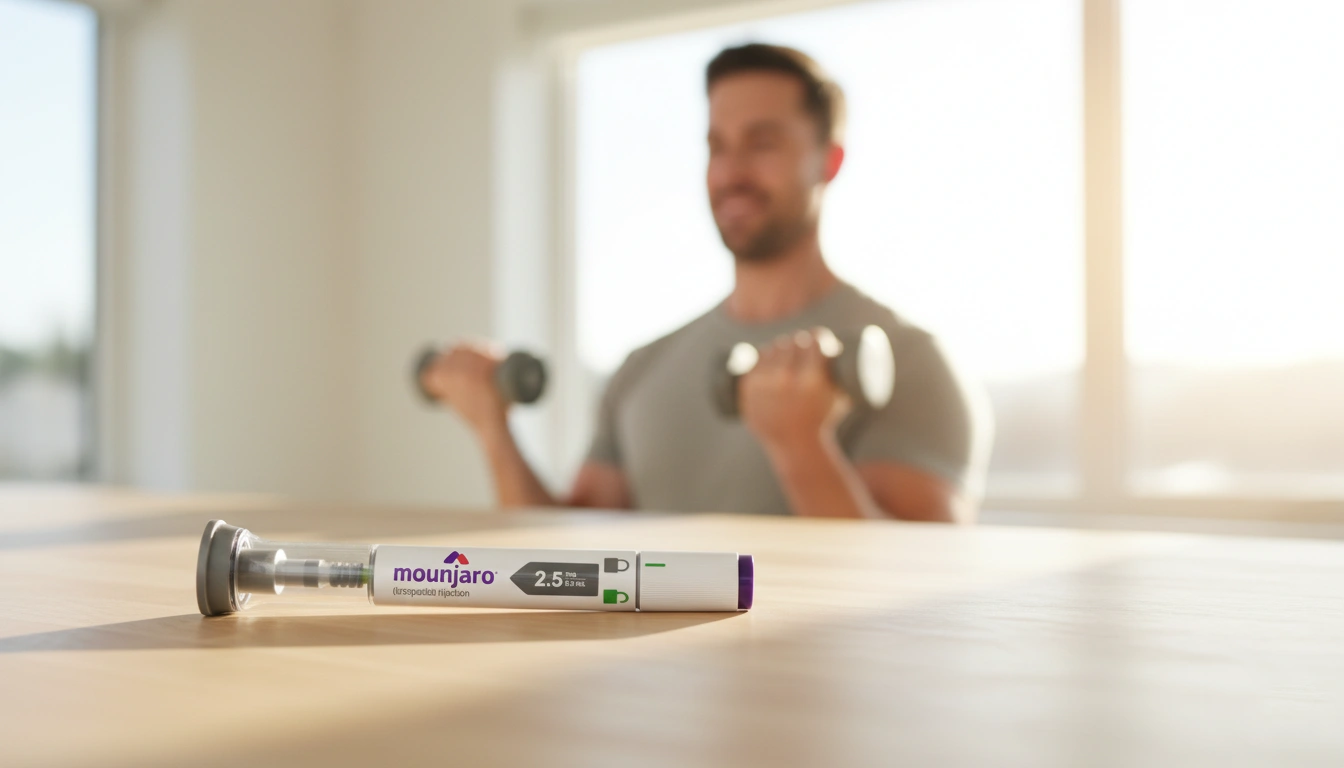
After three months on Mounjaro (tirzepatide), most people lose between 4% and 7% of their starting body weight.
Clinical trial data from the SURMOUNT-1 study shows that 82% of participants achieved at least 5% weight loss by week 12. For someone starting at 220 pounds, that translates to roughly 9 to 15 pounds lost in three months.
These early results matter because they predict long-term success. A post hoc analysis of the SURMOUNT-1 data found that “early responders” who lost 5% or more by week 12 went on to lose an average of 22.5% by week 72, compared to 11% for those who responded more slowly.
Understanding the 3-Month Timeline
The first three months on Mounjaro involve gradual dose increases designed to minimize side effects while building toward therapeutic levels. Here’s what the standard titration looks like:
- Weeks 1 to 4: 2.5 mg (starter dose)
- Weeks 5 to 8: 5 mg
- Weeks 9 to 12: 7.5 mg
By month three, you’re approaching the mid-range doses where weight loss typically accelerates. The maximum dose of 15 mg isn’t reached until around week 20, which means the best results are still ahead.
What the Research Shows
The SURMOUNT-1 trial enrolled over 2,500 adults with obesity or overweight and tracked their progress on tirzepatide for 72 weeks. At the three-month mark, participants showed clear dose-dependent results:
| Dose | Average Weight Loss at Week 12 |
|---|---|
| 5 mg | ~4% |
| 10 mg | ~5-6% |
| 15 mg | ~6-7% |
These percentages translate to meaningful weight changes. Someone starting at 250 pounds could expect to lose 10 to 18 pounds in the first three months, depending on their dose and individual response.
Early Response Predicts Long-Term Success
One of the most useful findings from the clinical data is that your three-month results can predict where you’ll end up. The SURMOUNT-1 post hoc analysis divided participants into two groups based on their week 12 progress:
Early responders (5%+ weight loss by week 12) made up 82% of participants and went on to achieve an average of 22.5% total weight loss by week 72.
Late responders (less than 5% by week 12) still achieved meaningful results, with an average of 11% total weight loss by week 72.
The takeaway: even if your three-month results seem modest, staying the course typically leads to significant improvements as you reach higher doses.
Realistic Expectations by Starting Weight
Here’s what 4% to 7% weight loss looks like at different starting points:
| Starting Weight | 4% Loss | 7% Loss |
|---|---|---|
| 180 lbs | 7 lbs | 13 lbs |
| 200 lbs | 8 lbs | 14 lbs |
| 220 lbs | 9 lbs | 15 lbs |
| 250 lbs | 10 lbs | 18 lbs |
| 280 lbs | 11 lbs | 20 lbs |
These numbers represent averages. Some people lose more, others less. Factors like starting weight, metabolic health, diet quality, and physical activity all influence individual results.
Month-by-Month Breakdown
Month 1 (2.5 mg): The starter dose focuses on tolerability rather than weight loss. Most people notice appetite changes but minimal scale movement. Expect 1% to 2% loss if any.
Month 2 (5 mg): Weight loss becomes more noticeable as you reach the first therapeutic dose. Appetite suppression strengthens, and most people report feeling satisfied with smaller portions.
Month 3 (7.5 mg): Results accelerate. By now, the medication has reached steady state in your system, and the cumulative effect of reduced calorie intake shows clearly on the scale.
Signs Tirzepatide Is Working
Beyond the scale, look for these indicators that the medication is doing its job:
Reduced appetite between meals is the most reliable sign. You might find yourself forgetting to eat or feeling indifferent to foods that once felt irresistible.
Smaller portions becoming satisfying suggests the medication is affecting your satiety signals properly.
Less “food noise” means fewer intrusive thoughts about eating. Many people describe this as the most transformative early change.
Improved energy often accompanies weight loss as your body becomes more efficient at using fuel.
If you’re experiencing these changes, you’re likely on track for continued success even if the scale hasn’t moved as much as you hoped.
Managing Side Effects in the First 3 Months
Gastrointestinal side effects are common during dose escalation. The SURMOUNT trials reported nausea, diarrhea, and constipation as the most frequent complaints, typically peaking when doses increase and subsiding within a week or two.
Nausea: Eat smaller, more frequent meals. Avoid lying down right after eating. Bland foods tend to be easier to tolerate.
Constipation: Stay hydrated and include fiber-rich foods. Gentle movement helps keep things moving.
Diarrhea: Usually temporary during dose changes. Avoid fatty or greasy foods until it resolves.
Some people also experience sulfur burps, which can be managed by eating slowly and avoiding carbonated beverages.
What Happens After Month 3
The three-month mark is just the beginning. Here’s what typical progression looks like:
- Month 6: 12% to 15% total weight loss
- Month 9: 16% to 19% total weight loss
- Month 12+: 20% to 22% total weight loss (at maximum dose)
The SURMOUNT-1 trial showed that participants on the highest dose (15 mg) achieved an average of 22.5% weight loss by week 72. That’s more than double what most people see at three months.
How Mounjaro Compares to Alternatives
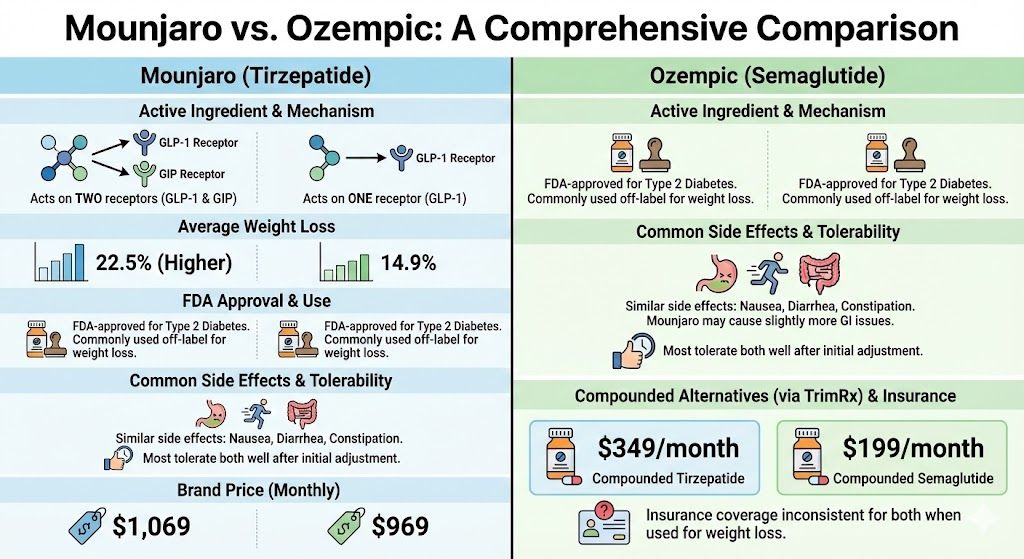
Tirzepatide works differently than single-receptor medications like semaglutide. As a dual GIP/GLP-1 receptor agonist, it targets two hormonal pathways involved in appetite and metabolism.
Head-to-head data from the SURMOUNT-5 trial showed tirzepatide produced 20.2% weight loss at 72 weeks compared to 13.7% for semaglutide. Both medications work well, but tirzepatide tends to produce greater weight loss for most people.
When to Talk to Your Provider
Certain situations warrant a conversation with your healthcare provider before the three-month mark:
- No appetite changes at all by week 8
- Severe or persistent nausea that interferes with eating
- Weight gain despite following dietary recommendations
- Signs of dehydration from GI side effects
Your provider can adjust your titration schedule, address side effects, or evaluate whether a different approach might work better.
Getting Started With Tirzepatide
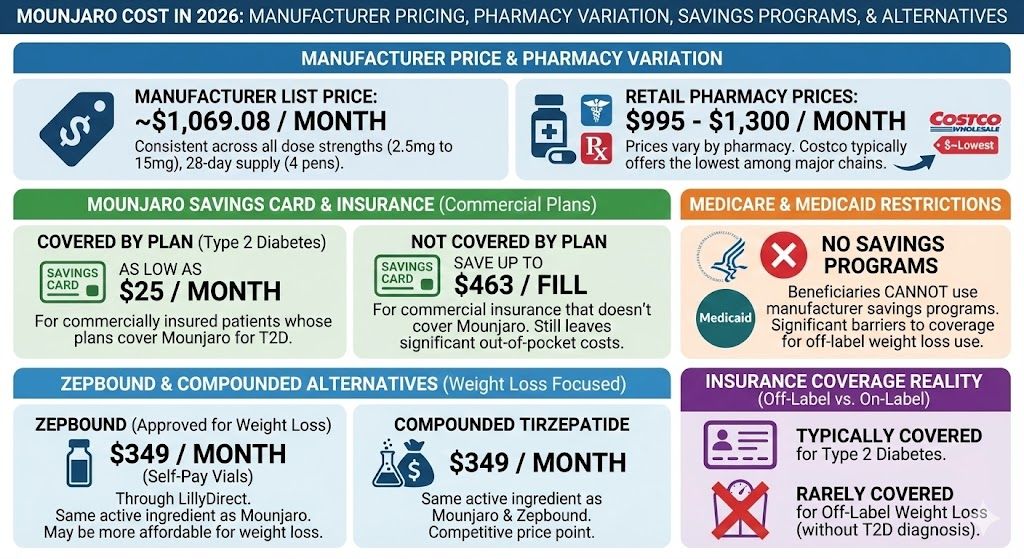
If you’re considering Mounjaro or compounded tirzepatide for weight loss, TrimRx offers telehealth consultations to help you understand your options. Compounded tirzepatide provides the same active ingredient at more accessible prices.
You can take the intake quiz to see if you qualify.
The Bottom Line
Three months on Mounjaro typically produces 4% to 7% weight loss, with 82% of clinical trial participants achieving at least 5% reduction by week 12. While these early results may seem modest compared to the dramatic transformations you see online, they represent the foundation for much greater changes ahead.
Early response predicts long-term success, and even “late responders” go on to lose significant weight. Trust the process, manage side effects proactively, and know that the best results come with time and consistency.

Transforming Lives, One Step at a Time
Keep reading

Mounjaro Alternatives: What Else to Consider
If Mounjaro isn’t the right fit, the closest alternatives are other GLP-1 medications, chiefly semaglutide (Ozempic for diabetes, Wegovy for weight), along with a…

Mounjaro vs Zepbound: Same Drug, Two Brands
Like their semaglutide counterparts, Mounjaro and Zepbound are the same medication (tirzepatide) sold under two names for two purposes: Mounjaro is approved for type…

Retatrutide vs Mounjaro: Triple Agonist vs Dual Agonist
The core difference between retatrutide and Mounjaro comes down to how many hormone targets each hits: retatrutide activates three receptors, while Mounjaro (tirzepatide) activates…


