How Long Can You Take Ozempic for Weight Loss In 2026?
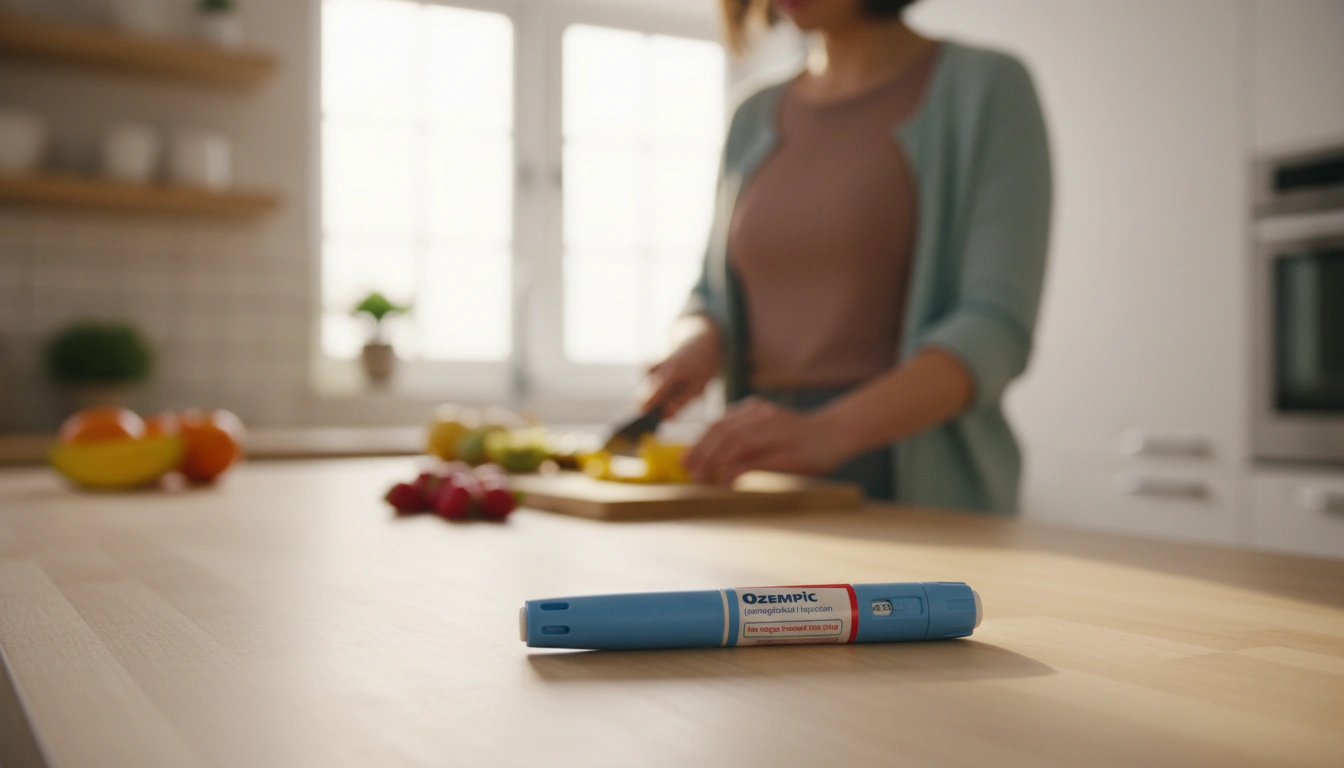
There is no set time limit for taking Ozempic for weight loss. Current medical evidence supports long-term, ongoing use for as long as the medication continues to be effective, well-tolerated, and clinically appropriate. Semaglutide (Ozempic’s active ingredient) has been studied in trials lasting up to two years with continued safety and efficacy, and many patients use it indefinitely under provider supervision. The reason for this is straightforward: obesity is a chronic condition, and the research consistently shows that stopping semaglutide leads to significant weight regain in most patients.
Here’s what the data actually says, how long-term use works in practice, and how to think about the timeline for your own treatment.
What the Research Shows About Long-Term Use
The longest published clinical trial data for semaglutide in weight management comes from the STEP program. The STEP 1 trial (Wilding et al., NEJM, 2021) followed participants on semaglutide 2.4 mg for 68 weeks (about 16 months) and found an average weight loss of 14.9% of body weight. Participants who continued the medication maintained their weight loss throughout the study period. Those who stopped regained a substantial portion within a year.
The STEP 5 extension study tracked patients for two full years on semaglutide 2.4 mg. Weight loss was maintained throughout, with no new safety signals emerging during the extended treatment period. This is the strongest evidence we currently have that semaglutide remains effective and safe over multi-year use.
Beyond formal trials, real-world prescribing data now extends to four-plus years for some patients, particularly those who began using Ozempic for diabetes shortly after its 2017 approval. While this real-world evidence isn’t as controlled as trial data, it consistently shows that patients who stay on the medication maintain their results, and those who stop tend to regain.
The FDA has not placed a maximum duration on Ozempic or Wegovy treatment. The current clinical consensus treats semaglutide for weight management similarly to how we treat medications for hypertension or high cholesterol: as ongoing therapy for a chronic condition, not a short-term fix.
Why Ozempic Is Considered Long-Term Treatment
This is the part that surprises some patients. Many people start Ozempic expecting to use it for six months or a year, lose their target weight, and then stop. The research doesn’t support that approach for most people.
Here’s why. Obesity involves dysregulation of hormones that control hunger, satiety, and metabolic rate. These include leptin, ghrelin, insulin, and several gut hormones. When you lose weight through any method, your body responds by increasing hunger hormones and decreasing satiety signals, essentially pushing you back toward your previous weight. This isn’t a willpower failure. It’s a documented biological response that persists for years after weight loss.
Semaglutide works by counteracting these hormonal shifts. It suppresses appetite, improves satiety signaling, and helps your body maintain a lower weight set point. When you remove the medication, those counterregulatory hormones reassert themselves, appetite increases, and weight regain follows.
The semaglutide timeline shows how weight loss progresses during active treatment. What it doesn’t show, but what the data makes clear, is that the medication’s benefits depend on continued use.
This doesn’t mean every patient needs to stay on Ozempic forever. But it does mean that stopping should be a deliberate, informed decision made with your provider, not an assumption that you’ll maintain results without the medication.
Is Long-Term Use Safe?
Based on current evidence, yes. Semaglutide has a well-characterized safety profile that has been consistent across short-term and long-term studies.
The most common side effects (nausea, diarrhea, constipation, decreased appetite) are predominantly GI-related and tend to be most pronounced during dose escalation. Most patients find that these effects stabilize or resolve entirely once they reach their maintenance dose. In long-term trials, the side effect profile at 68 weeks and beyond was similar to what was observed during the initial treatment period. No new categories of side effects emerged with extended use.
More serious but rare risks include pancreatitis, gallbladder events, and a theoretical concern about medullary thyroid carcinoma (based on rodent studies, not confirmed in humans). These risks exist but are low in absolute terms, and they don’t appear to increase with longer duration of use.
Standard monitoring for long-term semaglutide use includes periodic bloodwork (metabolic panel, thyroid function, lipids) and regular check-ins with your provider. This isn’t fundamentally different from monitoring for any chronic medication.
One area where long-term data is still developing is outcomes beyond five years. Semaglutide for weight loss is a relatively recent application, and while the existing data is reassuring, truly long-term studies (10+ years) haven’t been completed yet. This is worth acknowledging honestly, though nothing in the current data raises red flags about extended use.
What Happens When You Stop
The data on this is clear and consistent: most patients regain a significant portion of their lost weight after discontinuing semaglutide.
The STEP 1 trial extension showed that participants who stopped semaglutide after 68 weeks regained approximately two-thirds of their lost weight within one year of discontinuation. Appetite returned to near-baseline levels, calorie intake increased, and the metabolic advantages of the medication disappeared.
This doesn’t happen because people “go back to old habits” (though that can contribute). It happens because the biological drivers of weight regain, those hunger and metabolism hormones, are no longer being managed by the medication.
The article on what happens when you stop taking semaglutide goes into this in more detail. The short version: if you’re considering stopping, do it with a plan, not abruptly, and understand that weight maintenance without the medication requires significantly more effort and vigilance.
Can You Take a Lower Dose Long-Term?
This is an active area of clinical interest. Some providers are experimenting with maintenance dosing strategies where patients who’ve reached their goal weight step down to a lower dose rather than stopping entirely.
The logic is sound. If the full dose was needed to produce weight loss, perhaps a lower dose can maintain the results without the same level of appetite suppression. This approach could also reduce side effects and lower medication costs over time.
The formal evidence for this is still limited. The STEP 4 trial provided some relevant data: patients who were switched from semaglutide to placebo after reaching a stable weight regained significantly, while those who continued at the treatment dose maintained their loss. What the trial didn’t test directly was a reduced maintenance dose between the two extremes.
In practice, many providers do try dose reduction for maintenance. The Ozempic plateau article discusses dose optimization strategies that are relevant here. If you and your provider decide to try a lower maintenance dose, the key is close monitoring. If weight starts creeping up after a dose reduction, returning to the effective dose promptly can prevent significant regain.
How Cost Affects the Long-Term Equation
The reality of long-term medication use is that cost becomes a major factor. Brand Ozempic without insurance runs over $900 monthly. Even with insurance, copays and prior authorization renewals can create ongoing financial pressure.
This is one reason compounded semaglutide has become popular for long-term use. TrimRx’s compounded semaglutide offers the same active ingredient at a significantly lower monthly cost, which makes indefinite use more financially sustainable for many patients. When you’re looking at years of treatment rather than months, the cost difference compounds substantially.
Some patients also explore periodic breaks from medication to reduce costs, using semaglutide during active weight loss phases and then pausing during maintenance with close weight monitoring. This is a reasonable strategy for some people, though it requires discipline and rapid re-initiation if weight regain begins.
What About Switching Medications for Long-Term Use?
Some patients who’ve been on Ozempic long-term explore switching to tirzepatide for continued or enhanced results. The tirzepatide weight loss results show that the dual-receptor mechanism produces greater average weight loss than semaglutide, and some patients find that switching to compounded tirzepatide after a semaglutide plateau provides renewed progress along with a potential change in their long-term maintenance strategy.
This isn’t necessary for everyone. Many patients maintain excellent results on semaglutide alone for years. But it’s an option worth knowing about if your response to semaglutide diminishes over time.
Practical Guidelines for Long-Term Ozempic Use
Work with your provider to establish a monitoring schedule. Typically this includes bloodwork every six to twelve months (metabolic panel, thyroid function, lipids, HbA1c if applicable) and regular weight and body composition assessments.
Continue lifestyle habits that support the medication’s effects. Resistance training, adequate protein intake, good sleep, and stress management aren’t just nice-to-haves. They’re the foundation that makes long-term medication use most effective.
Reassess periodically. Every six to twelve months, have a conversation with your provider about whether your current dose is still optimal, whether any new medical factors have emerged, and whether your treatment plan needs adjustment.
Don’t stop abruptly. If you and your provider decide to discontinue or reduce your dose, do it gradually with a monitoring plan in place. Abrupt cessation maximizes the likelihood of rapid weight regain.
If cost is a barrier to long-term use, explore compounded options and copay assistance programs. Staying on an effective medication at a sustainable price is better than cycling on and off brand medication because of cost fluctuations.
TrimRx offers ongoing telehealth support for patients on long-term GLP-1 therapy, including regular provider check-ins and affordable compounded medication options. If you’re thinking about your long-term treatment plan, the intake quiz can connect you with a provider who can help you map out a sustainable approach.
This information is for educational purposes and is not medical advice. Consult with a healthcare provider before starting any medication. Individual results may vary.

Transforming Lives, One Step at a Time
Keep reading

Ozempic and Social Isolation: When Food Was How You Connected
This is a real cost of treatment and it does not get discussed much, partly because it sounds minor next to the medical benefits….

Can’t Comfort Eat on Ozempic and Don’t Feel Better? Why That Happens
Because the eating was doing a job, and removing your capacity to do it does not remove the need it was meeting. That is…

Food Noise Came Back on Ozempic? Whether It’s Your Dose or Your Stress
The pattern tells you more than the intensity does. Food noise that returns gradually over weeks and stays constant points toward the medication. Food…


