Microdosing GLP-1: The Truth Behind the 2026 Wellness Trend
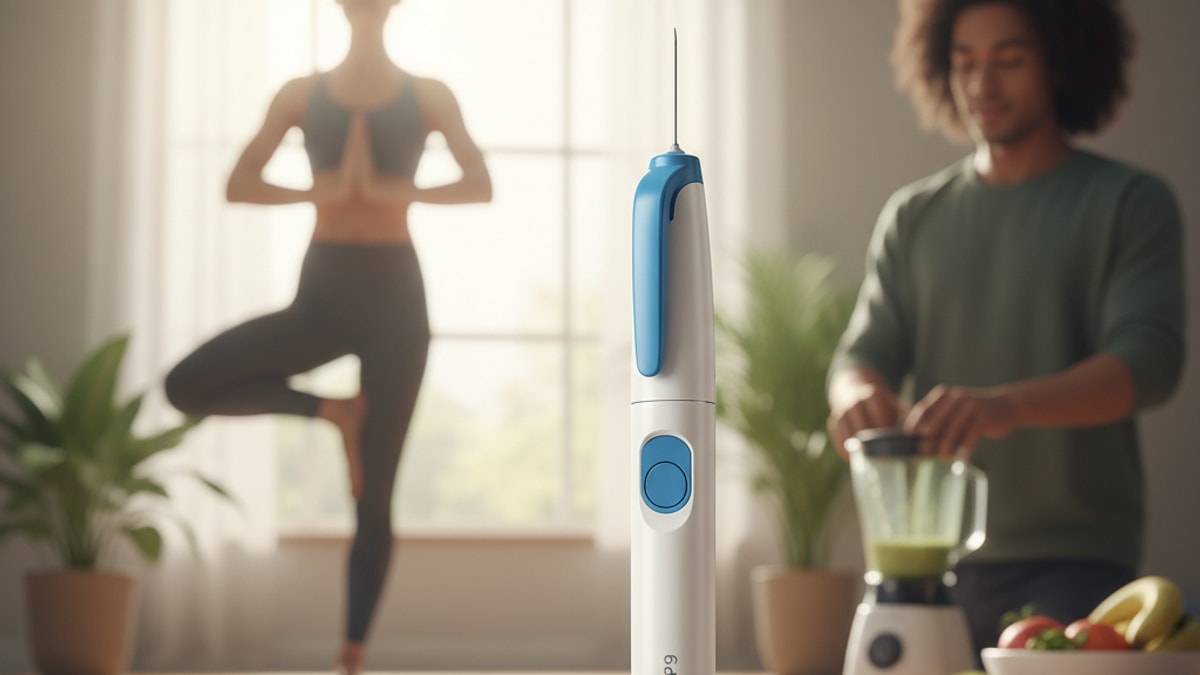
The term is everywhere in 2026. You've probably seen it pop up in wellness forums, on social media threads, or heard it whispered in conversations about health optimization. "Microdosing GLP-1." It sounds intriguing, almost like a bio-hack or a clever workaround to harness the power of medications like Semaglutide and Tirzepatide without the full commitment. But what does it actually mean? And more importantly, is it a legitimate medical strategy or a dangerous detour from a proven path?
Let's be direct. As a medical team that works with GLP-1 receptor agonists every single day, we've seen the incredible, life-changing results these treatments can offer when administered correctly. We've also seen the confusion and misinformation that can bubble up online. Our goal here isn't to dismiss the questions people have. It's to answer them with unflinching, medically-sound clarity. We're going to pull back the curtain on the concept of microdosing GLP-1s, explore why it's become a trending topic, and lay out the clinical realities—the good, the bad, and the genuinely risky.
So, What Exactly is Microdosing GLP-1?
First things first: "microdosing GLP-1" is not a medical term. You won't find it in clinical literature or FDA guidelines. It's a user-generated phrase, borrowed from the world of psychedelics, that has been co-opted to describe the practice of taking very small, sub-therapeutic doses of GLP-1 medications.
This is a critical distinction.
In a standard, medically-supervised protocol—the kind we design for our patients at TrimrX—doses are carefully determined based on extensive clinical trials. A patient typically starts on a low introductory dose and gradually titrates up over several weeks or months. This titration schedule is designed to allow the body to acclimate, minimize side effects, and slowly reach a dose that is proven to be therapeutically effective for weight loss or glycemic control. Each step is deliberate and evidence-based.
Microdosing, as the online zeitgeist defines it, throws that playbook out the window. It involves taking a dose significantly lower than even the approved starting dose, with no plan for titration. The idea is to get a 'hint' of the drug's effects—maybe a slight reduction in food noise or a tiny curb in appetite—without committing to a full therapeutic regimen. It's an attempt to find a loophole. But in medicine, loopholes often lead to dead ends. Or worse.
The "Why" Behind the Trend: What's the Supposed Appeal?
To understand why this trend has gained any traction at all, we have to look at the motivations behind it. And honestly, they're understandable, even if the approach is flawed. Our team has talked with thousands of patients, and we hear the same concerns repeatedly.
- Fear of Side Effects: This is the big one. GLP-1s are powerful medications, and the initial side effects, like nausea, fatigue, and digestive upset, can be formidable for some. The idea of taking a tiny dose to sidestep this acclimatization period is tempting. It feels like a gentler on-ramp.
- Cost Concerns: These medications can be expensive, and some people may see microdosing as a way to stretch a vial or pen, making the treatment more affordable. They might try to take a quarter of the prescribed dose to make it last four times as long.
- Weight Maintenance: Some individuals who have already reached their goal weight might consider microdosing as a way to maintain their results without being on a full therapeutic dose, fearing they'll regain the weight if they stop completely.
- The "Bio-Hacker" Mentality: For a certain subset of the wellness community, there's a drive to optimize and tweak everything. Microdosing fits neatly into this ethos of n-of-1 experimentation, treating the body like a system to be hacked rather than a complex organism requiring evidence-based care.
We get it. These motivations come from a real place. The desire to feel better, save money, and maintain hard-won progress is universal. The problem isn't the 'why'; it's the 'how.' The method—unsupervised, sub-therapeutic dosing—is where this concept veers from a logical desire into a genuinely risky practice.
The Clinical Reality: Does Microdosing GLP-1 Actually Work?
This is where we need to be incredibly direct. Based on decades of pharmaceutical research and our own extensive clinical experience, the answer is a resounding no. Taking a sub-therapeutic dose of a GLP-1 medication is highly unlikely to produce the clinical outcomes you're looking for, specifically significant weight loss or blood sugar control.
Here's the science behind why.
These medications work on a dose-response relationship. This means the magnitude of the effect is directly related to the concentration of the drug at its site of action (in this case, the GLP-1 receptors in your brain, gut, and pancreas). Clinical trials have spent years and billions of dollars identifying the minimum effective dose and the optimal therapeutic dose. There is a threshold that must be crossed for the medication to trigger the cascade of effects we want: significant appetite suppression, delayed gastric emptying, and improved insulin sensitivity.
Think of it like a light switch with a dimmer. A microdose is like turning the dimmer up just enough to make the filament glow faintly. You can tell it's on, but it's not illuminating the room. You're not getting the intended benefit. A proper therapeutic dose is what actually turns the lights on. You might get a fleeting, almost placebo-level reduction in appetite from a microdose, but you won't get the sustained, powerful satiety signaling that drives real, meaningful weight loss.
Our team has found that this is a major source of frustration. Patients who have tried this approach on their own often come to us saying, "Semaglutide didn't work for me." But it wasn't the medication that failed; it was the strategy. They never took a sufficient dose to allow it to work its magic. It's a wasted effort, a wasted expense, and a crushing blow to morale.
The Risks We Can't Ignore: A Sobering Look
Beyond just being ineffective, experimenting with microdosing GLP-1s carries substantial risks that the online forums don't talk about. We can't stress this enough: this isn't a harmless experiment.
The Sourcing Danger: Where is this microdose coming from? Since it's not a prescribed method, people often turn to unregulated sources. This could mean using compounded pharmacies of questionable quality or, far worse, black-market research chemicals. When you go off-script, you lose all guarantees of sterility, purity, dosage accuracy, and safety. The risk of contamination or receiving an entirely different substance is terrifyingly real.
Inaccurate Dosing: Let's say you're trying to split a dose from a legitimate pen. These devices are calibrated for specific dose increments. Trying to eyeball a fraction of a prescribed dose is a recipe for disaster. You could be getting wildly inconsistent amounts of the drug, leading to a roller coaster of minor effects and side effects with no therapeutic benefit.
Lack of Medical Oversight: When you're on a proper treatment plan, like the one we offer at TrimrX, you have a medical team monitoring your progress, managing side effects, and making adjustments. If you're microdosing on your own, who do you call when you feel unwell? Who is tracking your health markers? You're flying blind, and with powerful medications, that's a formidable risk.
False Sense of Security (or Failure): A microdose might produce a tiny effect that makes you think you're getting a benefit, preventing you from seeking a truly effective treatment plan. Or, more likely, it will do nothing, leading you to abandon a class of medication that could have genuinely changed your life if used correctly. It's a lose-lose scenario.
Standard Protocol vs. Microdosing: A Head-to-Head Comparison
To make the distinction crystal clear, let's break down the differences between a structured, medically-supervised GLP-1 protocol and the user-driven concept of microdosing.
| Feature | Medically-Supervised Protocol (The TrimrX Way) | "Microdosing" (User-Driven Trend) |
|---|---|---|
| Dosing Strategy | Evidence-based titration schedule. Starts low and gradually increases to a proven, effective maintenance dose under clinical guidance. | Arbitrary, sub-therapeutic low dose taken indefinitely. No clinical basis or titration plan. |
| Medical Oversight | Continuous monitoring by a medical team. Side effect management, progress tracking, and personalized adjustments are standard. | None. The individual is completely on their own, with no professional guidance, monitoring, or safety net. |
| Medication Source | FDA-registered medications sourced from licensed pharmacies. Purity, potency, and sterility are guaranteed. | Often sourced from unregulated compounding pharmacies or the black market. High risk of contamination, incorrect dosage, or fake product. |
| Efficacy & Safety | Backed by extensive, large-scale clinical trials demonstrating significant weight loss and safety when used as directed. | No data. Efficacy is unproven and likely negligible. Safety is completely unknown and potentially compromised by source and dosage. |
| Goal | To achieve and sustain a clinically significant, therapeutic effect (e.g., 15-20%+ body weight loss) for long-term health improvement. | Varies. Often to avoid side effects or costs, but without achieving the primary therapeutic goal of the medication. |
| Potential Outcome | Life-changing, sustainable weight loss, improved metabolic health, and reduced risk of obesity-related diseases. | Wasted money, potential health risks from unknown sources, and the psychological frustration of a failed attempt. |
Seeing it laid out like this makes the choice pretty clear, doesn't it?
A Smarter Approach: The Importance of Medical Supervision
The irony is that the standard medical protocol for GLP-1s already incorporates the core principle that microdosing gets right: starting low and going slow. That's precisely what a titration schedule is! It's the medically-validated, safe, and effective way to achieve what microdosers are often seeking—a more comfortable adaptation to the medication.
When you work with a qualified provider, you're not just handed a prescription and sent on your way. You're entering a partnership. If you experience nausea, we don't just tell you to 'tough it out.' We have a toolbox of strategies. We can recommend dietary changes, adjust the timing of your dose, or provide supportive therapies to manage those exact side effects. In some cases, we might even slow down your titration schedule to give your body more time to adjust. It's a dynamic, responsive process.
This is the crucial, non-negotiable element that's missing from the microdosing conversation: expert guidance. A program like ours at TrimrX is comprehensive. It's about ensuring you're on the right medication at the right dose, but it's also about the nutritional counseling, lifestyle adjustments, and continuous support that turn a powerful medication into a truly transformational health journey. This is why a structured program is the only path we endorse for safety and success. If you're ready to explore a medically-sound approach, our team is here to help. You can Start Your Treatment Now and have a conversation with a real clinician.
What Our Team Recommends for Managing GLP-1 Side Effects
Since managing side effects is a primary motivator for those curious about microdosing, let's share some of the proven strategies we recommend to our patients. These simple adjustments can make a world of difference, especially in the first few weeks of treatment, and they don't require going off-label with your dosage.
- Hydrate, Hydrate, Hydrate: Dehydration can worsen nausea and fatigue. We recommend keeping a water bottle with you at all times and sipping throughout the day. Adding electrolytes can also be incredibly helpful.
- Prioritize Protein: Focus on smaller, more frequent meals centered around lean protein. Protein promotes satiety and can help stabilize energy levels, mitigating some of the fatigue patients feel.
- Avoid High-Fat & Sugary Foods: Greasy, fatty, or very sweet foods are common triggers for nausea in patients on GLP-1s. The medication slows digestion, and these foods can sit in the stomach for too long, causing discomfort.
- Eat Slowly and Mindfully: Pay attention to your body's fullness cues. Because of the delayed gastric emptying, you'll feel full much faster and on much less food. Stop eating when you're satisfied, not stuffed.
- Consider Injection Timing: Some patients find that injecting their dose in the evening helps them sleep through the initial peak of potential side effects. It's a small change that can have a big impact on your day.
These are the kinds of real, actionable strategies that a medical team provides. It's about working with the medication according to its clinical design, not trying to invent a new, unproven way to use it.
The wellness landscape in 2026 is sprawling and often confusing. It's filled with promising innovations but also with tempting shortcuts that lead nowhere. The concept of microdosing GLP-1s falls squarely into the latter category. It's a misguided trend born from valid concerns but executed with a flawed and risky method. The real path to success with these incredible medications isn't found in a bio-hack or an online forum—it's found in a partnership with medical experts who can guide you through a proven, safe, and effective protocol. It's about respecting the science and trusting the process that has already been shown to change lives for the better.
Frequently Asked Questions
Is microdosing GLP-1 medications safe?
▼
No, it is not considered safe or medically recommended. The practice involves using sub-therapeutic doses without clinical supervision, often from unregulated sources, which carries significant risks including lack of efficacy, contamination, and inaccurate dosing.
Can you microdose Semaglutide or Tirzepatide?
▼
While it’s technically possible to administer a very small dose, it is not a clinically recognized or effective strategy for weight loss or diabetes management. These medications are designed to work at specific, evidence-based therapeutic doses.
What is the lowest effective dose of a GLP-1 medication?
▼
The lowest effective dose varies by medication and individual. The standard protocol involves starting at a low, non-therapeutic dose and gradually titrating up to a level clinically proven to be effective, all under a doctor’s supervision.
Why do people want to microdose GLP-1s?
▼
The primary motivations are typically to avoid potential side effects like nausea, to reduce the cost of the medication, or for weight maintenance. However, our team finds these goals are much more safely and effectively achieved through a proper, medically-supervised treatment plan.
Does microdosing help with weight loss maintenance?
▼
There is no clinical evidence to support this. Effective weight maintenance often requires staying on a proven therapeutic dose. A microdose is unlikely to be sufficient to prevent weight regain once active weight loss has stopped.
Is it cheaper to microdose GLP-1s?
▼
While it may seem cheaper in the short term to use less medication, it’s ultimately a waste of money. A dose that is too low to be effective provides no health benefit, meaning you’re paying for a treatment that isn’t working.
What’s the difference between a titration schedule and microdosing?
▼
A titration schedule is a medically-approved method of starting at a low dose and gradually increasing to a proven effective dose. Microdosing is the unapproved practice of staying on an arbitrary, sub-therapeutic dose indefinitely.
Can I split my GLP-1 pen to get a microdose?
▼
We strongly advise against this. Injection pens are not designed to be split or deliver doses outside of their calibrated settings. Attempting to do so is dangerous and can lead to highly inaccurate, ineffective, and unsafe dosing.
Are there any clinical studies on microdosing GLP-1s?
▼
No. There is no legitimate clinical research supporting the concept of microdosing GLP-1 agonists for weight loss or any other condition. All existing research is based on standard, therapeutic dosing protocols.
How does TrimrX handle patients who are sensitive to GLP-1s?
▼
Our medical team works closely with sensitive patients. We can slow down the titration schedule, provide robust strategies for side effect management, and offer supportive care to ensure the treatment is as comfortable and effective as possible.
What if I experience severe nausea on a standard GLP-1 dose?
▼
If you experience severe side effects, it’s crucial to contact your medical provider immediately. At TrimrX, we would work with you to adjust your plan, which might involve pausing titration or implementing more intensive side effect management strategies.
Is it better to take a microdose than no dose at all?
▼
No. Taking an ineffective dose provides no benefit and can create a false sense of failure or security, preventing you from seeking a proper, effective medical treatment. It’s better to work with a provider to find a tolerable, effective plan.

Transforming Lives, One Step at a Time
Keep reading
What Labs Should Your Doctor Run Now That You’re on a GLP-1?
There is no universal panel, and anyone handing you a fixed list is guessing about your situation. What gets checked depends on what conditions…
Can’t Eat Enough Protein on a GLP-1? Why It Matters and What Helps
This is one of the most common difficulties on these medications, and the tension in your question is real: protein is the thing most…
Type 2 Diabetes Medications and a New GLP-1: What to Tell Your Doctor
Tell whoever prescribed the GLP-1 exactly what diabetes medications you take, at what doses, before your first injection. That conversation needs to happen first,…


