How to Get GLP-1 Cheap in 2026: Our Unflinching Guide
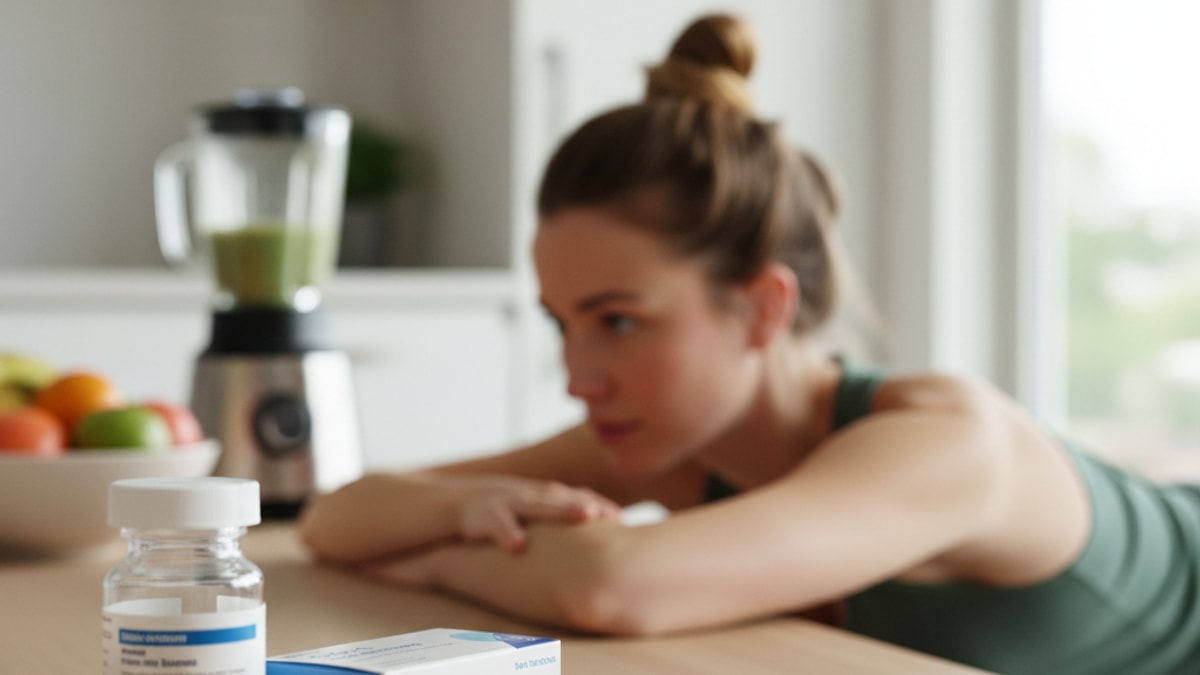
The Sticker Shock is Real: Why is Everyone Asking How to Get GLP-1 Cheap?
Let's be honest. You've seen the headlines, you've heard the success stories, and you're interested in what GLP-1 medications like Semaglutide and Tirzepatide can do. Then you saw the price tag. And it felt like hitting a brick wall. If you're here, it’s likely because the retail cost of these revolutionary treatments—often soaring well over a thousand dollars a month—feels completely out of reach. You're not alone. Our team at TrimrX speaks with people every single day who are caught in this exact predicament: hopeful about the potential for life-changing results but discouraged by the formidable cost.
The year is 2026, and the landscape for GLP-1s has undergone a significant, sometimes dramatic shift. The initial wave of excitement has now settled into a complex reality of access, affordability, and a sprawling, often confusing market. The demand has never been higher, and with that comes a flood of information, misinformation, and options that range from perfectly legitimate to dangerously risky. Our goal with this guide is to cut through that noise. We've been in the trenches, navigating this world for our patients, and we've learned what works, what doesn't, and what you absolutely must avoid. This isn't just a list of tips; it's a strategic map to help you understand how to get GLP-1 cheap, but more importantly, how to do it safely and effectively.
First, Why the Four-Figure Price Tag?
Before we dive into solutions, it’s crucial to understand the 'why' behind the cost. It’s not arbitrary. These medications are the result of billions of dollars and decades of relentless pharmaceutical research and development. They are complex biologic drugs, not simple pills, and their manufacturing process is intricate. Add to that the ironclad patent protections that give manufacturers a period of market exclusivity to recoup their massive investment. It's a tough pill to swallow when you're the one footing the bill, but it's the reality of the system.
Furthermore, the explosive demand we've witnessed through 2025 and into 2026 has created a perfect storm. When a treatment proves this effective for both type 2 diabetes and weight management, it becomes a blockbuster. Insurers, employers, and healthcare systems are all grappling with how to handle the cost, leading to the complex and often frustrating coverage hurdles many people now face. Understanding this context is the first step toward navigating it successfully.
The Gold Standard: Making Insurance Work for You
Your first and best line of defense against high costs is always existing health insurance. We know, we know—dealing with insurance can feel like a grueling, uphill battle. But it's a battle worth fighting. Success here is the most direct path to an affordable, brand-name medication.
Here’s what we’ve learned navigating this for countless patients:
- Check the Formulary, Then Check It Again: Your insurer's drug formulary is the bible. It's the list of drugs they cover. Don't just look for 'Ozempic' or 'Mounjaro.' Look for the active ingredients, Semaglutide and Tirzepatide. Check which tier the drug is in, as this dictates your copay. Formularies for 2026 have seen a lot of changes, so what was true last year might not be true today.
- The Prior Authorization (PA) Gauntlet: This is where most people get stuck. A PA is essentially your doctor's formal request to the insurance company, proving that the medication is medically necessary for you. This isn't just a simple prescription. It requires detailed documentation of your health history, what other treatments you've tried and failed, and specific diagnostic codes. It’s a meticulous process. A denial doesn't have to be the end of the road, but the appeal process requires persistence.
- Step Therapy Requirements: Many plans in 2026 require 'step therapy.' This means they won't approve an expensive GLP-1 until you've first tried and failed with older, cheaper alternatives (like Metformin). It’s frustrating, but it’s a box you often have to check. Document everything with your doctor.
Our experience shows that a well-prepared PA with thorough medical justification has a much higher chance of approval. This is where having a medical team that understands the insurance game is a critical, non-negotiable element of success.
Tapping into Manufacturer Savings Programs
What if insurance says no, or you're uninsured? The pharmaceutical companies that make these drugs aren't oblivious to the affordability crisis. They offer programs designed to soften the blow, primarily for those with commercial insurance or no insurance at all.
- Copay Cards/Savings Cards: These are for people with commercial insurance, but the coverage is poor, leaving a high copay. The card is applied at the pharmacy and can bring the monthly cost down significantly, sometimes to as low as $25. However, they have annual limits and eligibility rules. They are a fantastic bridge, but they may not be a permanent solution.
- Patient Assistance Programs (PAPs): These are the real deal for the uninsured or underinsured who meet specific, often strict, income requirements. If you qualify, you might get the medication for free or at a very low cost directly from the manufacturer. The application process is comprehensive, requiring proof of income and other financial details. It takes time and effort, but for those who qualify, it’s a lifeline.
We can't stress this enough: these programs are for the brand-name, FDA-approved medications. They are a legitimate and safe way to reduce costs if you meet the criteria.
The Telehealth Transformation: A New Model for Access
Now, this is where it gets interesting. The rise of telehealth has fundamentally changed the game for accessing specialized medical care, including medically-supervised weight loss. This is the space where we at TrimrX operate, and we've built our entire model around solving the access and affordability puzzle.
Instead of the traditional (and often expensive) cycle of specialist visits, separate pharmacy costs, and disjointed follow-ups, telehealth platforms bundle everything. Here's how it generally works:
- Virtual Consultation: You meet with a licensed medical provider online to review your health history, discuss your goals, and determine if you're a suitable candidate for GLP-1 treatment.
- All-Inclusive Pricing: You pay a monthly fee that typically includes the cost of the medication, ongoing medical supervision, supplies, and shipping. This transparency is a game-changer. You know the total cost upfront, with no surprise pharmacy bills.
- Direct-to-You Delivery: If prescribed, the medication is shipped discreetly to your door from a licensed pharmacy.
This model creates affordability by streamlining the process and, in many cases, by working with compounding pharmacies to provide access to the active pharmaceutical ingredients at a lower cost. It's a model that makes treatment accessible to a much broader audience who may have been shut out by insurance denials or high retail prices. If this modern, streamlined approach sounds right for you, you can Start Your Treatment Now and see how our process works.
Compounded GLP-1s: The Deep Dive You Need
This is perhaps the most talked-about and least-understood topic when it comes to getting GLP-1s cheap. It’s also where you need to be the most careful. Let’s break it down with the unflinching clarity you deserve.
Compounding is the practice where a licensed pharmacist combines, mixes, or alters ingredients to create a medication tailored to the needs of an individual patient. It is legal and essential in medicine. In the context of GLP-1s, compounding pharmacies can use the base active pharmaceutical ingredients (APIs) like Semaglutide or Tirzepatide to create injectable solutions. This is often legally permissible when the brand-name drug is on the FDA's official drug shortage list.
But wait, there's more to understand. There are different kinds of compounding pharmacies:
- 503A Pharmacies: These compound medications based on individual patient prescriptions. They are regulated primarily by state boards of pharmacy. The quality and standards can vary widely.
- 503B Facilities: These are 'outsourcing facilities.' They are held to a much higher federal standard, known as Good Manufacturing Practices (GMP), the same standards that apply to large drug manufacturers. They can produce larger batches of compounded drugs and are subject to FDA oversight.
Our team's position is firm: if using a compounded medication, the source matters immensely. We exclusively partner with highly-vetted, reputable pharmacies to ensure our patients receive a product that is tested for potency, sterility, and purity. This is non-negotiable.
The risk with less reputable sources is immense. You could receive a medication that is under-dosed, over-dosed, contaminated, or simply not the drug you think it is. The cost savings are tempting, but they cannot come at the expense of your health. The key is to work with a provider, like TrimrX, that prioritizes safety and transparency about where your medication comes from.
Comparing Your 2026 GLP-1 Options
To make this clearer, we've put together a table outlining the primary pathways. This should help you visualize the trade-offs.
| Pathway | Estimated Monthly Cost | Safety & Oversight | Convenience | Key Consideration |
|---|---|---|---|---|
| Branded (Insurance) | $25 – $300+ (Copay) | Highest (FDA Approved) | Low (Requires PA, pharmacy visits) | The gold standard if your plan covers it. Can be a bureaucratic nightmare. |
| Branded (Cash Pay) | $1,000 – $1,600+ | Highest (FDA Approved) | Moderate (No PA needed) | Prohibitively expensive for most people. Only viable for a select few. |
| Telehealth (Like TrimrX) | $300 – $600 | High (With a reputable provider) | Highest (At-home consults, direct shipping) | Offers a balance of affordability, convenience, and medical supervision. Vet your provider! |
| Compounded (Direct) | $200 – $500 | Variable to Risky | Moderate | The 'Wild West.' Cost is low, but quality and safety depend entirely on the pharmacy's standards. |
Red Flags: The Dangers of the Unregulated Market
When searching for 'how to get glp 1 cheap,' you will inevitably stumble into the dark corners of the internet. Here's what to run from. Immediately.
- 'Research Chemical' Websites: These sites sell peptides labeled 'Not for human consumption.' They are completely unregulated, and you have absolutely no idea what is in that vial. The risks of contamination or receiving the wrong substance are catastrophic. We mean this sincerely: do not ever consider this path.
- Online Pharmacies Without Prescriptions: Any website willing to sell you a prescription medication without a valid prescription from a licensed provider is operating illegally. Full stop.
- Social Media or Forum Sellers: Buying medication from an individual on a social media platform or forum is unbelievably dangerous. You are trusting a complete stranger with your health and your money.
The potential savings are not worth your life. A stroke, a severe infection, or a catastrophic allergic reaction to an unknown substance is a possible outcome. The only safe way to take these medications is under the care of a medical professional who sources them from a legitimate, licensed pharmacy. That’s the reality.
The Real Bottom Line: Value Over Price
The quest for affordable GLP-1s is understandable. The cost is a legitimate barrier. But as you navigate your options, we urge you to shift your thinking from 'what is the cheapest?' to 'what is the best value?'
True value isn't just the vial of medicine. It's the comprehensive medical supervision that ensures you're taking it safely. It's the nutritional guidance that helps you build sustainable habits. It's the peace of mind that comes from knowing your medication is pure, potent, and sourced from a reputable pharmacy. It's having a dedicated medical team to support you, adjust your dosage, and manage side effects.
This is the holistic approach we've built at TrimrX. We believe that effective, lasting weight loss is about more than just a weekly injection. It's a complete medical program. When you factor in the cost of separate doctor's visits, nutritionist fees, and the inherent risks of unvetted, cheaper options, a comprehensive telehealth program often emerges as the most sensible, safe, and valuable path forward.
Making the decision to start a GLP-1 medication is a major step in your health journey. Arming yourself with the right information is the most important part of that process. Weigh the pros and cons, do your research on any provider you consider, and prioritize your safety above all else. Your health is your greatest asset, and finding an affordable path to these treatments shouldn't force you to compromise it. If you're ready to explore a safe, medically-supervised, and affordable option, we're here to help. You can Start Your Treatment Now and take the first step with a team you can trust.
Frequently Asked Questions
Is it safe to buy Semaglutide online?
▼
It can be safe, but only through a licensed telehealth provider like TrimrX that requires a consultation with a medical professional and uses certified pharmacies. It is extremely unsafe to purchase from websites that don’t require a prescription or sell products labeled as ‘research chemicals’.
Why is my insurance denying my GLP-1 prescription in 2026?
▼
In 2026, many insurance plans have tightened their criteria for GLP-1 coverage due to high costs. Denials are often due to a lack of ‘medical necessity’ for weight loss alone, missing ‘step therapy’ (trying cheaper drugs first), or incomplete prior authorization paperwork.
Can I use a coupon to get GLP-1s cheap?
▼
Yes, manufacturer savings cards (often called coupons) can significantly lower the cost of brand-name GLP-1s if you have commercial insurance. However, they have eligibility rules and annual caps, so they may not be a long-term solution for everyone.
What’s the real difference between brand-name Ozempic and compounded semaglutide?
▼
Brand-name Ozempic is an FDA-approved, pre-filled pen with a specific formulation and extensive clinical trial data. Compounded semaglutide is created by a pharmacy using the active pharmaceutical ingredient (API); its final formulation is not FDA-approved, and its quality depends entirely on the pharmacy’s standards.
Do telehealth weight loss programs like TrimrX accept insurance?
▼
Most telehealth platforms offering compounded medications, including TrimrX, operate on a direct-to-patient cash-pay model. This is how we keep our pricing transparent and accessible, bypassing the complexities and denials common with insurance.
How can I verify if an online pharmacy or telehealth provider is legitimate?
▼
A legitimate provider will always require a consultation with a licensed medical professional, ask for your medical history, and use licensed pharmacies. Look for transparency, clear contact information, and professional accreditations. Be wary of prices that seem too good to be true.
Are there cheaper GLP-1 alternatives?
▼
Older medications for weight management and diabetes exist, such as Metformin, Contrave, or Qsymia, which are generally cheaper. However, they work through different mechanisms and are often considered less effective than the newer GLP-1 agonists for significant weight loss.
What happens if I can’t afford my medication anymore?
▼
If you can no longer afford your medication, it’s crucial to speak with your prescribing doctor. They can help you explore other options, such as applying for a Patient Assistance Program (PAP), switching to a more affordable alternative, or working with a program like TrimrX that offers a more sustainable price point.
Is Tirzepatide cheaper than Semaglutide in 2026?
▼
Generally, Tirzepatide (the active ingredient in Mounjaro/Zepbound) remains slightly more expensive than Semaglutide (Ozempic/Wegovy) in both its brand-name and compounded forms. Pricing can fluctuate, but Tirzepatide is a newer, dual-action agonist, which contributes to its higher cost.
Why did the price of my GLP-1 go up in 2026?
▼
Prices can increase for several reasons. Your insurance formulary may have changed, moving the drug to a higher-cost tier. A manufacturer’s copay card may have reached its annual limit, or the manufacturer itself may have implemented an annual price hike.
Can I get a 90-day supply to save money?
▼
Yes, for many insurance plans and some cash-pay pharmacies, ordering a 90-day supply can reduce the overall cost compared to three separate 30-day refills. This is a great cost-saving strategy to discuss with your doctor and pharmacy.
Are ‘research peptides’ the same as prescribed GLP-1s?
▼
Absolutely not. ‘Research peptides’ are unregulated chemicals sold online that are not intended for human use. They carry immense risks of contamination, incorrect dosage, or being a completely different substance. They are not a safe or legal alternative to prescribed medication.

Transforming Lives, One Step at a Time
Keep reading
Does Dramamine Help With GLP-1 Nausea?
Probably not very well, and it is worth asking your provider or pharmacist before trying it. Dramamine contains dimenhydrinate, an antihistamine that works primarily…

I Can’t Remember If I Already Injected This Week
If you cannot confirm that you did not inject, do not inject. That is the safe default and it is not a close call….
How to Figure Out Your Next Injection Day After Skipping a Week
The default is simple: resume on your normal weekly day at your normal dose, and do not take anything extra to make up for…


