Naturally Boost GLP-1: Our 2026 Expert Health Strategies
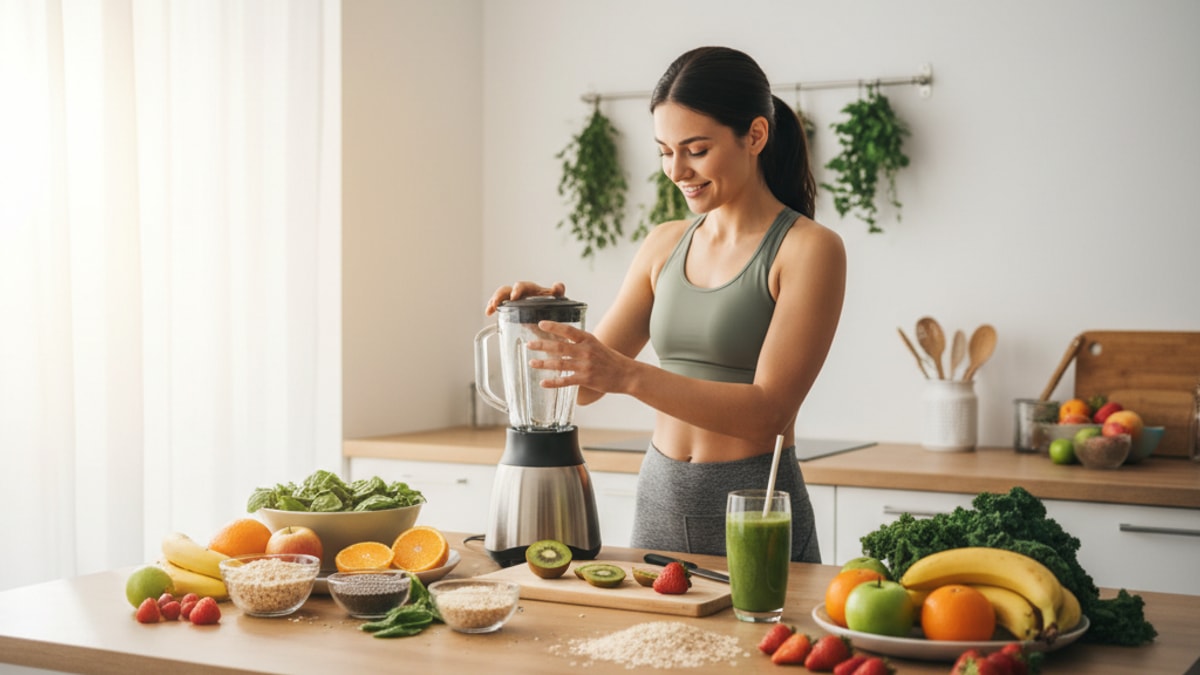
The conversation around GLP-1 has absolutely exploded. By 2026, it's a household name, synonymous with a revolutionary shift in how we approach weight management and metabolic health. Here at TrimrX, we're at the forefront of this change, providing medically-supervised treatments using powerful medications like Semaglutide and Tirzepatide. We've seen firsthand the life-changing results they can deliver. It's truly remarkable.
But we've also learned something crucial from our extensive clinical experience: medication is only one part of a much larger, more intricate puzzle. The most successful, sustainable transformations we see happen when these powerful tools are paired with a deep understanding of the body's own systems. That's why we're talking about this today. Because learning how to increase GLP-1 naturally isn't about replacing medication—it's about creating an internal environment where those treatments can work their absolute best, setting you up for health that lasts a lifetime.
What is GLP-1, Really? A Quick Refresher
Before we dive into the 'how,' let's quickly recalibrate on the 'what.' GLP-1, or Glucagon-Like Peptide-1, is an incretin hormone. That's a technical term, but its job is wonderfully straightforward. When you eat, specialized cells in your gut (called L-cells) release GLP-1. Think of it as your body's own highly intelligent metabolic manager.
Once released, GLP-1 gets to work on several fronts simultaneously:
- It tells your pancreas to release insulin. This is its most famous role. It helps shuttle glucose from your bloodstream into your cells for energy, which is critical for managing blood sugar levels after a meal.
- It slows down gastric emptying. This means food moves out of your stomach more slowly. The result? You feel fuller for a longer period. This is a game-changer for appetite control.
- It communicates directly with your brain. GLP-1 acts on the hypothalamus, the part of your brain that regulates appetite and satiety, sending powerful signals that say, "Hey, we're good here. No need for more food right now."
It’s a beautifully elegant system. When it’s working optimally, it helps maintain metabolic balance, control hunger, and manage weight. Medications like the ones we use at TrimrX are agonists—they mimic the action of your natural GLP-1, but on a much more potent and long-lasting scale. But your body's own production is still a critical, non-negotiable element of your overall health picture.
Why Natural GLP-1 Production Still Matters
This is a question our team gets a lot. If medications are so effective, why bother with the natural side of things? It's a fair question. The answer lies in the concept of synergy.
Think of it this way: a medical treatment is like bringing in a team of world-class specialists to fix a problem. Natural strategies are like ensuring the entire foundation of the building is solid, the wiring is impeccable, and the plumbing is flawless before they even arrive. You can achieve good results with just the specialists, but you achieve outstanding, long-term results when the entire system is optimized to support their work.
Our experience shows that patients who actively work to support their body's natural hormonal systems see more profound and lasting benefits. It’s about more than just weight loss. It’s about improving insulin sensitivity from the ground up, reducing systemic inflammation, and fostering a healthy gut microbiome that contributes to your well-being in countless ways. Let's be honest, this is crucial. You're not just looking for a temporary fix; you're building a new foundation for your future health. Supporting your natural GLP-1 production is a key part of that construction process.
The Foundation: Foods That Naturally Increase GLP-1
Your gut is where the GLP-1 story begins, so it's no surprise that what you eat has the most direct and powerful impact on its production. It's not about a restrictive 'diet' but rather a strategic inclusion of certain food categories. We've seen it work time and time again.
Protein Power: The Building Blocks of Satiety
Protein is a metabolic heavyweight. When you consume protein, the amino acids it's made of directly stimulate those L-cells in your gut to pump out GLP-1. But not all proteins are created equal in this regard.
- Lean Meats & Fish: Sources like chicken breast, turkey, and especially fatty fish rich in omega-3s (like salmon and mackerel) are fantastic. The omega-3s have the added benefit of being anti-inflammatory.
- Eggs: A nutritional powerhouse, eggs are a simple and effective way to trigger a solid GLP-1 response, keeping you full for hours.
- Plant-Based Proteins: Lentils, chickpeas, and beans are excellent choices because they deliver a one-two punch of protein and fiber (more on that in a moment).
We can't stress this enough: starting your day with a high-protein meal can set your metabolic tone for the entire day, leading to better appetite control and fewer cravings.
Fabulous Fats: The Right Kind Matters
For years, fat was villainized. We now know that healthy fats are not only essential for brain health and hormone production but are also potent stimulators of GLP-1.
- Avocados: Rich in monounsaturated fats, avocados are a go-to for a reason. They provide a slow, sustained release of energy and a significant GLP-1 boost.
- Nuts & Seeds: Almonds, walnuts, chia seeds, and flaxseeds are all fantastic. They provide healthy fats, fiber, and protein. A small handful is an incredibly effective snack for curbing hunger.
- Extra Virgin Olive Oil: This cornerstone of the Mediterranean diet is rich in oleic acid, which has been shown to encourage GLP-1 secretion.
It's all about quality. The fats found in processed foods and fried items won't do you any favors. Stick to these whole-food sources for the best results.
Fiber-Rich Champions: Fueling Your Gut
This is where it gets really interesting. Fiber, particularly soluble fiber, is perhaps the most powerful dietary tool for increasing GLP-1 naturally. It works through a fascinating indirect mechanism.
You can't digest fiber yourself, but the trillions of bacteria in your gut—your microbiome—can. They ferment these fibers and produce compounds called short-chain fatty acids (SCFAs), like butyrate, propionate, and acetate. These SCFAs are metabolic gold. They are the primary fuel for your colon cells and, crucially, they are one of the most powerful natural triggers for L-cells to release GLP-1.
So, to increase GLP-1, you need to feed your gut bacteria what they love:
- Soluble Fiber: Found in oats, barley, apples, citrus fruits, and carrots.
- Prebiotic Fibers: A special type of fiber that specifically feeds beneficial bacteria. Think garlic, onions, leeks, asparagus, and slightly under-ripe bananas.
- Fermented Foods: While not fiber themselves, foods like yogurt (with live cultures), kimchi, sauerkraut, and kefir help populate your gut with the very bacteria that will ferment the fiber you eat. It's a perfect partnership.
Food Group Impact on GLP-1: A Comparison
To make this clearer, our team put together a simple table to show how these food groups stack up. This isn't about picking one over the other; it's about understanding how to build a plate that works for you.
| Food Category | Primary GLP-1 Mechanism | Best Sources | Our Team's Recommendation |
|---|---|---|---|
| Lean Protein | Direct amino acid stimulation of L-cells. | Salmon, chicken breast, eggs, whey protein, Greek yogurt. | Aim for a palm-sized portion with every meal. A protein-rich breakfast is a non-negotiable for appetite control. |
| Healthy Fats | Direct stimulation via fatty acid receptors in the gut. | Avocado, almonds, walnuts, extra virgin olive oil, chia seeds. | Incorporate as a complement to meals. Think avocado on toast or olive oil dressing on a salad. Portion control is key. |
| High-Fiber Carbs | Fermentation by gut bacteria produces SCFAs, which stimulate L-cells. | Oats, quinoa, lentils, beans, berries, leafy greens, asparagus. | Make these the foundation of your carbohydrate intake. The more diverse your plant intake, the happier your microbiome. |
Strategic Movement: Exercise and GLP-1 Release
Exercise is another formidable tool in your arsenal. Its benefits for weight management and insulin sensitivity are well-known, but its impact on GLP-1 is a newer and exciting area of research that we're following closely in 2026.
Physical activity, particularly moderate-to-high intensity exercise, appears to increase GLP-1 levels both during and immediately after the session. The exact mechanism is still being fully mapped out, but it's believed to be related to increased energy demands and the release of other hormones like adrenaline that can indirectly prompt GLP-1 secretion.
What does this mean for you? It means that timing and type of exercise can matter.
- High-Intensity Interval Training (HIIT): Our experience suggests this is incredibly effective. Short bursts of all-out effort followed by brief recovery periods seem to create a significant hormonal response, including a notable spike in GLP-1.
- Resistance Training: Lifting weights and building muscle mass improves your overall metabolic machinery. Better muscle quality means better glucose uptake, which works hand-in-hand with GLP-1's function.
- Consistency Over Everything: A 20-minute brisk walk every day is vastly superior to a punishing, hour-long gym session once a week. The goal is to make movement a consistent, non-negotiable part of your life. Find something you enjoy, because that's what you'll stick with.
Movement isn't punishment. It's a celebration of what your body can do and a direct investment in your hormonal health.
Beyond Diet & Exercise: The Lifestyle Levers
If food is the foundation and exercise is the framework, these next elements are the critical systems—the wiring and plumbing—that make everything work together seamlessly. Don't underestimate them.
Sleep's Underrated Role
Poor sleep is catastrophic for metabolic health. We mean this sincerely. Just one night of insufficient sleep can decrease insulin sensitivity and disrupt appetite-regulating hormones. Research from recent years has drawn a clear line between sleep deprivation, elevated cortisol (the stress hormone), and suppressed GLP-1 secretion.
When you're sleep-deprived, your body craves quick energy—usually in the form of sugar and refined carbs. At the same time, your body's natural appetite-suppressing systems (like GLP-1) are running on low. It's a perfect storm for weight gain and metabolic dysfunction.
Prioritizing 7-9 hours of quality sleep per night is not a luxury; it's a critical metabolic strategy. That's the reality.
Stress Management and the Gut-Brain Axis
Your gut and your brain are in constant communication. This link, the gut-brain axis, is profoundly affected by chronic stress. The relentless pressure of modern life, demanding schedules, and high expectations can put your body in a constant state of 'fight or flight.'
This state is driven by cortisol. While useful in short bursts, chronically high cortisol wreaks havoc on your gut, disrupting the microbiome and suppressing the very hormones, including GLP-1, that help you feel calm and in control of your appetite. Finding sustainable ways to manage stress—be it through mindfulness, meditation, time in nature, or simply unplugging for 15 minutes a day—has a direct, measurable, and positive impact on your gut hormone production.
How Natural Methods Complement Medically-Supervised Treatments
Now, this is where it all comes together. At TrimrX, we believe in a comprehensive, 360-degree approach to health. The lifestyle strategies we've discussed are not an alternative to medical treatment; they are the ultimate complement to it.
When you build a lifestyle that naturally supports GLP-1 production, you're creating the ideal physiological environment for medications like Semaglutide and Tirzepatide to be maximally effective. You're improving your underlying insulin sensitivity, reducing inflammation, and cultivating a gut microbiome that supports your goals. This synergistic approach (which we've refined over years) delivers real results that last.
It ensures that when you achieve your health goals, you have the habits, knowledge, and biological foundation to maintain them for the long haul. It's the difference between a short-term solution and a lifelong transformation. If you're ready to see how this powerful combination of cutting-edge medicine and foundational health principles can work for you, we're here to help guide you. You can learn more about our process and, when you're ready, Start Your Treatment Now.
Ultimately, taking control of your metabolic health is one of the most empowering journeys you can undertake. It requires knowledge, consistency, and the right support system. By focusing on these natural strategies, you're not just managing a symptom; you're actively rebuilding your health from the inside out, one smart, delicious, and powerful choice at a time.
Frequently Asked Questions
Can I stop my GLP-1 medication if I increase it naturally?
▼
We strongly advise against making any changes to your prescribed medication without consulting your healthcare provider. Natural methods are meant to support and complement medical treatments like Semaglutide, not replace them. They work together to create the best possible outcome.
How long does it take to see changes in natural GLP-1 levels from diet?
▼
You can experience changes in satiety and fullness from a single GLP-1-supportive meal. However, building a more robust baseline of natural production through consistent diet and gut health improvements is a gradual process that can take several weeks to months.
Which type of protein is best for stimulating GLP-1?
▼
While most proteins have a positive effect, studies often point to whey protein and fatty fish (rich in omega-3s) as being particularly effective. The key is consistency and ensuring adequate protein intake at each meal.
Do artificial sweeteners affect GLP-1 production?
▼
The research here is mixed and evolving as of 2026. Some studies suggest certain non-nutritive sweeteners may trigger a GLP-1 release, while others show a negligible or even negative effect on the gut microbiome over time. We recommend prioritizing whole-food sources for sweetness.
Is intermittent fasting a good strategy for increasing GLP-1?
▼
Intermittent fasting can improve insulin sensitivity, which is beneficial for overall metabolic health. Some research suggests it can enhance GLP-1 response to meals, but it’s not a direct trigger itself. It’s a tool that can be effective for some, but should be discussed with a provider.
Does drinking coffee increase GLP-1?
▼
Interestingly, yes. Some studies indicate that caffeine and other compounds in coffee can stimulate the L-cells in your gut to release GLP-1. Enjoying your morning coffee (without excessive sugar or cream) can be a small part of a supportive lifestyle.
Can I get enough GLP-1 support from a vegetarian or vegan diet?
▼
Absolutely. Plant-based diets are often naturally rich in fiber and prebiotics from legumes, whole grains, vegetables, and fruits. Focusing on high-quality plant proteins like lentils, tofu, and edamame, along with healthy fats from nuts and avocados, is an excellent strategy.
What is the single most important food to add to my diet for GLP-1?
▼
If we had to choose just one, it would be a food high in soluble fiber, like oats or beans. The impact of feeding your gut microbiome to produce SCFAs is incredibly powerful and has wide-ranging benefits beyond just GLP-1 production.
How does stress directly impact my GLP-1 levels?
▼
Chronic stress elevates the hormone cortisol. High cortisol can disrupt the balance of your gut bacteria and has been shown to directly suppress the secretion of GLP-1, contributing to cravings and poor blood sugar control.
Will these natural methods help me maintain weight loss after stopping medication?
▼
This is precisely why these habits are so critical. Building a lifestyle that naturally supports satiety and metabolic health provides the foundation needed for long-term weight maintenance. These skills and habits are essential for success after transitioning off medication under medical guidance.
Are there any supplements that can help increase GLP-1?
▼
Some supplements like berberine and ginseng have shown potential in studies to influence GLP-1 pathways. However, we always recommend a ‘food first’ approach. You should never start a new supplement without first consulting your healthcare provider to ensure it’s safe and appropriate for you.

Transforming Lives, One Step at a Time
Keep reading
Construction Work in Summer on a GLP-1
Summer on a job site means early starts, heavy physical work, direct sun or hot interiors, and lunch from a cooler or the back…

Colonoscopy Prep on a GLP-1
If you are on a GLP-1 and have a colonoscopy, upper endoscopy, or any procedure with sedation coming up, the single most important step…
Clergy and Community Meals on a GLP-1
For pastors, priests, rabbis, imams, chaplains, and other community leaders, food is part of the work. Potlucks, fellowship dinners, holiday meals, funeral receptions, and…


