Ozempic and PCOS: Can It Help?
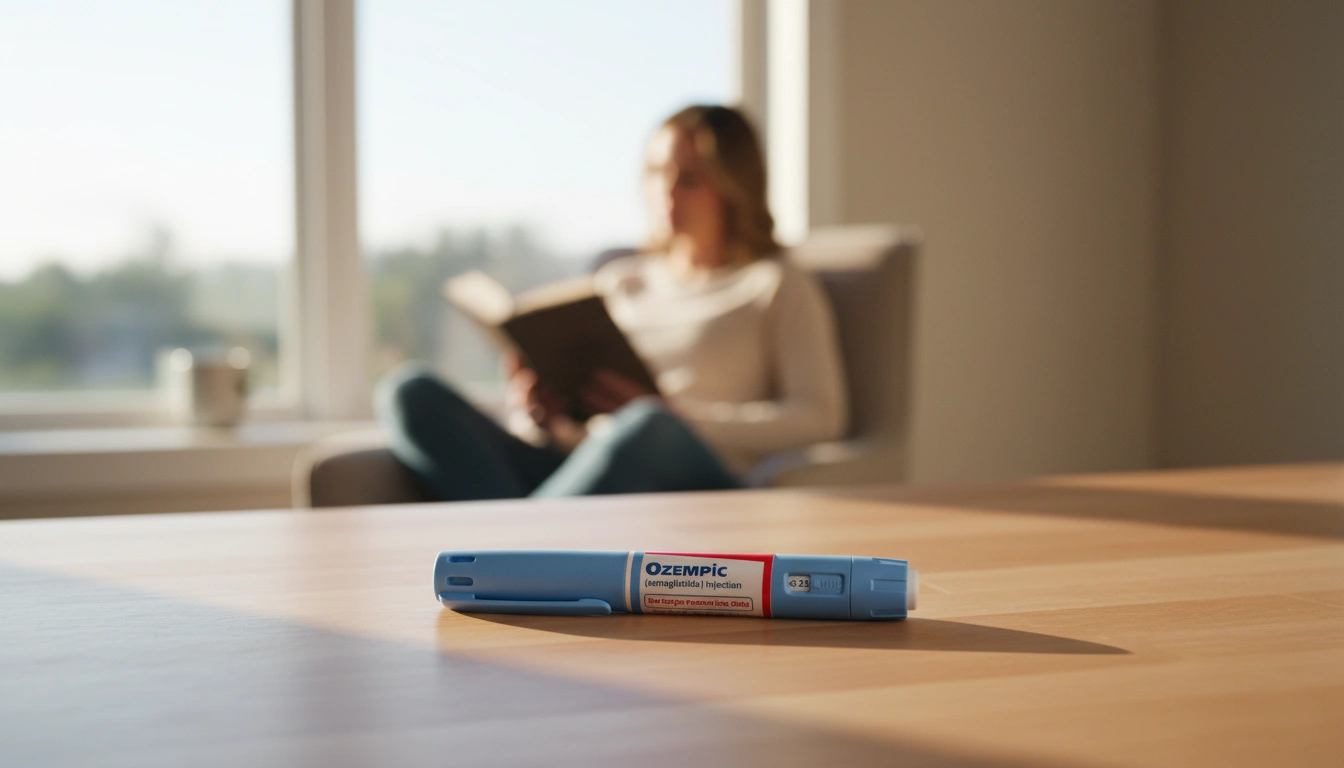
Ozempic (semaglutide) isn’t FDA-approved for PCOS, but growing research and clinical experience suggest it can meaningfully help women with polycystic ovary syndrome, particularly when it comes to weight loss and insulin resistance. PCOS and excess weight are tightly linked, and losing even 5% to 10% of body weight can improve hormonal balance, restore ovulation, and reduce symptoms. Semaglutide’s ability to drive that level of weight loss is why so many providers are now prescribing it off-label for PCOS patients.
Here’s what the current evidence says, how semaglutide works in the context of PCOS, and what to realistically expect.
Why Weight Loss Is So Hard With PCOS
Before getting into how Ozempic fits the picture, it helps to understand why PCOS makes weight management so frustrating in the first place.
PCOS affects an estimated 6% to 12% of women of reproductive age, making it one of the most common endocrine disorders. While symptoms vary, the condition typically involves some combination of irregular periods, elevated androgens (male hormones like testosterone), ovarian cysts, and metabolic dysfunction.
The metabolic piece is what makes weight loss feel like an uphill battle. Roughly 50% to 70% of women with PCOS have insulin resistance, meaning their cells don’t respond efficiently to insulin. The body compensates by producing more insulin, and elevated insulin levels promote fat storage, particularly around the midsection. High insulin also stimulates the ovaries to produce more androgens, which further disrupts metabolism and can increase appetite.
So it’s not that women with PCOS lack discipline. Their hormonal environment is actively working against weight loss. Standard calorie restriction and exercise often produce frustratingly slow results because the underlying insulin resistance keeps the metabolic deck stacked.
This is exactly where GLP-1 medications enter the conversation.
How Semaglutide Works for PCOS
Semaglutide is a GLP-1 receptor agonist. It mimics a natural gut hormone that regulates appetite, slows stomach emptying, and improves insulin sensitivity. For women with PCOS, that combination hits several problems at once.
Appetite regulation. Semaglutide acts on brain regions that control hunger and satiety. Many PCOS patients deal with intense cravings, particularly for carbohydrates, driven by insulin dysregulation. Semaglutide reduces those cravings and makes it easier to eat less without feeling like you’re fighting your body every meal.
Improved insulin sensitivity. This is arguably the most relevant mechanism for PCOS. By helping cells respond better to insulin, semaglutide can lower circulating insulin levels. Lower insulin means less stimulation of androgen production, which can improve the entire hormonal cascade that drives PCOS symptoms.
Meaningful weight loss. Clinical trials have shown semaglutide produces average weight loss of 14.9% of body weight over 68 weeks in the general population. For PCOS patients who have struggled to lose even 5% through diet and exercise alone, that degree of weight loss can be transformative.
Reduced inflammation. Chronic low-grade inflammation is a feature of PCOS that contributes to insulin resistance and metabolic dysfunction. Emerging research suggests GLP-1 receptor agonists may have anti-inflammatory effects, though more studies are needed to confirm the extent of this benefit specifically in PCOS populations.
What the Research Shows
The evidence base for semaglutide specifically in PCOS is still growing, but what exists is encouraging.
A 2024 systematic review and meta-analysis published in Frontiers in Endocrinology examined the effects of GLP-1 receptor agonists in women with PCOS. The analysis found that GLP-1 medications significantly reduced body weight, BMI, waist circumference, and fasting insulin levels compared to placebo or metformin alone. Improvements in menstrual regularity and androgen levels were also observed across multiple studies.
Citation: Wang, J., et al. “Effects of GLP-1 receptor agonists on polycystic ovary syndrome: A systematic review and meta-analysis.” Frontiers in Endocrinology, 2024. PubMed
Earlier research with liraglutide (another GLP-1 medication) laid the groundwork, demonstrating that GLP-1 receptor agonists could improve ovulation rates and metabolic markers in PCOS patients. Semaglutide, being a more potent and longer-acting GLP-1 agonist, appears to amplify those benefits.
It’s worth noting that most of these studies are relatively small, and large-scale randomized controlled trials examining semaglutide exclusively in PCOS populations are still underway. But the direction of the evidence is consistent and positive.
PCOS Symptoms That May Improve
Weight loss from semaglutide can trigger a chain reaction of improvements in PCOS symptoms. Here’s what patients and providers commonly report:
Menstrual regularity. Losing 5% to 10% of body weight can restore ovulatory cycles in many women with PCOS. When insulin levels drop and androgen production normalizes, the hormonal signaling that drives regular periods starts functioning more effectively.
Reduced androgen symptoms. Lower insulin and weight loss often lead to decreased testosterone levels. That can mean less acne, reduced excess hair growth (hirsutism), and slowed hair thinning. These changes take time, often several months, because hair growth cycles are slow. But many patients notice gradual improvement.
Improved fertility. For women with PCOS who are trying to conceive, weight loss and restored ovulation can significantly improve the odds. Some reproductive endocrinologists now recommend GLP-1 medications as a pre-conception strategy for overweight PCOS patients, though semaglutide should be discontinued before attempting pregnancy.
Better metabolic markers. Fasting glucose, HbA1c, triglycerides, and cholesterol levels often improve alongside weight loss. For PCOS patients at elevated risk of developing type 2 diabetes, these improvements carry long-term health significance.
Reduced inflammation. Lower body weight and improved insulin sensitivity both contribute to reduced systemic inflammation, which plays a role in many PCOS complications.
Ozempic vs. Metformin for PCOS
Metformin has been the go-to off-label medication for PCOS for decades. It works primarily as an insulin sensitizer, helping cells use insulin more effectively. Many women with PCOS have been prescribed metformin as a first-line treatment, sometimes with modest results.
So how does semaglutide compare?
The research suggests semaglutide produces significantly more weight loss than metformin. Metformin typically leads to 2% to 5% body weight reduction, while semaglutide regularly exceeds 10%. For PCOS patients whose symptoms are closely tied to excess weight, that difference is substantial.
Metformin does have advantages. It’s been used for decades with a well-established safety profile, it’s available as an inexpensive generic, and it directly targets insulin resistance. Some providers prescribe metformin and semaglutide together, using the medications’ complementary mechanisms for a combined effect.
The choice between them, or the decision to use both, depends on the individual patient’s primary symptoms, weight loss goals, and medical history. If weight loss is the main objective, semaglutide tends to deliver more. If insulin sensitization with minimal cost is the priority, metformin still holds value.
What to Realistically Expect
Let’s say a patient with PCOS starts semaglutide at a low dose and follows the standard escalation schedule. Here’s a rough timeline based on clinical patterns:
Weeks 1 to 4: Appetite suppression kicks in. Most patients notice reduced hunger and fewer cravings within the first week of semaglutide. Initial weight loss of 2 to 5 pounds is common, mostly from reduced caloric intake.
Months 1 to 3: Steady weight loss continues as the dose increases. Many patients lose 5% to 8% of body weight in this window. Some notice their periods becoming more regular, though hormonal changes take time to manifest.
Months 3 to 6: Weight loss accumulates and hormonal improvements become more noticeable. Androgen-related symptoms like acne may begin improving. Energy levels and mood often stabilize as metabolic function improves.
Months 6 to 12: Patients approaching 10% to 15% total body weight loss frequently see meaningful changes in menstrual regularity, fertility markers, and metabolic labs. This is often where the full scope of PCOS symptom improvement becomes clear.
Results vary. PCOS is a heterogeneous condition, and some patients respond faster or more dramatically than others. Combining semaglutide with dietary changes, regular movement, and stress management tends to produce the best outcomes.
Accessing Semaglutide for PCOS
Ozempic is FDA-approved for type 2 diabetes, not PCOS. That means getting insurance coverage for PCOS-related use can be difficult, and many patients end up paying out of pocket. Brand-name Ozempic without insurance runs over $1,000 per month.
Compounded semaglutide through TrimRx offers the same active ingredient starting at $179 per month, making long-term treatment financially sustainable. For PCOS patients who need to stay on medication for months to see the full range of symptom improvements, affordability isn’t a minor detail. It determines whether treatment actually works.
If you have PCOS and want to explore whether semaglutide could help, TrimRx’s online consultation can connect you with a licensed provider who can evaluate your situation and discuss your options.
This information is for educational purposes and is not medical advice. Consult with a healthcare provider before starting any medication. Individual results may vary.

Transforming Lives, One Step at a Time
Keep reading

Starting a New Job With No Insurance While on Ozempic
The problem is usually a waiting period rather than a permanent loss, and waiting periods are plannable in a way that job loss is…

Does Collagen Help With Loose Skin on Ozempic?
Probably not for the thing you are hoping it will fix, and it is unlikely to do harm. Collagen supplements have been studied mainly…

Does Apple Cider Vinegar Do Anything on Ozempic?
Not much that you are not already getting, and there is a specific reason to be careful with it on this medication. The main…


