Calorie Deficit Meal Plan for Sustainable Weight Loss
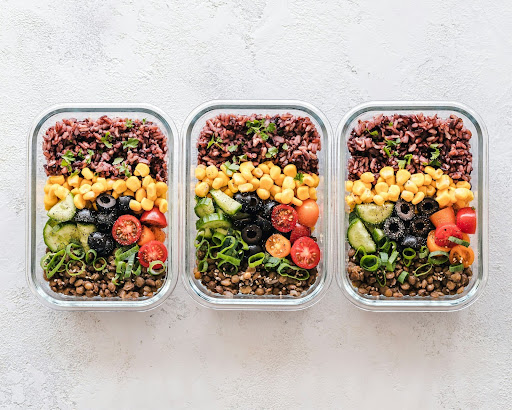
If you want to lose weight in a healthy way, a calorie deficit meal plan can make things feel simple and clear. The idea is not to starve yourself or follow a strict diet plan that makes you miserable. It is about eating fewer calories than your body burns while still giving your body the nutrients it needs.
A good meal plan helps you stay consistent. Instead of guessing how much to eat, you follow a calorie deficit plan that supports healthy weight loss and long term health. In this guide, we will break everything down in easy words so you understand how it works and how to build a calorie deficit meal plan that fits your lifestyle.
Understanding Calorie and the Relationship Between Weight Loss and Calorie Deficit
When we talk about calorie deficit and weight loss, we’re really talking about energy in versus energy out. Imagine that calories are the fuel your body runs on. Everything you do from breathing, walking, working, and even sleeping uses calories. The food and drinks you choose are where you get that fuel.
Now, a calorie deficit meal plan isn’t some strict, cold program. It means you’re taking in a little less fuel than your body needs so that it begins to use stored energy, especially fat, to keep going. When this happens consistently, healthy weight loss becomes possible without starving yourself. The goal isn’t to eat as little as possible but to find the right balance where you feel good and your body still gets what it needs.
It’s also important to avoid cutting calories too drastically. Eating way too few calories a day can backfire because your energy will drop, you’ll lose focus, and your body might hold onto fat instead of letting it go. A balanced calorie-deficit meal plan that includes lean protein, fiber, and nutrients helps you stay full, stay energized, and make weight loss feel more doable in the long run.
Factors to Consider Before Building a Calorie Deficit Meal Plan
Every calorie deficit meal plan should be personalized. The number of calories you need depends on your body, your lifestyle, and your health goals. A registered dietitian or healthcare provider can help you estimate how many calories you need and build a personalized calorie target using a calculator.
1. Your Age and Overall Health
Your age and gender play a big role in how many calories your body burns. Younger people often have a higher daily calorie need because their metabolism may be faster. As we age, the body burns fewer calories, so calorie needs may change.
If you have any health conditions, it is smart to talk to a healthcare provider or dietitian before starting a calorie-deficit meal plan. They can make sure your diet plan is designed to meet your nutrient needs and support long term health. Healthy weight loss should always be safe and sustainable.
2. How Often Do You Exercise?
Physical activity increases the number of calories your body uses each day. If you walk a lot, go to the gym, or play sports, your body burns more calories per day than someone who sits most of the time.

When creating a calorie deficit, you need to balance your food intake with how active you are. If you exercise often, you may need more calories to support energy and recovery. Eating enough lean protein and protein and fiber can help you feel full and support muscle while you lose weight.
3. Your Weight
Your current weight also affects how many calories your body burns. A person who weighs more usually burns more calories because the body uses more energy to move and function.
As you lose weight, your calorie needs may change. That is why some people adjust their calorie deficit meal plan over time. A dietitian can help you track your progress and make healthy changes as your body changes.
4. Total Daily Energy Expenditure (TDEE) and Calories a Day
Total Daily Energy Expenditure, often called TDEE, is the total number of calories your body uses in one day. This includes calories burned at rest and calories burned during physical activity.
You can use a calculator to estimate how many calories you need to maintain your current weight. From there, creating a calorie deficit usually means eating 300 to 500 fewer calories per day. This approach can help you lose weight at a steady pace and support long term weight loss goals.
Many dietitians use tools based on the Dietary Guidelines for Americans to build a balanced diet. These tools help you meet your nutrient needs while healthily cutting calories, finding the balance for the right calorie intake.
Sample Calorie Deficit Meal Plan
Here is a simple sample meal plan to give you an idea of what food a calorie deficit meal plan can include. This plan is designed to include lean protein, healthy fats, dietary fiber, and plenty of nutritious foods to keep you full.
Breakfast Options in a Calorie Deficit Meal Plan
One breakfast idea is oatmeal topped with berries and a small handful of nuts. Oatmeal is rich in dietary fiber and can keep you full until lunch. The berries add natural sweetness and essential vitamins, while nuts provide healthy fats and a little protein.
Another option is avocado toast with egg and tomato. The egg gives you lean protein, the avocado adds healthy fats, and the tomato adds freshness and nutrients. This type of low-calorie breakfast can help you achieve a steady start without overeating later in the day.
Lunch Ideas for Healthy Eating
For lunch, you could have a veggie wrap with turkey and a side of soup or salad. Turkey is a lean protein that supports fat loss and helps maintain muscle. Adding vegetables increases fiber and helps you stay satisfied while keeping calories per serving in check.
Another great choice is a chicken veggie burrito bowl. Use grilled chicken, brown rice or cauliflower rice, beans, and plenty of vegetables. This kind of meal plan focuses on balanced portions and mindful eating so you are not eating more calories than your body needs.
Dinner Choices in a Low-Calorie Diet Plan
Dinner is where you wrap up your day with a meal that adds to calorie intake. A salmon and quinoa bowl does just that. The salmon offers healthy fats and protein, while quinoa brings in fiber and nutrients that keep you satisfied.
If you’re in the mood for something lighter, shrimp with zucchini noodles is an easy go-to. The zucchini noodles are gentle on calories but big on texture, and when mixed with lean shrimp and a handful of veggies, it feels like a complete plate without extra heaviness.
Snacks to Help You Lose Weight
Snacks don’t have to wreck your calorie goals, especially when they’re chosen with purpose. A handful of pumpkin seeds gives you fiber, a little protein, and healthy fats, all in a small, satisfying bite. Bananas are another snack that works well: they’re sweet, simple, and give you energy thanks to natural sugars and fiber.

When eaten as part of a balanced calorie deficit diet plan, snacks like these help keep your energy steady without pushing you past the calories your body needs each day.
TrimRx and Your Weight Loss Goals
For some people, healthy eating and a solid meal plan are just one piece of the puzzle. TrimRx is a weight loss support program that offers personalized care and access to GLP-1 medications like semaglutide, which are prescribed under medical supervision to help reduce appetite and support weight management. These medications are the same compounds used in trusted treatments like Wegovy®, and they are paired with clinician support to guide your process safely.
TrimRx is an online program where you complete an assessment, and licensed providers work with you to tailor a treatment plan based on your needs. Many people use this kind of support alongside a healthy, balanced calorie deficit meal plan and physical activity to make progress toward their goals.
Conclusion
A calorie deficit meal plan does not have to be complicated. The goal is to eat fewer calories than your body burns while still meeting your nutrient needs. By focusing on lean protein, fiber rich foods, and balanced portions, it is possible to lose weight in a healthy way.
Remember that healthy weight loss takes time. Maintaining a calorie deficit that fits your lifestyle, staying active, and practicing mindful eating can help you achieve long term weight loss and protect your long term health. If you feel unsure, a registered dietitian can help you create a personalized calorie plan that works for you.
Frequently Asked Questions
What is the best meal for a calorie deficit?
The best meal for a calorie deficit is one that is balanced and filling without being high in calories. Meals that include lean protein, vegetables, and whole grains are often a good choice. For example, salmon with quinoa and vegetables or a chicken veggie bowl can support healthy eating and help you stay within your calorie needs.
The most important thing is that the meal fits your daily calorie target and supports your health goals. A dietitian can help you build a meal plan that meets your nutrient needs while helping you lose weight.
How do I create a calorie deficit plan?
Start by estimating how many calories you need to maintain your current weight. You can use a calculator to estimate how many calories your body uses each day. Then reduce that number by 300 to 500 calories per day to begin creating a calorie deficit.
Focus on a healthy diet that includes protein and fiber, plenty of vegetables, and whole foods. Pay attention to portion sizes and mindful eating. If possible, work with a registered dietitian to build a personalized calorie plan that supports safe and sustainable weight loss.

Transforming Lives, One Step at a Time
Keep reading

Does Bupropion Cause Weight Gain or Loss?
Bupropion, better known by the name Wellbutrin, has been prescribed for depression for more than three decades. It is also used to treat seasonal…

Keto Diet for Beginners: Simple Guide to Get Started
The keto diet for beginners looks simple from the outside and feels messy from the inside. The rules fit on an index card: keep…
Top 5 Best Weight Loss Programs for Beginners in 2026
Starting a weight loss journey means sorting through GLP-1 medication ads, apps that gamify your groceries, and online weight management programs promising a doctor…


