Mounjaro Doctors Near Me: How to Find a Provider
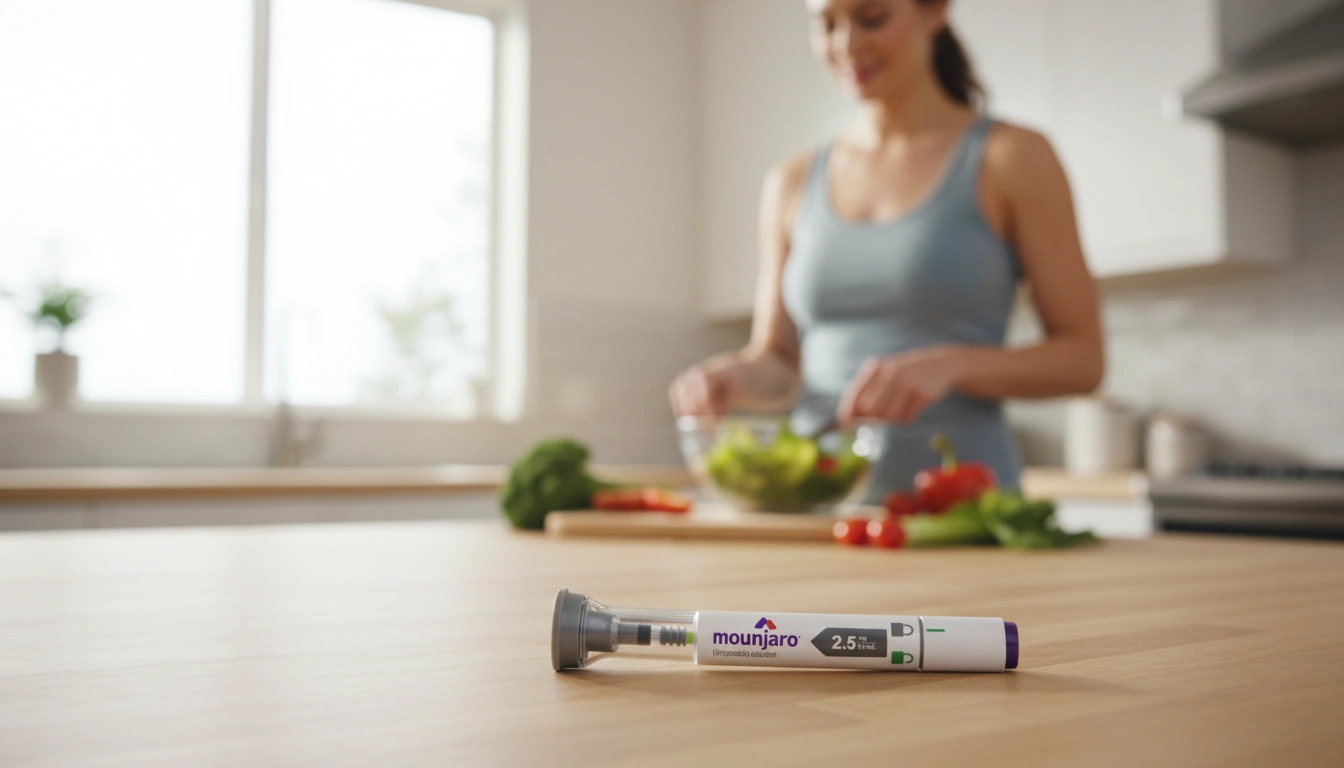
Finding a doctor who prescribes Mounjaro (tirzepatide) comes down to three main options: your existing primary care physician, a specialist in obesity or endocrinology, or a telehealth provider who can prescribe and ship the medication directly to you. Most adults with a BMI of 30 or higher, or 27 with a weight-related health condition, can qualify for a prescription through any of these routes.
The tricky part isn’t that Mounjaro prescribers are rare. It’s that not every doctor is comfortable prescribing it, not every practice stocks or dispenses it, and insurance complications can make the process feel more difficult than it should be. Here’s how to find the right provider efficiently, regardless of where you live.
Start with Your Primary Care Doctor
Your PCP is often the fastest path to a Mounjaro prescription, and most people overlook this option because they assume they need a specialist. In reality, any licensed physician, nurse practitioner, or physician assistant can prescribe tirzepatide. There’s no special certification required.
Call your PCP’s office and ask directly: “Does Dr. [name] prescribe Mounjaro or tirzepatide for weight loss?” You’ll get one of three answers.
Yes, they prescribe it regularly. Great. Book an appointment. Your doctor already knows your health history, which speeds up the process. Expect them to review your BMI, run basic labs if they haven’t recently (metabolic panel, A1C, lipids, thyroid), and discuss whether tirzepatide is appropriate given your full medical picture.
They’ll prescribe it but don’t have much experience with it. This is common. GLP-1 medications are still relatively new for weight management, and some PCPs have only prescribed them a handful of times. This isn’t necessarily a dealbreaker. The dosing protocol is straightforward, and your doctor can follow the manufacturer’s titration schedule. But if you run into side effects or a plateau, you may want a provider with more GLP-1 experience to troubleshoot.
They don’t prescribe weight loss medications. Some physicians have a philosophical or practical objection to prescribing GLP-1 medications for weight loss, or their practice doesn’t support it administratively. Don’t take it personally. Thank them and move to the next option.
Obesity Medicine Specialists
Board-certified obesity medicine physicians are the most experienced prescribers for GLP-1 weight loss treatment. These doctors have completed additional training through the American Board of Obesity Medicine (ABOM) and manage weight loss patients as a core part of their practice.
To find one near you, the Obesity Medicine Association has a provider directory at obesitymedicine.org. Enter your zip code and you’ll see certified providers within a given radius. Major metro areas typically have dozens. Smaller cities and rural areas may have fewer options, which is where telehealth fills the gap.
What to expect: An obesity medicine specialist will conduct a thorough evaluation, including metabolic testing, a detailed diet and exercise history, screening for contributing conditions (thyroid dysfunction, Cushing’s syndrome, medication-induced weight gain), and a discussion of all treatment options, not just medication. If tirzepatide is the right fit, they’ll prescribe it and manage your dose titration over time.
Cost note: These specialists often charge more for initial consultations ($300 to $600) than a standard PCP visit. However, the depth of expertise can save you time and frustration down the road, especially if you have a complicated history or have tried other approaches without success.
Endocrinologists
If you have type 2 diabetes or prediabetes alongside your weight loss goals, an endocrinologist is a natural fit. Mounjaro was originally approved for type 2 diabetes management, so endocrinologists were among the first prescribers and typically have deep experience with the medication.
The advantage here is dual management. An endocrinologist can optimize your blood sugar control and drive weight loss simultaneously, adjusting your diabetes medications as your weight drops and your insulin sensitivity improves.
Finding one: Ask your PCP for a referral, or search your insurance network’s provider directory for in-network endocrinologists. Wait times can be long (four to twelve weeks in some areas), so book early if this is your preferred route.
Telehealth Providers
For many people, telehealth is the most practical way to access Mounjaro, especially if local providers are booked out, don’t prescribe it, or charge high consultation fees. Telehealth eliminates geography as a barrier entirely.
Here’s how it works with a service like TrimRx:
- You complete an online health questionnaire covering your medical history, current medications, weight, height, and goals.
- A licensed provider reviews your information. If anything needs clarification, they’ll follow up directly.
- If you qualify, they prescribe compounded tirzepatide (the same active ingredient as Mounjaro).
- The medication ships to your home with everything you need to self-inject.
- Regular follow-ups happen virtually to monitor your progress and adjust dosing.
Compounded tirzepatide through TrimRx starts at $179 per month, which includes the provider consultation and the medication. Compare that to brand-name Mounjaro at $1,000 to $1,200 per month without insurance, and the value proposition is clear.
Take the intake assessment to check your eligibility.
What Qualifies You for a Mounjaro Prescription
Not everyone who wants Mounjaro will qualify, and responsible providers screen for appropriate candidates. Generally, you’ll need to meet at least one of these criteria:
For the weight management indication (Zepbound): BMI of 30 or greater, or BMI of 27 or greater with at least one weight-related comorbidity such as hypertension, high cholesterol, sleep apnea, prediabetes, or PCOS.
For the diabetes indication (Mounjaro): A confirmed type 2 diabetes diagnosis.
Your provider will also screen for contraindications. Tirzepatide is not recommended for people with a personal or family history of medullary thyroid carcinoma, a history of pancreatitis, or those who are pregnant or planning to become pregnant in the near term. For full details on how dosing typically starts, our starting dose of tirzepatide article covers the standard protocol.
Questions to Ask Any Mounjaro Provider
Whether you’re sitting in a doctor’s office or on a video call, these questions help you evaluate whether the provider is the right fit:
“How many patients are you currently managing on tirzepatide?” Experience matters. A provider managing 50 patients on GLP-1 medications has seen a wider range of responses and side effects than one who’s written five prescriptions.
“What’s your titration schedule?” The standard approach starts at 2.5 mg for four weeks, then increases to 5 mg, with further increases every four weeks as tolerated. Providers who rush the titration or start at higher doses risk unnecessary side effects. Our Mounjaro starting dose guide walks through what proper titration looks like.
“What happens if I hit a plateau?” Weight loss stalls happen. A good provider has a plan for this, whether it’s adjusting your dose, adding lifestyle modifications, or considering a switch to a different medication. If the answer is just “we’ll increase your dose,” that’s a limited approach. For strategies beyond dose changes, our article on Mounjaro plateau solutions covers the full playbook.
“What’s the total monthly cost?” Get this number before you start. Include the consultation fee, medication cost, follow-up visit fees, and any lab work. No surprises.
“How do I reach you between appointments?” Side effects like persistent nausea or injection site reactions don’t wait for your next scheduled visit. Know how to contact your provider or their office if something comes up.
Brand-Name Mounjaro vs. Compounded Tirzepatide
This is a decision you’ll face regardless of which provider type you choose.
Brand-name Mounjaro is manufactured by Eli Lilly, comes in pre-filled injection pens, and is available at retail pharmacies. With insurance, your copay might be $25 to $250 per month. Without insurance, expect $1,000 to $1,200 monthly. Manufacturer savings cards can reduce out-of-pocket costs for commercially insured patients, but these programs change frequently.
Compounded tirzepatide is the same active molecule prepared by licensed compounding pharmacies. It typically comes in vials that you draw with a syringe rather than a pre-filled pen. The cost is dramatically lower, starting at $179 per month through telehealth services like TrimRx.
The main practical differences are delivery format (pen vs. syringe) and cost. The active ingredient, mechanism of action, and clinical effect are the same. Many patients start with compounded tirzepatide for affordability and switch to brand-name only if their insurance later approves coverage.
For a comparison of pricing across sources, our Mounjaro cash price breakdown has current numbers.
When You Can’t Find a Local Provider
Let’s say a patient named Rachel lives in a rural area outside a major metro. The nearest obesity medicine specialist is two hours away, her PCP doesn’t prescribe GLP-1 medications, and the one local med spa that offered semaglutide just closed. Rachel’s options feel limited, but they’re not.
Telehealth exists precisely for this situation. Rachel can access the same medication, the same provider expertise, and the same follow-up care as someone living in downtown Houston or Miami. The medication arrives by mail, consultations happen by phone or video, and geography stops being a barrier.
This is also relevant for people in areas where every local Mounjaro prescriber is booked out weeks or months ahead. Rather than waiting, telehealth lets you start treatment now and transition to a local provider later if you prefer in-person care.
Next Steps
Finding a Mounjaro doctor doesn’t have to be complicated. Here’s a simple decision tree:
Have a PCP who prescribes GLP-1 medications? Start there. It’s the easiest path if you already have a relationship.
Need specialized expertise? Search the Obesity Medicine Association directory or get a referral to an endocrinologist.
Want the most affordable and convenient option? Go telehealth. Compounded tirzepatide through TrimRx gets you started quickly at a fraction of the brand-name cost.
Not sure where you stand? Take the intake quiz to find out if you qualify, and a licensed provider will review your case.
The hardest part of starting any weight loss medication is usually the decision to start. Once you’ve made that call, the right provider is closer than you think.
This information is for educational purposes and is not medical advice. Consult with a healthcare provider before starting any medication. Individual results may vary.

Transforming Lives, One Step at a Time
Keep reading

Mounjaro Alternatives: What Else to Consider
If Mounjaro isn’t the right fit, the closest alternatives are other GLP-1 medications, chiefly semaglutide (Ozempic for diabetes, Wegovy for weight), along with a…

Mounjaro vs Zepbound: Same Drug, Two Brands
Like their semaglutide counterparts, Mounjaro and Zepbound are the same medication (tirzepatide) sold under two names for two purposes: Mounjaro is approved for type…

Retatrutide vs Mounjaro: Triple Agonist vs Dual Agonist
The core difference between retatrutide and Mounjaro comes down to how many hormone targets each hits: retatrutide activates three receptors, while Mounjaro (tirzepatide) activates…


