Ozempic for Seniors: Safety, Benefits and What to Know Before Starting
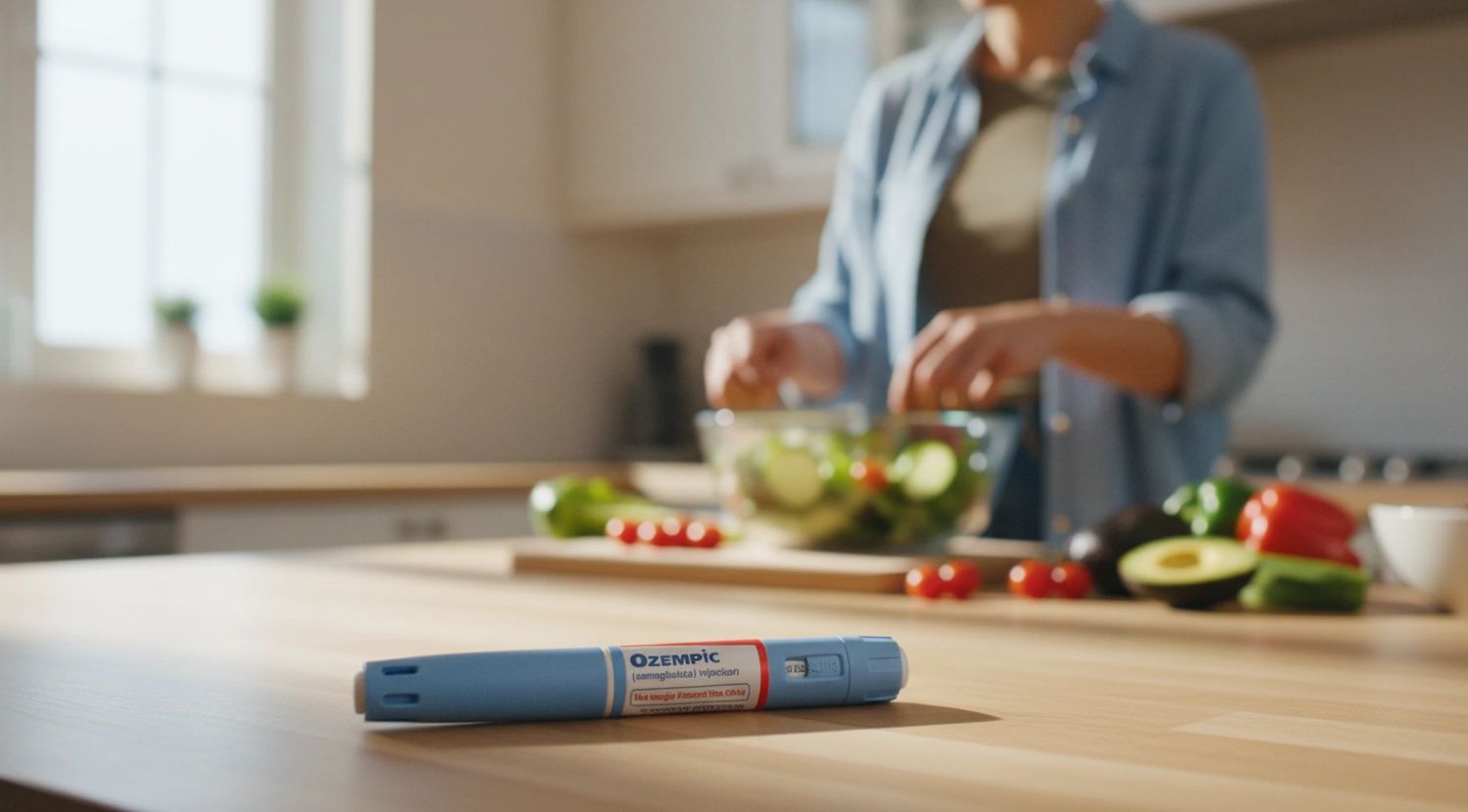
Obesity rates among adults over 65 have climbed steadily over the past two decades, and so has interest in GLP-1 medications like Ozempic as a treatment option for older patients. But seniors aren’t a one-size-fits-all group, and the considerations around starting semaglutide after 65 are meaningfully different from those for a 35-year-old with straightforward obesity.
The short answer: Ozempic can be safe and effective for many older adults, but it requires more careful monitoring than it does for younger patients, particularly around muscle mass, nutritional intake, and kidney function. Here’s what seniors and their caregivers need to understand before starting.
How Ozempic Works and Why Age Matters
Ozempic (semaglutide) is a GLP-1 receptor agonist originally approved by the FDA for type 2 diabetes management. It works by mimicking a gut hormone that signals fullness to the brain, slows gastric emptying, and reduces appetite. Weight loss happens as a byproduct of reduced caloric intake over time.
For older adults, this mechanism raises some specific considerations. Appetite suppression that’s manageable at 40 can become a nutritional risk at 72, particularly for patients who are already eating less than they should or who have underlying conditions affecting nutrient absorption. The same caloric reduction that produces healthy weight loss in a middle-aged adult can accelerate muscle loss in a senior, a condition called sarcopenia that already worsens naturally with age.
None of this means Ozempic is off the table for older patients. It means the approach needs to be thoughtful.
Who Among Seniors Is a Good Candidate
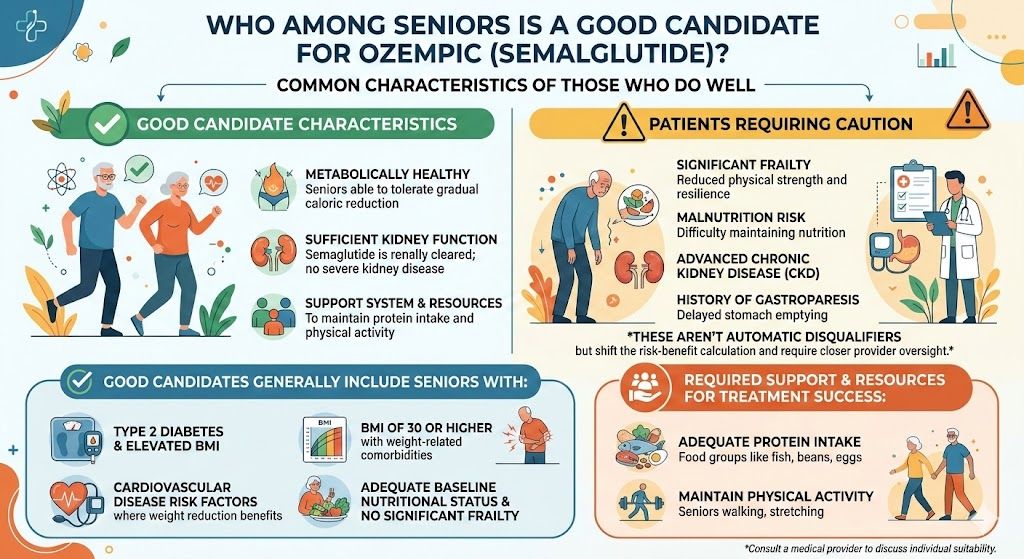
Older adults who tend to do well on Ozempic share a few common characteristics. They’re metabolically healthy enough to tolerate gradual caloric reduction, they don’t have severe kidney disease (since semaglutide is renally cleared), and they have the support or resources to maintain adequate protein intake and physical activity during treatment.
Good candidates generally include seniors with:
- Type 2 diabetes and elevated BMI
- Cardiovascular disease risk factors where weight reduction would meaningfully reduce risk
- BMI of 30 or higher with weight-related comorbidities
- Adequate baseline nutritional status and no significant frailty
Patients who warrant more caution include those with significant frailty, malnutrition risk, advanced chronic kidney disease, or a history of gastroparesis. These aren’t automatic disqualifiers, but they shift the risk-benefit calculation and require closer provider oversight.
The Muscle Loss Question
This is the concern most providers focus on when prescribing GLP-1 medications to older patients, and it deserves direct attention. When people lose weight on Ozempic, they lose both fat and lean muscle mass. In younger patients, this is manageable with adequate protein intake and resistance exercise. In older adults, the stakes are higher.
Muscle loss in seniors is directly linked to fall risk, functional decline, and loss of independence. A senior who loses 20 pounds on Ozempic but loses a disproportionate amount of that as muscle is not necessarily better off from a health standpoint, even if their BMI has improved.
The practical response to this is straightforward: prioritize protein. Most providers recommend that older adults on GLP-1 therapy aim for at least 1.2 grams of protein per kilogram of body weight per day, higher than standard recommendations, to preserve lean mass during weight loss. Resistance training, even light resistance exercise, helps significantly.
If appetite suppression makes eating enough protein difficult, a provider may recommend protein supplementation or adjust the dosing schedule to minimize nausea during meals.
Dosing Considerations for Older Adults
Ozempic is available in doses of 0.5mg, 1mg, and 2mg weekly. The standard approach is to start at 0.25mg for the first four weeks as a titration dose, then step up gradually based on tolerance.
For older adults, slower titration is often appropriate. Side effects like nausea, vomiting, and diarrhea that are uncomfortable but manageable for a younger patient can lead to dehydration and electrolyte imbalances more quickly in a senior. Going slowly at the beginning reduces this risk.
Providers also pay closer attention to kidney function in older patients on semaglutide. While Ozempic itself is not directly nephrotoxic, dehydration from GI side effects can stress kidneys that may already have reduced reserve capacity. Regular monitoring matters more here than it does in younger populations.
For context on how the standard dosing progression works, the Ozempic starting dose guide walks through what most patients experience during the early weeks of treatment.
Drug Interactions in Older Adults
Polypharmacy is common in seniors, and it’s relevant here. Ozempic slows gastric emptying, which can affect the absorption timing of other oral medications. This is particularly important for seniors taking oral diabetes medications, thyroid hormones, or blood thinners where timing and absorption rates affect therapeutic levels.
Any provider prescribing Ozempic to an older adult should conduct a thorough medication review. This isn’t unique to Ozempic, but it matters more in a population that’s more likely to be managing multiple conditions simultaneously.
Cardiovascular Benefits That Matter More With Age
Here’s where Ozempic’s profile becomes particularly relevant for seniors. The SUSTAIN-6 trial demonstrated that semaglutide significantly reduced the risk of major cardiovascular events, including heart attack and stroke, in patients with type 2 diabetes and established cardiovascular disease. A 2021 meta-analysis published in The Lancet confirmed cardiovascular risk reduction as a consistent finding across GLP-1 receptor agonist trials.
For older adults with cardiovascular risk factors, this benefit can tip the risk-benefit calculation meaningfully in favor of treatment. An older patient with obesity, hypertension, and a prior cardiac event may have more to gain from Ozempic than a younger patient with lower baseline cardiovascular risk.
Accessing Ozempic as a Senior
Seniors with type 2 diabetes can often access Ozempic through their existing provider, whether that’s a PCP, endocrinologist, or cardiologist. Medicare Part D covers Ozempic for diabetes management, though coverage for weight loss alone remains limited under Medicare at this time.
For seniors interested in semaglutide specifically for weight management rather than diabetes, telehealth platforms offer a practical path if their PCP isn’t actively managing obesity treatment. TrimRx offers compounded semaglutide through a telehealth model that doesn’t require insurance, which can be relevant for seniors whose Medicare plan doesn’t cover weight loss medications.
If you’re considering this route, starting with an eligibility assessment is the right first step. The intake process reviews your health history to determine whether you’re a appropriate candidate.
Compounded semaglutide through TrimRx follows the same active ingredient as brand Ozempic. You can learn more about how it’s structured on the compounded semaglutide product page.
What Monitoring Should Look Like
Seniors on Ozempic benefit from more frequent check-ins than younger patients, at least initially. Monitoring should include:
- Weight trends (tracking fat loss vs. total weight loss where possible)
- Kidney function labs, particularly if baseline eGFR is reduced
- Nutritional intake, especially protein
- GI side effect assessment and hydration status
- Medication interaction review at each visit
Once stabilized on a dose and tolerating it well, monitoring frequency can taper. But the early months warrant closer attention.
The Bottom Line for Seniors
Ozempic is not automatically the wrong choice for an older adult, and it’s not automatically the right one either. The medication’s benefits around blood sugar control, cardiovascular risk reduction, and weight management are real and relevant for many seniors. The risks around muscle loss, nutritional adequacy, and GI side effects are equally real and require active management.
The patients who do best are those who go in with clear expectations, strong provider support, and a plan for maintaining protein intake and physical activity throughout treatment. For seniors who fit that profile, Ozempic can be a genuinely useful tool.
This information is for educational purposes and is not medical advice. Consult with a healthcare provider before starting any medication. Individual results may vary.

Transforming Lives, One Step at a Time
Keep reading

Why Does My Tongue Feel Coated on Ozempic?
Usually because there is less saliva washing your tongue clean, and less food passing over it to do the same job mechanically. Your tongue…

Starting a New Job With No Insurance While on Ozempic
The problem is usually a waiting period rather than a permanent loss, and waiting periods are plannable in a way that job loss is…

Does Collagen Help With Loose Skin on Ozempic?
Probably not for the thing you are hoping it will fix, and it is unlikely to do harm. Collagen supplements have been studied mainly…


