Endometriosis and Weight: Can GLP-1 Help?
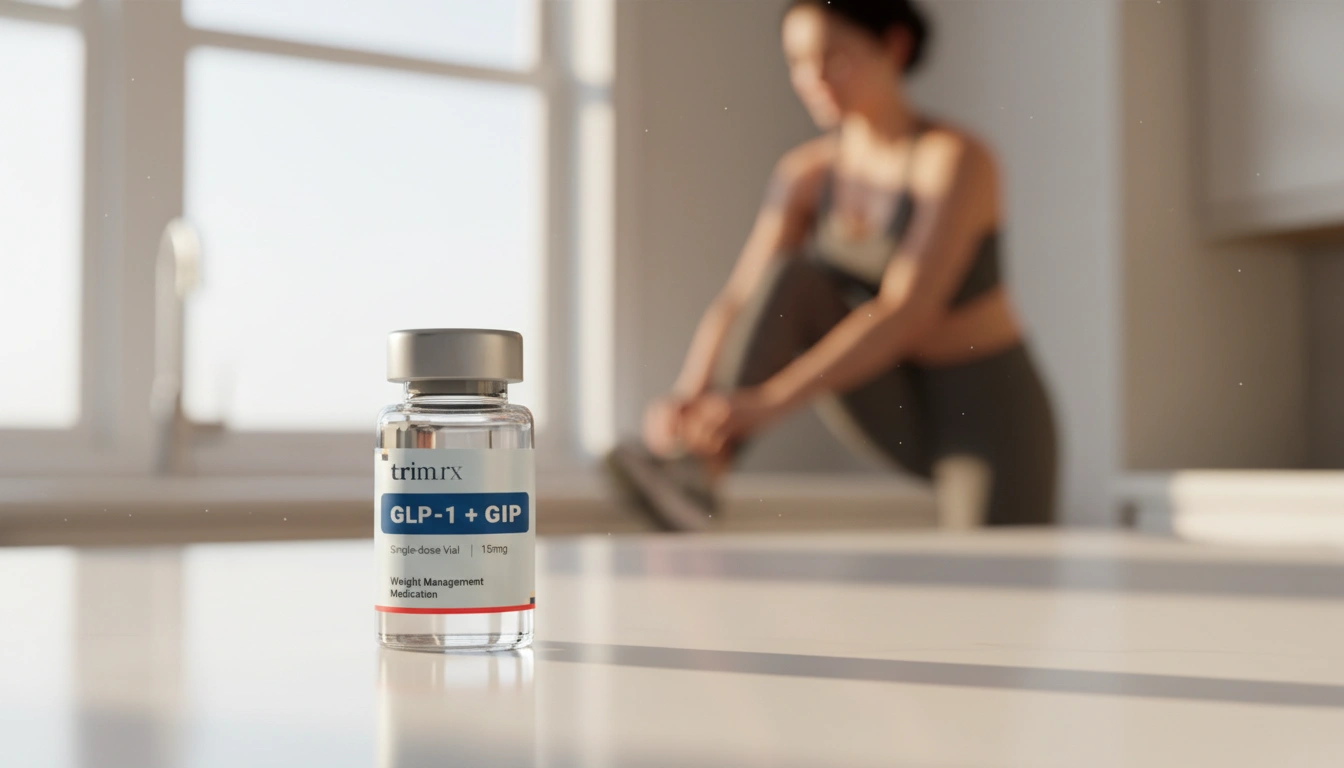
Weight gain with endometriosis isn’t just about diet or willpower. The condition creates a hormonal and inflammatory environment that makes losing weight genuinely harder. GLP-1 medications like semaglutide and tirzepatide address some of the underlying mechanisms, which is why more women with endometriosis are asking whether these drugs might help them.
Here’s what the current evidence suggests.
Why Endometriosis Makes Weight Management So Difficult
Endometriosis affects roughly 10% of women of reproductive age, and weight struggles are a common but underappreciated part of the picture. Several factors work against you when you have this condition.
Chronic inflammation is probably the biggest driver. Endometriosis is fundamentally an inflammatory disease, and systemic inflammation interferes with insulin signaling, promotes fat storage, and can disrupt hunger-regulating hormones. Your body is essentially in a low-grade inflammatory state much of the time.
Hormonal imbalances compound this. Many women with endometriosis have relative estrogen dominance, and estrogen influences how the body stores fat, particularly around the hips and abdomen. Some treatments for endometriosis, like hormonal suppression therapies, can further shift metabolism.
Pain-related inactivity is another piece of the puzzle. When you’re dealing with significant pelvic pain, intense exercise becomes difficult or impossible during flares. Over time, this reduces overall activity and muscle mass, both of which affect metabolic rate.
Finally, many women with endometriosis also have insulin resistance or overlapping conditions like PCOS, which creates additional metabolic challenges. If you’ve felt like you’re doing everything right and still not losing weight, the biology here is real, not imagined.
What GLP-1 Medications Actually Do
GLP-1 receptor agonists work by mimicking a naturally occurring gut hormone that regulates appetite, blood sugar, and digestion. When you take semaglutide or tirzepatide, you get a sustained version of this effect.
The practical results include reduced appetite, slower gastric emptying (so you feel full longer), and improved insulin sensitivity. For many people, the most meaningful change is a quieting of what researchers sometimes call “food noise,” the constant mental preoccupation with eating that makes calorie management exhausting.
These mechanisms matter for women with endometriosis for a few specific reasons. Insulin resistance is common in this population, and GLP-1 medications directly address it. Improved insulin sensitivity can reduce androgen levels and ease some of the hormonal imbalances that drive weight gain.
There’s also emerging interest in the anti-inflammatory effects of GLP-1 drugs. Several studies have shown reductions in inflammatory markers like CRP and IL-6 in patients taking semaglutide. Whether this translates to meaningful symptom reduction in endometriosis specifically hasn’t been studied directly, but the biological rationale is worth noting.
What the Research Shows (and Where It’s Limited)
There are no large clinical trials studying GLP-1 medications specifically in women with endometriosis, at least not yet. This is an important limitation to be upfront about. What we do have is strong evidence for GLP-1 efficacy in weight loss generally, along with growing evidence for benefit in related conditions.
A 2021 trial published in the New England Journal of Medicine found that semaglutide at 2.4mg weekly produced an average weight loss of 14.9% of body weight over 68 weeks in adults with obesity, significantly outperforming placebo. Weight loss at this scale can meaningfully reduce estrogen production from adipose tissue, which may have downstream effects on endometriosis lesion activity.
Studies in women with PCOS, another condition marked by insulin resistance and hormonal imbalance, have shown that GLP-1 medications improve menstrual regularity, reduce androgen levels, and support weight loss in ways that go beyond calorie restriction alone. Endometriosis and PCOS frequently co-occur, and the hormonal overlaps suggest similar mechanisms may be at play.
If you want to understand more about how GLP-1 drugs interact with female hormonal systems, the article on GLP-1 and Hormones: What Women Should Know covers this in detail.
Practical Considerations for Women with Endometriosis
Talk to a Provider Who Understands Both Conditions
This is a situation where having a knowledgeable provider matters more than usual. GLP-1 medications don’t interact directly with most endometriosis treatments, but the hormonal picture is complex. A provider should review your current medications, especially any hormonal therapies, before prescribing.
Telehealth platforms like TrimRx can connect you with a clinician who can review your health history and determine whether a GLP-1 medication is appropriate for your situation.
Weight Loss May Reduce Symptom Burden
Consider this scenario: a patient with stage II endometriosis has struggled to lose 30 pounds despite dietary changes and consistent walking. After six months on semaglutide, she loses 22 pounds. Her pain scores don’t disappear, but she reports less severe cramping and more consistent energy. This kind of outcome isn’t guaranteed, but it aligns with what we know about the relationship between adipose tissue, estrogen, and endometriosis activity.
Reducing body fat lowers circulating estrogen from peripheral sources. Since endometriosis lesions are estrogen-dependent, this may reduce their activity over time. Weight loss also reduces overall inflammatory burden and can improve mobility, making it easier to stay active even during less severe flare periods.
Nausea and GI Side Effects
Women with endometriosis sometimes experience significant gastrointestinal symptoms as part of the condition itself, including bloating, bowel changes, and nausea. GLP-1 medications share some of these side effect profiles, particularly early in treatment.
Starting at a low dose and titrating slowly can minimize overlap. Most GI side effects from GLP-1 drugs ease significantly after the first few weeks. That said, if you have bowel endometriosis or significant digestive involvement, this is worth discussing specifically with your provider.
Compounded Options Are More Accessible
Brand-name GLP-1 medications can be expensive without insurance, often prohibitively so. Compounded semaglutide and compounded tirzepatide offer a more affordable path to the same active ingredients. You can explore compounded semaglutide options through TrimRx, which provides online consultation and home delivery without requiring insurance.
Questions to Ask Your Provider
If you’re considering a GLP-1 medication and have endometriosis, these are worth discussing directly.
Does my current hormonal therapy interact with semaglutide or tirzepatide? Generally the answer is no, but it’s worth confirming.
Should I expect GLP-1 treatment to affect my cycle or pain levels? The honest answer is that it might, but not in predictable ways. Weight loss itself can influence hormonal patterns.
What’s a realistic weight loss goal given my history? Women with significant hormonal disruption sometimes lose weight more slowly than average. Setting realistic expectations upfront reduces frustration.
For a broader look at how weight loss medications address insulin-related issues that often accompany endometriosis, see Ozempic for Insulin Resistance: Beyond Diabetes.
The Bottom Line
GLP-1 medications won’t cure endometriosis. But for women dealing with the weight gain and metabolic disruption this condition creates, they represent one of the more effective tools currently available. The mechanisms overlap in meaningful ways: reduced insulin resistance, lower inflammation, and significant weight loss that may reduce estrogen-driven disease activity.
If weight management has felt impossible despite genuine effort, and you’re navigating the added complexity of endometriosis, it’s worth having a real conversation with a provider about whether semaglutide or tirzepatide might fit into your treatment picture. Start your assessment here to see if you’re a candidate.
This information is for educational purposes and is not medical advice. Consult with a healthcare provider before starting any medication. Individual results may vary.

Transforming Lives, One Step at a Time
Keep reading

Is a GLP-1 Pill Easier Than a Weekly Shot If You Travel for Work?
It removes the hardest part of traveling with a GLP-1 and adds a different problem. A pill means no cooler, no refrigeration, no security…

Do Side Effects Change When You Switch From a GLP-1 Shot to a Pill?
The types do not change much. The rhythm does. Nausea, constipation, diarrhea, and reduced appetite are common across this entire class regardless of how…

Tirzepatide to an Oral GLP-1: Do You Start Titration Over?
Yes, in essentially every case. Your provider will start you near the bottom of the oral product’s own escalation schedule and build up from…


